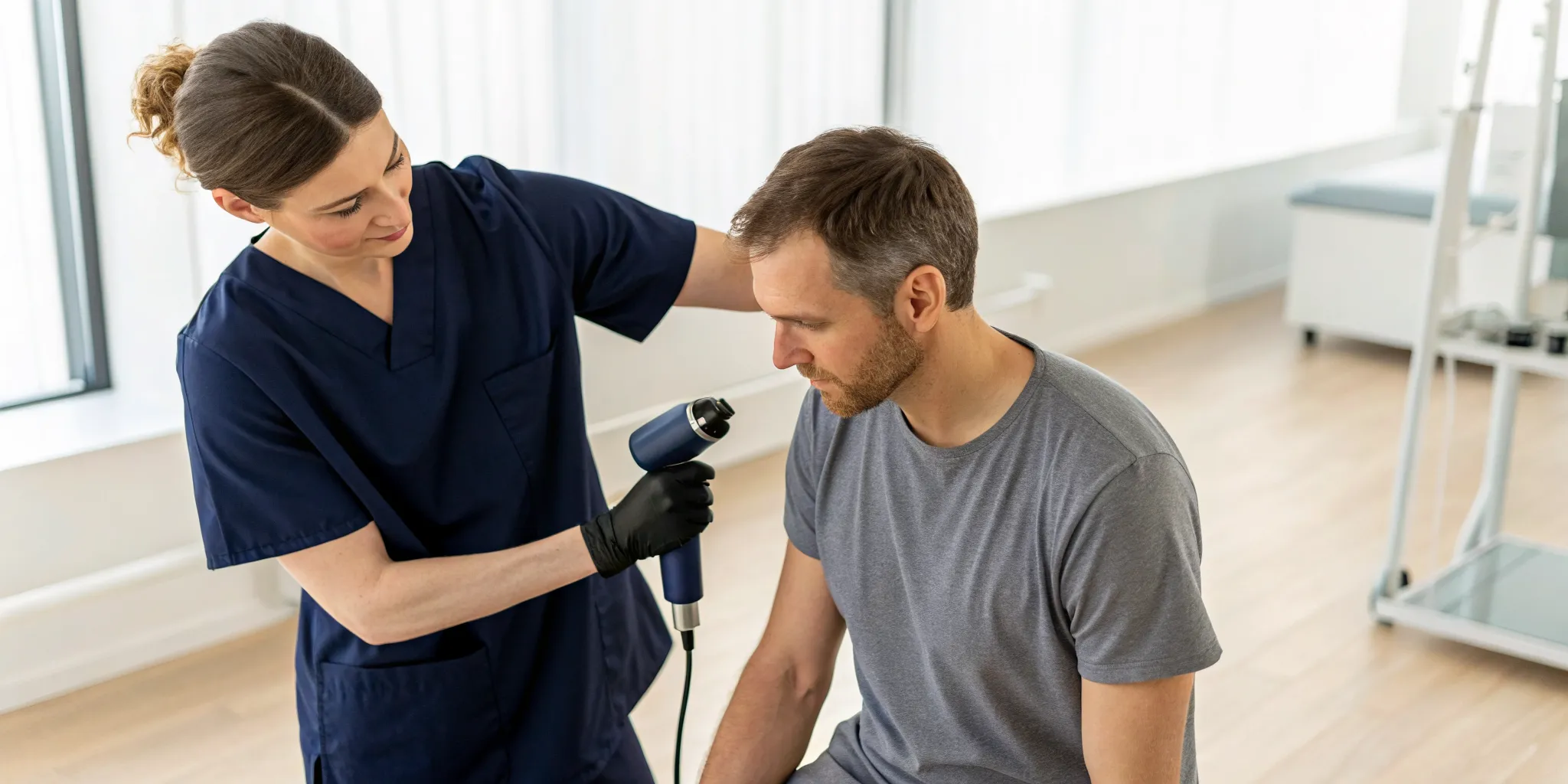
Some injuries seem to stick around forever. That nagging plantar fasciitis that makes your first steps in the morning unbearable, or the persistent tennis elbow that makes gripping a coffee cup painful. These chronic conditions can linger for months or even years because the body’s healing process has stalled. Shockwave therapy is designed to break that cycle. It’s particularly effective for these stubborn soft tissue and tendon issues that haven’t responded to other treatments. We’ll explore how this non-invasive approach provides a breakthrough for long-term sufferers, making shockwave therapy for pain management a key to finally finding relief.
Key Takeaways
- It Works with Sound, Not Shocks: Shockwave therapy uses targeted acoustic waves, not electricity, to activate your body's natural healing response. This process increases blood flow and encourages tissue repair directly at the source of your pain.
- Find Relief for Chronic Pain: This non-invasive treatment is an excellent option for persistent soft tissue and tendon issues, like plantar fasciitis or rotator cuff pain, especially when other methods have not provided lasting results.
- Focus on Long-Term Repair: The therapy works by stimulating your body's own repair cycle, which is a gradual process. While sessions are brief, the most significant improvements often appear weeks later as your tissues regenerate, leading to sustainable results.
How Does Shockwave Therapy Work?
If you're dealing with persistent pain, you might feel like you've tried everything. Shockwave therapy is a modern, non-invasive treatment that helps your body heal from the inside out, and it’s much gentler than its name suggests. It doesn't involve electrical shocks. Instead, it uses the power of sound to target injured areas and activate your body’s natural repair mechanisms. By addressing the source of your discomfort, this therapy can help you find lasting relief and get back to the activities you love. It’s a key part of a comprehensive physical medicine plan designed to restore function and improve your quality of life.
The Power of Sound Waves
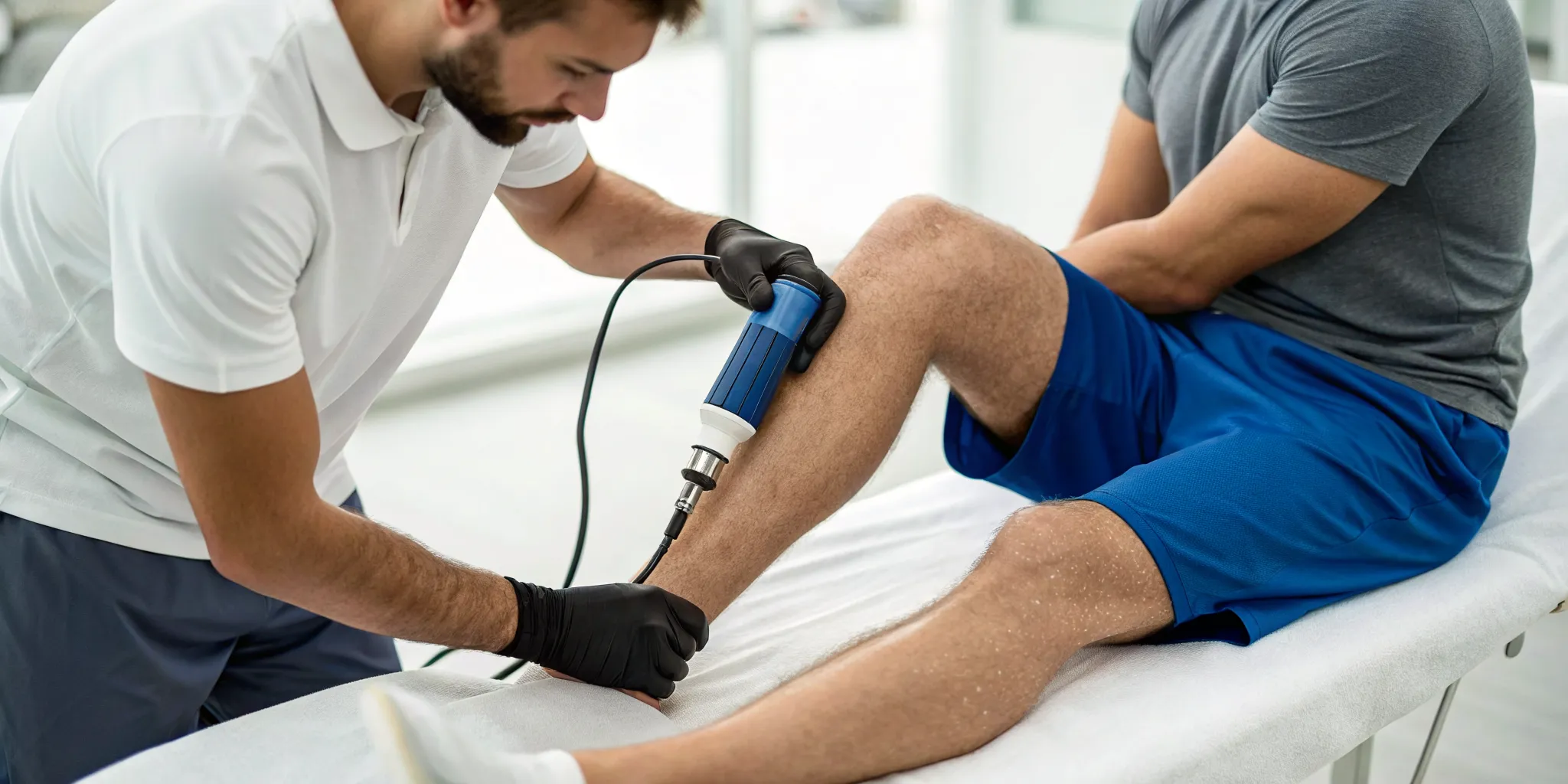
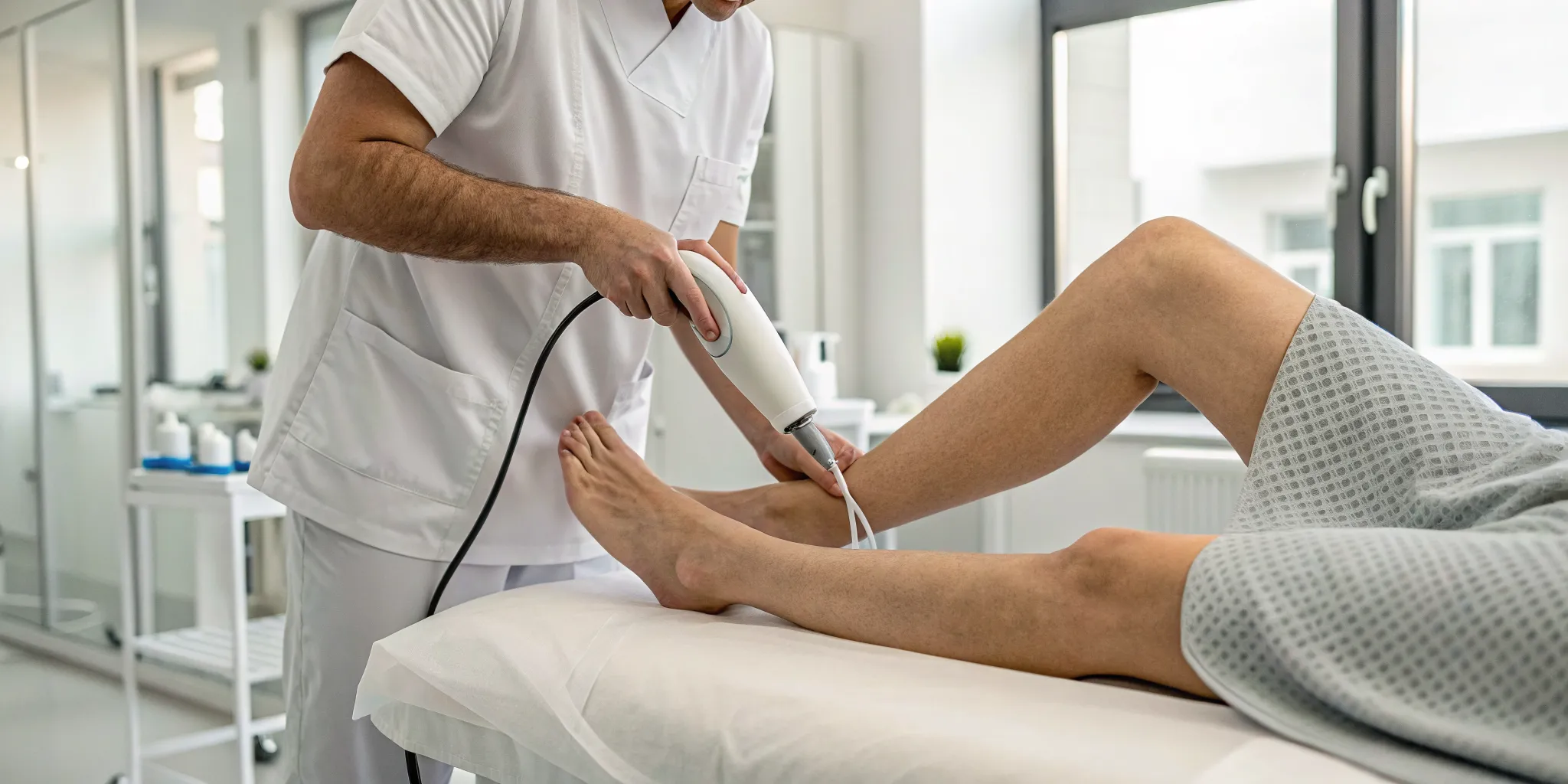
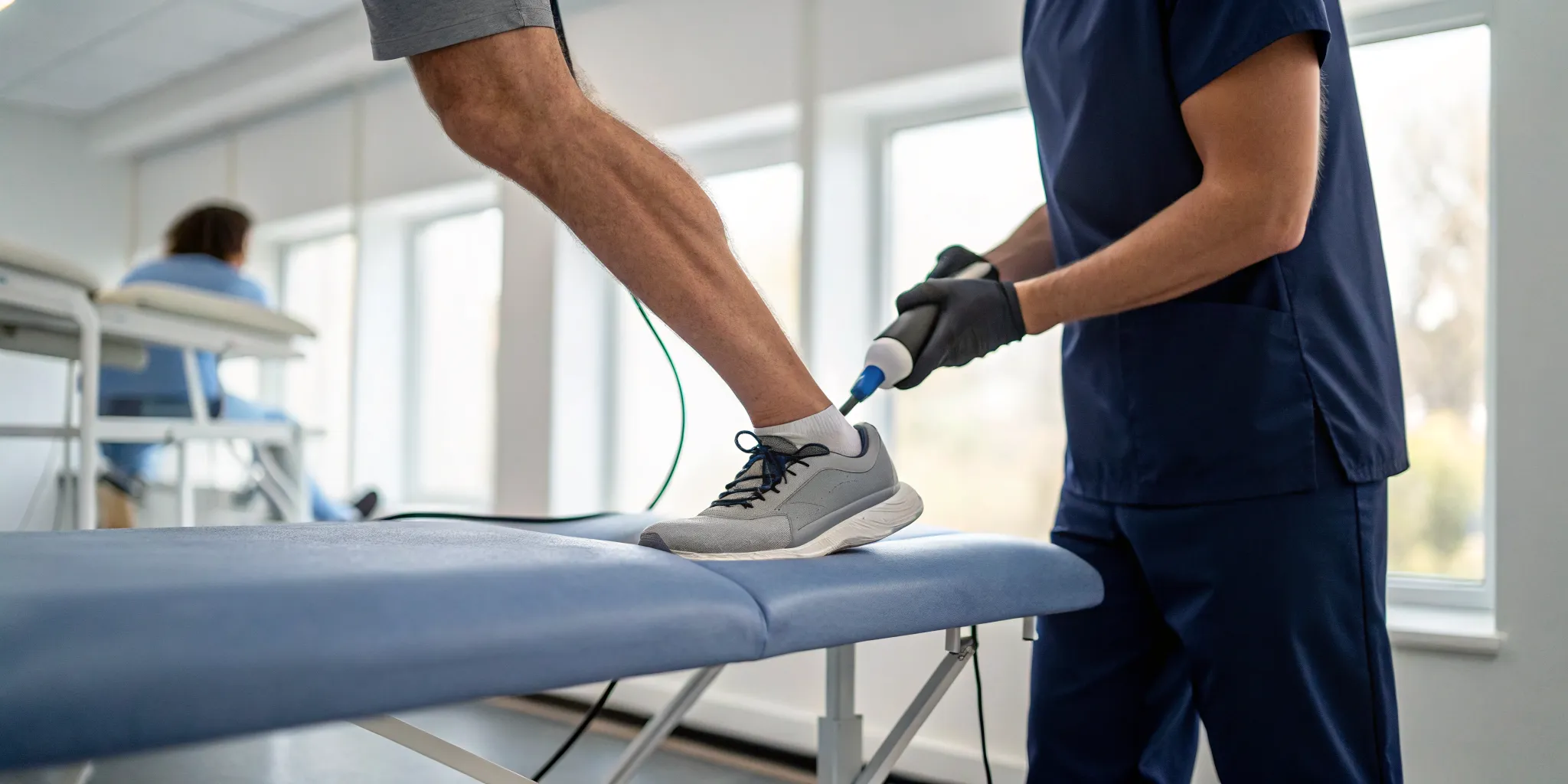
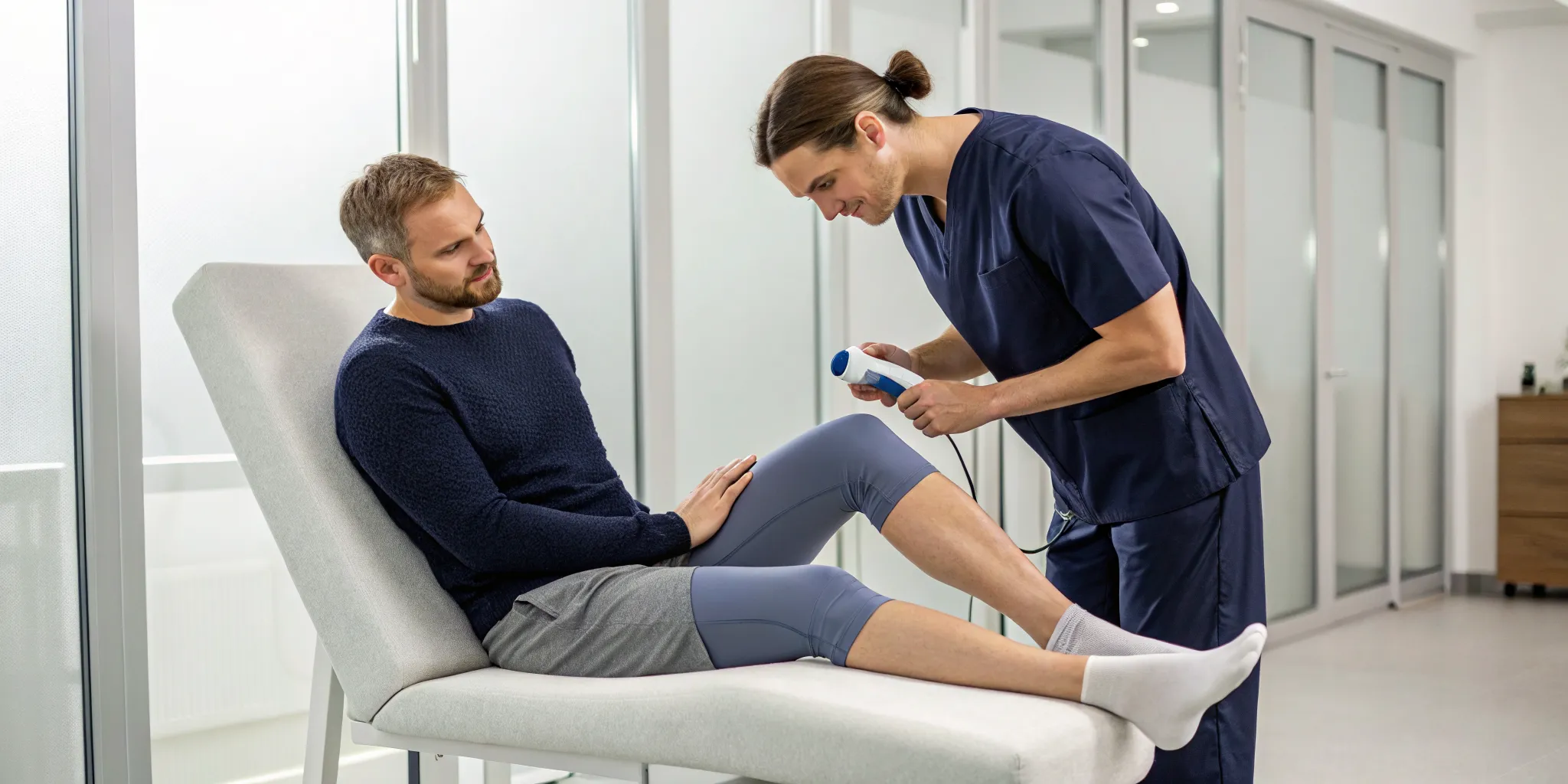
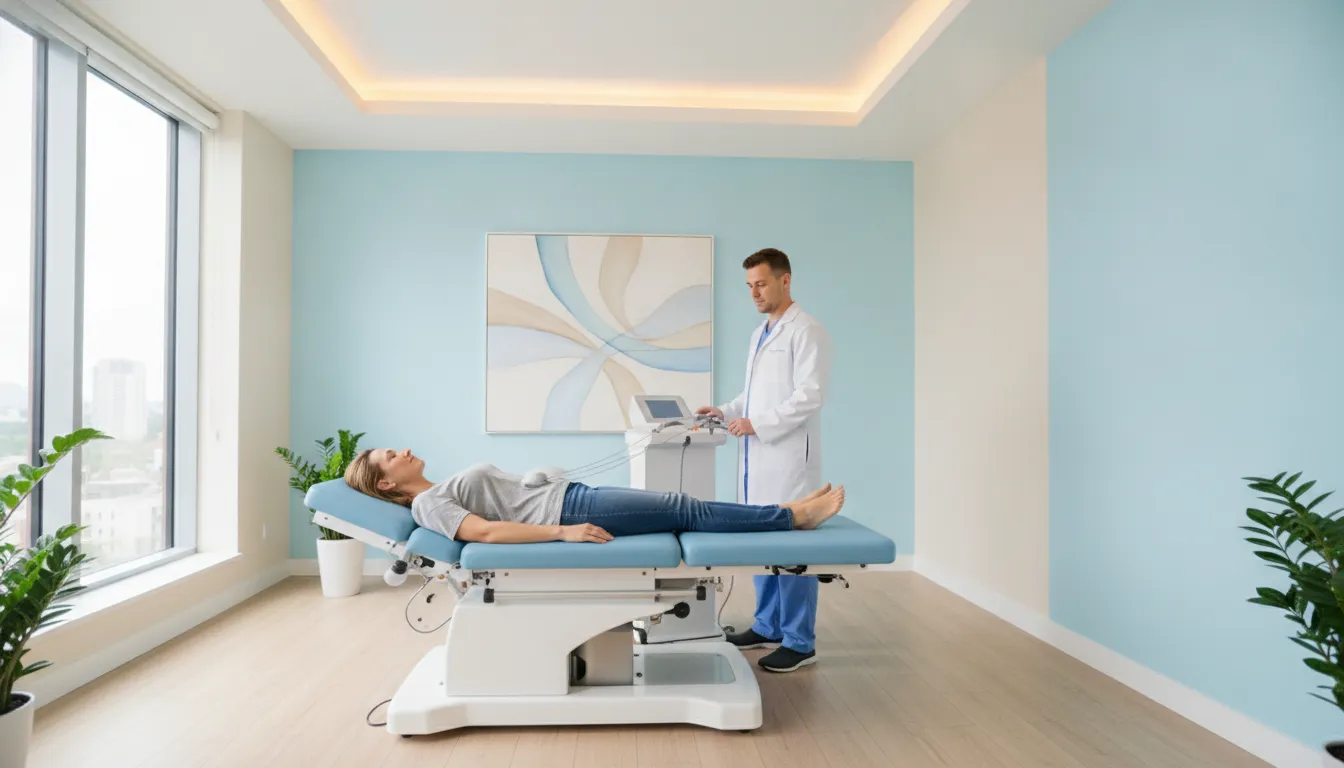
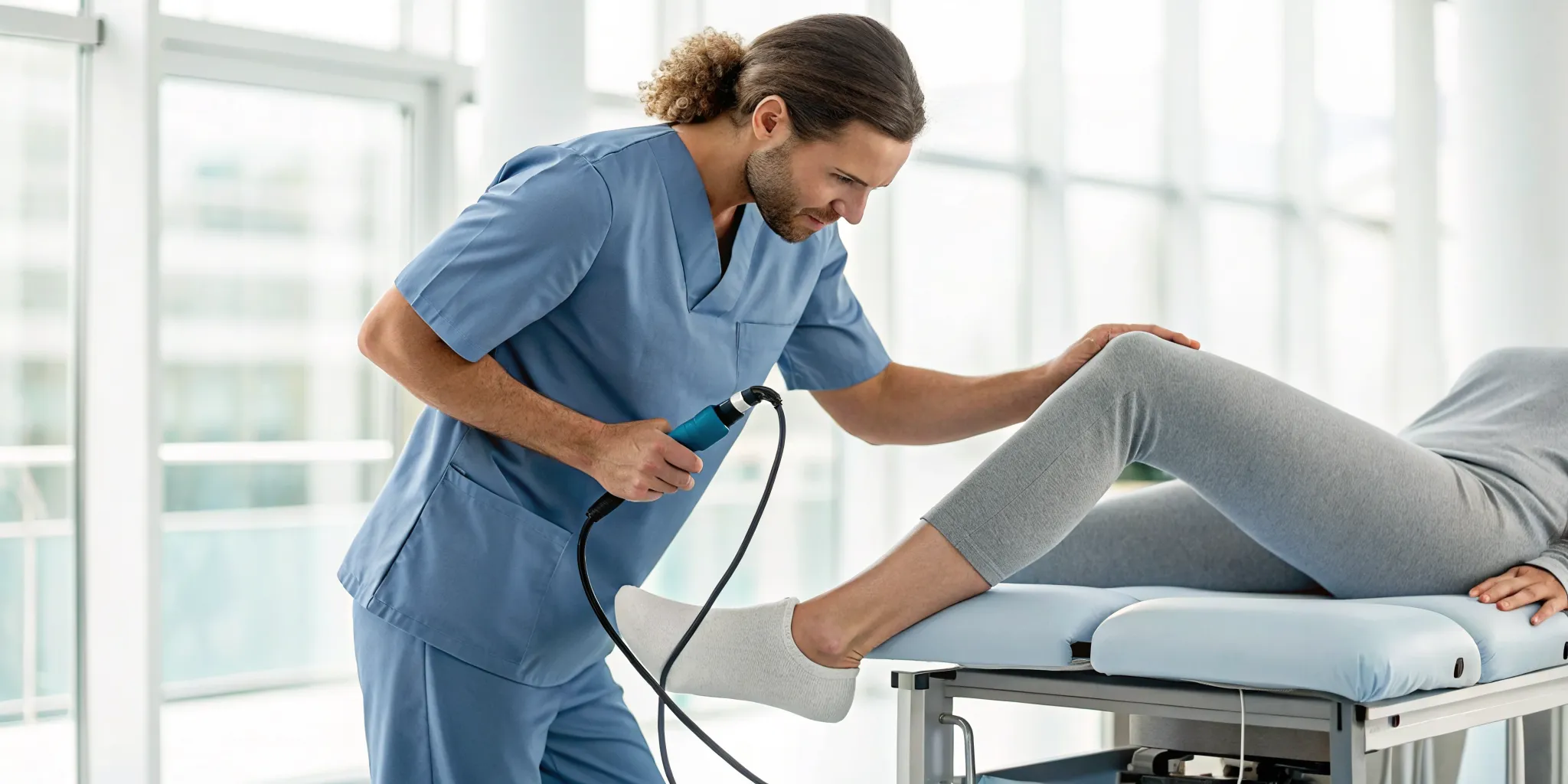
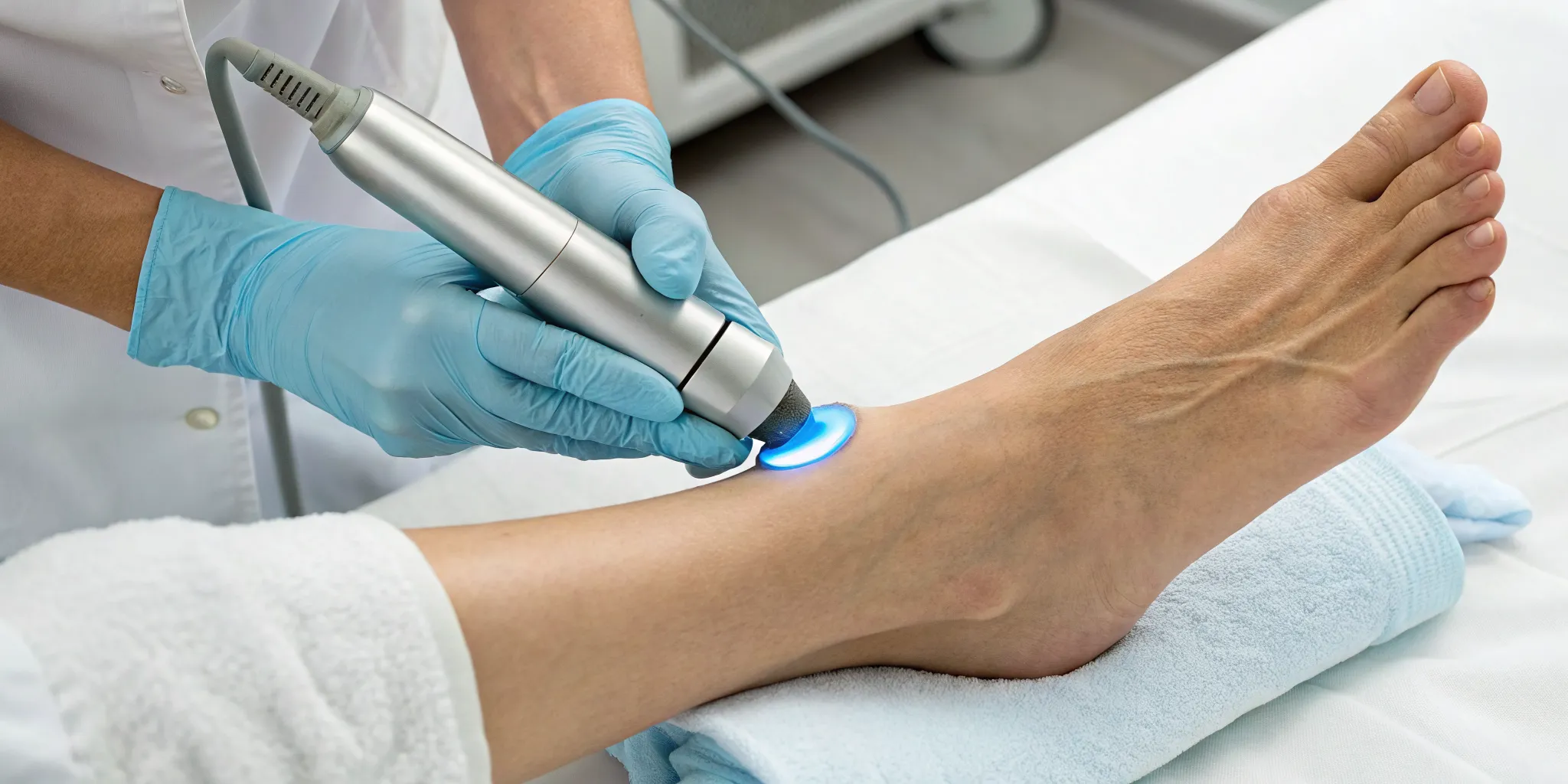
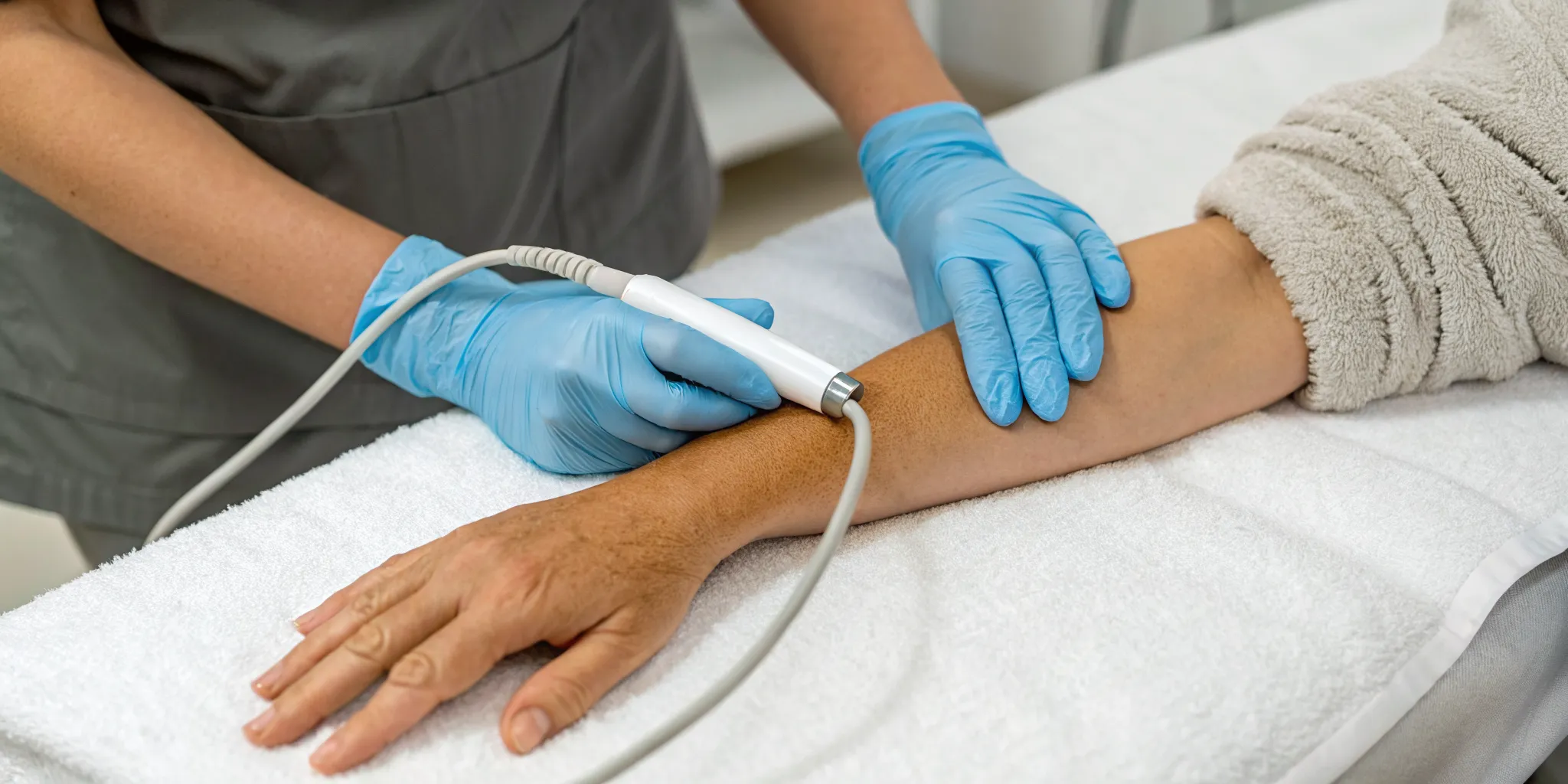
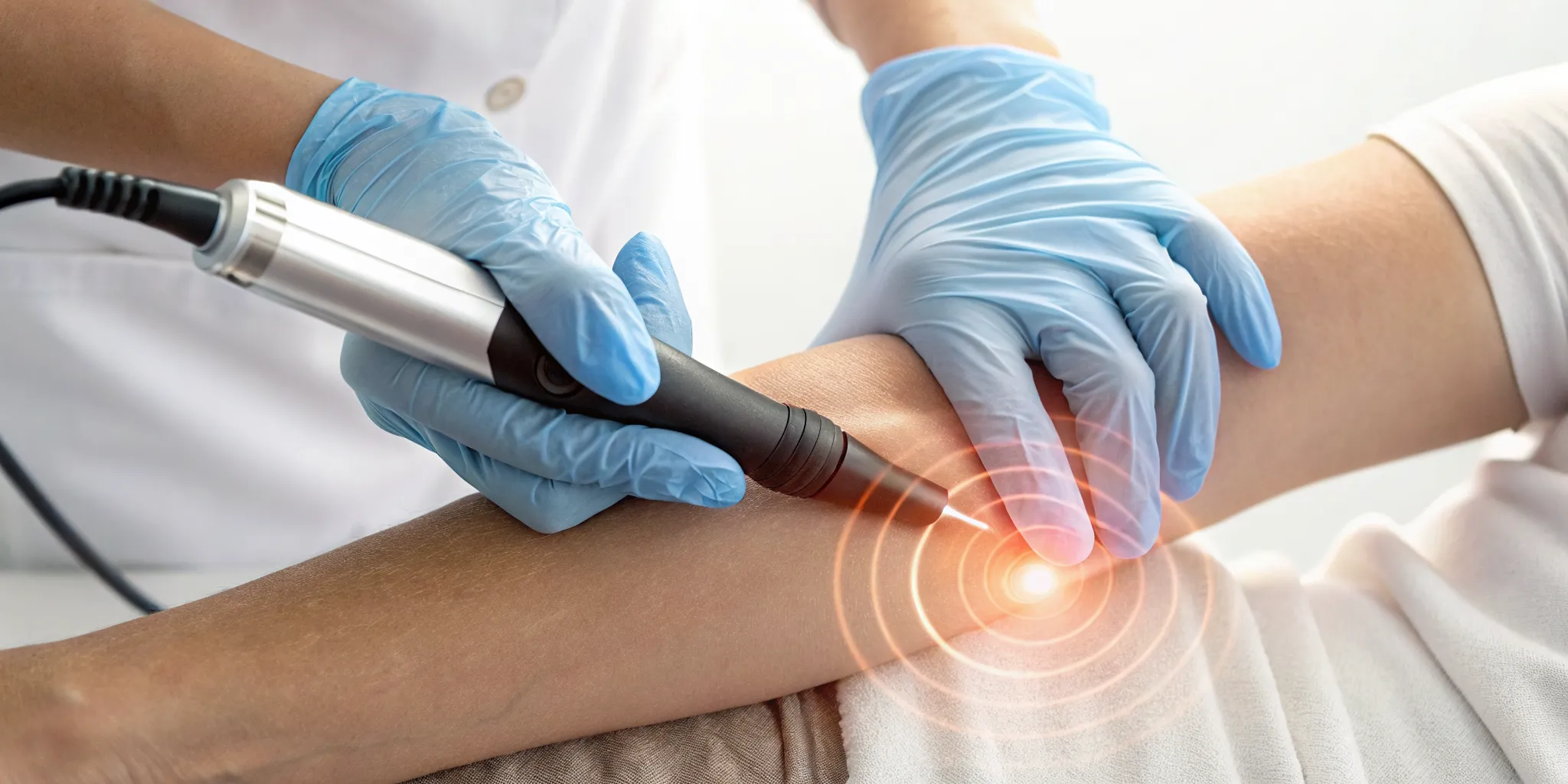
Let's clear up a common misconception: shockwave therapy has nothing to do with electrical shocks. The "shockwave" is actually a high-energy sound wave, similar to the ones used in other medical procedures. During a session, a handheld device is used to send these acoustic waves through your skin to the injured tissue. Think of it as a highly targeted and powerful form of sound energy. This process is designed to be a catalyst, creating a response within your cells that encourages your body to begin its own healing cascade. It’s a way of communicating with the injured area and telling it that it’s time to repair itself.
Focused vs. Radial Shockwave Therapy
There are two main types of shockwave therapy: focused and radial. Focused waves are concentrated on a single point, allowing for deep penetration to a specific spot. Radial waves, on the other hand, spread out over a larger surface area. At our clinic, we often use radial pressure waves because they are excellent for treating conditions affecting a broader region of tissue. This approach stimulates a healing response across the entire affected area. It’s important to remember that shockwave therapy is part of a process. It works with your body over time, with each session building on the last to support long-term tissue repair.
Kickstarting Your Body's Natural Healing
So, what exactly do these sound waves do? They essentially create a controlled inflammatory response in the tissue, which is your body's natural signal to start healing. This process increases blood flow to the area, bringing essential oxygen and nutrients needed for repair. The waves also stimulate cells to create new connective tissue and can even help break down scar tissue or calcification that contributes to pain. On a chemical level, the therapy helps reduce the concentration of pain messengers like "Substance P," providing relief while the deeper healing takes place. It’s a powerful way to address the root cause of many chronic pain conditions.
What Conditions Can Shockwave Therapy Treat?
If you're dealing with a nagging injury that just won't quit, shockwave therapy might be the solution you've been looking for. This innovative treatment is particularly effective for chronic soft tissue and tendon problems that haven't responded to traditional approaches. By targeting the root cause of your pain, it helps your body heal from the inside out. It’s a versatile tool that we use to address a wide range of musculoskeletal conditions, helping our patients find lasting relief and get back to their lives. At Ascend Functional Health, we integrate this therapy into our Physical Medicine services to create a comprehensive healing plan tailored to you.
This approach is all about working with your body’s own healing intelligence. Instead of just covering up symptoms, the acoustic waves stimulate a powerful regenerative response right where you need it most. This process increases blood flow, reduces inflammation, and encourages the formation of new, healthy tissue. We’ve seen it make a significant difference for people struggling with pain that has lingered for months or even years. It’s a way to finally break the cycle of chronic pain and restore function, so you can move freely and feel like yourself again.
Plantar Fasciitis and Heel Pain
If that first step out of bed sends a sharp, stabbing pain through your heel, you might be dealing with plantar fasciitis. This stubborn condition can make walking, standing, and just getting through your day a real challenge. The good news is that you don't have to just live with it. Research shows that extracorporeal shockwave therapy (ESWT) is a proven treatment for chronic heel pain. By directing targeted sound waves to the inflamed plantar fascia tissue, this therapy stimulates blood flow and triggers your body’s own repair mechanisms. It’s a way to address the underlying tissue damage, not just mask the pain, helping you get back on your feet comfortably.
Achilles Tendinopathy
Achilles tendinopathy can feel like a constant, nagging ache in the back of your lower leg, often getting worse with activity. It’s a common issue for runners and athletes, but it can happen to anyone with overuse or strain of the Achilles tendon. When this tendon becomes painful and stiff, it can sideline you from the activities you love. Shockwave therapy offers a promising approach for this persistent problem. Studies have found it to be an effective method for chronic Achilles tendinopathy. The therapy works by targeting the damaged tendon, promoting the regeneration of healthy tissue and improving its structure. This helps reduce pain and restore function, so you can move with confidence again.
Tennis Elbow and Golfer's Elbow
You don’t have to play tennis or golf to experience the sharp, persistent pain of epicondylitis. Commonly known as tennis elbow (pain on the outside of the elbow) or golfer's elbow (pain on the inside), these conditions stem from repetitive motions that strain the forearm tendons. Simple tasks like gripping a coffee cup or turning a doorknob can become painful. For those who have struggled with this for months, shockwave therapy can be a game-changer. It is a well-established therapy for chronic tennis elbow, in particular. The acoustic waves help break down scar tissue and stimulate the formation of new blood vessels, which accelerates healing in the damaged tendon and provides lasting relief.
Rotator Cuff and Shoulder Pain
Shoulder pain can be incredibly disruptive, affecting everything from reaching for something on a high shelf to getting a good night's sleep. Often, the source of this discomfort is an issue with the rotator cuff, the group of tendons that stabilize your shoulder. Whether from an old injury or gradual wear and tear, this pain can significantly limit your mobility. Shockwave therapy is an effective option for rotator cuff injuries, especially those with calcifications. The energy waves can help break down these calcium deposits and stimulate a healing response in the damaged tendons, helping to restore pain-free movement and strength to your shoulder.
Jumper's Knee and Other Chronic Conditions
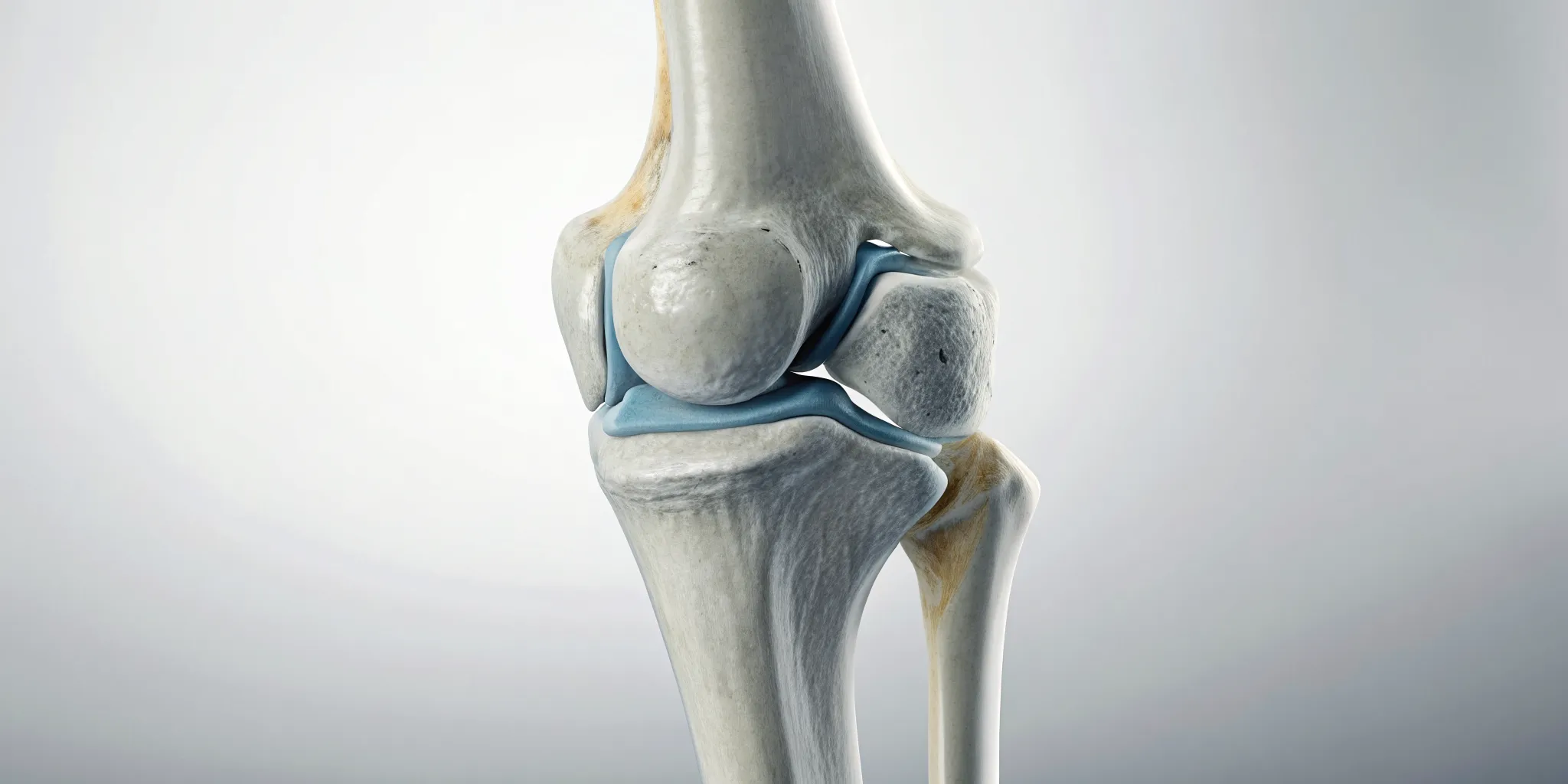
Jumper's knee, or patellar tendinopathy, causes pain right below the kneecap and is a frequent complaint among athletes in sports that involve a lot of jumping. However, anyone can develop this from overuse. When rest and ice aren't enough, shockwave therapy can step in. It has been shown to be effective for patellar tendinopathy and other chronic conditions that have lingered for months or even years. Its benefits extend to other stubborn issues as well, including greater trochanteric pain syndrome (a common cause of hip pain) and shin splints. This therapy offers a way to finally address the deep, chronic inflammation and tissue damage that keeps you from feeling your best.
Why Choose Shockwave Therapy?
If you've been dealing with persistent pain, you know how frustrating it can be to try different treatments without finding lasting relief. You might be looking for an approach that does more than just mask symptoms. Shockwave therapy is a compelling option because it works with your body’s own healing mechanisms to address the source of the pain. It’s a modern, non-invasive technique that aligns perfectly with a holistic view of health, where the goal is to support and restore your body’s natural functions.
Instead of just managing pain, this therapy aims to resolve it by stimulating repair in damaged tissues. It’s a way to give your body the nudge it needs to heal more effectively, especially in areas where recovery has stalled. For many people, it represents a turning point in their healing journey, offering a path forward when other methods have fallen short. At Ascend Functional Health, we see it as a key part of our physical medicine toolkit, helping our patients get back to living their lives with less pain and more freedom.
A Non-Invasive Option with Minimal Downtime
One of the biggest advantages of shockwave therapy is that it's a non-invasive treatment. This means it doesn't require any needles, incisions, or lengthy recovery periods. The therapy is performed entirely outside the body, using a special device to deliver acoustic waves to the injured area. Unlike more aggressive procedures, you can typically return to your daily activities right after a session. This minimal downtime makes it an incredibly convenient option for busy individuals who can't afford to put their lives on hold. It’s an effective way to help your body heal from various injuries and tissue damage without the complications of more invasive treatments.
Find Relief for Stubborn, Chronic Pain
Have you been struggling with a nagging injury that just won’t go away? Shockwave therapy is particularly effective for chronic conditions that have lingered for months or even years. It’s a proven, natural solution for long-term pain relief and healing, especially when other conservative treatments haven't provided the results you need. By targeting the underlying cause of the pain, like scar tissue or poor blood flow, it helps break the cycle of chronic inflammation and discomfort. This makes it a powerful tool for a wide range of conditions we treat, from plantar fasciitis to rotator cuff tendinopathy, offering hope for those who thought they might have to live with their pain forever.
Encourages Tissue Repair and Blood Flow
At its core, shockwave therapy works by kickstarting your body’s own regenerative processes. The treatment uses radial pressure waves to stimulate a natural healing response right where you need it most. These sound waves create micro-trauma in the targeted tissue, which signals your body to get to work. This process increases blood flow, promotes the formation of new blood vessels, and stimulates the release of growth factors essential for repair. Essentially, it wakes up dormant healing cells and provides them with the oxygen and nutrients they need to rebuild and restore damaged tissue. It’s a fantastic example of how our services can facilitate the body's innate ability to heal itself.
An Alternative to More Invasive Procedures
For many people, shockwave therapy can be a great alternative to more invasive options. Before considering procedures that involve significant recovery time and potential complications, it’s worth exploring a treatment that supports your body’s healing process first. And while it might sound new, shockwave therapy is far from experimental; it has been used successfully in medical settings for decades and is supported by a strong body of evidence. Our team is committed to finding the most effective and least invasive path to wellness for you, and you can learn more about our patient-first philosophy on our About page. This established track record makes it a reliable choice for managing chronic pain.
What to Expect During Your Session
Thinking about a new therapy can bring up a lot of questions. What will it feel like? How long will it take? When will I feel better? I get it. Knowing what’s coming helps you walk into your appointment with confidence. Here’s a straightforward look at what your shockwave therapy sessions will involve, from your first assessment to seeing those long-awaited results.
Your Initial Assessment
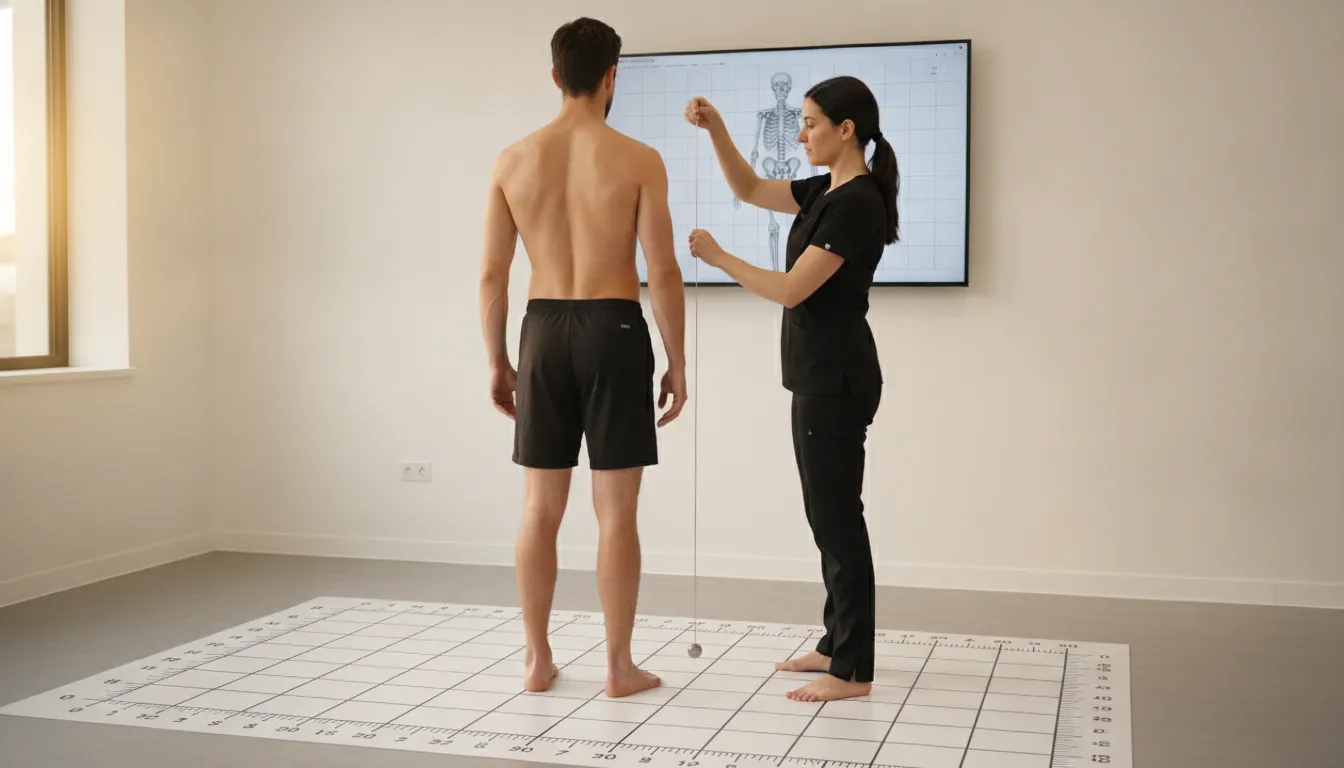
Before we begin any therapy, we start with a conversation and a thorough assessment. This is a key part of our approach at Ascend. We want to understand your specific concerns and the history of your pain to confirm that shockwave therapy is the right move for you. This non-invasive treatment uses sound waves to encourage your body’s natural healing processes, helping to relieve pain from injuries and tissue damage. By pinpointing the source of your discomfort first, we can create a targeted plan that addresses the root cause of the issue, not just the symptoms. This ensures the care you receive is perfectly matched to your body's needs.
What Does the Treatment Feel Like?
It’s completely normal to wonder if a therapy with "shockwave" in the name is going to hurt. Most people are pleasantly surprised by how manageable the sessions are. During the treatment, you’ll feel quick pulses from the applicator against your skin, sometimes with a sensation of warmth. If the area is close to a bone, you might feel some discomfort, but it shouldn’t be truly painful. Our practitioners are in complete control of the intensity and will communicate with you throughout the session to ensure you’re comfortable. Our goal is to make your healing journey as smooth as possible, as our patient testimonials reflect.
Session Length, Frequency, and Timeline
A typical shockwave therapy plan is refreshingly brief. Most treatment protocols involve about three sessions, scheduled roughly one week apart. Each session is also quite short, usually lasting just a few minutes. During that time, a set number of pulses, or shock waves, are delivered to the targeted area. The exact number of pulses and the intensity level are carefully selected based on your specific condition and what we discovered during your initial assessment. We believe in personalized care, so your plan will be tailored to give you the best possible outcome. You can always contact us to discuss what a potential timeline might look like for you.
When Will You See Results?
While some people report feeling better within a day or two after their first session, shockwave therapy is designed to create lasting change by stimulating your body’s own repair mechanisms. This healing process takes time. The most significant improvements often appear between 3 and 12 weeks after your final session, as your tissues continue to regenerate. The great news is that these benefits can be long-lasting. It’s not about a temporary fix; it’s about supporting your body’s ability to heal from the inside out, which is a core principle of functional medicine. This approach allows for deep, sustainable healing rather than just masking the pain.
Shockwave Therapy Myths, Busted
When you’re exploring new ways to manage pain, it’s easy to come across conflicting information. Shockwave therapy is a powerful tool in our physical medicine toolkit, but it’s often misunderstood. Let's clear up a few common myths so you can feel confident about your treatment options. The truth is, this therapy is a well-established, non-invasive method that helps your body heal itself from the inside out. It’s not about quick fixes; it’s about creating lasting change by addressing the source of your discomfort. By separating fact from fiction, you can make an informed decision about whether this approach is the right next step on your path to wellness.
Myth: It's a Form of "Shock" Therapy
Let’s get this one out of the way first. The name "shockwave" can be misleading, making some people think of electrical shocks. The reality is much gentler. Shockwave therapy uses acoustic waves, which are essentially high-energy sound waves, not electrical currents. These waves are directed to the injured area to stimulate your body's natural healing processes. There is no electricity involved. Instead, the technology creates a focused pressure wave that helps break down scar tissue and encourages the formation of new blood vessels. It’s a therapy designed to address physical pain by promoting regeneration at a cellular level, not by delivering a jolt.
Myth: It's Only for Professional Athletes
While it’s true that many elite athletes use shockwave therapy to recover from injuries and improve performance, its benefits are available to everyone. It is a common misconception that this treatment is reserved for the pros. Whether you’re dealing with nagging heel pain from your morning walks, shoulder discomfort from sitting at a desk, or tendinitis from a weekend hobby, shockwave therapy can help. We treat a wide range of conditions for people from all walks of life. If you're struggling with a chronic issue that hasn't responded to other treatments, this therapy could be a great option for you, regardless of your activity level.
Myth: It's an Experimental Treatment
Shockwave therapy is far from experimental. It has been used in medical settings for decades and has a long history of success, particularly in orthopedics and urology. This technology is a proven, effective solution for long-term pain relief and healing, backed by a significant body of research. At Ascend Functional Health, we are committed to using evidence-based protocols to help our patients achieve their health goals. Our approach is rooted in science and a deep understanding of the body's innate ability to heal. By choosing shockwave therapy, you are opting for a treatment with a solid track record for safety and effectiveness in managing chronic musculoskeletal pain.
Are There Any Side Effects or Risks?
It's completely normal to have questions about the safety of any new treatment. When you're dealing with chronic pain, the last thing you want is more discomfort. The good news is that shockwave therapy is a non-invasive treatment with a strong safety record. Unlike more aggressive procedures, it works by stimulating your body's own healing mechanisms from the outside in. Most people find the sessions very manageable and appreciate that there's no significant downtime involved.
At Ascend Functional Health, we consider shockwave therapy a key part of our Physical Medicine offerings because it aligns with our goal of addressing the root cause of pain, not just masking symptoms. While the procedure is very safe for most people, there are a few things to be aware of. Understanding the potential side effects and knowing who is a good candidate are important parts of making an informed decision about your health. We'll walk you through exactly what to expect so you can feel confident every step of the way.
Potential Temporary Side Effects
After a session, it's not uncommon to notice some mild, temporary effects in the treated area. You might see some redness or experience minor swelling or soreness, similar to how you might feel after a deep tissue massage. Some people also report slight bruising or a temporary feeling of numbness. Think of this as a sign that the therapy is working and your body's healing response has been activated. These effects are typically very mild and tend to fade on their own within a day or two, leaving you on the path to recovery.
Who Should Avoid Shockwave Therapy?
While shockwave therapy is beneficial for many, it isn't the right choice for everyone. Your safety is our top priority, which is why a thorough assessment is the first step. Generally, this therapy should be avoided if you are pregnant, have a blood clotting disorder, or are taking blood-thinning agents. It's also not recommended for areas with an active infection, for individuals with cancer, or if you've had a steroid injection in the treatment area within the last six weeks. If you have specific health concerns, the best thing to do is contact our team to discuss your history and see if you're a candidate.
How Shockwave Therapy Fits Into Your Healing Plan
At Ascend Functional Health, we believe in a comprehensive approach to wellness. Shockwave therapy isn’t just a standalone treatment; it’s a powerful tool that we integrate into a personalized plan designed to address the root cause of your pain. We see it as one component of a larger strategy to help your body heal correctly and build resilience against future injuries. By looking at the complete picture of your health, we can determine how shockwave therapy can best support your journey back to feeling your best.
This approach ensures that we’re not just managing symptoms. Instead, we are creating lasting change by supporting your body’s innate healing capabilities from multiple angles. Your treatment plan is unique to you, and shockwave therapy can be a key part of that puzzle.
Combining Shockwave with Other Physical Medicine Therapies
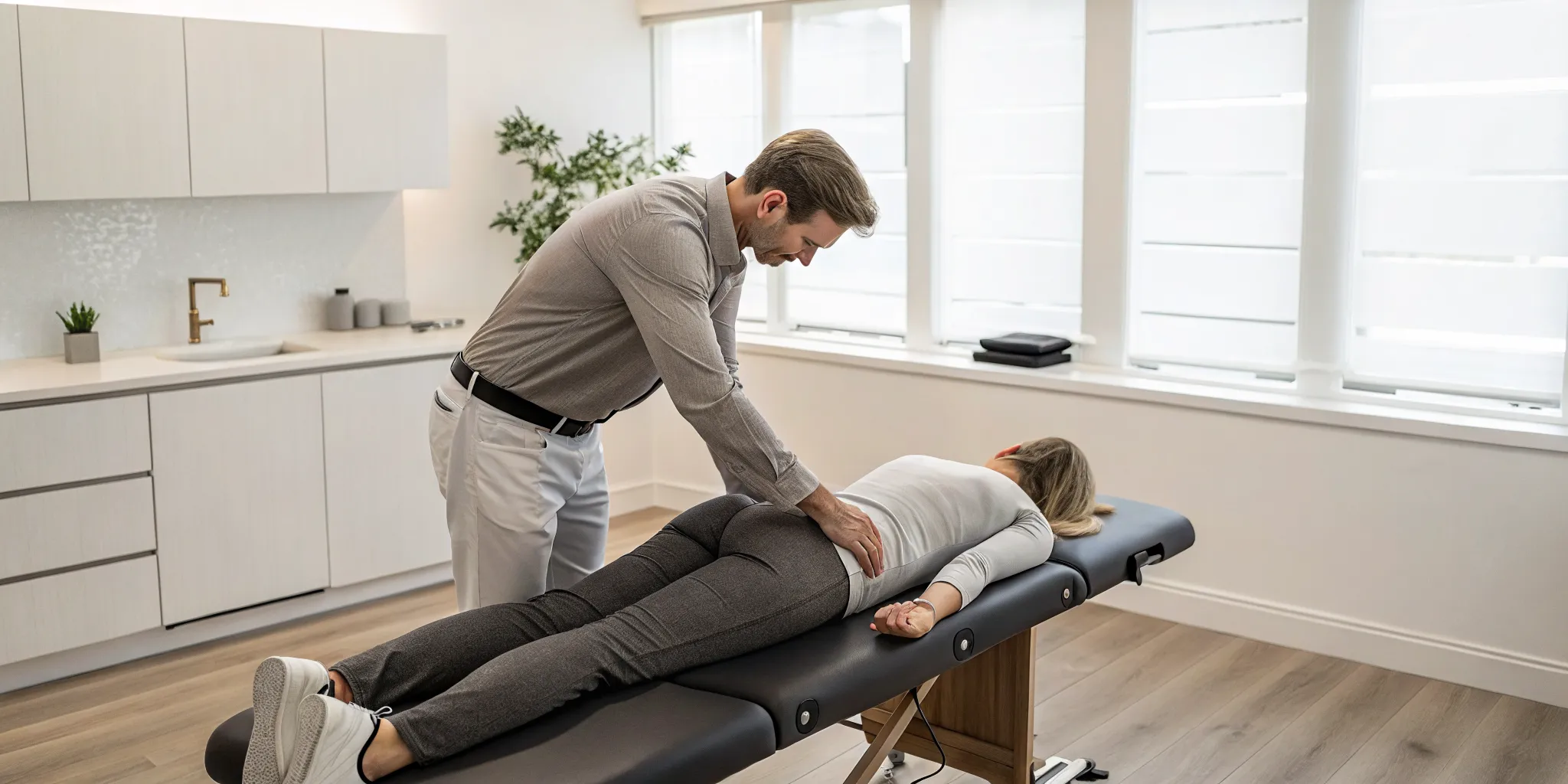
Think of shockwave therapy as a catalyst. It’s incredibly effective at stimulating healing in stubborn, damaged tissues, but its results are amplified when combined with other treatments. We often pair it with our other physical medicine services, such as chiropractic adjustments, corrective exercises, or spinal decompression. This combination allows us to tackle your condition from all sides.
For example, while shockwave therapy targets the specific site of your tendonitis, chiropractic care can correct the underlying joint misalignments that may have contributed to the problem in the first place. Following up with targeted exercises helps restore proper movement patterns and strengthen the surrounding muscles, creating a stable foundation for long-term relief and preventing the issue from returning.
Is It the Right Next Step for You?
If you’re dealing with a chronic injury that hasn’t responded to rest, ice, or stretching, shockwave therapy might be the breakthrough you’ve been looking for. It’s particularly effective for soft tissue and tendon issues that have lingered for months or even years. Conditions like persistent plantar fasciitis, nagging tennis elbow, or rotator cuff pain that just won’t quit are all excellent candidates for this treatment.
Because it's a non-invasive option, many people explore shockwave therapy before considering more intensive procedures. The best way to know if it’s the right choice is to have a thorough evaluation. We can assess your condition, discuss your health history, and determine if this therapy aligns with your healing goals. To find out if you're a candidate, schedule a consultation with our team.
Is Shockwave Therapy Right for You?
Deciding on the right treatment path can feel overwhelming, but understanding if a therapy is a good match for your specific situation is the first step. Shockwave therapy isn't a one-size-fits-all solution, but for the right person, it can be a game-changer. It’s designed for those who are ready to move beyond temporary fixes and address the underlying cause of their discomfort. If you’ve been sidelined by a persistent injury and other approaches haven’t provided the relief you need, it’s worth exploring whether shockwave therapy can help you get back to feeling your best.
Who Is a Good Candidate?
Wondering if shockwave therapy could be the answer for you? It’s a fantastic non-invasive option for many people, especially if you're dealing with a stubborn injury that just won't quit. Think of those aches and pains that have been around for at least a month or two, the ones that haven't responded to other treatments. Shockwave therapy is particularly effective for a wide range of common injuries affecting the feet, ankles, knees, hips, shoulders, and elbows. If you're tired of living with chronic discomfort and are looking for a way to get back to your life without invasive procedures, this could be a great next step. It’s designed for people who are ready to find lasting relief.
Addressing the Root Cause of Your Pain
At Ascend, we believe in getting to the heart of the problem, not just masking symptoms. Shockwave therapy fits perfectly with this philosophy. Instead of just temporarily numbing the pain, it works with your body to create real, lasting change. The therapy uses acoustic pressure waves to kickstart your body’s natural healing response right where you need it most. This process encourages the growth of new, healthy tissue and improves blood flow to the injured area. Our approach to physical medicine gives your body the tools it needs to repair itself from the inside out. It’s a proven, natural solution that aims for long-term healing and pain relief, helping you build a stronger, more resilient foundation for your health.
Discover Shockwave Therapy at Ascend Functional Health
At Ascend Functional Health, we are always looking for effective, research-backed ways to help you find lasting relief. That's why we're proud to offer shockwave therapy as a cutting-edge solution for pain management. This non-invasive treatment uses acoustic waves to stimulate your body’s own natural healing processes. It’s an innovative approach that can effectively address pain and promote recovery from a variety of injuries and chronic conditions, getting to the source of the problem without invasive procedures.
Instead of just masking symptoms, shockwave therapy works by sending radial pressure waves into the affected tissue. This process helps to stimulate a natural healing response in the body, increasing blood flow and encouraging cell regeneration right where you need it most. Unlike treatments that might involve a long recovery, shockwave therapy is designed to be both quick and tolerable. Many people are surprised by how straightforward the treatment process is.
This therapy is a powerful tool within our physical medicine services because it aligns perfectly with our philosophy of facilitating your body's innate ability to heal. It provides a path to relief without relying on medications or incisions, making it a convenient and powerful option for many of our patients in Tampa. If you're dealing with stubborn pain that hasn't responded to other methods, shockwave therapy might be the missing piece in your recovery plan. We are committed to providing the latest advancements in pain management, and this therapy is a testament to our dedication to your long-term health and well-being.
Related Articles
- SoftWave Tissue Regeneration Therapy in Tampa | Alessi Functional Health
- SoftWave TRT Therapy in Tampa, FL - Alessi Functional Health
- Regenerative Medicine for Pain Recovery | Ascend Functional Health
- Root Cause Treatment for Chronic Pain | Ascend Functional Health
- What Is Soft Tissue Therapy? A Complete Guide
Frequently Asked Questions
Does shockwave therapy actually involve shocks or hurt? That's a great question, and the name can definitely be confusing. This therapy does not use any electrical shocks. Instead, it uses acoustic sound waves to create pressure pulses. Most people describe the feeling as a series of quick taps against the skin. While you might feel some mild discomfort, especially over a sensitive area, the session is very short and our practitioners ensure you remain comfortable the entire time.
How long is the treatment process and when can I expect to feel better? A typical treatment plan is surprisingly brief, usually involving about three sessions scheduled a week apart. While some people notice an improvement in their pain within a day or two, the therapy is designed to stimulate your body's own healing process, which takes time. The most significant and lasting results often develop in the 3 to 12 weeks following your final session as your body works to repair and regenerate the tissue.
What does recovery look like after a session? Is there downtime? One of the best parts of shockwave therapy is that there is virtually no downtime. You can get back to your normal daily activities right after your appointment. It is common to experience some temporary, mild soreness or redness in the treated area, similar to the feeling after a deep tissue massage. This is a normal sign that your body's healing response has been activated and it usually fades within a day or two.
What makes shockwave therapy different from other pain relief options? Many treatments focus on temporarily managing your symptoms, but shockwave therapy is different because it addresses the root cause of your pain. Instead of just masking discomfort, it works by stimulating your body’s own regenerative abilities. The acoustic waves encourage increased blood flow and the formation of new, healthy tissue, which leads to more sustainable healing. It’s a way to help your body repair itself from the inside out.
Who is the ideal person to receive shockwave therapy? This therapy is an excellent option for individuals dealing with chronic soft tissue or tendon pain that hasn't improved with other conservative treatments like rest and stretching. If you have a nagging injury like plantar fasciitis, tennis elbow, or rotator cuff tendinopathy that has been bothering you for months, you could be a great candidate. It’s for people who are ready to find a lasting solution and get back to their lives without persistent pain.