For men in Tampa Bay who want to support healthy testosterone levels naturally, a useful starting point is not a supplement or a single lab result. It is a careful review of symptoms, health history, sleep, nutrition, stress, and appropriate testing with a qualified clinician. This approach can help distinguish general wellness goals from concerns that deserve a focused evaluation.
Call (813) 284-7222 to discuss your health goals

Optimize Testosterone Naturally Tampa FL: Which Factors Can Shape Symptoms?
Testosterone is one part of a broader health picture, and symptoms alone cannot identify a hormone concern. A useful evaluation considers the person, timeline, and possible contributing factors together.
Changes in energy, sexual interest, strength, mood, or recovery can have many explanations. Sleep disruption, ongoing stress, a recent illness, shifts in activity or eating patterns, and other health concerns may all be relevant. Symptoms can overlap, so one change should not be treated as proof of one cause.
Begin by noticing the pattern. Did a change appear suddenly or gradually? Is it present each day, or does it vary with sleep, workload, travel, or other circumstances? Did another aspect of health or routine change around the same time? A short, factual timeline gives a clinician more useful context than a general statement that you feel different.
For example, a man who feels tired after several weeks of disrupted sleep may need a different conversation from someone reporting persistent changes in several areas over a longer period. Neither example establishes a diagnosis. Both show why timing and surrounding details matter before choosing a next step.
It can also help to separate symptoms from goals. “I want to feel more like myself during the day” describes a lived concern. “My testosterone must be the cause” is a conclusion that still needs evaluation. Bringing the concern without a fixed explanation leaves room to consider hormone status alongside other possibilities.
How can daily habits support overall hormone health?
Consistent daily habits can support general wellbeing and may be relevant to hormone health, but they cannot promise a particular testosterone result. The practical aim is to identify sustainable adjustments that suit your health, schedule, and priorities.
Make sleep patterns part of the discussion
Keep a simple note of typical bedtimes, wake times, night waking, and how rested you feel. If poor sleep continues, or you experience loud snoring or persistent daytime tiredness, raise that with a clinician. The point is not to assign the cause yourself; it is to make sure a potentially important part of the picture is considered.
Write down the context as well. A few late work nights, travel across time zones, caregiving demands, or a new schedule may affect sleep differently from a recurring pattern. Recording what changed and when can make a conversation more specific than relying on memory during an appointment.
Choose steady, balanced nourishment
Meals with a variety of vegetables, fruit, protein sources, and fats that suit your needs can support general health. Avoid abrupt, restrictive changes based on a promise of a particular hormone effect. If appetite, weight, digestion, or meal planning has changed alongside other symptoms, record that and ask whether personalized nutrition guidance may be useful. Ascend describes its nutrition protocols as one area of care.
Keep movement appropriate to your current health
Regular movement supports many aspects of wellbeing. Begin at your present capacity and choose an amount you can maintain rather than comparing yourself with an earlier stage of life. If pain, a health concern, or a long break from activity affects your plans, discuss sensible options with a clinician before making a major change. A gradual, realistic routine is easier to assess than an ambitious plan that quickly becomes difficult to sustain.
Notice stress and alcohol patterns without self-blame
Stressful periods and alcohol habits can affect sleep, energy, and daily routines. Instead of relying on a strict rule that may not fit your circumstances, note the pattern and discuss it in the context of your health goals. Small, realistic adjustments are easier to assess over time than several simultaneous changes.
Consider a practical two-week record: sleep and wake times, energy at different points of the day, activity, alcohol use if applicable, and any new symptoms. Keep it brief. The purpose is to identify patterns worth discussing, not to create a perfect scorecard or replace professional evaluation. If tracking starts to feel burdensome, shorten it to the few details that best describe your concern.
Optimize Testosterone Naturally Tampa FL: When May Testing Help?
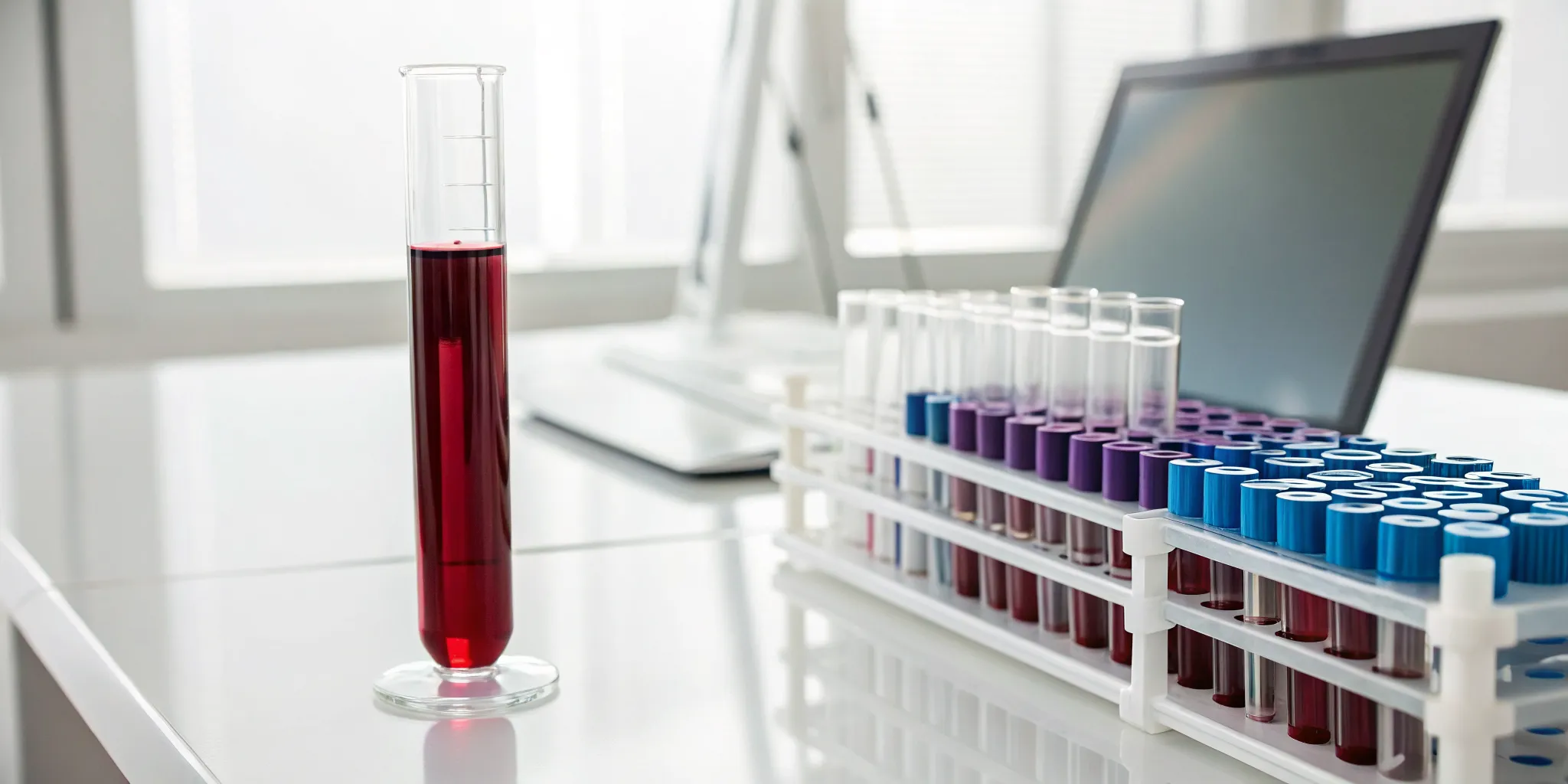
Testing may be considered when symptoms and health history give a clinician a reason to evaluate hormone status. A result needs context, and one number alone may not explain how a person feels or establish a complete care plan.
The Endocrine Society clinical practice guidance recommends diagnosing testosterone deficiency only when compatible symptoms or signs occur with consistently low testosterone, and recommends repeating a morning fasting measurement when an initial result is low. That framework helps explain why a clinician may review timing, symptoms, and repeat testing rather than treating one isolated number as the answer.
Before testing, ask which concern a proposed test is intended to address and how the result will be interpreted. Timing, symptoms, prior results, relevant health history, and whether additional evaluation is appropriate can all matter. Depending on the situation, a clinician may recommend follow-up testing or review other factors rather than drawing a conclusion from one measurement.
Bring a list of current therapies and supplements, prior lab reports if available, and the symptom timeline you have kept. Mention a recent illness or significant schedule change when relevant. These details can help keep the conversation focused. Ascend describes its approach to bloodwork and related testing as part of a personalized evaluation.
For general endocrine-health education, readers can consult the Endocrine Society. Use educational resources to prepare questions, not to interpret a result without clinical context. Ask the clinician to explain the purpose, limits, and possible follow-up for any proposed test.
It is also reasonable to ask how a result will affect the discussion before agreeing to testing. Will the clinician consider symptoms and history alongside the measurement? If a result is outside an expected range, what further context might be reviewed? If it does not explain the concern, what other areas could be discussed? Clear questions can help set expectations without assuming what the findings will show.
| Evaluation step | What it can contribute | Important consideration |
|---|---|---|
| Symptom and history review | Clarifies concerns, timing, goals, and health context | Symptoms alone do not confirm a hormone issue |
| Clinician-directed bloodwork | Provides measurements that may inform evaluation | Interpretation depends on context and may require follow-up |
| Routine review | Surfaces sleep, nourishment, movement, and stress patterns | Changes do not guarantee a specific result |
| Follow-up conversation | Allows review of findings, preferences, and questions | Next steps should reflect individual findings |
How can you set realistic goals and review progress?
Clear goals make follow-up more useful, but progress should be judged in context rather than by one number alone. Agree on which changes matter to you and how you will revisit them with your clinician.
Start with a small number of priorities. One person may want to understand persistent tiredness; another may be more concerned about changes in sexual health, strength, or recovery. Describe what improvement would look like in ordinary daily life. That could mean steadier energy through the afternoon or returning to a familiar activity, not a promised lab result.
Record a baseline before making several changes. Note the symptom, how often it occurs, how much it affects your day, and any circumstances that seem related. If you and your clinician decide to adjust a routine or pursue evaluation, revisit the same points later. This makes it easier to discuss whether anything changed and whether other explanations should be considered.
Imagine a patient who reports lower energy and less interest in activity during a period of poor sleep and increased work demands. Rather than attributing both concerns to testosterone, the conversation can separate the timeline, review health history, and consider whether testing is appropriate. At follow-up, the patient and clinician can revisit the original concerns and findings. This example illustrates why clear questions and consistent notes can support better decisions without predicting an outcome.
Ask in advance how and when results will be reviewed, whom to contact with questions, and which findings might change the plan. A thoughtful process leaves room to discuss uncertainty, preferences, and alternatives instead of treating every result as an instruction. If the first proposed step does not address your main concern, say so and ask how the plan can better reflect your priorities.
For a useful progress check, compare like with like. If the concern is afternoon energy, record that at roughly the same point in the day instead of comparing an unusually demanding week with a quiet one. If the concern is recovery after activity, describe the activity and how you felt afterward. These simple details do not prove cause, but they can make follow-up more grounded and specific.
How does personalized care connect findings to next steps?
Personalized care connects a person's goals and history with an appropriate evaluation, then uses the findings to guide a measured discussion. It avoids assuming that every man with fatigue or reduced performance needs the same approach.
Ascend organizes care around Physical Medicine, Functional Medicine, and Regenerative Medicine. Each pillar addresses a different aspect of care, and an individual may need one area of focus rather than all three.
- Functional Medicine may include review of symptoms, relevant testing, and personalized health considerations. Learn about Functional Medicine.
- Physical Medicine addresses structural and movement concerns through approaches such as chiropractic care, decompression, and soft-tissue work. See Physical Medicine services.
- Regenerative Medicine includes options such as hormone optimization. A hormone-focused discussion calls for an individualized clinical workup and conversation about potential benefits, risks, and alternatives.
These categories are not interchangeable or a menu everyone needs. A clinician can help determine whether a concern calls for a hormone-focused discussion, attention to sleep or another health factor, or a different care pathway. Review the services overview and practice background to prepare questions. For a local overview, visit the page on integrative health care in Tampa.
A focused consultation can clarify what matters to you before a plan is chosen. You might ask how the practice connects symptoms and testing, what follow-up could involve, and how progress will be reviewed. You can also ask which pillar is relevant to the concern you bring, rather than assuming a broad set of services is necessary.
Ascend's frequently asked questions page offers more information about its process. The bloodwork overview may also help you prepare questions about measurements and clinical review. These pages are background resources; the clinician's discussion should still account for your personal history and goals.
How can you prepare for a useful consultation?
A short preparation list helps keep an appointment focused on your concerns and choices. Bring enough detail to describe patterns, while leaving diagnosis and interpretation to the clinician.
- Write down your main concern. Choose the changes that matter most, such as energy, sleep, sexual health, strength, or recovery, and note when each began.
- Make a brief timeline. Note whether the concern is steady, intermittent, improving, or changing, and whether other life or health changes occurred at the same time.
- Gather useful records. Bring prior lab results and a current list of therapies or supplements. Do not start or stop a product just to prepare for the visit.
- Describe your routines plainly. Share typical sleep, activity, meals, stressors, and alcohol use if relevant. You do not need to make the details sound ideal.
- Ask how decisions will be made. Find out what a proposed test can clarify, what uncertainty may remain, and how you will review possible next steps together.
Useful questions include: Which parts of my history are most relevant? Which testing, if any, makes sense for my situation? Could sleep or another health factor contribute? What limitations and risks should I understand? How will we check whether a plan is helping? For additional process details, see Ascend's frequently asked questions.
You can also decide what you do not want to leave without understanding. For example, ask who will review results, how you will receive an explanation, and what options may be considered if the first evaluation does not clarify the concern. If you have several priorities, rank them. That helps make sure the most important issue receives attention in the time available.
Bring questions about choices and uncertainty, not only a list of desired tests. A good discussion can include why a test may be useful, what it cannot answer, and whether the finding would affect a decision. If you already have lab reports, bring the date and context as well as the values, since a number separated from its timing and circumstances may be harder to interpret.
What questions are useful before choosing a next step?
A few direct questions can help you understand the evaluation process and decide whether it fits your needs. Focus on clinical reasoning, follow-up, and how your priorities will guide the conversation.
Start by asking what concern the clinician believes deserves attention first and what information supports that focus. Ask whether the proposed next step is intended to clarify a symptom, check a measurement, or monitor a change. These questions help distinguish an evaluation from an assumption that a particular intervention is already indicated.
Then ask how the clinician will discuss potential benefits, risks, and alternatives if treatment becomes part of the conversation. Request plain-language explanations and take time to consider them. If a recommendation is unclear, it is reasonable to ask for a simpler explanation or to discuss other options.
Finally, clarify the follow-up process. Ask how you will review results, what changes should prompt another conversation, and how success will be measured in terms that matter to you. Ascend's contact page is a place to discuss fit and possible next steps with the practice.
Contact Ascend to discuss an evaluation
Frequently Asked Questions
These brief answers provide general context. A clinician can help apply the information to your history and goals.
Can lifestyle changes alone resolve low testosterone?
Not necessarily. Sleep, nourishment, movement, and stress habits may support general health, but symptoms can have different causes. Discuss persistent concerns with a clinician rather than assuming one change will resolve them.
Should I use a testosterone product based only on symptoms?
Symptoms do not establish a diagnosis or show which product, if any, is appropriate. Discuss your history and any product you are considering with a qualified clinician before changing your routine.
Does one blood test settle the question?
One result may not tell the full story. A clinician interprets testing alongside symptoms, timing, health history, and other findings, and may recommend follow-up when appropriate.
How can I make a first appointment more useful?
Write down your main concerns and their timeline, gather prior results, and list therapies or supplements you use. Ask how evaluation may clarify the concern and which decisions could follow.
Can testosterone concerns have more than one contributor?
Yes. Symptoms may relate to several factors, and more than one may be relevant at the same time. A broader history and appropriate evaluation can help a clinician decide which possibilities merit discussion.
Call (813) 284-7222 to discuss your next step
This article is for educational purposes only and is not medical advice. Consult your clinician before acting on health information or changing your care.