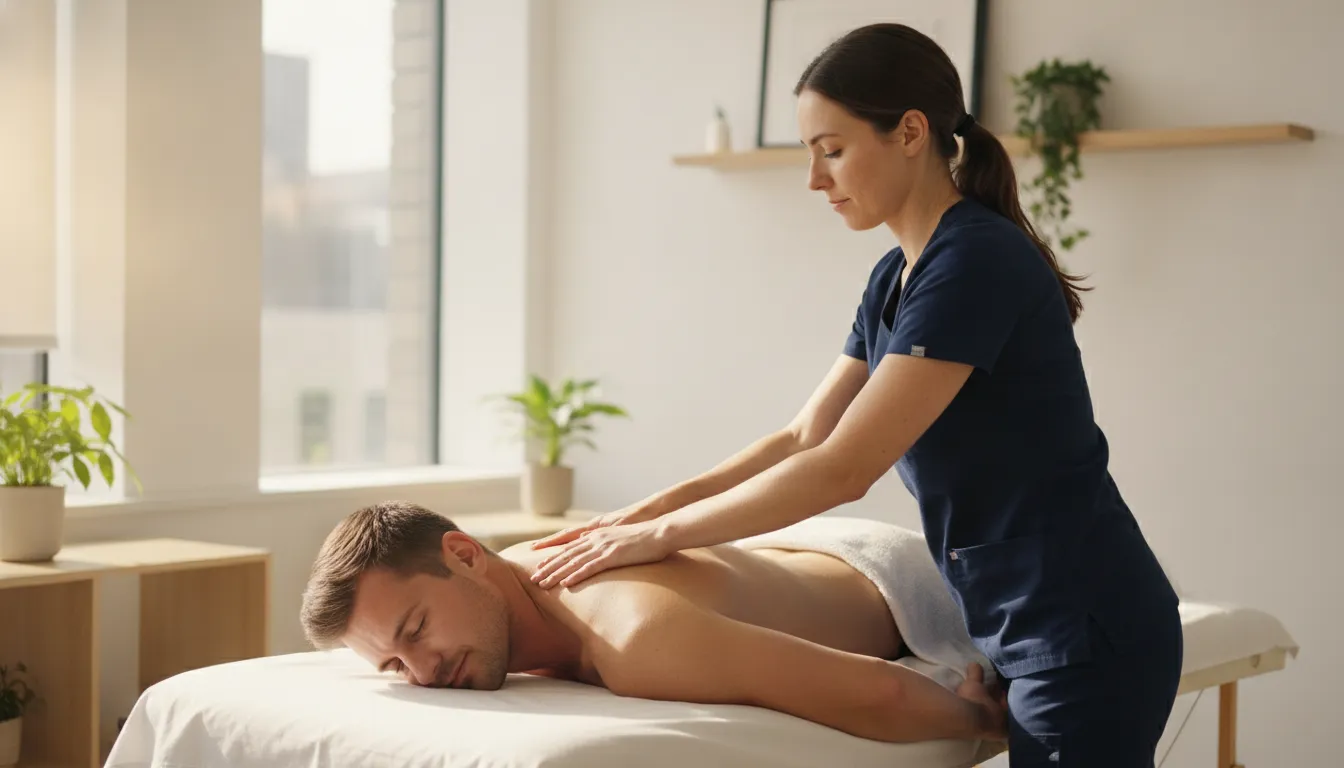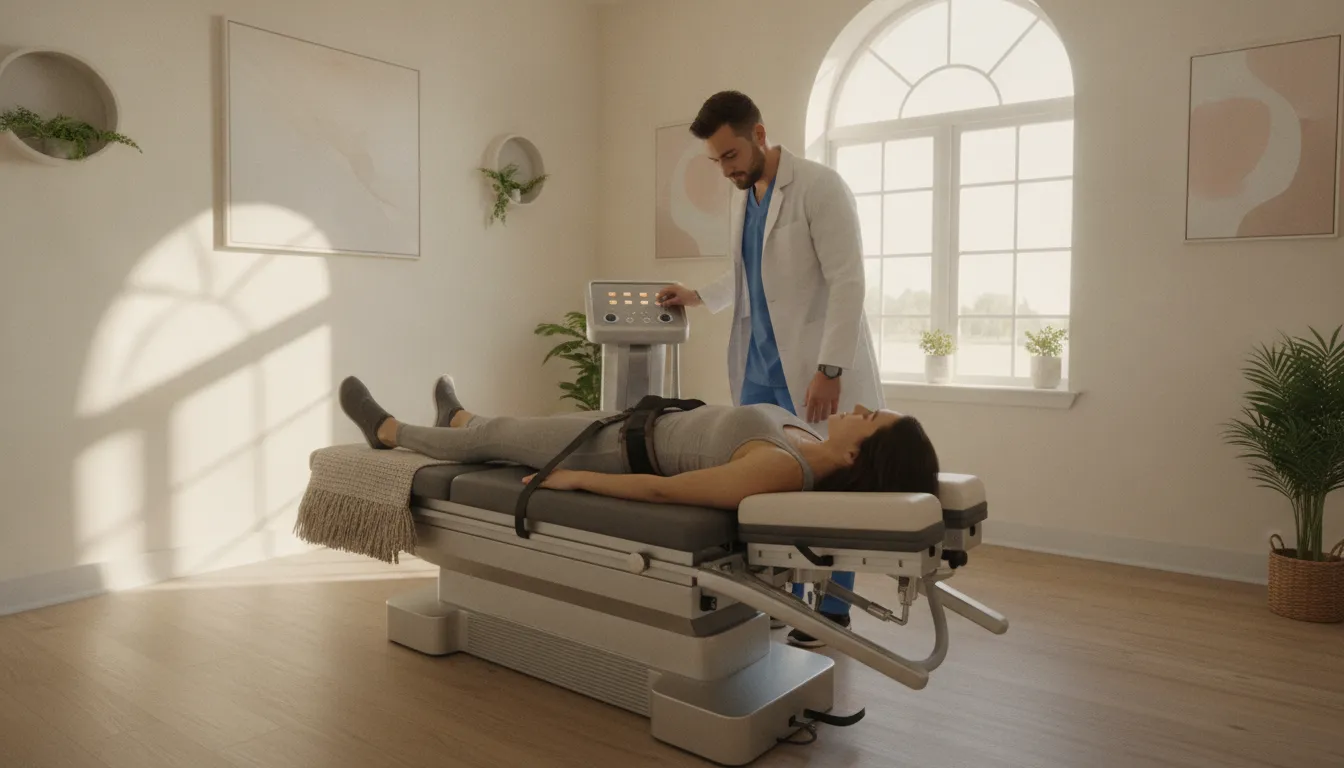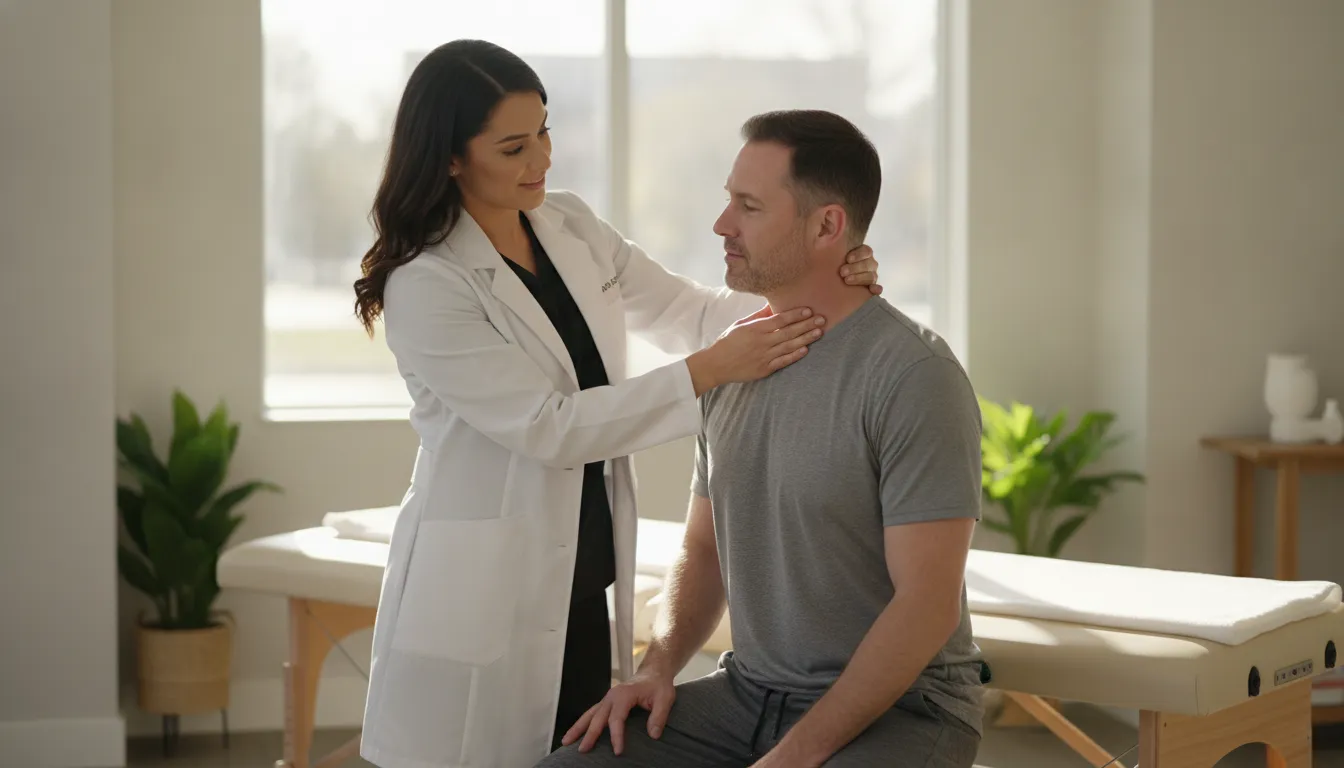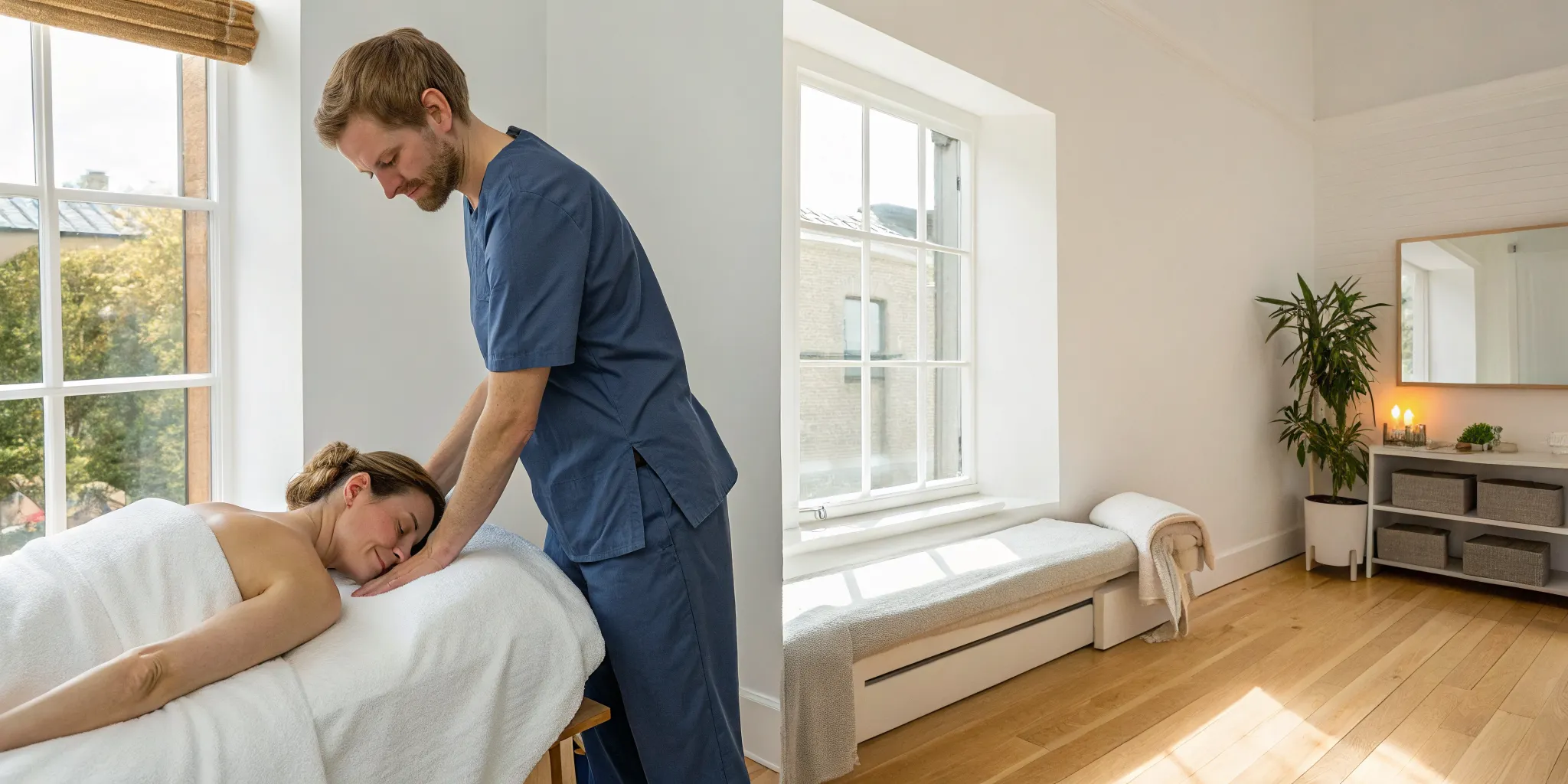
Think of your chiropractic adjustment as the main event. The question is, what’s the best opening act or encore? This is the heart of the debate over getting a massage before or after chiropractic adjustment. Scheduling a massage beforehand is like a warm-up, loosening tight muscles so your body is more receptive to alignment. Scheduling it after is like a cool-down, soothing the area and helping your body settle into its new, healthier position. Neither is wrong, but one might be better for you. We’ll explore both sides to help you decide which sequence best supports your body and your health goals.
Key Takeaways
- Prepare Your Body with a Pre-Adjustment Massage: This approach relaxes tight muscles, making your body more receptive to treatment and helping your chiropractor achieve a more effective alignment.
- Lock in Results with a Post-Adjustment Massage: Following up with a massage can help your body hold its new alignment, soothe any soreness, and encourage a smoother recovery process.
- Customize Your Sequence for the Best Outcome: The ideal order is personal; assess your symptoms, consider your goals, and talk with your practitioner to create a treatment plan that is tailored to your specific needs.
Massage Before Your Adjustment: What Are the Perks?
If you’re combining massage with chiropractic care, you might wonder which should come first. While there are benefits to both sequences, scheduling your massage before your adjustment can be a game-changer for your treatment. Think of it as a warm-up for your body. This approach helps relax your muscles and mind, setting the stage for a more effective and comfortable chiropractic session. By preparing your body in this way, you allow your practitioner to address spinal alignment more directly, helping you get the most out of your visit. Let’s explore the specific perks of this popular pairing.
Prepares Your Muscles for Treatment
Getting a massage before your adjustment is like stretching before a run; it properly prepares your body for the work ahead. When your muscles are tight and stiff, they can stubbornly pull your joints and spine out of place. A pre-adjustment massage focuses on releasing this tension, warming up the soft tissues surrounding your spine. This process helps to break down old, improper muscle memory patterns that often contribute to poor posture and chronic discomfort. By loosening these muscles first, you’re not just getting a relaxing treatment. You’re making the subsequent chiropractic adjustment smoother and more targeted, allowing for deeper, more effective results from your physical medicine plan.
Allows for a More Effective Adjustment
When your muscles are relaxed and pliable, your chiropractor can perform adjustments with greater ease and precision. Tense muscles can resist the gentle force used during an adjustment, making it harder to restore proper alignment to your spine and joints. By having a massage first, you reduce this muscular resistance. This allows your body to be more receptive to the treatment, which can lead to a more significant and lasting correction. This powerful combination of massage and chiropractic care is a perfect example of an integrated approach to wellness, where different therapies work together to enhance your body's natural healing capabilities and improve your overall health outcomes.
Eases Discomfort and Calms Nerves
Let’s be honest, visiting any practitioner can sometimes feel a little intimidating, especially if you're dealing with significant pain. A massage before your adjustment can work wonders for your peace of mind. The calming environment and soothing touch help lower stress and anxiety, putting you in a relaxed state both mentally and physically. This is particularly helpful if you tend to tense up during treatments. When your body and mind are at ease, you’re less likely to guard against the adjustment, making the entire experience more comfortable and pleasant. This helps your practitioner effectively address the root of issues like headaches or back pain without added tension.
What About a Massage After Your Adjustment?
On the flip side, scheduling your massage for after your chiropractic adjustment is another popular and effective approach. Think of it as the perfect follow-up to your treatment. While a pre-adjustment massage gets your body ready for change, a post-adjustment massage helps your body settle into and maintain that change. It’s all about locking in the benefits of the adjustment and encouraging a smoother, more comfortable recovery.
This sequence can be particularly helpful if you tend to feel a little sore or tight after an adjustment. The massage works to soothe any residual tension, calm the nervous system, and support the structural corrections that were just made. By addressing the muscles immediately after the joints have been realigned, you’re creating a more harmonious state in your body, allowing both the muscular and skeletal systems to work together. Let’s look at a few key reasons why this order might be the right choice for you.
Helps Your Alignment Hold Longer
One of the biggest benefits of a post-adjustment massage is its ability to help your body maintain its new alignment. After a chiropractic adjustment, your joints are in a better position, but your muscles, which have grown accustomed to their old patterns, can sometimes pull those joints back out of place. A massage helps to relax these tight muscles and release tension, making them less likely to resist the new alignment. By calming the surrounding soft tissues, you give your body a better chance to adapt to and hold the correction, extending the positive effects of your physical medicine treatment.
Supports the Healing Process
A massage after your adjustment can also give your body’s natural healing process a significant hand. The manipulation of soft tissue during a massage improves circulation, which is essential for recovery. This increased blood flow delivers more oxygen and vital nutrients to your muscles and connective tissues, helping to repair any micro-trauma and reduce inflammation. It’s like ensuring a steady supply line of resources gets to the areas that need it most. This boost in circulation not only helps you feel better sooner but also supports the long-term health of your tissues as they adapt to proper alignment.
Soothes Post-Adjustment Soreness
It’s not uncommon to feel a bit of soreness after a chiropractic adjustment, especially if your body is new to the process. Your muscles and joints are adapting to a new position, which can cause some temporary discomfort. Following up with a massage is a fantastic way to soothe this soreness. The massage helps to flush out metabolic waste from the muscle tissues and calm irritated nerves, providing a sense of relief and relaxation. This can make your post-adjustment experience much more comfortable and is especially beneficial for anyone dealing with the chronic aches and pains associated with the conditions we treat.
Does the Order Really Matter?
So, you’re ready to combine massage and chiropractic care, but you’re stuck on one question: which comes first? It’s a common query, and the answer isn’t always the same for everyone. The truth is, the ideal sequence depends entirely on your body, your symptoms, and your wellness goals. Think of it less as a strict rule and more as a strategic choice to get the most out of your treatments. Let’s walk through how to figure out the best order for you.
The "Why" Behind Treatment Sequencing
To understand the best order, it helps to know what each treatment does. Massage therapy focuses on your soft tissues, like muscles, tendons, and ligaments. It’s fantastic for releasing tension, improving circulation, and soothing soreness. On the other hand, chiropractic adjustments focus on your hard tissues, specifically the joints of your spine and extremities. An adjustment corrects misalignments, restores proper motion, and improves nervous system function.
While they work on different parts of your body, their effects are deeply connected. Tense muscles can pull joints out of alignment, and misaligned joints can cause muscles to tighten up in response. By addressing both, you’re tackling the problem from two angles for more complete and lasting results. Our approach to physical medicine recognizes this powerful synergy.
Factors to Consider When Scheduling
There’s no single "right" answer for when to schedule your massage. The best timing really comes down to your unique situation. What are you hoping to achieve with your session? Are you dealing with chronic muscle tightness that makes you feel stiff as a board, or is your main concern that your adjustments don't seem to last as long as you'd like?
Your body’s specific needs are the most important factor. Someone with long-standing postural issues might benefit from a different sequence than someone recovering from a recent strain. The key is to listen to your body and communicate with your practitioner. Being open about your symptoms and goals will help create a treatment plan that feels supportive and effective for you.
Before vs. After: Which Is for You?
Getting a massage before your adjustment can be a game-changer if you have very tight muscles. When your muscles are tense, they can resist the adjustment, making it harder for your chiropractor to do their work effectively. A pre-adjustment massage helps relax those muscles, essentially prepping your body for treatment. This can lead to a smoother, more comfortable, and more effective adjustment because your joints are more receptive to movement.
On the flip side, a massage after your adjustment is great for helping the benefits stick. Once your joints are properly aligned, a massage can soothe any residual soreness and relax the surrounding muscles. This helps your body adapt to its new, correct position and can extend the positive effects of your adjustment. It encourages your muscles to let go of old holding patterns, supporting longer-lasting alignment and relief.
Combining Both for the Best Results
Ultimately, the goal is to use both therapies to support your body’s healing process. Combining massage and chiropractic care is a powerful way to manage pain, improve mobility, and enhance your overall well-being. The two treatments work together to break the cycle of pain and tension, where tight muscles affect joint alignment and vice versa. By addressing both, you create a positive feedback loop that promotes healing.
If you’re still unsure which order is best, that’s completely okay. The most important step is to have a conversation. When you work with our team, we can discuss your symptoms and goals to determine the most effective sequence for your body. This collaborative approach ensures your care is tailored specifically to you.
How to Decide What's Right for You
So, what’s the final verdict? The truth is, there isn’t a one-size-fits-all answer. The best choice for you depends entirely on your body, your symptoms, and what you hope to accomplish with your treatment. Think of it less as a strict rule and more as a strategy you can tailor to your needs. By considering a few key factors, you can work with your care team to create a sequence that gives you the best possible results. Let’s walk through how you can determine the right order for your appointments.
Assess Your Current Symptoms
Start by checking in with your body. Are your muscles feeling exceptionally tight, stiff, or full of knots? If you’re dealing with significant muscle tension, getting a massage before your adjustment can be incredibly helpful. This approach helps relax your muscles, making it easier for your chiropractor to perform an effective adjustment. When your muscles are less resistant, your body is more receptive to the alignment. This is especially true if your tension stems from long-term postural issues. Easing that muscle memory first can pave the way for a more productive and comfortable chiropractic session.
Listen to Your Body and Goals
What are you hoping to get out of your treatment? Your personal health goals play a huge role in deciding the best order. If your primary aim is to prepare your body for a smoother adjustment and address deep-seated muscle tightness, a pre-adjustment massage is likely your best bet. However, if your goal is to prolong the effects of your alignment, reduce any post-adjustment soreness, and support your body’s healing process, scheduling your massage after your chiropractic care might be more beneficial. The right sequence really depends on what your body needs and what you want to achieve on any given day.
Talk with Your Practitioner
When in doubt, ask the experts. Your chiropractor and massage therapist are your best resources for creating an effective treatment plan. They have a deep understanding of your health history and specific needs. Be open with them about your symptoms, your goals, and how you’re feeling. A quick conversation can provide incredible clarity. At Ascend Functional Health, our team is dedicated to a personalized approach, and we can help you determine the ideal sequence to support your unique journey toward wellness. Don't hesitate to ask us which order we recommend for you.
Create Your Ideal Treatment Plan
Ultimately, the goal is to build a treatment plan that feels right for you. Combining massage with chiropractic care is a powerful way to manage pain, improve mobility, and enhance your overall quality of life. Your ideal plan might even change over time. You might find that a pre-adjustment massage works best when you’re feeling particularly tense, while a post-adjustment massage is perfect for maintenance. By assessing your symptoms and communicating with your practitioner, you can co-create a flexible and effective plan. This collaborative approach is central to our physical medicine services and ensures your care is always aligned with your needs.
Related Articles
- Chiropractic Care: Everything You Need to Know
- Chiropractic Treatment for Migraines: What to Know
- How a Chiropractor Helps Neck Pain and Headaches
Frequently Asked Questions
Is it better to get a massage before or after my adjustment? There isn't one single "best" answer, as it really depends on your body's needs for that specific visit. A massage before your adjustment acts like a warm-up, relaxing tight muscles so your body is more receptive to the chiropractic work. A massage after can help soothe any soreness and support your muscles as they adapt to the new alignment, helping the benefits last longer.
How do I know which order is right for me? A great way to decide is by considering your main complaint. If you feel incredibly stiff and your muscles are full of knots, starting with a massage can make the subsequent adjustment more comfortable and effective. If you feel like your adjustments don't hold as long as you'd like, a post-adjustment massage can help your muscles relax and accept the new alignment. The best first step is always to discuss your symptoms and goals with your practitioner.
If I get a massage after my adjustment, will it move my joints out of place again? This is a common concern, but you can rest easy. A therapeutic massage after an adjustment actually helps secure the work that was just done. It relaxes the surrounding muscles, making them less likely to pull your joints back into their old, improper positions. Think of it as encouraging your muscular system to accept and support the new, healthier alignment of your skeletal system.
I'm new to combining treatments. Should I expect to be sore? You might experience some mild soreness, and that's a completely normal part of the process. When your body is adjusted, your joints and muscles are learning to function in a new, better position. This adaptation can sometimes cause temporary tenderness, similar to how you might feel after a new workout. A post-adjustment massage can often help minimize this, and any soreness typically fades quickly.
Why is combining massage and chiropractic care more effective than just doing one? Combining these therapies allows you to address a problem from two different angles for a more complete solution. Your muscles and joints are a team; if one is struggling, it affects the other. Chiropractic care focuses on the structure and alignment of your joints, while massage focuses on the health of the muscles and soft tissues that support them. By treating both, you help break the cycle of pain and tension, leading to more significant and longer-lasting results.