The thought of back surgery can be overwhelming, with its long recovery times and potential risks. For many people suffering from chronic disc issues or sciatica, it can feel like the only option left. However, there is a powerful, non-surgical alternative that has helped countless people avoid the operating room. Lumbar decompression therapy is a gentle, non-invasive treatment that directly targets the compressed discs and pinched nerves causing your pain. By using a specialized table to carefully stretch the spine, this lumbar decompression chiropractic method creates the ideal conditions for your discs to heal naturally, offering a path to lasting relief without a single incision.
Key Takeaways
- Decompression creates space for healing: This therapy gently stretches your spine, relieving pressure on discs and nerves while helping draw in the oxygen and nutrients needed for natural repair.
- It’s designed for specific types of back pain: Lumbar decompression is a highly effective, non-surgical option if your pain is caused by conditions like herniated discs, sciatica, or spinal stenosis.
- Lasting relief is a gradual process: A full treatment plan involves a series of comfortable sessions over several weeks, giving your body the consistent support it needs to address the root cause of pain.
What is Lumbar Decompression Therapy?
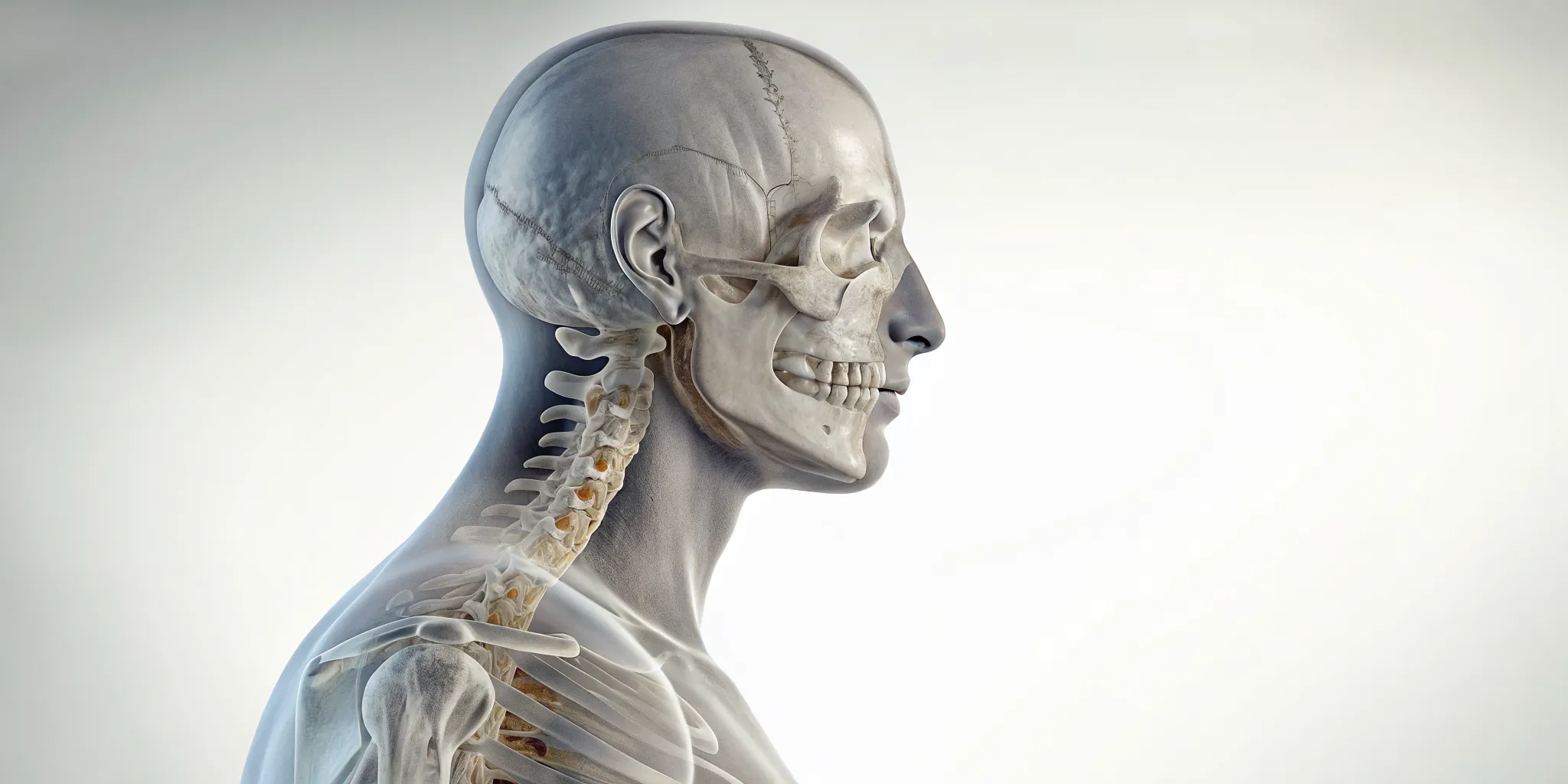
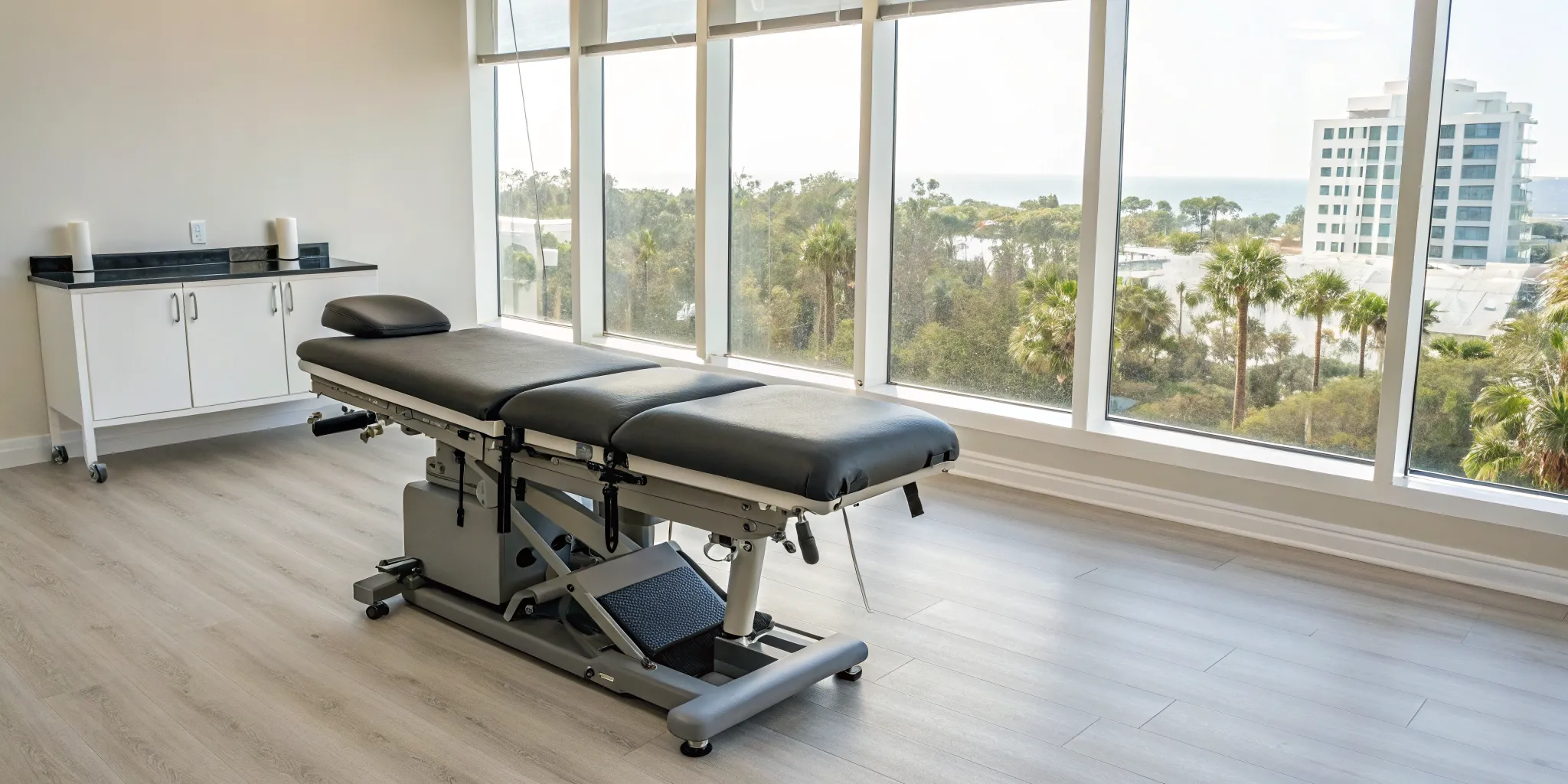
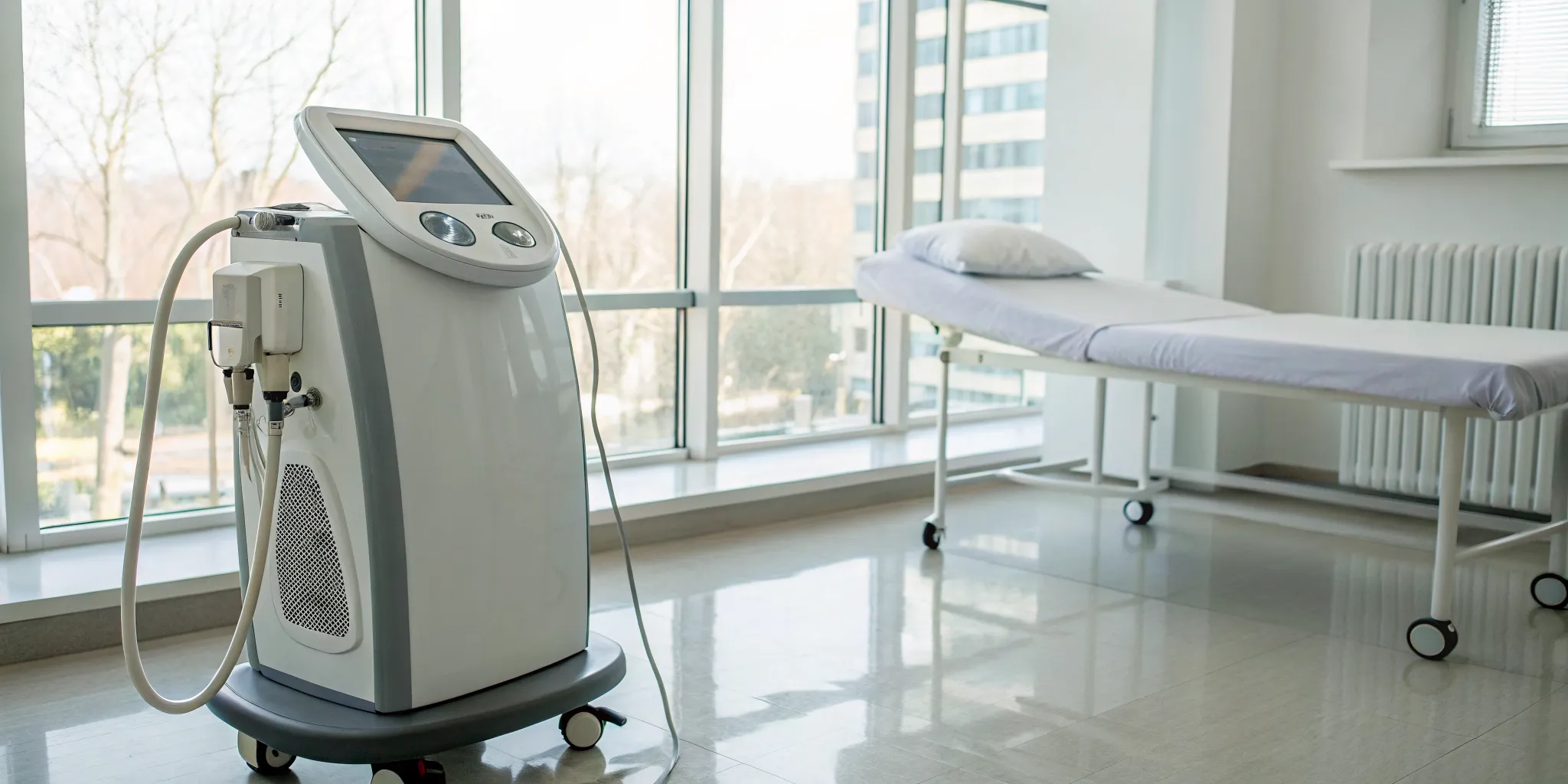
If you’re dealing with persistent lower back pain, you’ve likely explored a few different treatment options. One effective, non-surgical approach is lumbar decompression therapy. In simple terms, it’s a treatment that uses a specialized, computer-controlled table to gently stretch the spine. This action takes pressure off your spinal discs, which are the gel-like cushions between the bones of your spine. Think of it as creating space in your lower back, allowing everything to settle back into a more comfortable and natural position. Many people find the process to be quite relaxing as the table does its work.
This therapy is a key part of our Physical Medicine services because it directly addresses the mechanical source of pain without invasive procedures. The technology allows us to apply a precise and gentle distraction force, isolating specific spinal segments in a way older traction methods couldn't. The goal is to create an environment where the discs can heal and nerve pressure can be reduced. For many of our patients in Tampa, it's been a game-changer, offering a path away from chronic pain without resorting to medication or surgery. It’s a foundational treatment for restoring function and improving your quality of life, helping you get back to the activities you love.
The Science Behind the Relief
The effectiveness of lumbar decompression lies in a simple principle of physics. As the therapy table gently stretches your spine, it creates negative pressure, or a vacuum effect, inside your spinal discs. This subtle force is powerful. It helps pull bulging or herniated disc material back into its proper place, taking pressure off pinched nerves that cause pain. At the same time, this vacuum effect draws in a fresh supply of oxygen, water, and nutrients. This influx is crucial for healing, as it nourishes the discs and helps them repair from the inside out. It’s a targeted approach that supports your body’s innate ability to heal itself, addressing many of the conditions we treat at their source.
How It Differs from a Standard Adjustment
While both are powerful tools for spinal health, lumbar decompression and a standard chiropractic adjustment work in different ways. A chiropractic adjustment involves a specific, controlled force applied to a joint to restore proper motion and alignment. It’s fantastic for addressing joint restrictions and improving overall nervous system function. Decompression therapy, on the other hand, is a slower, sustained process focused on gently stretching the spine to relieve pressure within the discs themselves. Think of it this way: an adjustment focuses on how your vertebrae are moving, while decompression focuses on creating space and healing for the discs between them. They often work beautifully together as part of a comprehensive care plan, which is why we offer a range of services to create the right approach for you.
How Does Lumbar Decompression Work?
If you're picturing an old-school stretching rack, let's clear that image right up. Lumbar decompression is a modern, gentle, and highly specific therapy designed to address the root cause of your lower back pain. Think of it as creating space in your spine. Over time, gravity, posture, and injuries can compress the discs between your vertebrae, leading to pain, pinched nerves, and stiffness. Decompression therapy uses a specialized table to gently and precisely stretch your spine, reversing this compression. This process is controlled and comfortable, targeting the exact areas that need relief. It’s a non-invasive way to help your body heal itself by creating the ideal conditions for your spinal discs to recover.
Relieving Pressure on Your Spinal Discs
The main goal of lumbar decompression is to take pressure off your spinal discs and nerves. When a disc is compressed, it can bulge or even herniate, pressing on nearby nerves and causing pain that can radiate down your legs. Decompression therapy creates a gentle pull on your spine, which increases the space between your vertebrae. This action immediately reduces the pressure on the affected discs. By relieving this constant strain, we can alleviate the pain from conditions like sciatica and bulging discs. It’s a targeted approach that directly addresses the mechanical problem causing your discomfort, offering a path to lasting relief without surgery.
Encouraging Natural Healing and Nutrient Flow
Creating space is just the first step. The gentle stretching during decompression also creates a negative pressure, or a vacuum effect, inside the discs. This is where the real healing begins. This vacuum helps draw bulging or herniated disc material back into its proper place. More importantly, it pulls in a fresh supply of oxygen, water, and other vital nutrients that are essential for disc health. Compressed discs are often starved of these resources, which slows down their ability to repair. By improving this nutrient flow, we support your body’s innate ability to heal and help restore the discs to a healthier, more resilient state.
A Look Inside a Treatment Session
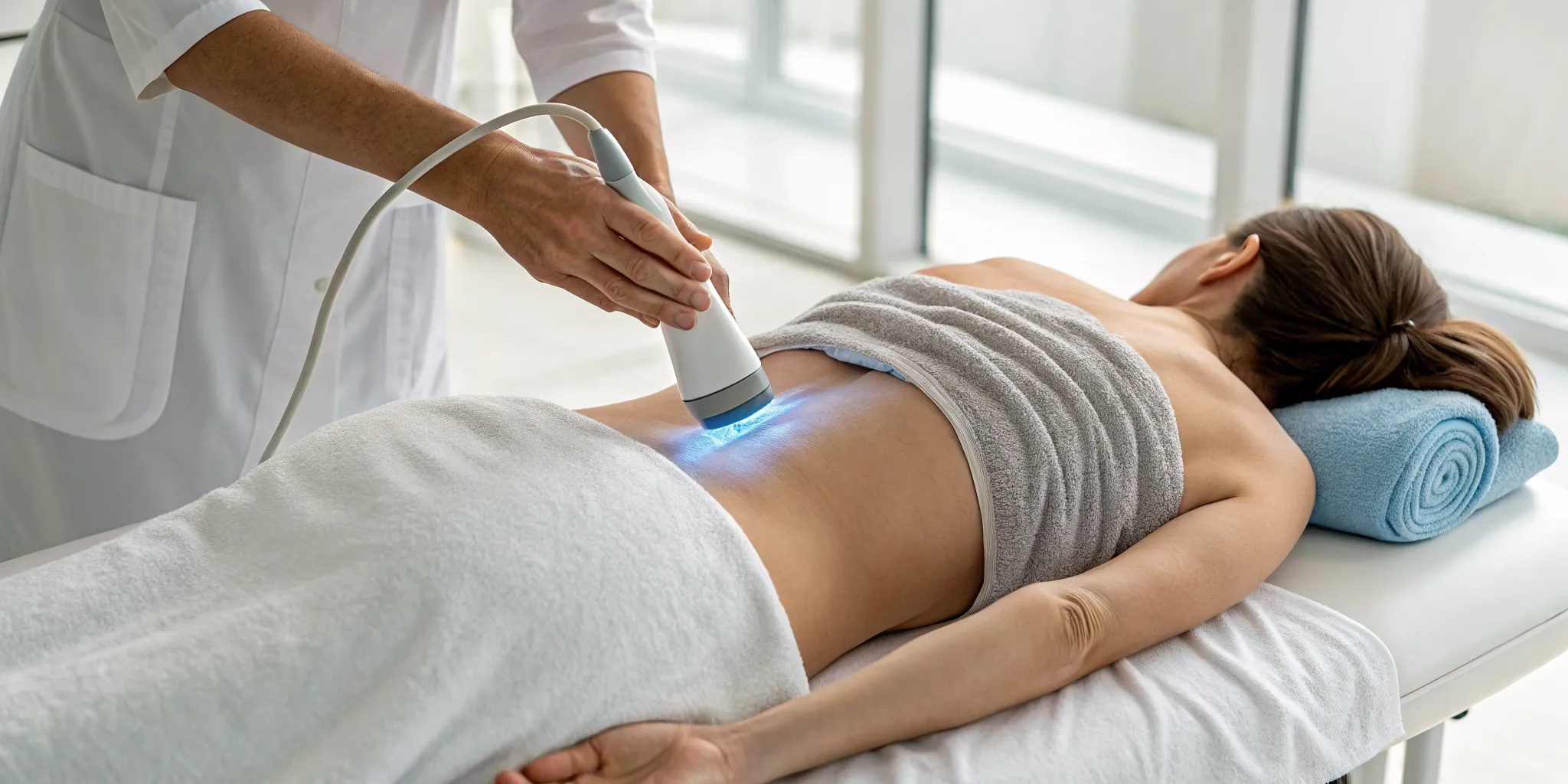
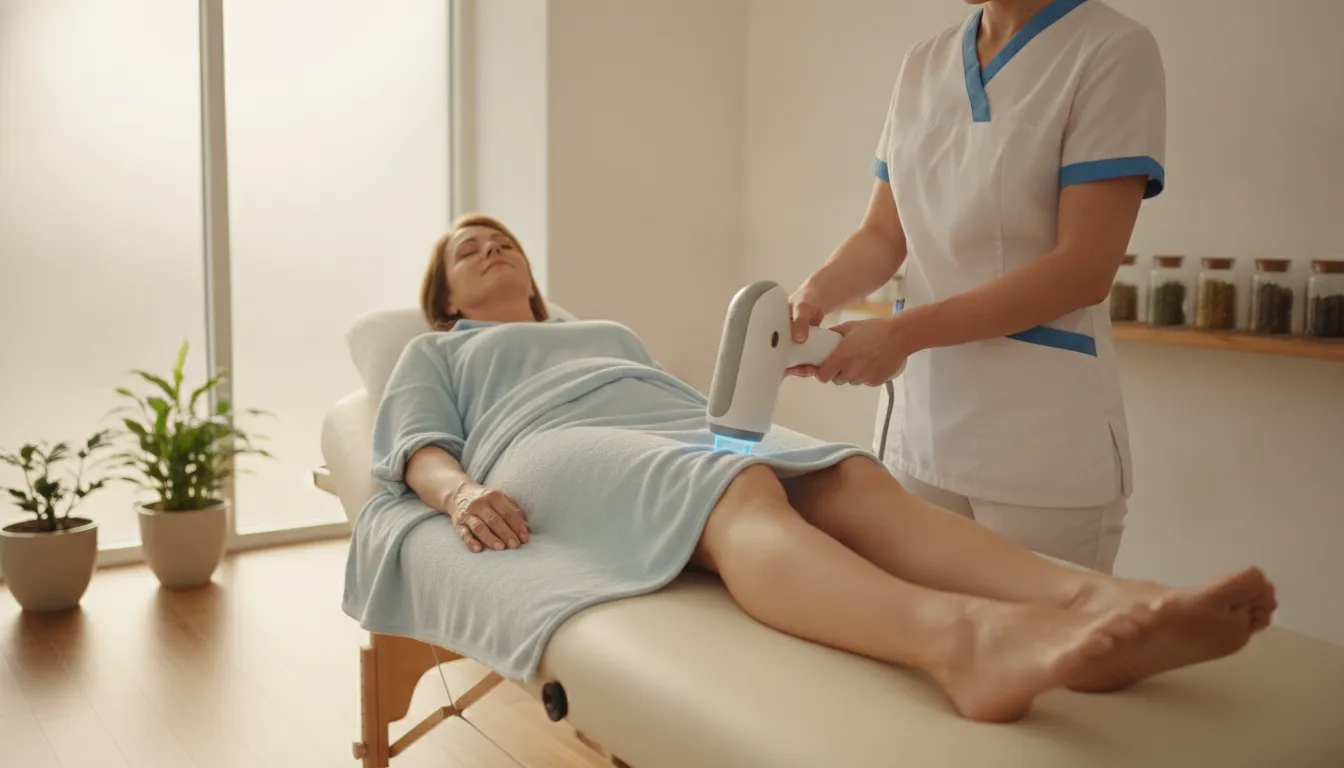
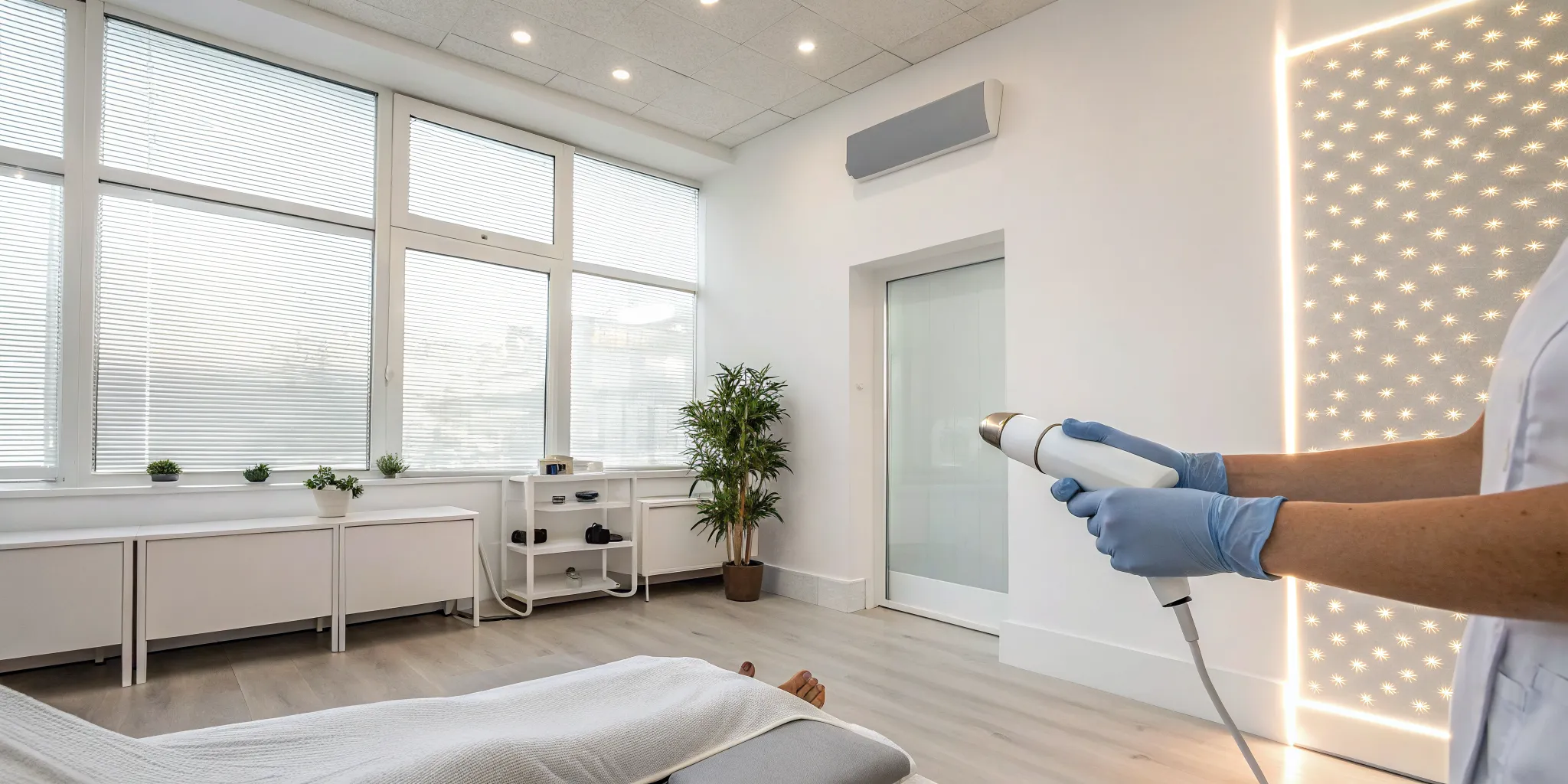
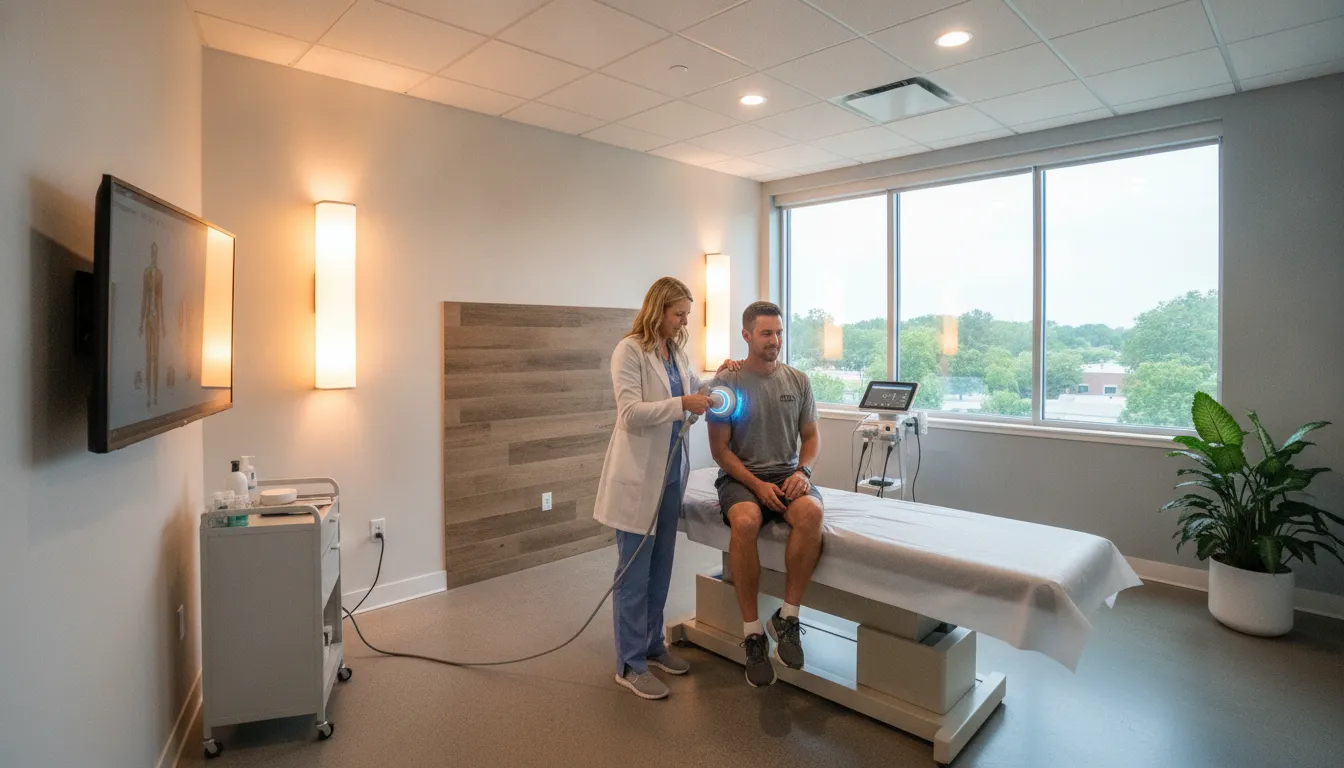
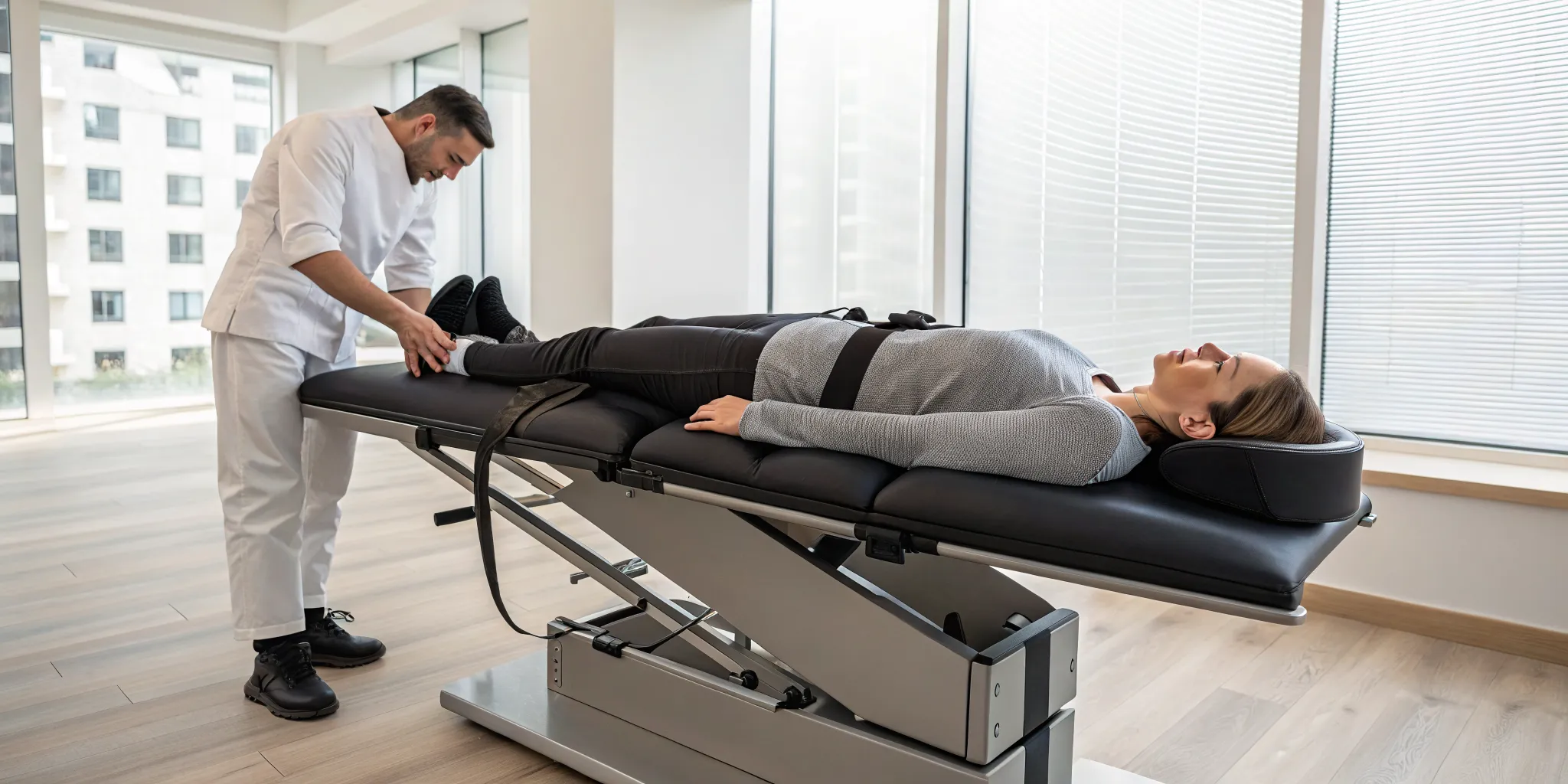
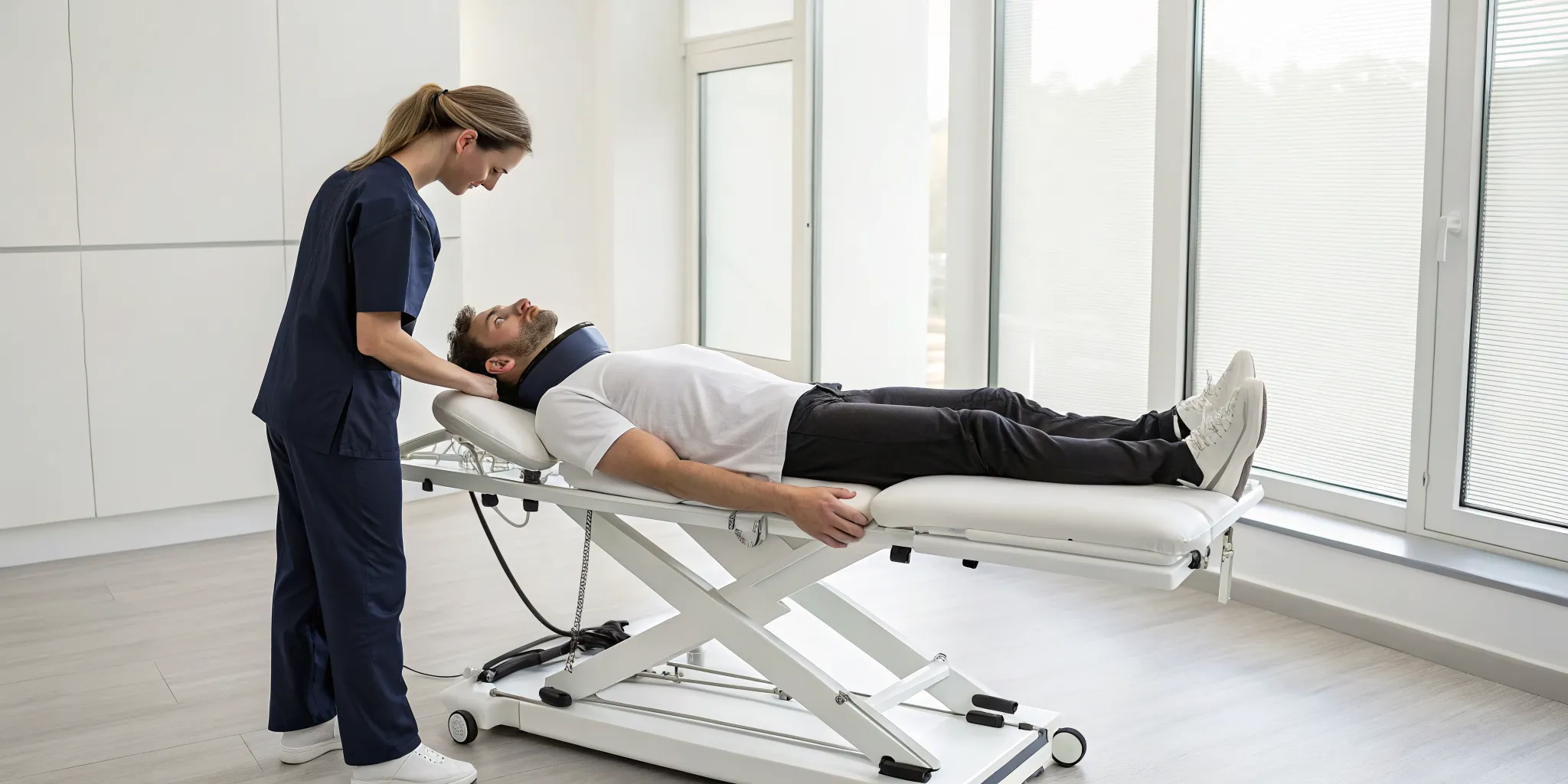
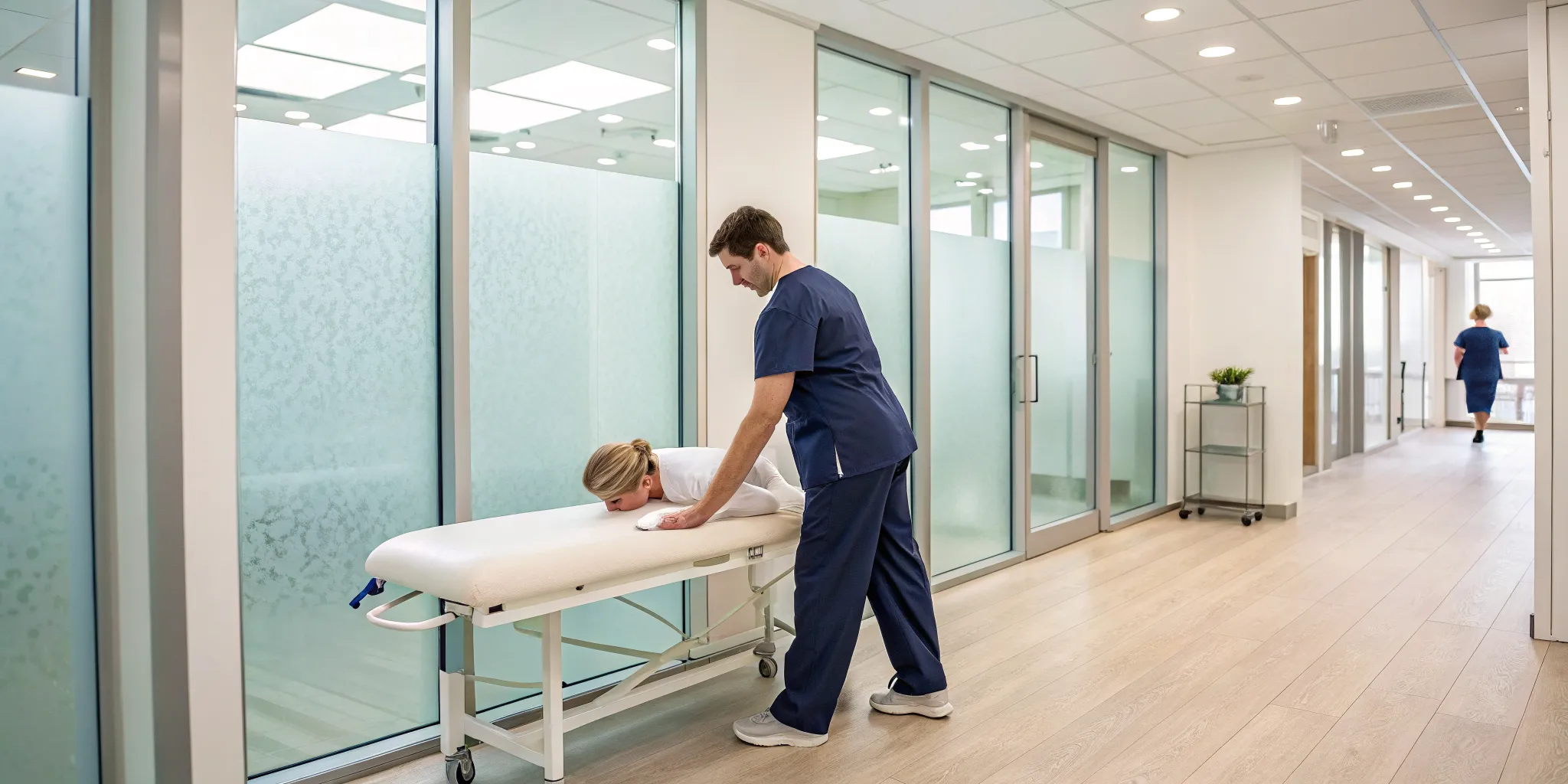
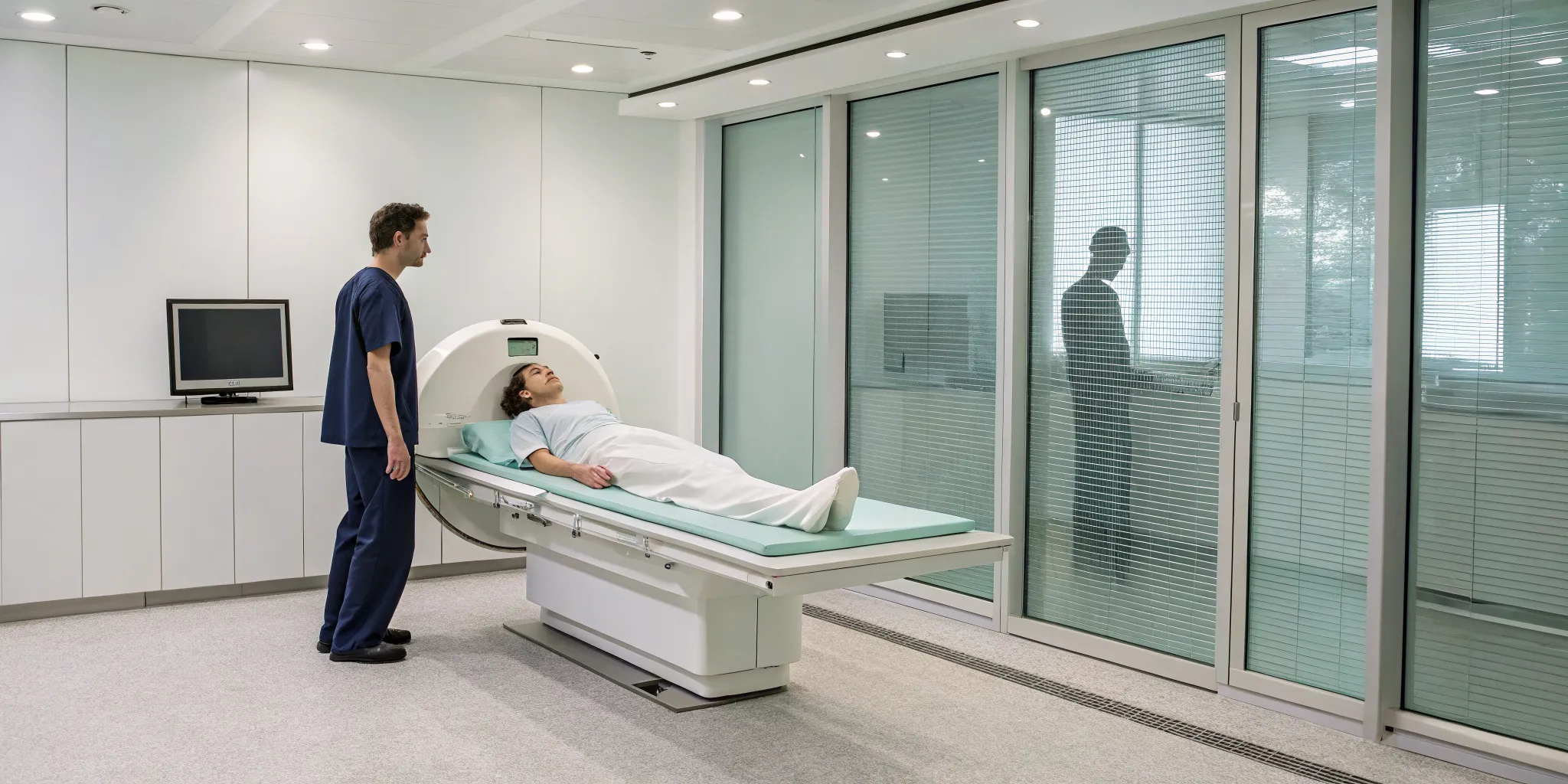
Your comfort is our priority during every session. When you come in for treatment, you’ll lie down on a computer-controlled table, and we’ll fit you with a secure and comfortable harness around your pelvis and torso. The table then moves in a slow, controlled manner to create a gentle stretching sensation in your lower back. You won’t feel any pain; most people describe it as a mild pull or a feeling of lengthening in their spine. The entire process is monitored to ensure it’s perfectly tailored to your needs. Many of our patients find the sessions quite relaxing and look forward to the feeling of relief it provides.
What Conditions Can Decompression Therapy Help?
If you're dealing with persistent back pain, you know it can feel like there's no end in sight. The good news is that lumbar decompression is a targeted therapy that can address the root cause of several common spinal conditions. By gently creating space in the spine, it provides a path to relief for issues ranging from disc problems to nerve pain.
Herniated and Bulging Discs
Think of the discs between your vertebrae as little cushions. When one of these discs herniates or bulges, it can press on surrounding nerves, causing significant pain. Spinal decompression therapy gently stretches the spine, which creates a kind of vacuum effect, or negative pressure, inside the disc. This process can help draw the bulging material back into place, taking pressure off the nerve and allowing the disc to heal. It’s a precise way to address the mechanical problem causing your pain without invasive procedures.
Sciatica and Pinched Nerves
That sharp, shooting pain down your leg known as sciatica, or the tingling and numbness from a pinched nerve, often starts with pressure in your lower back. Decompression therapy directly targets this pressure. As the spine is gently elongated, space is created around the nerves, giving them room to breathe. This can provide immediate relief from the intense pain associated with pinched nerves. By relieving the compression, we’re not just masking the symptoms; we’re helping your body resolve the underlying issue.
Spinal Stenosis and Degenerative Disc Disease
Over time, wear and tear can lead to conditions like spinal stenosis, where the spinal canal narrows, or degenerative disc disease, where the discs lose their height and cushioning. Both can cause chronic pain and limit your mobility. Lumbar decompression is an excellent non-surgical option for managing these issues. The therapy counteracts the effects of gravity and compression that have built up over years. By creating more space for the nerves and encouraging fluid exchange within the discs, it helps manage pain and improve function. It's a key part of our physical medicine approach to healing.
Is Lumbar Decompression Right for You?
Lumbar decompression can be a game-changer for chronic back pain, but it’s not the right fit for everyone. Understanding if you're a good candidate is the first step toward finding lasting relief. Your specific symptoms, health history, and treatment goals all play a role in determining the best path forward. Let's walk through what makes someone a great candidate for this therapy, important safety factors to keep in mind, and when it might be better to explore other avenues.
Signs You Might Be a Good Candidate
If you're dealing with persistent back, neck, or leg pain that just won't quit, you might be an ideal candidate for lumbar decompression. This non-surgical therapy is designed to gently stretch the spine, taking pressure off your nerves and spinal discs. It’s particularly effective for specific conditions we treat, like sciatica that sends pain shooting down your leg, or the nagging ache of a herniated or bulging disc. People with degenerative disc disease, spinal stenosis, or injured spinal nerve roots often find significant relief through this targeted approach. If you've been searching for a solution that addresses the source of the pain without invasive procedures, decompression therapy is definitely worth discussing.
Key Safety Considerations
Your safety is always the top priority, and while decompression is a gentle therapy, it isn't suitable for every person or condition. We would not recommend this treatment for pregnant women or for individuals with certain spinal issues like fractures, tumors, or metal implants from previous surgeries. It's also important to rule out conditions such as severe osteoporosis, where bones may be too fragile for the gentle stretching involved. Our thorough initial evaluation is designed to make sure this is a safe and effective option for you. If you have any of these conditions or are unsure, the best first step is to schedule a consultation so we can review your health history together.
When to Consider Other Options
It's helpful to think of lumbar decompression as a process, not a quick fix. Lasting relief typically comes from a series of treatments over several weeks, allowing your body to heal gradually. For most people, this commitment pays off. However, if your pain doesn't improve after a full course of therapy, it may be a sign that we need to explore other options. At Ascend Functional Health, we see this as a data point, not a dead end. Our integrated approach means we have many other holistic health solutions to draw from, whether that involves functional medicine, physical therapy, or other longevity treatments to get to the root cause of your discomfort.
What to Expect During Your Treatment Plan
Starting a new treatment can feel like a big step, but knowing what’s ahead can make all the difference. Lumbar decompression therapy is a structured process designed around your specific needs, ensuring you feel comfortable and informed from day one. Our goal is to create a clear, predictable path toward relief. The entire plan is a partnership between you and your doctor, focused on addressing the root cause of your pain, not just masking the symptoms.
From your initial meeting to your final session, we’ll be with you every step of the way. We begin with a thorough evaluation to confirm that decompression is the right choice for you. Then, we’ll create a personalized treatment schedule. Each session builds on the last, gently creating space in your spine to encourage long-term healing. It’s a gradual, non-invasive process that works with your body’s natural ability to repair itself. Let’s walk through what your treatment journey will look like.
Your First Step: The Initial Consultation
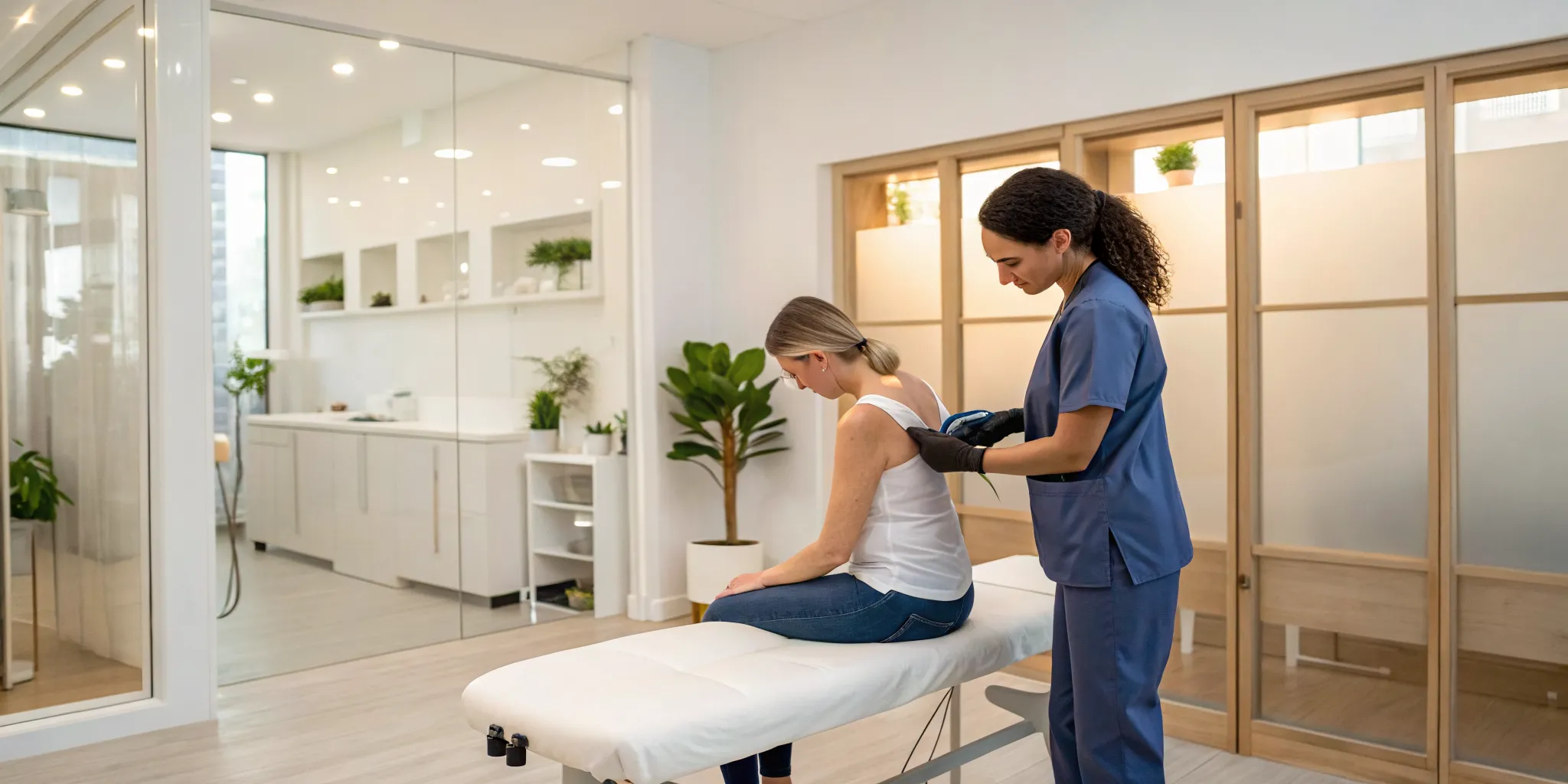
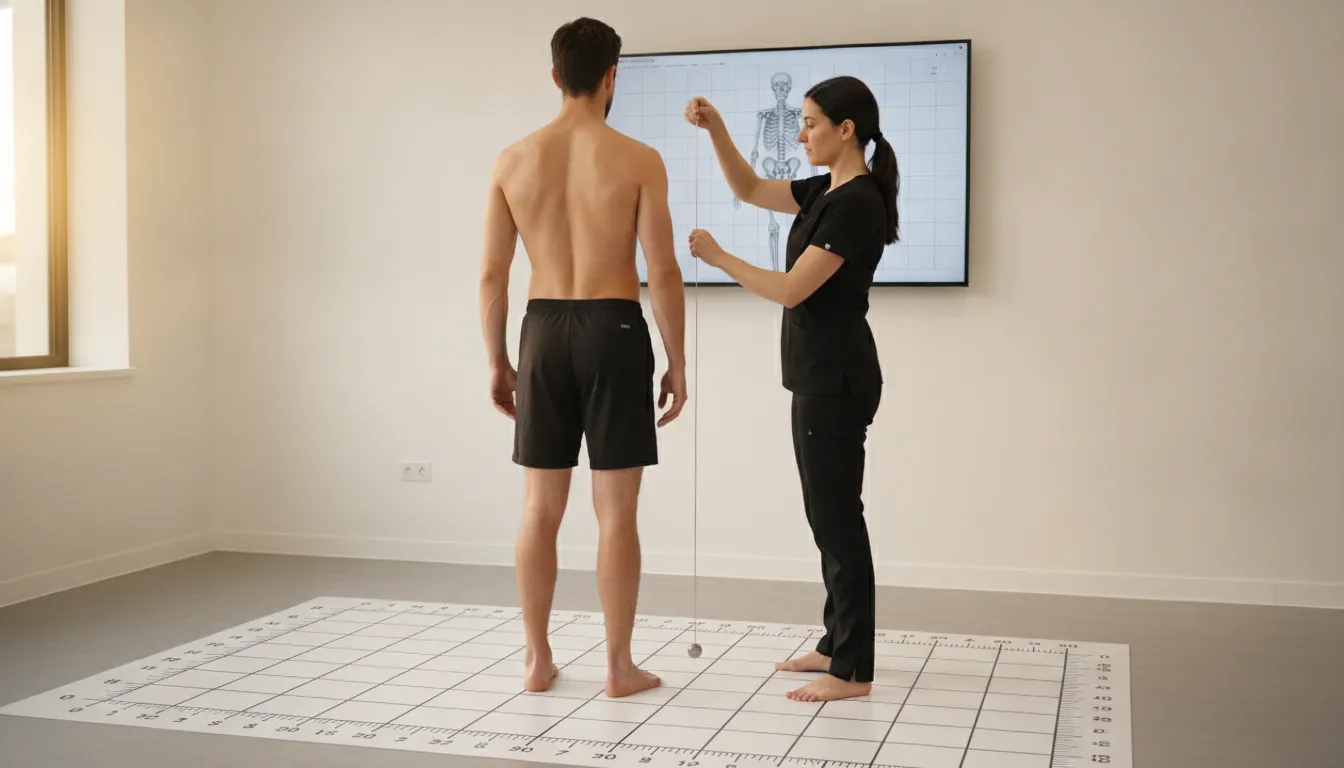
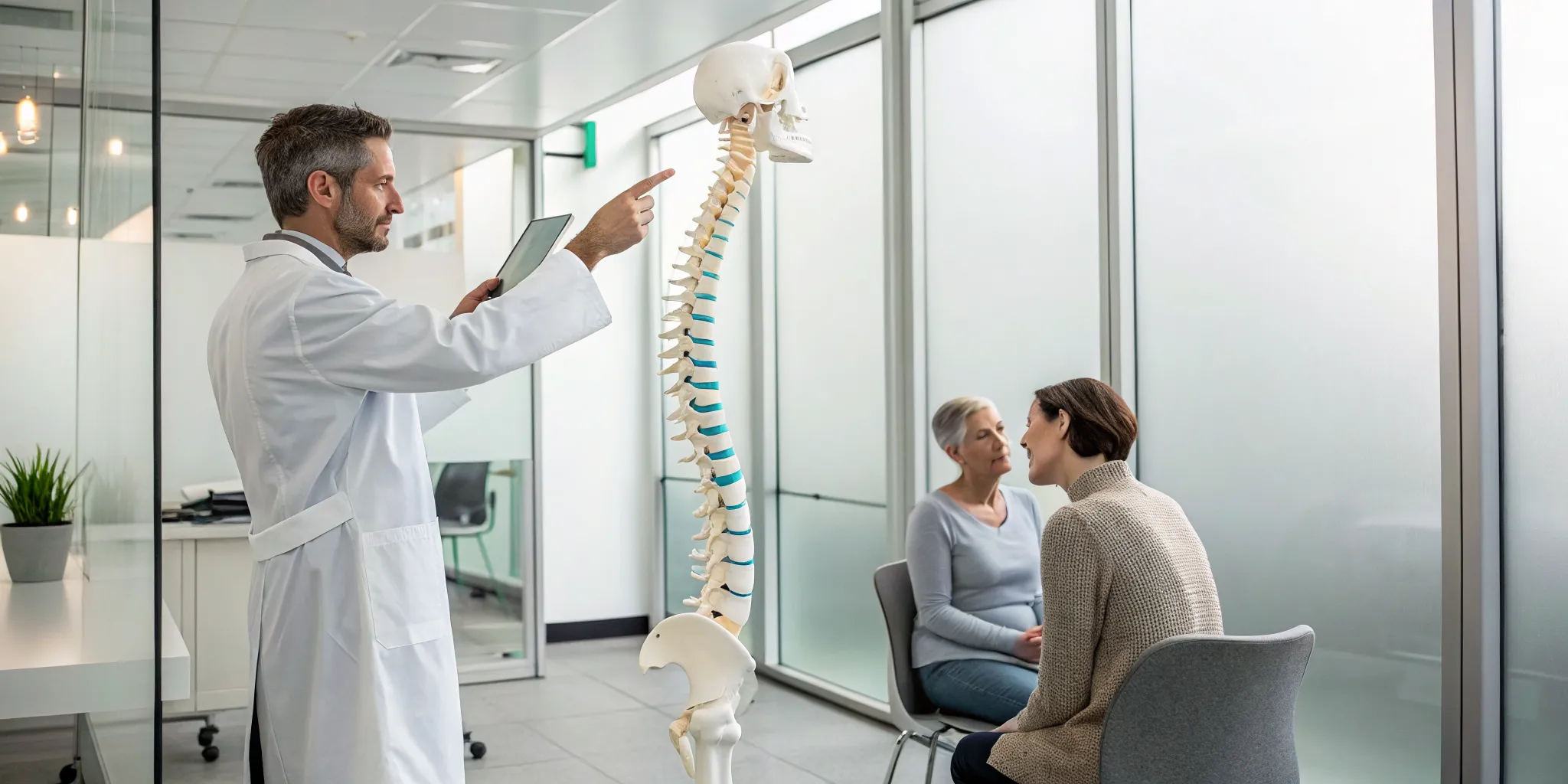
Before we begin any treatment, your journey starts with a one-on-one consultation. This is a crucial first step where we get to know you and your health story. A doctor will carefully review your health history and any existing imaging you have, like X-rays or MRIs. This allows us to understand the specific cause of your discomfort and determine if lumbar decompression is a safe and appropriate therapy for you. This initial meeting is all about making sure we have a complete picture of your health so we can build a treatment plan that’s perfectly tailored to your body and your goals.
Your First Decompression Session
Your first session is designed to be gentle and comfortable. You’ll lie on a specialized, computer-controlled table and wear a soft harness around your pelvis and another around your chest. Once you’re settled, the table’s motor will begin to gently stretch and reposition your spine. You shouldn’t feel any pain. Instead, most people describe the sensation as a light pressure and a subtle pulling. The entire process is controlled and precise, creating negative pressure within your spinal discs to help them retract and heal. It’s a relaxing experience for many patients.
Treatment Frequency and Duration
Lumbar decompression isn’t a one-time fix; it’s a therapeutic process that requires consistency. A typical treatment plan involves a series of sessions to achieve lasting results. Each session usually lasts between 30 and 50 minutes. To get the best results, you might need multiple sessions spread over five to seven weeks. Your doctor will create a specific schedule based on your condition and how your body responds. This steady approach gives your spinal discs the time they need to heal properly, providing a foundation for long-term relief and improved function.
Common Myths vs. Facts
There are a few common misconceptions about spinal decompression, so let’s clear them up. One myth is that the treatment is painful. In reality, spinal decompression is a gentle, non-surgical therapy that uses a controlled pulling force to relieve pressure. Another myth is that it provides an instant cure. While some people feel relief after just one session, true healing takes time. Most people need several sessions over a few weeks to experience significant and lasting results. This therapy is focused on correcting the underlying problem, not just providing a temporary solution.
Decompression Therapy vs. Other Treatments
When you're dealing with persistent back pain, it can feel like you're facing a confusing menu of treatment options. From medication and physical therapy to more invasive procedures, it’s tough to know which path is right for you. Lumbar decompression therapy offers a unique approach that stands apart from many traditional methods. It’s not about masking symptoms or just strengthening the muscles around the problem area. Instead, it directly targets the mechanical issue within your spine: the pressure on your discs and nerves. By understanding how it compares to other treatments, you can make a more informed decision about your health and find a path toward lasting relief.
The Non-Surgical Advantage
The most significant difference between spinal decompression and surgery is that it's a non-surgical treatment. This means no incisions, no anesthesia, and no lengthy hospital stays or recovery periods. Instead of surgically removing or fusing parts of the spine, decompression therapy uses a specialized table to gently and precisely stretch the spine. This process creates negative pressure within the discs, which can help retract bulging or herniated material and take pressure off your nerves. For many people looking for ways to avoid surgery, this non-invasive approach is a major advantage, offering a way to address the root of the pain without the risks and downtime associated with an operation.
How It Compares to Physical Therapy and Medication
Medication can be a helpful tool for managing acute pain, but it often acts as a temporary fix, masking the symptoms without addressing the underlying cause. Physical therapy is an excellent way to build core strength and improve flexibility, which supports spinal health over the long term. Decompression therapy complements these approaches by focusing specifically on the compressed discs. While physical therapy strengthens the muscles around the spine, decompression works to create space within the spine. At Ascend, we often integrate decompression into a broader physical medicine plan that may include chiropractic adjustments and targeted exercises to give you the most comprehensive care possible.
Focusing on Long-Term Healing
The ultimate goal of lumbar decompression isn't just to make you feel better for a few hours or days. The focus is on creating a healing environment within your body for lasting results. By gently decompressing the spine, the therapy helps draw water, oxygen, and nutrient-rich fluids back into the discs, which is essential for them to heal. The goal is not just to relieve pain temporarily, but to help the source of the pain heal. This approach aligns perfectly with functional medicine’s core principle: addressing the root cause of your health concerns rather than just managing the symptoms. It’s about helping your body repair itself for true, long-term relief.
Getting Started at Ascend Functional Health
Taking the first step toward feeling better can feel like a big deal, but we’re here to make it as simple as possible. At Ascend Functional Health, we don’t just look at one symptom; we look at your whole health picture to create a plan that’s just for you. Lumbar decompression is a powerful tool, and it’s even more effective when it’s part of a comprehensive strategy designed to help your body heal from the inside out.
Our approach is built on three pillars: Physical Medicine, Functional Medicine, and Longevity Medicine. This means we combine treatments like spinal decompression with a deeper look into your body’s unique needs. We want to understand the root cause of your pain so we can create lasting relief, not just a temporary fix. Your journey with us starts with a conversation, where we listen to your story and map out a clear path forward together.
Our Integrated Approach to Your Health
When you come to us for lumbar decompression, you’re getting more than just a single treatment. This therapy is a key part of our Physical Medicine services, designed to address the structural source of your pain. As a gentle, non-surgical way to get pain relief, it works by carefully stretching the spine to reduce pressure on your nerves and discs.
We see it as a foundational piece of your personalized healing plan. By creating negative pressure inside the spinal discs, we can help pull bulging or herniated discs back into place and restore your body’s natural balance. Our goal is to combine this effective therapy with other supportive treatments to address all the factors contributing to your discomfort and help you achieve true, long-term wellness.
Discussing Cost and Insurance
We understand that figuring out the cost of care is an important part of your decision. It’s helpful to know that spinal decompression therapy is often a safe and effective choice instead of spinal surgery, which can carry more risks and higher costs. Your treatment plan will be completely customized to you, but a typical course of action involves a series of sessions designed to produce the best results.
Our team will create a specific plan for you based on your condition. Because insurance coverage can vary, the best way to get clear answers is to talk with us directly. We invite you to contact our office so we can discuss your payment options, verify any insurance benefits you may have, and make sure you have all the information you need to move forward with confidence.
Related Articles
- Revitalize Your Spine with Spinal Decompression Therapy in Tampa, FL
- Spinal Decompression Hurts Lower Back: Normal or Not?
- Spinal Decompression Therapy in Tampa, FL - Alessi Functional Health
- Spinal Stenosis of Lumbar Region: Symptoms & Treatment
- Bulging Disc Therapy Treatment: A Complete Guide
Frequently Asked Questions
Is lumbar decompression therapy painful? Not at all. In fact, most people find the sessions to be quite relaxing. The therapy uses a computer-controlled table to apply a very gentle and precise stretching force to your spine. You’ll feel a light pulling sensation as the table works, but it is designed to be comfortable and well below your pain threshold. The goal is to create relief, not cause discomfort.
How is this different from using an inversion table at home? While both use gravity and stretching, lumbar decompression therapy is a much more specific and controlled medical treatment. An inversion table applies a general stretch to your entire spine and body. In contrast, our therapy table is programmed to isolate the exact spinal segment that needs help and applies a precise, calculated force to decompress the disc without causing your muscles to guard or tighten up.
How quickly can I expect to see results? This really depends on your specific condition and how long you've been dealing with the pain. Some people feel a noticeable difference after just a few sessions, while for others, relief is more gradual. The therapy is designed to promote long-term healing, not just provide a quick fix. True and lasting improvement typically occurs over the course of the full treatment plan as your discs heal and inflammation subsides.
Can I receive this therapy if I've had back surgery in the past? This is determined on a case-by-case basis. If your surgery involved metal implants like screws or rods, decompression therapy is generally not recommended for that area of the spine. However, if you did not have instrumentation placed, you may still be a candidate. The best way to know for sure is to schedule a consultation so we can review your surgical history and imaging to determine the safest and most effective path for you.
What happens after my treatment plan is complete? Once you've completed your series of decompression sessions, the goal is to help you maintain your results. Your doctor will likely provide you with a plan that includes specific exercises to strengthen your core and support your spine. Depending on your needs, periodic maintenance care might also be recommended to keep your back healthy and prevent future problems. We focus on giving you the tools to support your long-term well-being.