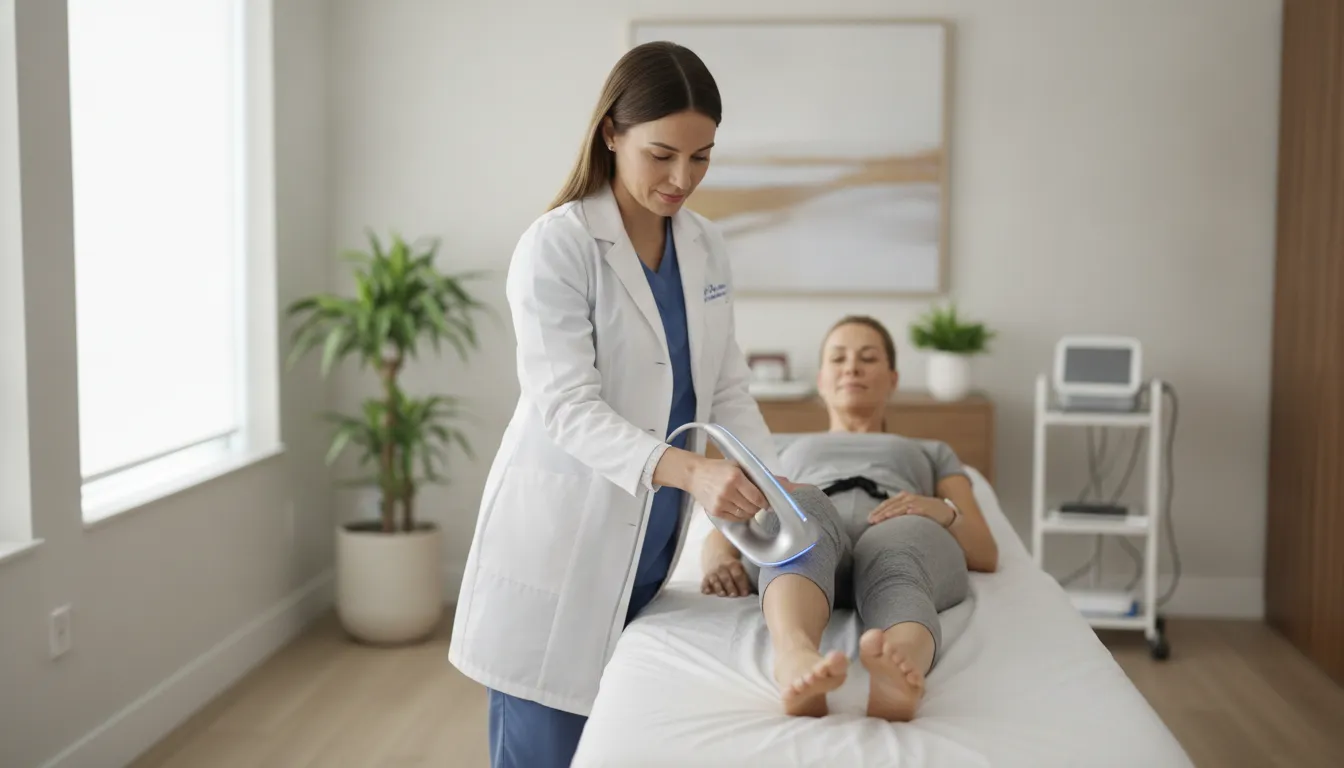
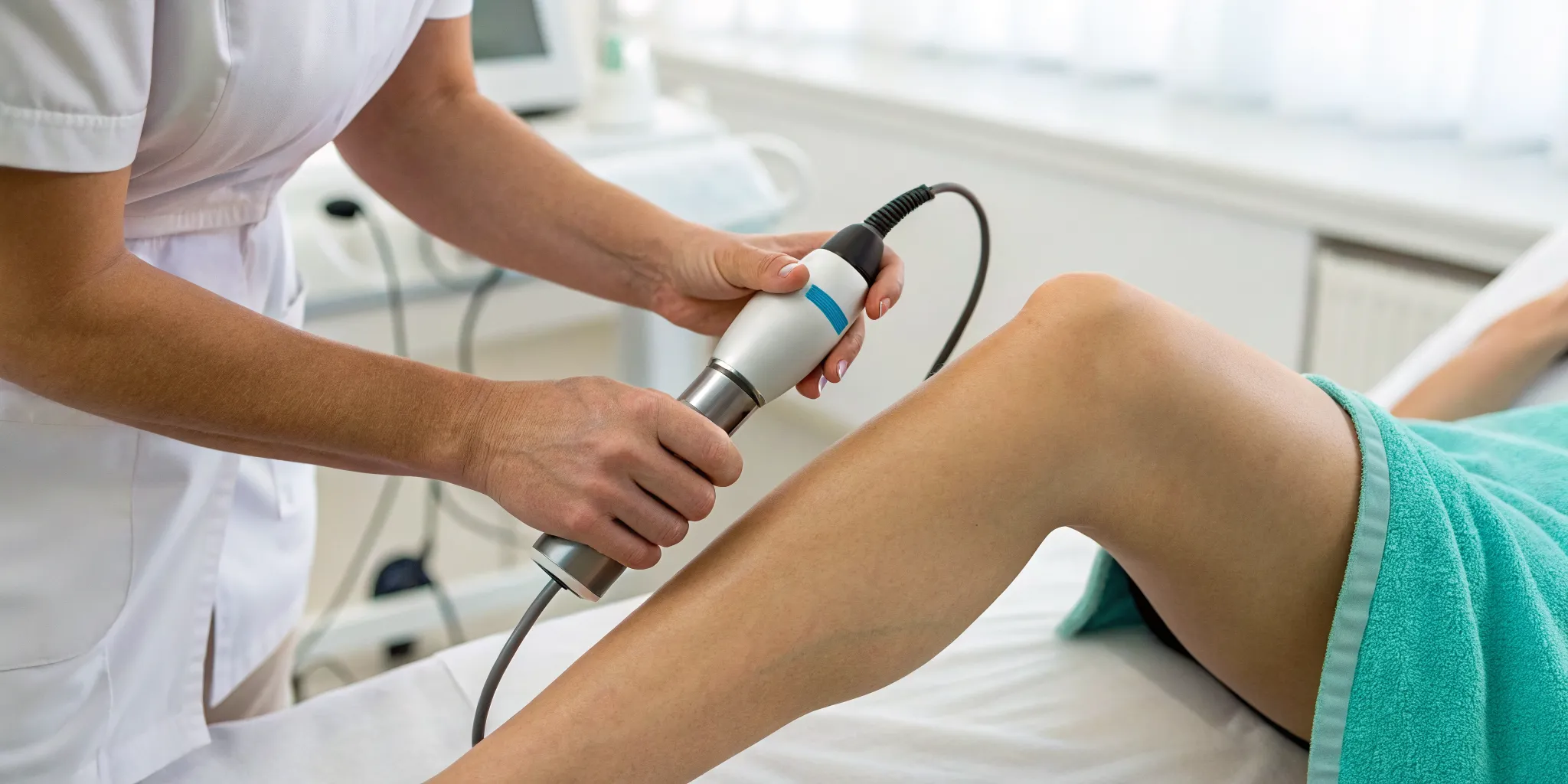
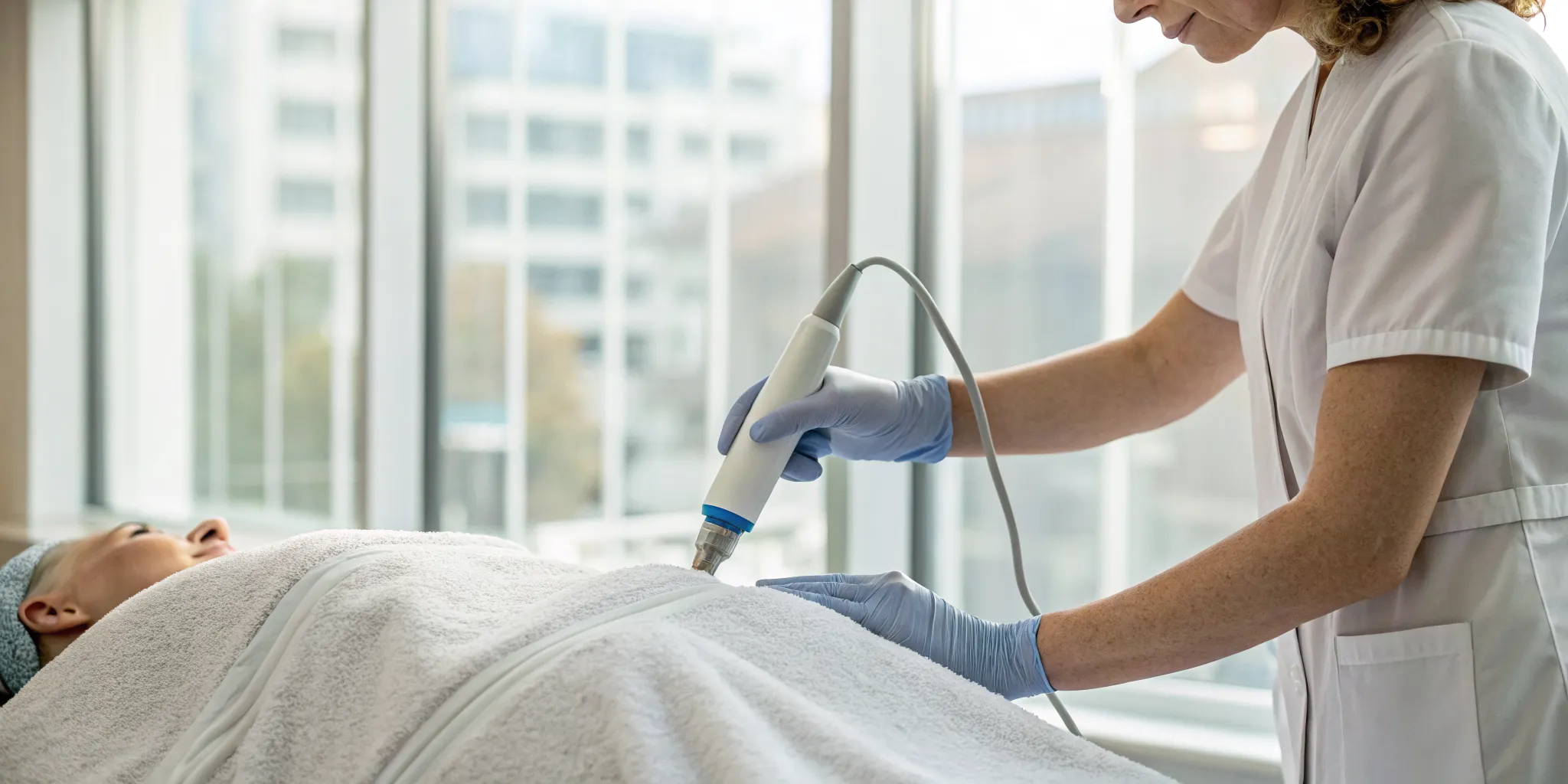
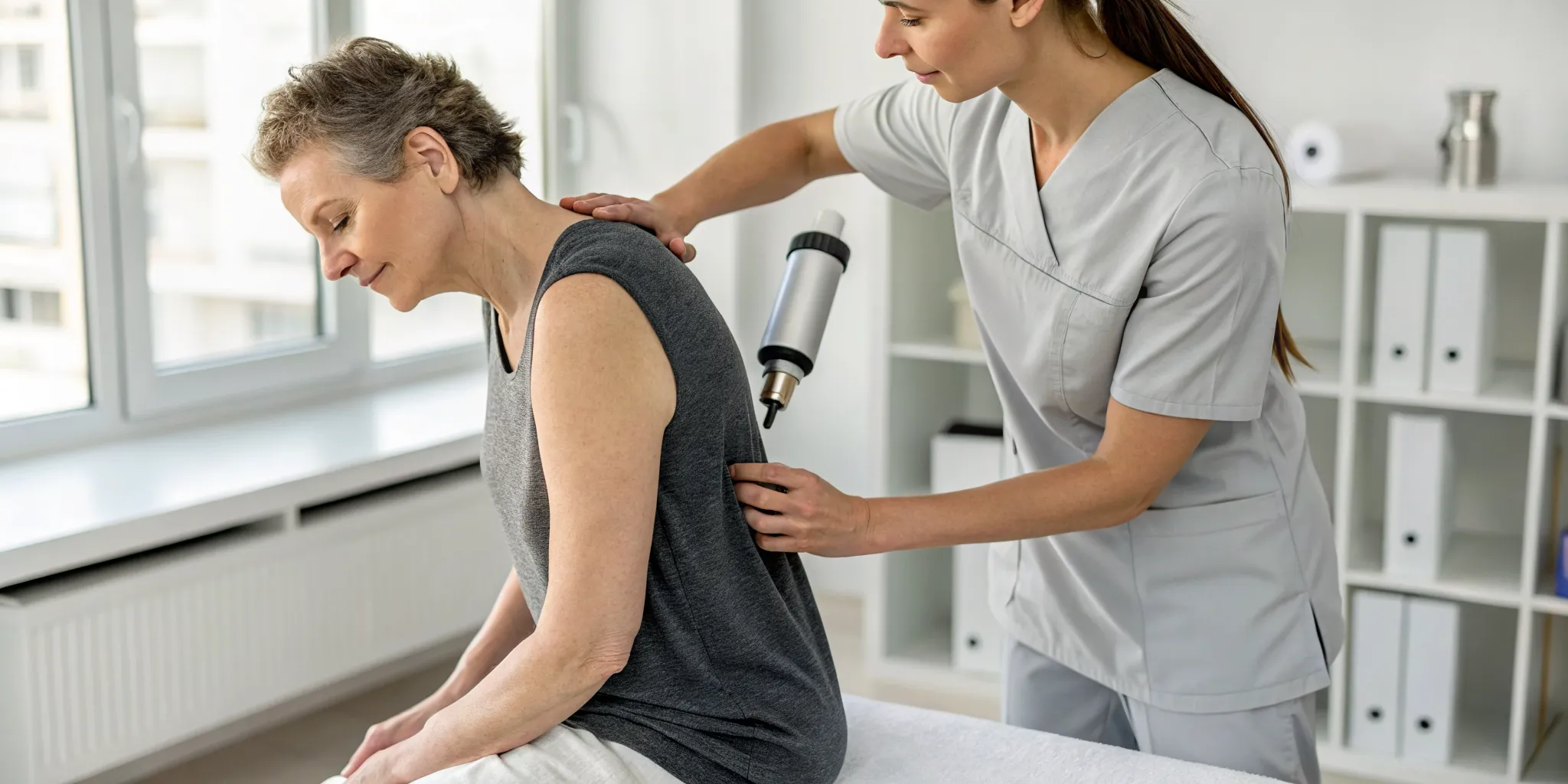
If you are asking, “is softwave therapy legit,” the useful answer depends on the condition being discussed, the evidence for that use, clear communication about limits, and an individualized assessment. SoftWave is a form of acoustic shockwave treatment, but findings about shockwave methods generally do not prove that every device or protocol has the same effect.
Explore SoftWave therapy details
Is SoftWave Therapy Legit? How Can You Assess the Evidence?
Assess it by looking for a clear clinical reason, evidence relevant to the concern, realistic expectations, and a plan to measure your response. A careful conversation should include uncertainties and alternatives rather than promises.
Several questions are often blended together in advertisements or casual conversations. Separate them before deciding:
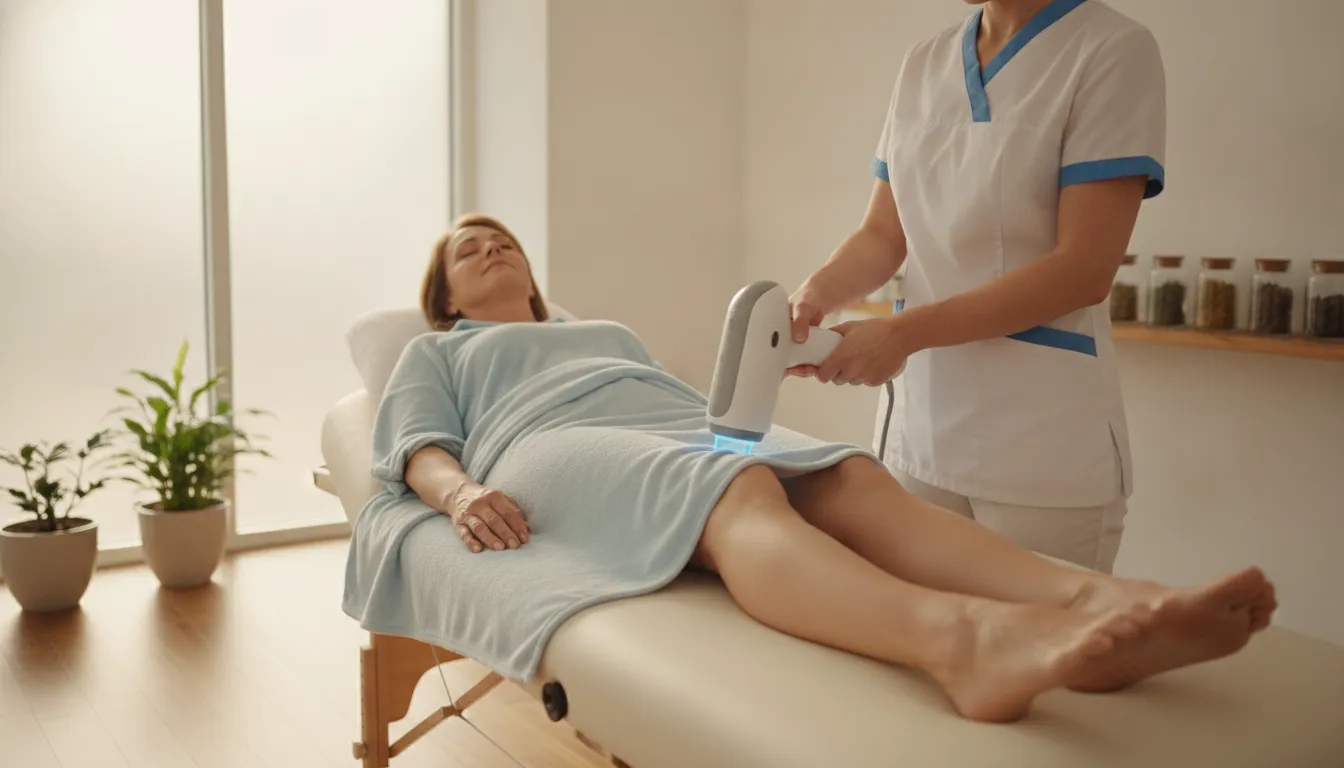
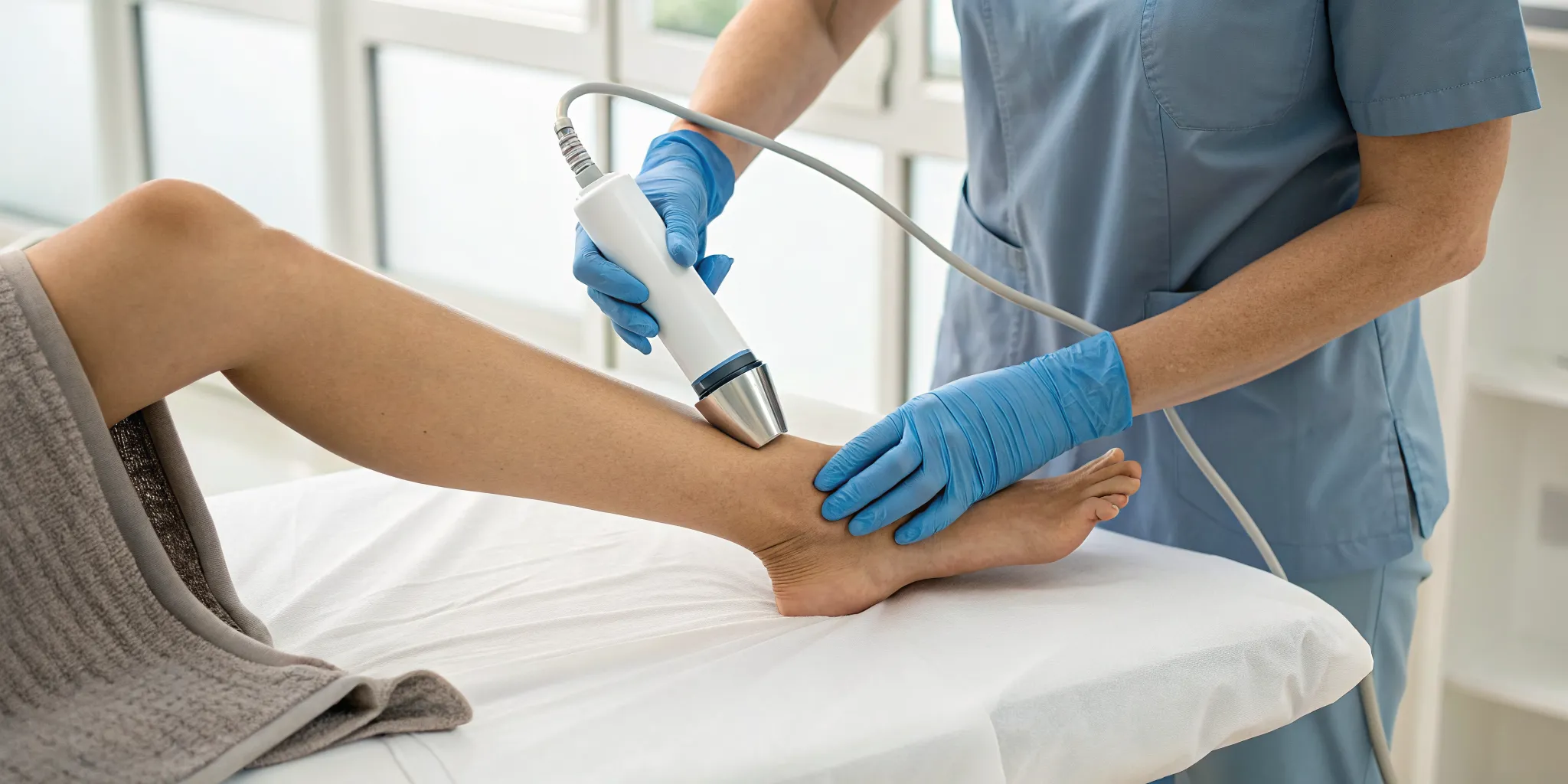
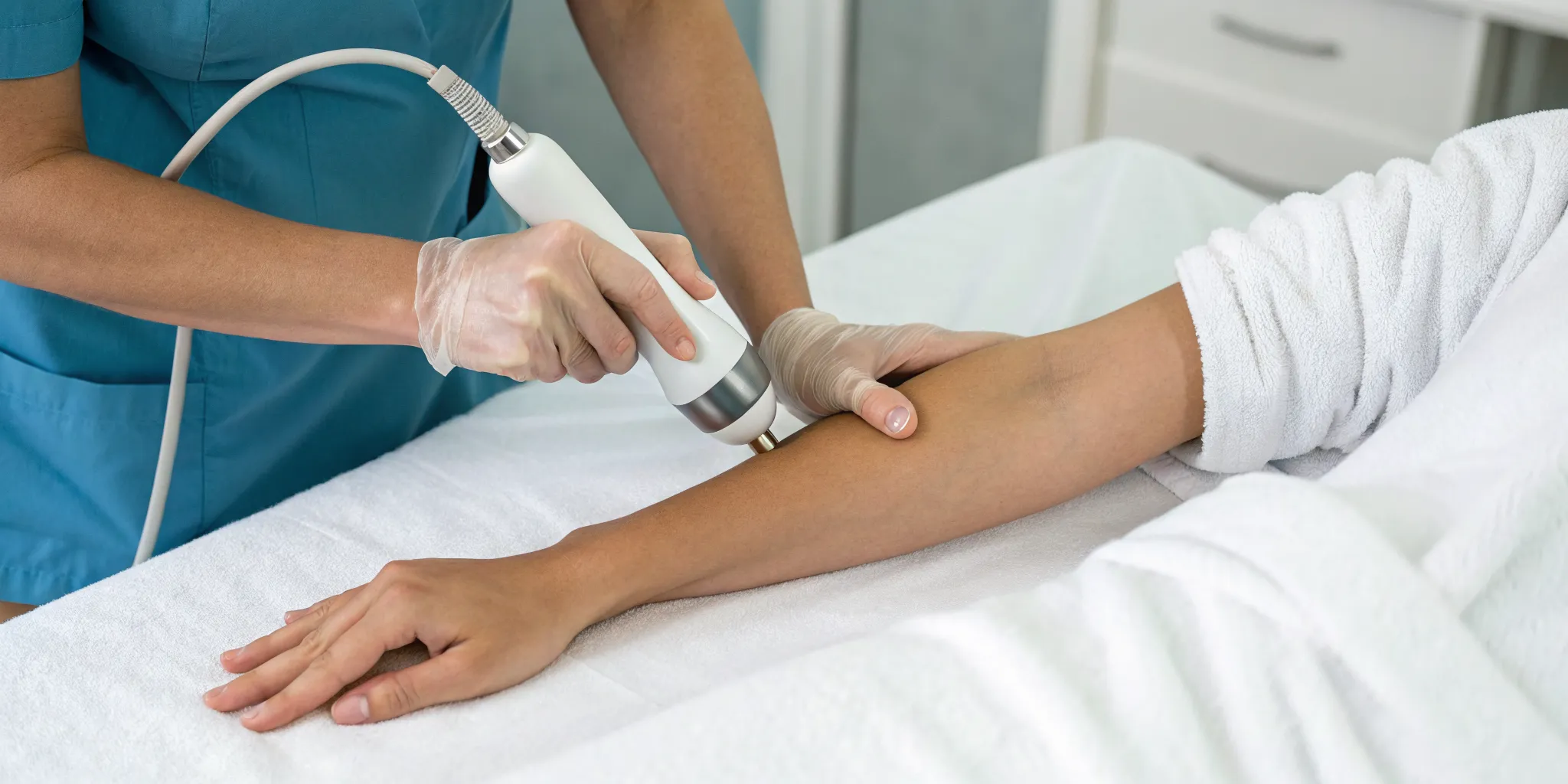
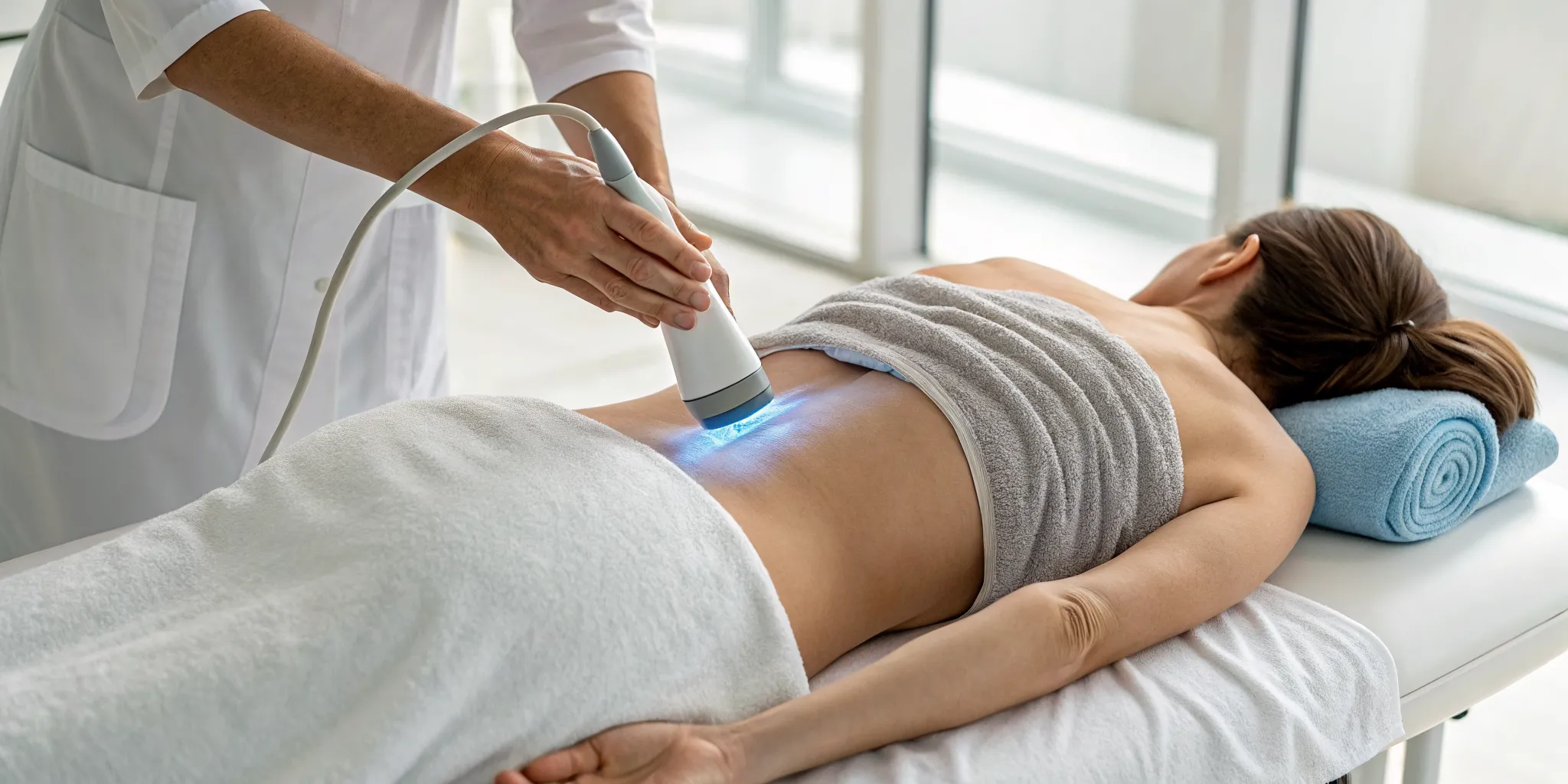
- Is the treatment a real technology? Acoustic shockwave devices deliver mechanical energy through an applicator to a selected treatment area.
- Does the device have a regulatory status for a particular use? Device status relates to defined parameters; it does not establish benefit for every condition.
- Has the treatment approach been studied for the concern at hand? Findings can differ by condition, device, protocol, and outcome.
- Does it suit this individual? A clinician needs to consider symptoms, history, examination findings, goals, and other possible approaches.
That separation helps a reader avoid treating a device name, a testimonial, or a broad claim as a complete answer. Ask the clinician to name the specific concern and intended goal. Then ask how the suggested approach relates to evidence for that concern, rather than accepting general claims about tissue repair or regeneration.
The SoftWave device has FDA approval for its stated regulatory indications, and Ascend describes it as its preferred, gold-standard option. Ask the clinician to identify the specific device and clarify the relevant regulatory indication, including what that status does and does not establish for your situation. A clear explanation should distinguish a device claim from evidence about a particular outcome. You can review the practice’s SoftWave therapy details before a conversation.
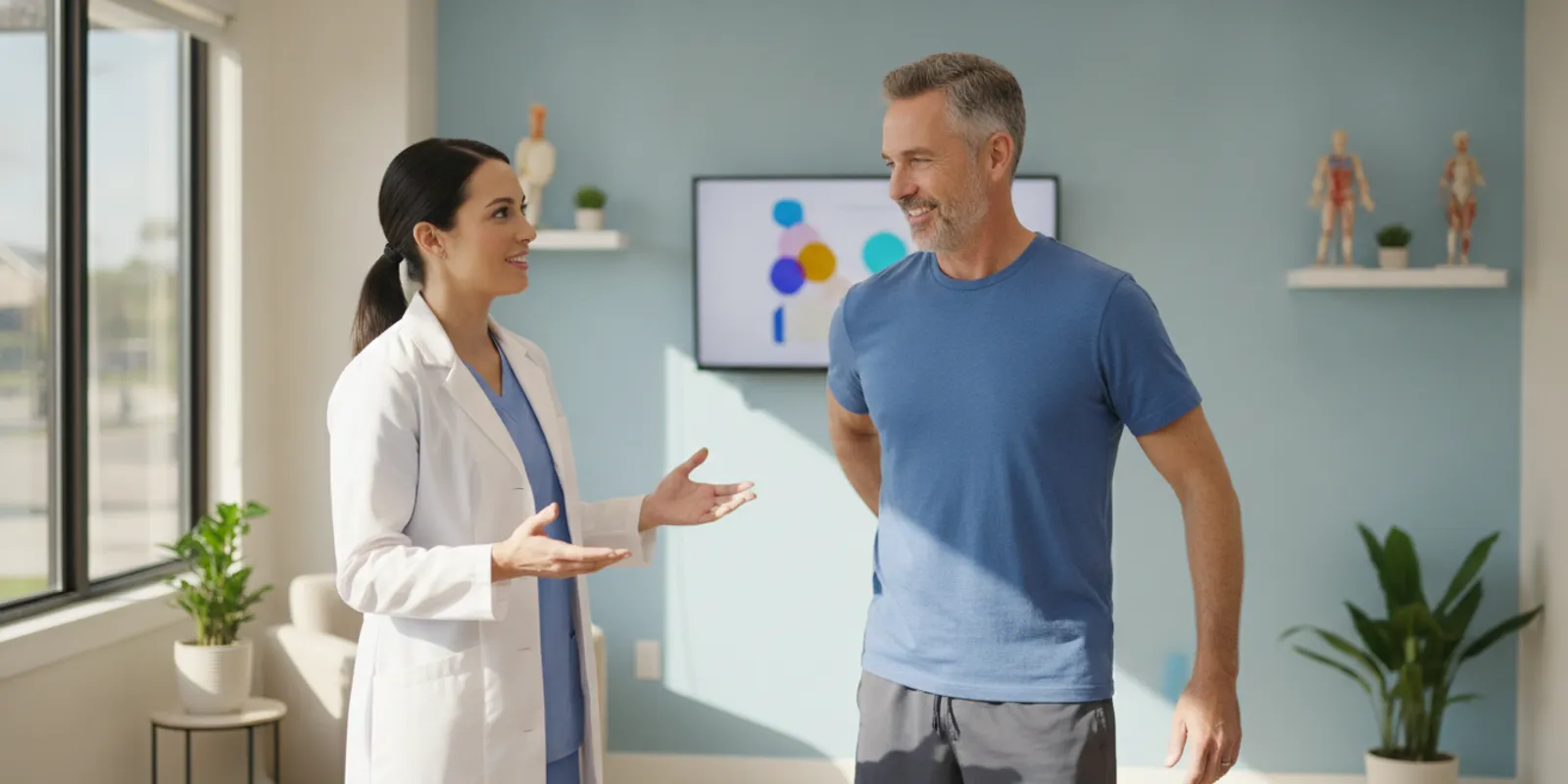
Look for communication that is specific, balanced, and open to questions. The clinician should explain why the option is under consideration, which uncertainties remain, and how the plan could change if your response differs from expectations. Taking time to understand those points is part of making an informed choice.
Which evidence can help answer a SoftWave question?
Evidence is most useful when it matches the condition, device, protocol, and outcome being discussed. A result from one use of shockwave therapy should not automatically be applied to every SoftWave treatment plan.
Shockwave methods have been studied in particular clinical settings. For example, a systematic review of extracorporeal shock wave therapy for soft-tissue wounds addresses wound healing. That topic differs from many tendon, joint, or other musculoskeletal concerns, so the review cannot establish results for every application or prove that devices and protocols are interchangeable.
When a clinician refers to a study or summary, use a simple evidence check:
- Population: Were the people studied similar to you in diagnosis, health history, and relevant characteristics?
- Intervention: Did researchers use the same type of device and a comparable treatment protocol?
- Comparison: Was the approach compared with usual care, another option, or no treatment?
- Outcome: Did the study assess a change that matters in daily life, such as a specific movement or activity?
- Follow-up: Were participants followed long enough to inform the practical decision you are weighing?
These questions help distinguish direct evidence from indirect context. A study may be useful without answering every question about your care. For example, a finding in wound care does not establish that a given shockwave protocol will improve a tendon concern. Likewise, studies of a different device may not map neatly to the device being offered.
Ask the clinician to explain the strength and limits of the evidence in plain language. A balanced answer may say that the treatment has been examined for some uses, that evidence varies, and that the clinical rationale for your case still needs to be considered. If a claim leaps from a broad mechanism to a guaranteed personal outcome, ask for the evidence that supports that exact claim.
Is SoftWave Therapy Legit for Your Specific Concern?
Regulatory status and proof of benefit answer different questions. Confirm the exact device and intended use, then ask separately how evidence supports the particular goal being proposed.
People may hear “FDA approved” and assume that statement covers every condition, protocol, and person. Device status concerns a defined product and its regulatory context; it is not a promise of an outcome for an individual. The words used to describe status also matter, so ask the provider to clarify whether the specific device is cleared or approved for the stated purpose and to explain the scope of that statement.
Useful questions include:
- Which device would be used, and how is the treatment delivered?
- For which concern and goal is the clinician considering it?
- How directly does the available evidence match this device and proposed use?
- Which precautions or personal health factors could affect the recommendation?
- What other approaches could be considered, including reassessment or a different plan?
- How will the clinician decide whether to continue, revise, or stop the approach?
Ascend identifies its SoftWave device as FDA approved and describes it as its preferred, gold-standard option. That description should still prompt a specific discussion of the device’s relevant indication and the evidence for your particular concern. Ask for an explanation that separates device status, proposed use, and expected individual response instead of treating those as one claim.
Be cautious about absolute claims such as “works for everyone,” “guaranteed,” or “permanent.” A responsible care conversation makes room for differences in response and explains that a therapy is one possible component of care, not a substitute for a sound assessment or a universal solution.
Who might consider a SoftWave consultation?
A consultation may suit someone exploring a non-invasive option for a persistent soft-tissue concern, if an appropriate clinician first evaluates the situation. A symptom description or online search alone cannot establish candidacy.
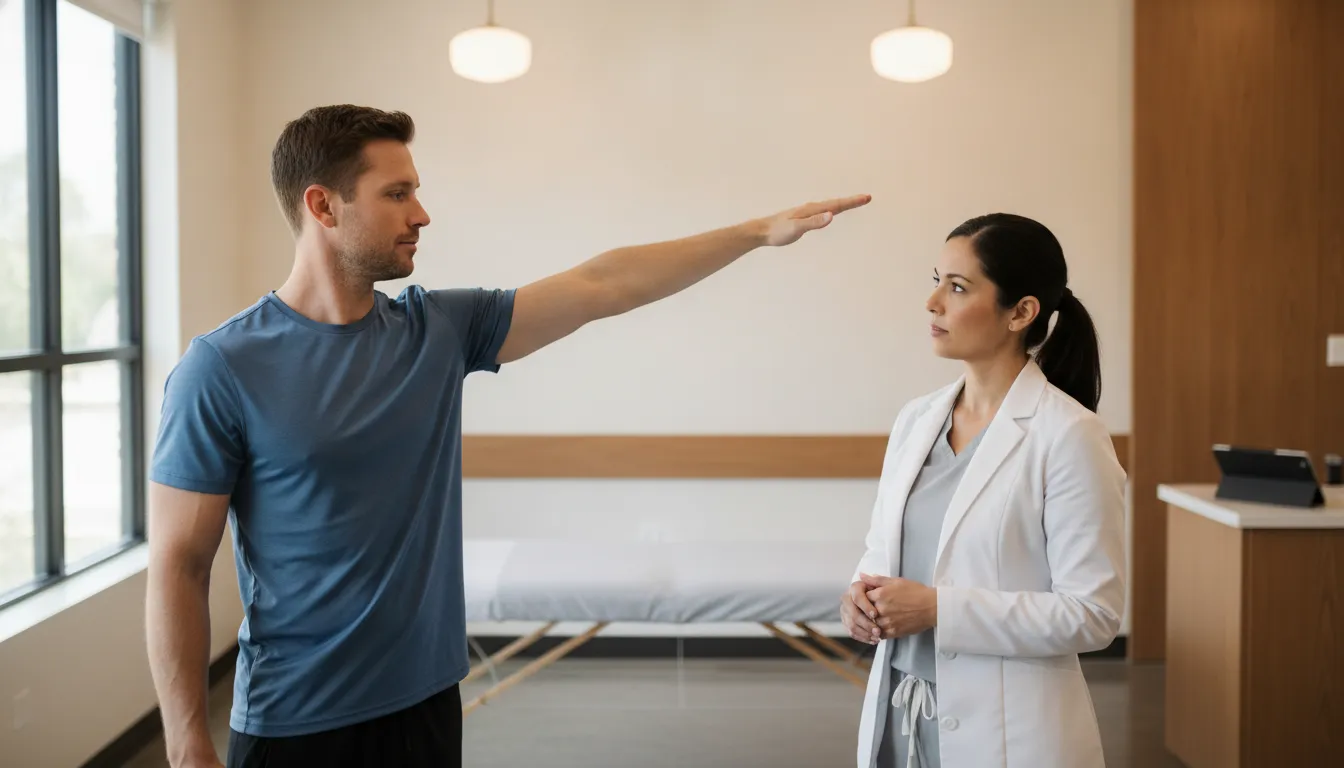
A useful assessment starts with the concern rather than the device. Be ready to describe when symptoms began, which activities are affected, how the pattern has changed, and any evaluations or care you have already tried. Bring relevant records when available. It can also help to identify one or two concrete goals, such as returning to a particular daily task or improving tolerance for a certain movement.
Ascend organizes care around Physical Medicine, Functional Medicine, and Regenerative Medicine. SoftWave is part of the Regenerative Medicine pillar. Depending on the person’s needs, a broader discussion could also cover Physical Medicine approaches, including chiropractic, decompression, lumbar care, corrective care, or myofascial and soft-tissue work. The relevant option depends on an individual assessment, not a list of services.
Functional Medicine may be relevant when broader health factors are part of the concern. Ascend describes this pillar in relation to issues such as gut health, bloating, fatigue, bloodwork, and stool testing. Learn more about the Functional Medicine approach if those factors are part of your questions. This does not mean that every person considering SoftWave needs additional testing or another service.
The aim is to understand the concern and select a reasonable next step. A clinician might recommend a different assessment, another care approach, or no SoftWave treatment. Reviewing the practice’s care options and its approach to personalized care can help you prepare questions without assuming that a specific device is the answer.
Before a visit, write a brief timeline and list the activities that matter to you. Note any prior evaluations, treatments, changes in symptoms, and questions about precautions. A specific goal makes it easier to discuss whether a proposed plan is appropriate and how you would judge its usefulness.
Which questions should you ask before deciding?
Ask about the reasoning, evidence, alternatives, safety, and follow-up before agreeing to a plan. You should be able to explain the proposed approach in your own words and understand how your response will guide next steps.
| Topic | Question to ask | Why it helps |
|---|---|---|
| Clinical fit | Which finding makes this option reasonable for my concern? | Connects the recommendation to an assessment rather than a general pitch. |
| Evidence | How closely does the evidence match my condition, device, and goal? | Shows whether the support is direct or based on a different use. |
| Other choices | Which alternatives could we consider, including reassessment? | Lets you compare a range of reasonable next steps. |
| Plan | How often would treatment be considered, and when would we review progress? | Sets a point for assessing whether the approach remains useful. |
| Safety | Which personal factors or precautions could change the recommendation? | Prompts a discussion of individual context. |
| Measures | Which functional changes will we track? | Defines progress in practical terms rather than relying only on an impression. |
A worked example can make the questions easier to use. Suppose a person wants to return to a particular recreational activity after a persistent soft-tissue concern. Rather than beginning with a fixed treatment schedule, the conversation can identify the movement or task that is limited, review relevant assessment findings, and agree on a practical baseline. The clinician can then explain whether the evidence and personal context support considering SoftWave, what other approaches may fit, and when to revisit the decision.
If the response does not match the goal, a plan should leave room to reassess. Ask whether the next step might be a different evaluation, a change in approach, or a pause while other factors are considered. If the recommendation is presented as necessary without a discussion of alternatives, ask for clarification. You may take time to consider the answers before deciding.
How can progress and safety be reviewed responsibly?
Progress is easier to discuss when goals are set in advance and revisited at agreed points. A responsible plan also explains how new information or an unexpected response could change the approach.
There is no single measure that fits every concern. Depending on the situation, a clinician might discuss activity tolerance, a particular movement, or a daily task that has been difficult. Before starting, describe your baseline in simple terms, for instance, which task is limited and how that limitation affects your routine. Revisit the same task later so the discussion compares like with like.
Day-to-day symptoms can fluctuate, so avoid treating one good or difficult day as the whole picture. Consider the pattern over the interval agreed with your clinician. If the intended functional change is not emerging, ask how that affects the reasoning for continuing. A clear review point can keep the conversation tied to your goals rather than an automatic schedule.
Discuss possible discomfort, precautions, and personal health factors before treatment. Share relevant conditions, prescriptions, recent evaluations, and changes in symptoms. Do not assume that a non-invasive approach suits every person. A clinician should consider the full context and explain when another evaluation or a different care path may be more appropriate.
Ascend describes its approach as personalized, evidence-informed, and focused on measurable outcomes. In practice, that means explaining the clinical rationale and reviewing response without promising a particular result. You can explore common questions about the practice and its Tampa-area care before arranging a conversation.
How can you recognize balanced treatment claims?
Balanced claims explain who may be considered, which evidence supports the recommendation, what remains uncertain, and how alternatives will be weighed. They make room for questions and do not promise a specific outcome.
Compare the substance of an explanation, not just how confident it sounds:
- Balanced: “This approach has been examined for some uses. We can review whether the evidence and your assessment support considering it.”
- Overstated: “This device fixes the underlying problem for everyone.”
- Balanced: “We can agree on a functional goal and revisit the plan based on your response.”
- Overstated: “You will know immediately that it worked.”
Also ask whether the provider distinguishes SoftWave from other shockwave technologies. Names, energy delivery, protocols, and regulatory indications may differ. A useful comparison should describe those limits rather than imply that all devices or findings are interchangeable.
Notice how the clinician handles uncertainty. A strong explanation can be direct while still acknowledging that outcomes vary and that evidence may not answer every question. The clinician should be able to explain the rationale in plain language, discuss reasonable alternatives, and describe the basis for follow-up. If you feel rushed or cannot get a clear answer, it is reasonable to ask again or take time before making a decision.
Ascend’s SoftWave service overview and practice background provide context for a consultation. Use those pages as a starting point for questions, not as a replacement for a personalized assessment.
Discuss your questions with Ascend
Frequently Asked Questions
These answers offer general context. An individual evaluation is needed to decide whether a treatment approach fits a particular concern.
Does a legitimate treatment guarantee results?
No. Evidence for a particular use does not guarantee an individual outcome. Ask how directly that evidence applies to your situation and how the care plan would be reviewed.
Does evidence about shockwave therapy automatically apply to SoftWave?
No. Devices, protocols, conditions, and study populations can differ. Ask whether the findings match the device and goal being discussed.
Should SoftWave replace other care?
Not necessarily. A clinician should discuss whether it belongs in a broader plan, which alternatives exist, and whether another assessment is appropriate.
How can I prepare for a consultation?
Bring a concise symptom timeline, relevant evaluation information, a list of approaches already tried, and the activities or functional changes you hope to address.
Request a conversation about your next steps
If you are weighing SoftWave therapy, bring your questions to a clinician and decide on next steps after reviewing the evidence, your individual context, and reasonable alternatives. This content is educational and not medical advice; consult your clinician before acting.