Mobility changes that men experience after 40 can be gradual: a familiar movement may feel stiffer, warm-ups may take longer, or a previous injury may affect activity differently. A change does not automatically mean something is wrong, but noticing when it occurs, how it affects daily life, and whether it is progressing can make a care conversation more useful. Here is how to distinguish a pattern worth discussing from an isolated off day, and what information to bring to a personalized evaluation.
Discuss your mobility concerns with Ascend

Which Mobility Changes After 40 Men Notice May Be Worth Evaluating?
Changes that persist, limit activities you value, or keep returning are worth discussing with a qualified clinician. The useful question is not whether your body moves exactly as it did at 20, but whether a new pattern has a clear explanation and an appropriate plan.
Some people notice more stiffness after sitting, a longer warm-up before exercise, or reduced comfort with a movement they used to perform easily. Others notice an old sports injury becoming more noticeable during work, recreation, or everyday tasks. These experiences have many possible contributors. Training load, sleep, prior injuries, general health, and the specific movement all matter, so a single symptom cannot identify a cause.
Consider getting guidance if a change:
- Continues or recurs instead of settling after ordinary rest.
- Interferes with walking, getting up from a chair, reaching, exercise, or another important activity.
- Leads you to avoid more activities over time or to compensate with a different movement.
- Appears alongside other health changes that concern you.
- Is difficult to explain, or you are unsure how to adjust your activity safely.
A sudden severe problem, major injury, or urgent symptom calls for prompt medical attention rather than a routine wellness consultation. For non-urgent concerns, a measured review can help establish the change over time and what next step makes sense.
How Can You Tell a Temporary Stiff Feeling From a Persistent Pattern?
A temporary stiff feeling may ease as you move and may not affect your usual function; a persistent pattern repeats, worsens, or changes what you can comfortably do. A brief record over time can help make that distinction clearer than relying on memory.
Record a few concrete details for one or two weeks, or until you speak with a clinician. Note the activity, the body area, when the sensation starts, how long it lasts, and what seems to change it. Include whether you had recently increased training or altered your routine. Keep the notes descriptive rather than trying to diagnose yourself.
- Context: Was it after sitting, during a workout, while carrying something, or during a daily task?
- Pattern: Does it happen at the same point in a movement or at a particular time of day?
- Impact: Did you finish the activity, modify it, or stop?
- Recovery: Did it settle, linger, or return with the next session?
- Recent changes: Did workload, equipment, sleep, travel, or activity change?
Use ordinary language such as "my shoulder feels restricted when I reach overhead" rather than assigning a label such as "impingement." If you track range or exercise performance, use the same simple conditions each time and do not push into pain to produce a measurement. The aim is to share a useful history, not to create a home test.
The National Institute on Aging explains that maintaining mobility can be important to living independently as people age. That is a reason to pay attention to important changes, not a reason to assume every stiffness is a sign of disease. Read the NIA overview of mobility and independent living.
Which Everyday Movements Can Help Describe the Change?
Everyday examples help a clinician understand what "less mobile" means for you. Describe the movement that changed and the practical effect, rather than trying to compare yourself with a generic flexibility target.
Think about tasks that are relevant to your own routine. These might include turning to look over your shoulder, reaching to a shelf, bending to put on shoes, getting up from the floor, walking on uneven ground, or moving through a familiar exercise. Notice whether the challenge is stiffness, discomfort, weakness, balance, fatigue, or uncertainty about how to move. Different experiences call for different questions.
A compact comparison can help organize the conversation:
- Stiffness after sitting: Useful details to record: how long it lasts and whether it eases with ordinary movement. Question to raise: Could my routine or movement pattern be contributing?
- Reduced comfort reaching or turning: Useful details to record: which direction or task is affected and whether both sides feel alike. Question to raise: What should be assessed before I change my activity?
- Difficulty with an old sports movement: Useful details to record: when you returned to it, what changed in training, and what you modified. Question to raise: How can I approach a safe, realistic progression?
- A recurring limitation after prior injury: Useful details to record: relevant history, recurrence, and impact on work or recreation. Question to raise: Would a review of the area and my overall movement be appropriate?
This table is a note-taking aid, not a diagnostic checklist. Do not repeat a movement that causes significant or escalating symptoms just to fill in a row. If you are uncertain whether an activity is appropriate, pause it and ask a qualified clinician.
What Context Helps Explain Mobility Changes After 40 Men Notice?
There is no single cause of mobility changes after 40; health history, activity patterns, recovery, and the movement itself can all provide context. A thoughtful evaluation considers the person and the pattern instead of assuming that age alone explains a limitation.
For a former athlete, the contrast between past capacity and current routine can be especially noticeable. Training may have changed with work or family responsibilities. Returning to a previous workload quickly, doing less varied activity, or repeatedly working around an old issue may all be relevant details to share. None proves the cause, and an old injury does not automatically mean the same problem is happening again.
General health can also matter. Changes in energy, sleep, weight, current medicines, or other symptoms may be important context for a clinician. If your concern includes fatigue or other systemic changes, discuss those as well rather than treating mobility in isolation. Functional medicine may consider a person's history and, when clinically appropriate, relevant testing; it does not mean that every mobility concern requires laboratory testing. Learn about Ascend's Functional Medicine approach and discuss whether comprehensive bloodwork or other laboratory testing may be relevant to your goals.
Research on mobility in older adults discusses health constraints and activity patterns among factors associated with mobility challenges. Those findings offer broad context, not a prediction for any one man in his 40s or a substitute for individual evaluation. Review the research overview on mobility among older adults.
What Might a Mobility Evaluation Include?
A useful evaluation starts with your goals, symptoms, and relevant history, then considers which examination or care options are appropriate. The process should be individualized; no single test or treatment fits every person with stiffness or limited movement.
Be ready to explain when the change began, what makes it better or worse, any past injuries or relevant care, and the activities you want to return to or maintain. Bring a list of current medicines and relevant health history, and share any prior imaging or test results that you already have. Tell the clinician what you have tried and whether it helped, had no effect, or made things worse.
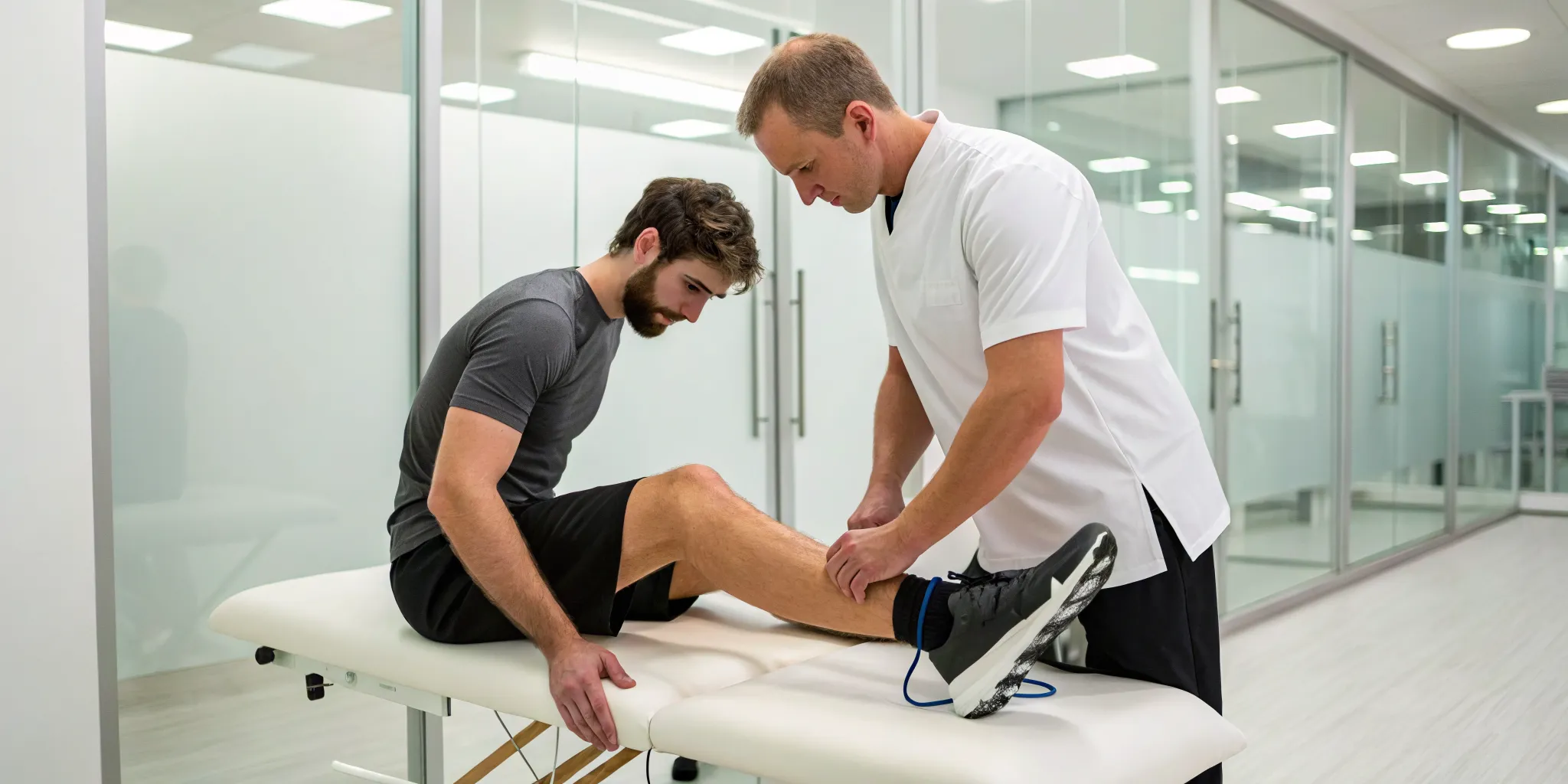
Depending on the concern, a clinician may ask about daily function and observe relevant movements. Further examination, referral, imaging, or testing may be considered when appropriate; it should be guided by the history and clinical judgment rather than by a promise of a particular result. You can ask what each proposed step is intended to clarify, what alternatives exist, and how progress would be reviewed.
Ascend's stated first-visit flow is designed to explain the process: Day 1 includes a discovery and sit-down consultation, X-rays and possibly treatment if the doctor deems it appropriate; Day 2 is a report of findings and strategy session with the doctor's recommendations. Ask the practice directly whether that flow fits your situation and what to expect before scheduling. For more on the physical care pillar, see Physical Medicine at Ascend.
How Do Physical and Functional Care Approaches Fit?
Physical Medicine and Functional Medicine can address different parts of a health conversation, while the appropriate approach depends on your needs and evaluation. The goal is a personalized, evidence-informed discussion of options, not a guarantee that a particular modality will restore past performance.
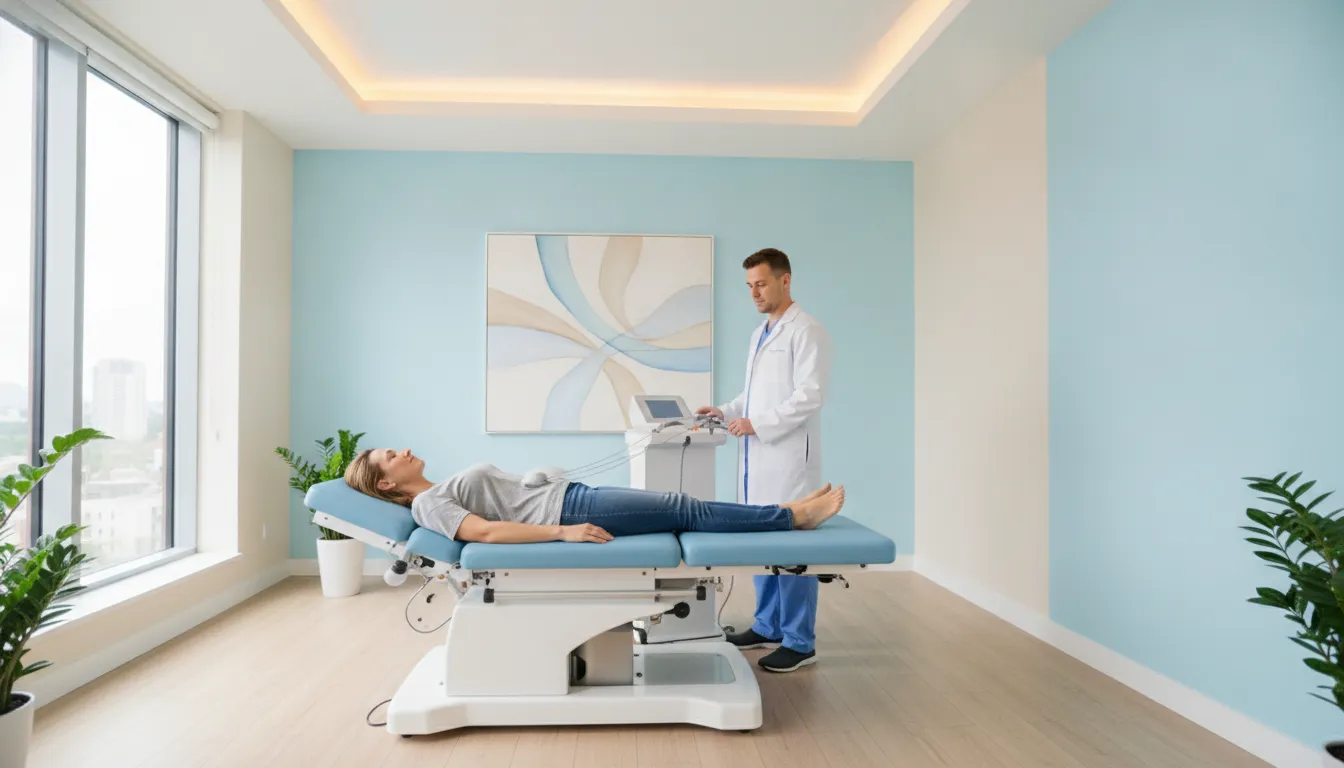
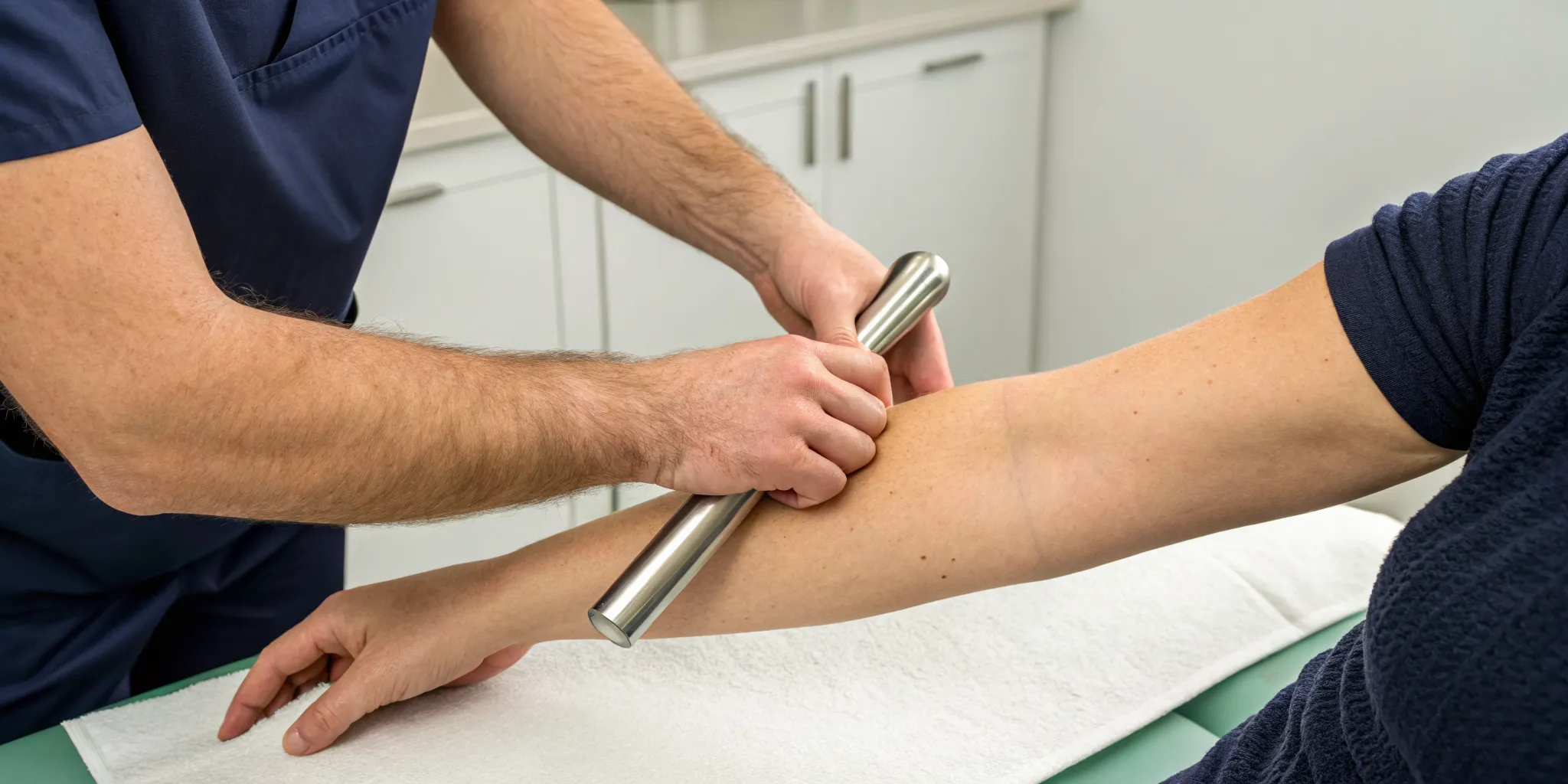
Ascend describes Physical Medicine through approaches such as chiropractic care, decompression, corrective care, and soft-tissue work. A clinician can discuss whether an approach is relevant to your concern, what it involves, and how outcomes or changes in function would be monitored. Read about spinal decompression as one of the physical care options; the page is background information, not a recommendation for every reader.
Functional Medicine can add context when a person has broader concerns such as fatigue, gut symptoms, or other health changes alongside movement concerns. A conversation may include history, habits, and whether any evaluation or testing is warranted. Ascend presents its care as personalized protocols intended to address root causes and support the body's healing abilities. Ask how a proposed plan connects to your goals and what measurable signs would be followed.
Ascend also describes Regenerative Medicine as a distinct pillar. A service should only be considered after appropriate workup and a discussion of potential benefits, limitations, risks, and alternatives. Not every mobility change calls for regenerative treatment, and this article does not determine whether a specific therapy is suitable. Explore the practice's service overview or ask the team to explain which care pathway, if any, fits your concern.
How Can Former Athletes Set Realistic Mobility Goals?
A useful mobility goal is specific to an activity you value and can be revisited over time. Instead of aiming to "move like I used to," identify a concrete task and discuss a sensible way to assess it with a clinician.
For example, you might want to walk comfortably through a round of golf, get back to recreational cycling, or feel more confident reaching and turning during daily life. Describe the current limitation and why the goal matters. If you want to return to sport, tell the clinician about the demands of that sport and your current level of activity. A goal can be adjusted as new information emerges.
Ask how progress should be judged. Depending on the plan, relevant markers might be whether you can perform a daily task more comfortably, tolerate an agreed activity, or need fewer modifications. Agree on a timeframe for review rather than expecting immediate change. If symptoms worsen or a new concern appears, report it instead of pushing through to meet a target.
For general background on mobility and healthy aging, the NIA resource above is a useful starting point. A personal plan still needs to account for your health history, priorities, and clinical assessment.
How Should Tampa Bay Men Prepare for a Care Conversation?
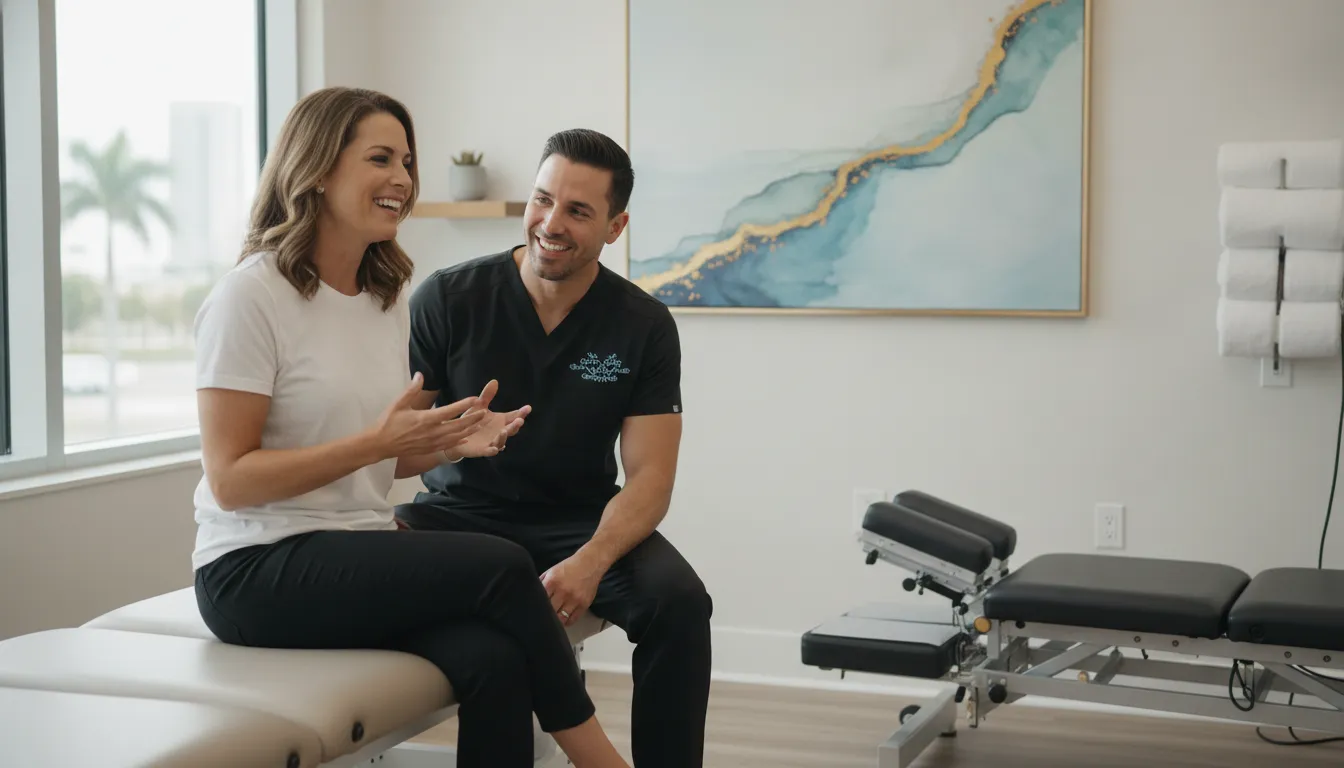
Arrive with a concise account of the change, your priorities, and the questions you need answered. A focused conversation can clarify whether an evaluation is appropriate and what the next step would involve.
- Choose one main concern. Name the movement or activity that has changed most, then mention related concerns.
- Summarize the timeline. Note when you first noticed it, whether it is stable or changing, and any relevant event.
- Explain the impact. Say what you avoid, modify, or struggle to complete in daily life, at work, or during recreation.
- Bring relevant history. Share previous injuries, surgeries, test results, current care, and other health changes.
- Ask about fit and next steps. Clarify what an evaluation can and cannot establish, what options may be discussed, and how cost and follow-up work.
Ascend is a Tampa Bay integrative healthcare practice with Physical Medicine, Functional Medicine, and Regenerative Medicine offerings. If you are considering a consultation, use the contact page to ask about fit and next steps. You can also review the practice's information about Ascend and its care approach before reaching out.
Request a conversation about your mobility goals
Frequently Asked Questions
These brief answers offer general guidance, but they cannot determine the cause of an individual mobility change. A clinician can help assess concerns in the context of your health history and goals.
Are mobility changes after 40 inevitable?
No single rule describes everyone. Movement and recovery can change for many reasons, and age alone does not explain a specific limitation. Persistent or concerning changes deserve an individualized conversation.
Should I stop exercising if I feel stiff?
Not necessarily, but do not force a movement that causes significant or worsening symptoms. Consider pausing or modifying the activity that concerns you and ask a qualified clinician for advice specific to your situation, especially after an injury or when symptoms are increasing.
What should I track before an appointment?
Write down the movement involved, when the change began, how often it occurs, what affects it, and how it changes daily activity. Include relevant training changes, past injuries, and other health concerns. Avoid self-diagnosing or repeatedly testing a painful movement.
Does every mobility concern require imaging or bloodwork?
No. Whether imaging, laboratory testing, or another step is useful depends on the history and clinical assessment. Ask what a proposed test is meant to clarify and how its result would affect the plan.
Can Ascend tell me which care approach is right for me?
The practice can discuss your concerns and potential next steps through a consultation, but suitability depends on an individualized evaluation. No article can promise a particular outcome or determine whether a specific service is appropriate for you.
Talk with Ascend about a personalized next step
This article is for educational purposes only and is not medical advice. Consult your clinician before acting on health information or making changes to your care.