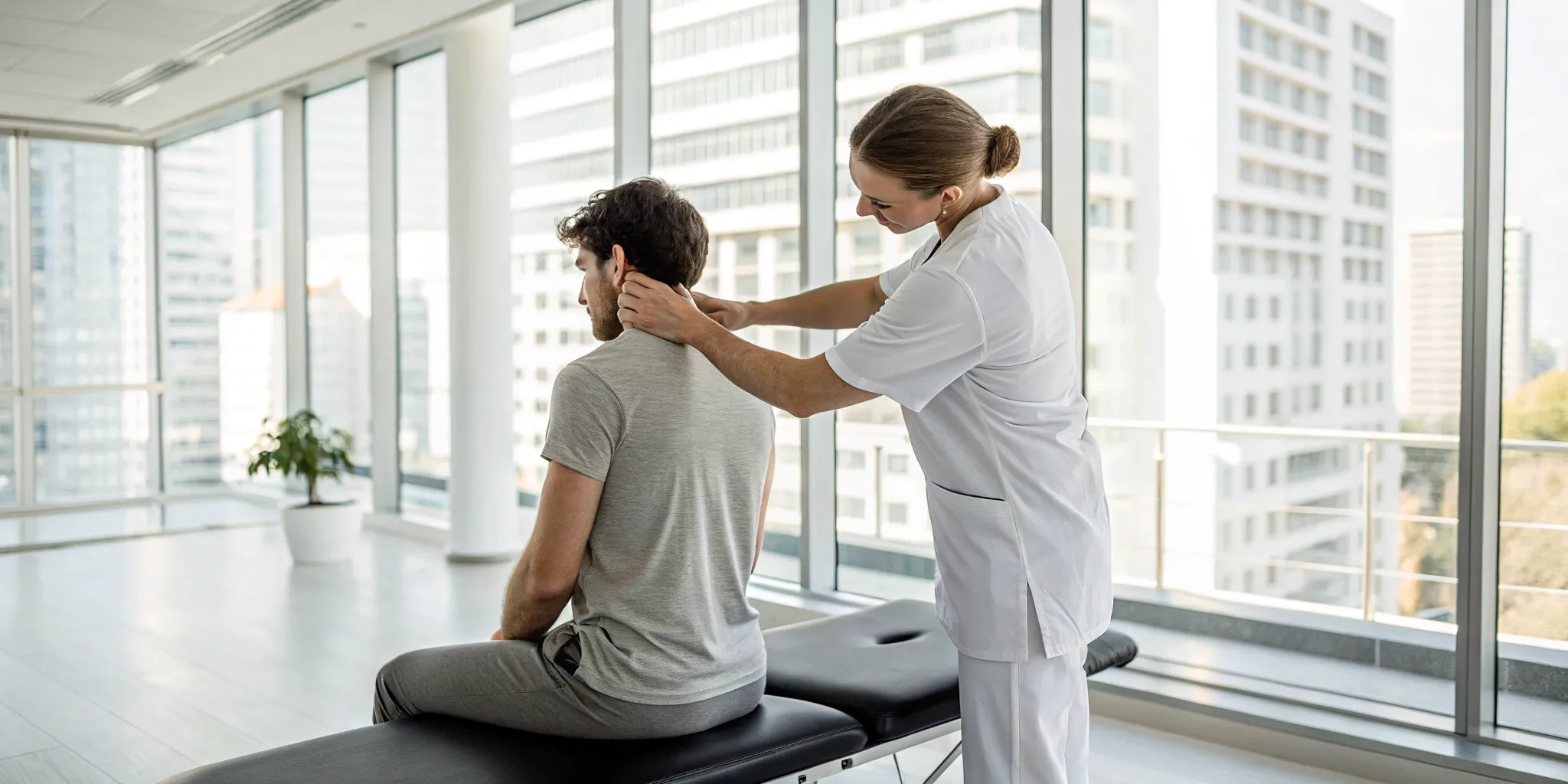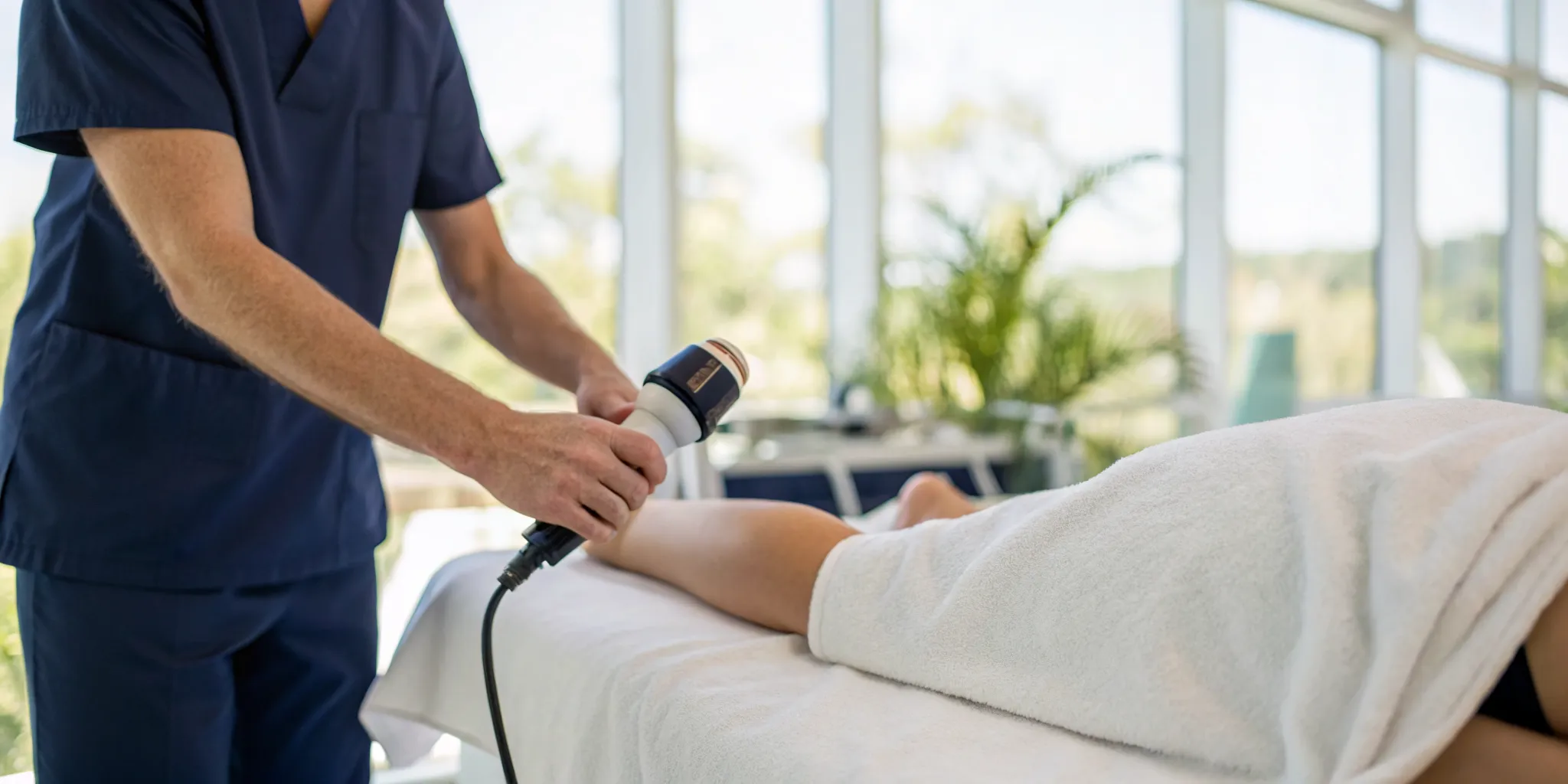
That deep, nagging ache in your lower back from lumbar spondylolisthesis often comes with a host of other issues, from tight hamstrings to stiff hip flexors. Your body is working overtime to compensate for the instability in your spine, and that effort leads to widespread muscle tension. While massage can’t physically reposition the slipped vertebra, it is one of the most effective ways to address this muscular fallout. We’re going to look at the specific effects of massage therapy on lumbar spondylolisthesis, focusing on how it can relieve pain, reduce stress, and restore balance to your body, helping you move more freely.
Key Takeaways
- Use Massage for Symptom Relief, Not a Structural Fix: Massage is a powerful tool for easing the muscle pain and stiffness caused by spondylolisthesis, but it cannot correct the slipped vertebra. Its purpose is to manage discomfort and prepare your body for other corrective therapies.
- Prioritize Safe Techniques and Open Communication: The right massage avoids deep, direct pressure on your lower back. Always inform your therapist about your condition so they can use gentle methods and proper positioning with pillows to keep your spine safe and comfortable.
- Build a Comprehensive Care Plan: For lasting results, massage should be one part of a broader strategy. Combining it with chiropractic care, targeted core strengthening, and posture improvements addresses the issue from all angles for better stability and long-term health.
What Is Lumbar Spondylolisthesis?
If you’ve been dealing with persistent lower back pain, you might have heard the term lumbar spondylolisthesis. It sounds complicated, but the concept is pretty straightforward. Imagine the bones in your spine, called vertebrae, stacked neatly like building blocks. Spondylolisthesis happens when one of these blocks in your lower back (the lumbar region) slips forward over the one beneath it. This misalignment can be the source of that nagging pain and stiffness you’re feeling.
It’s a condition that can develop for many different reasons, and the symptoms can vary from person to person. Understanding what’s happening in your body is the first step toward finding relief. At Ascend Functional Health, we focus on getting to the bottom of issues like this. Our approach to physical medicine is all about identifying the root cause of your discomfort and creating a personalized plan to help your body heal and regain its natural alignment. Instead of just masking symptoms, we work to restore function and stability to your spine for lasting results.
Key Causes and Risk Factors
So, what causes a vertebra to slip out of place? It’s not always one single event. Sometimes, it’s related to the way your spine was formed from birth. For others, it can be the result of a specific injury or the cumulative effect of stress fractures from repetitive motions, which is common in athletes. The natural aging process can also play a role, as the discs and joints that cushion your spine wear down over time, making it easier for a vertebra to shift forward. Understanding the potential causes helps us tailor a more effective and personalized care plan for you.
Symptoms to Look For
The most common sign of lumbar spondylolisthesis is a deep ache in the lower back. This pain might also travel down into your buttocks or the back of your thighs. Many people find that the discomfort gets worse when they stand for long periods or bend backward, but often feels better when they sit down or bend forward. In some cases, the slipped vertebra can press on a nerve, leading to symptoms like numbness, tingling, or weakness in your legs. If any of these symptoms sound familiar, it’s a good idea to get in touch with a professional to see what’s going on.
How Severity Affects Your Care Plan
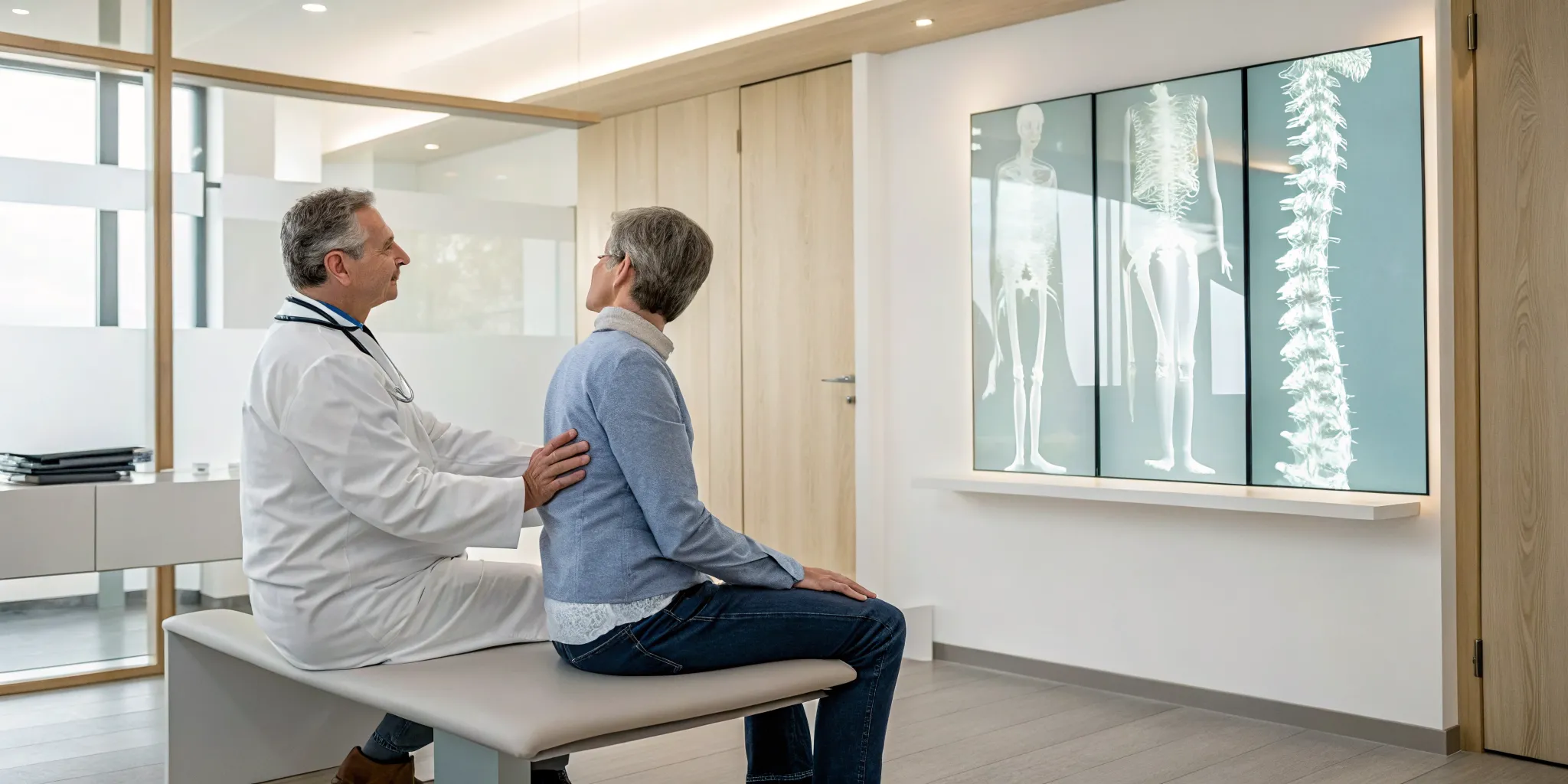
Not all slips are created equal. We often describe the severity of spondylolisthesis in "grades," which is just a way of measuring how far the vertebra has moved. A lower grade indicates a minor slip, while a higher grade means it’s more significant. The grade helps determine the best course of action for your care. For most people with mild to moderate slips, conservative approaches are highly effective. These treatments focus on managing pain and stabilizing the spine. Our team specializes in creating plans that support your body’s ability to heal, using techniques that are part of our physical medicine services to improve stability and reduce strain.
How Can Massage Therapy Help?
When you're dealing with the discomfort of lumbar spondylolisthesis, finding effective ways to manage your symptoms is a top priority. While massage therapy isn't a standalone cure for a slipped vertebra, it's an incredibly valuable part of a comprehensive care plan. Think of it as a powerful tool that helps your body handle the secondary effects of the condition, like muscle pain, stiffness, and stress.
By addressing the muscular component of your pain, massage can make daily life more comfortable and improve your ability to engage in other important therapies, like corrective exercises. It works by soothing the overstressed muscles and tissues that are trying to compensate for the instability in your spine. When integrated into a holistic approach to your health, targeted massage can make a significant difference in your overall well-being and function. Our team at Ascend Functional Health often incorporates manual therapies as part of a broader Physical Medicine strategy to support your body’s healing process.
Relieve Pain and Reduce Muscle Tension
One of the most immediate benefits of massage is its ability to ease pain and tension. When a vertebra slips forward, the muscles in your lower back, hips, and even your legs often tighten up to protect the unstable area. This constant guarding can lead to chronic muscle spasms, stiffness, and a deep, aching pain that makes it hard to move comfortably. Massage therapy directly addresses this by helping to release that built-up tension. By improving circulation to these tight muscles, it encourages them to relax, which can provide significant pain relief and make movement feel less restricted.
Improve Circulation and Mobility
Stiff, tight muscles don't just cause pain; they also restrict blood flow. Proper circulation is essential for healing because it delivers oxygen and vital nutrients to your tissues while carrying away waste products. Massage therapy helps to stimulate blood flow in the muscles surrounding your spine. This enhanced circulation can help reduce inflammation and nourish the affected tissues, promoting a better healing environment. As your muscles relax and circulation improves, you’ll likely notice an increase in your mobility and a decrease in the stiffness that can make simple activities, like bending or walking, feel challenging.
Support Muscle Balance and Spinal Health
Your body is a master of compensation. When your lower spine is unstable due to spondylolisthesis, other muscles have to work overtime to keep you upright and moving. This can lead to significant muscle imbalances, where some muscles become chronically tight and others become weak. Deep tissue massage can target those overworked muscles, helping to release spasms and chronic tension. By doing so, it helps restore a healthier balance to your musculoskeletal system. This not only feels better but also supports your overall spinal health by reducing uneven strain on your vertebrae and joints.
Calm Your Nervous System and Relieve Stress
Living with chronic pain is mentally and emotionally draining. The constant discomfort can put your nervous system on high alert, leading to increased stress, anxiety, and even a heightened perception of pain. Soft tissue massage can have a profound calming effect on your entire body. The gentle, rhythmic pressure helps to soothe the nervous system, shifting you out of that "fight or flight" state and into a more relaxed "rest and digest" mode. This reduction in stress can help break the pain-stress cycle, making your symptoms feel more manageable and improving your overall quality of life.
Which Massage Techniques Are Best?
When you're dealing with lumbar spondylolisthesis, the right kind of massage can make a world of difference, but the wrong kind can leave you feeling worse. It’s not about getting the deepest massage possible; it’s about using specific, gentle techniques that support your spine instead of stressing it. A skilled therapist will focus on the muscles surrounding your lower back, hips, and legs to relieve tension and restore balance. Think of it as a team effort to calm overworked muscles and encourage stability. Let's explore the techniques that are most effective and, just as importantly, which ones to steer clear of.
Gentle Swedish-Style Massage
If you’re new to massage for spondylolisthesis, a gentle Swedish-style massage is an excellent starting point. This technique uses long, flowing strokes, light kneading, and circular movements to relax the body. For spondylolisthesis, the key is to keep the pressure light to moderate. This approach is fantastic for easing general muscle tension and improving blood flow to the tissues around your spine. Better circulation helps deliver oxygen and nutrients that support healing. Research confirms that a gentle Swedish-style massage is effective in reducing muscle tension and improving circulation to the affected areas, making it a safe and soothing option.
Myofascial Release for Your Back and Hips
Your muscles are wrapped in a web of connective tissue called fascia. When you have a spinal condition like spondylolisthesis, this fascia can become tight and restricted, pulling on your muscles and contributing to pain and stiffness. Myofascial release is a technique that applies sustained, gentle pressure to these tight areas to release the tension. A therapist might work on your lower back, glutes, and hips to free up these restrictions. Studies on massage therapy for lumbar spondylolisthesis show that techniques like myofascial release can have a positive impact on pain, muscle tightness, and even posture.
Trigger Point Therapy for Supporting Muscles
Have you ever felt a specific, tender "knot" in a muscle that sends pain to another area when you press on it? That’s a trigger point. With spondylolisthesis, the muscles that support your spine (like your glutes, hamstrings, and hip flexors) can develop these points from overcompensating for the instability. Trigger point therapy involves applying direct pressure to these knots to release them. It’s important that your therapist focuses on the supporting muscles, not directly on the spine itself. Using soft tissue massage techniques like this can release tension and promote healing in the muscles surrounding your lumbar region.
Proper Positioning During Your Session
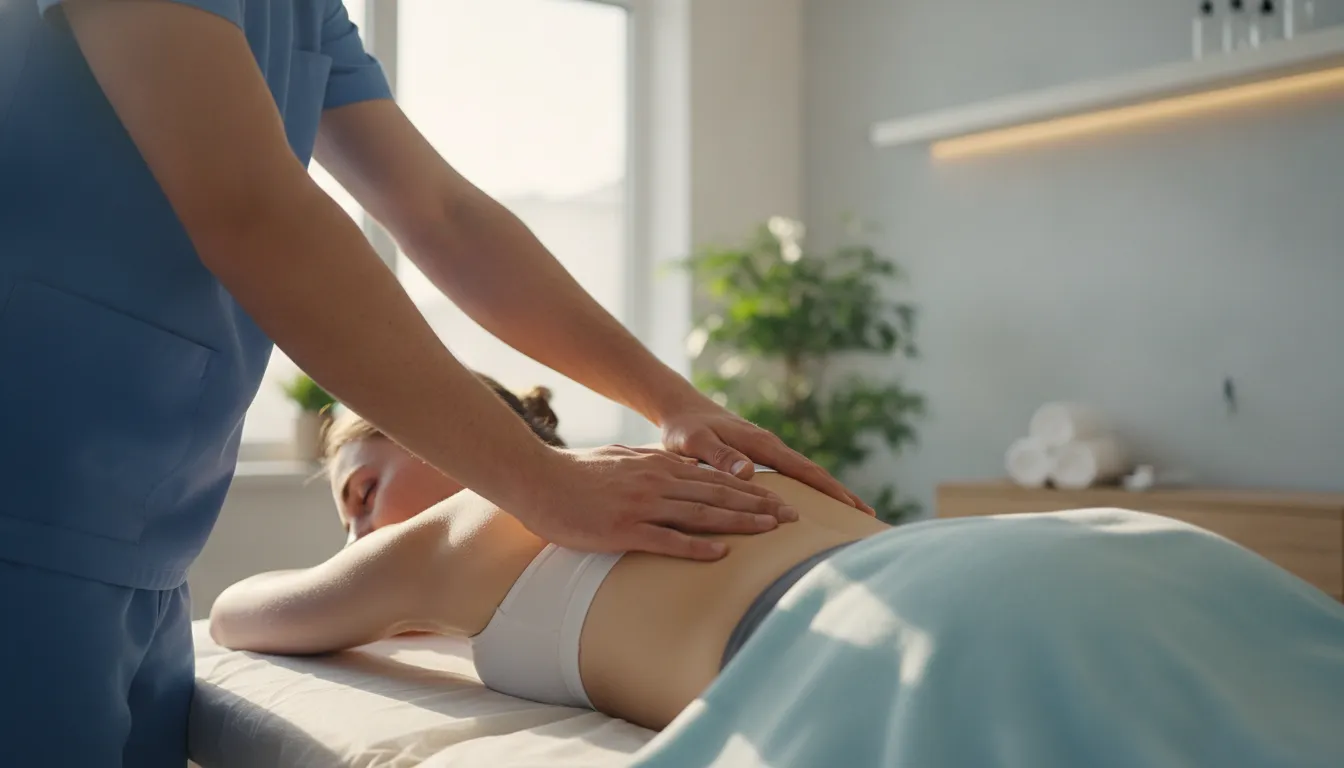
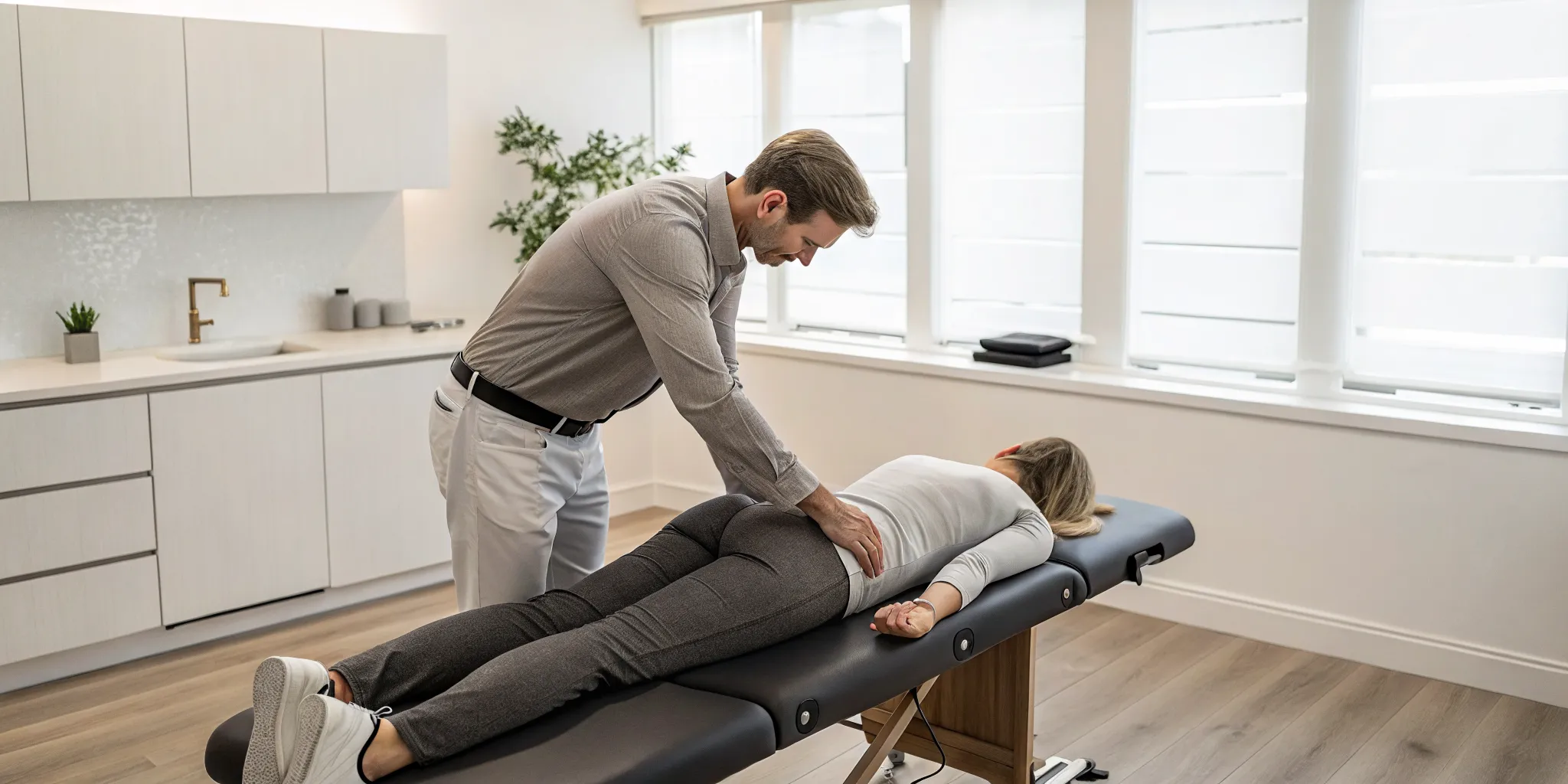
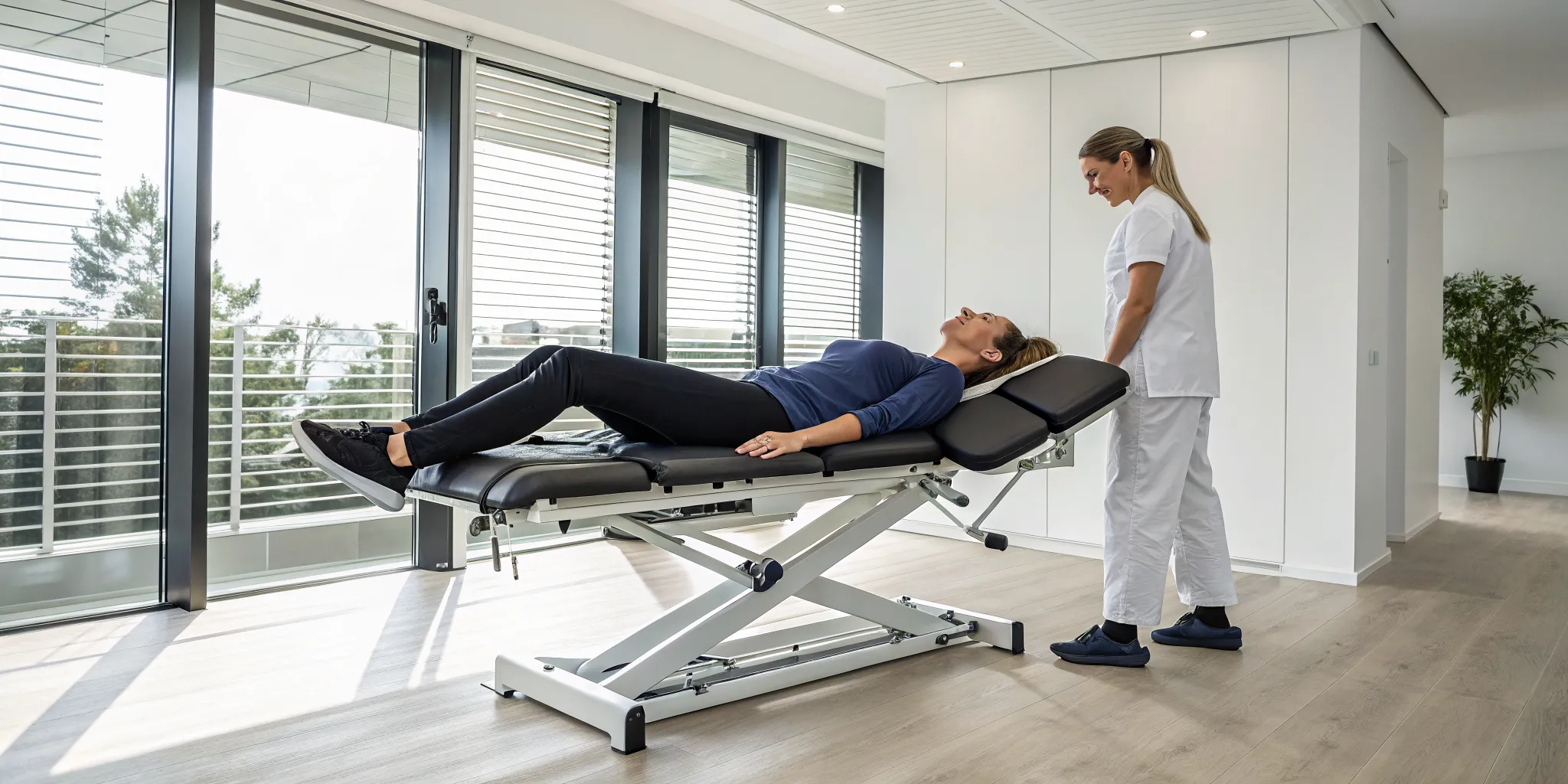
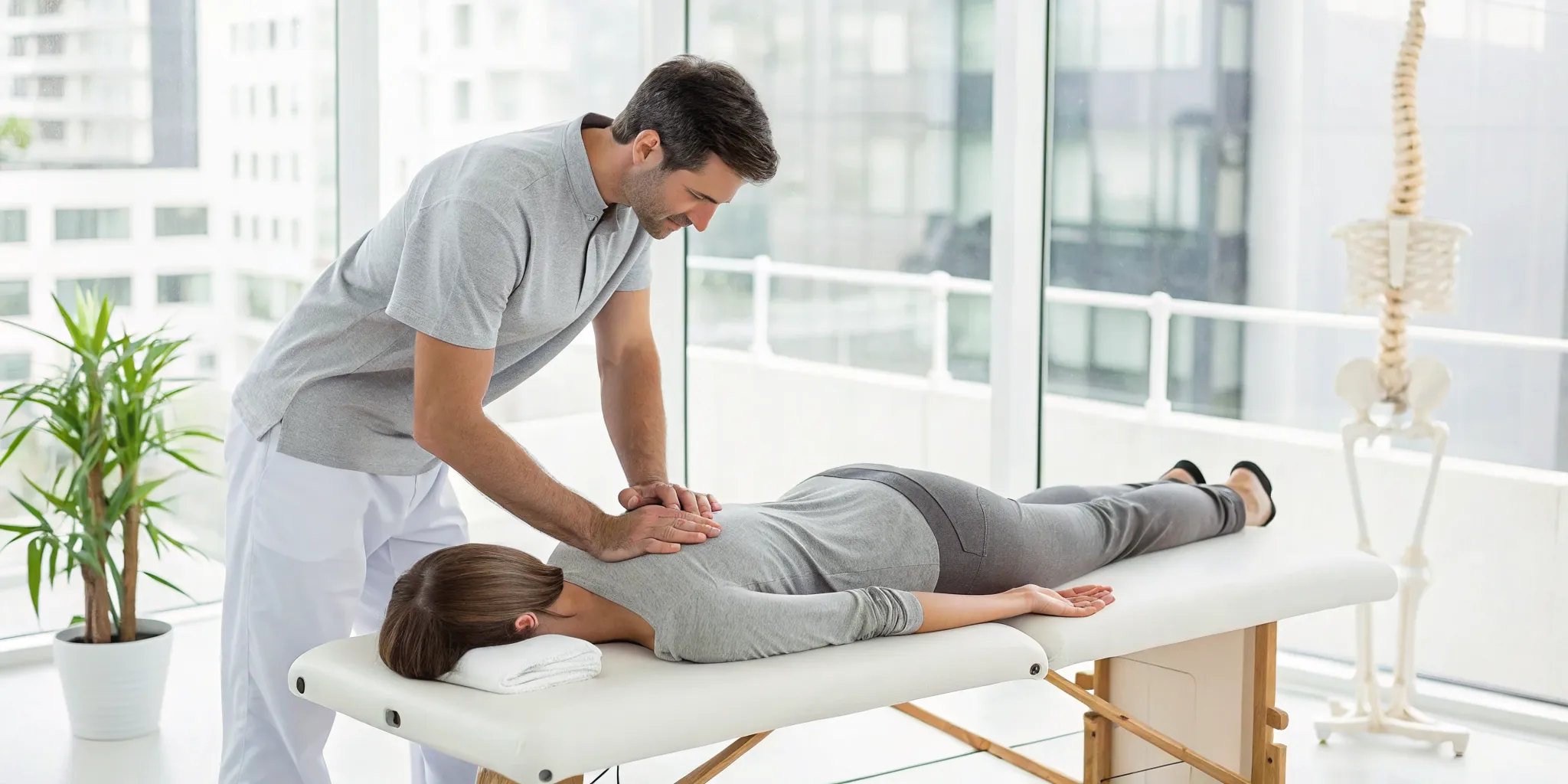
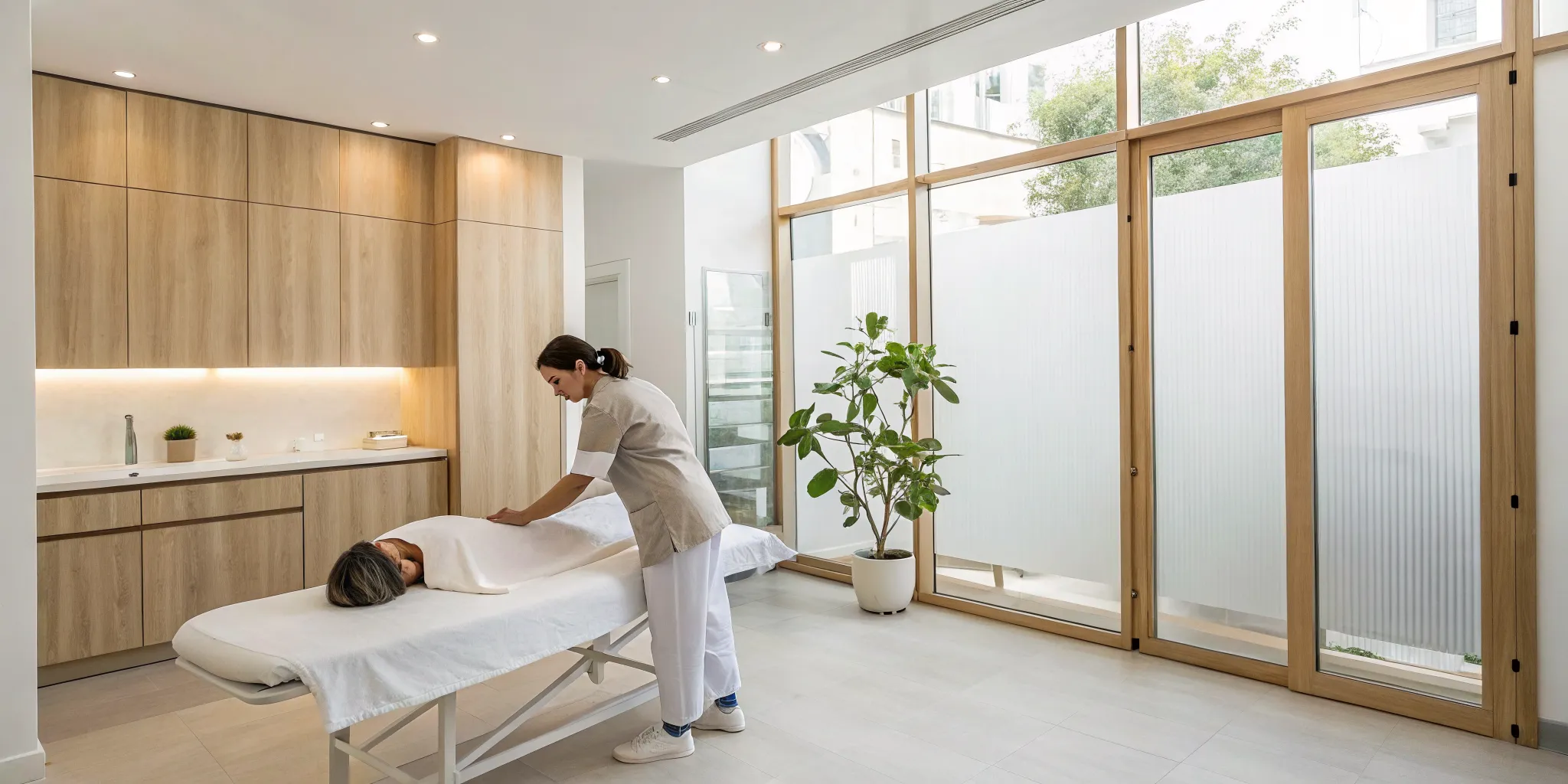
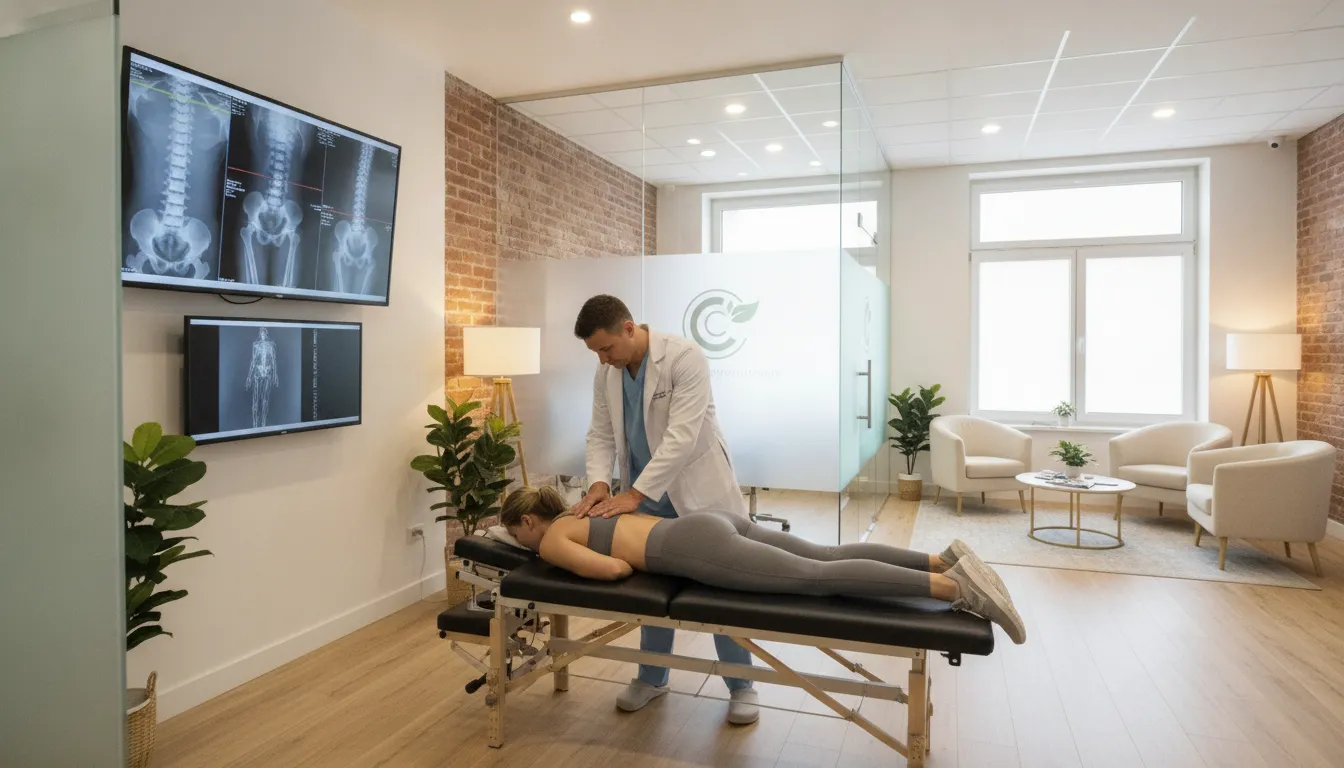
How you lie on the massage table is incredibly important for both comfort and safety. Lying flat on your stomach can sometimes increase the arch in your lower back, which can be uncomfortable with spondylolisthesis. A knowledgeable therapist will use pillows or bolsters to support your body. For example, utilizing proper positioning like placing a pillow under your abdomen can create a slight forward bend in your spine, which often provides significant relief. Don’t hesitate to speak up if you feel any discomfort; your therapist can adjust the setup to find what works best for you.
Massage Techniques to Avoid
Knowing what to avoid is just as crucial as knowing which techniques help. The number one rule for massaging with spondylolisthesis is to be gentle with the lower back. Any deep, direct pressure on the lumbar spine or aggressive stretching of the area can destabilize the vertebrae and make your pain worse. This means deep tissue work directly over the affected area is off-limits. It is crucial to be gentle and avoid deep pressure on the lower back, as this can aggravate your symptoms. Always make sure your therapist is aware of your condition and has experience working with spinal issues.
When Should You Avoid Massage?
While massage can be a fantastic tool for managing the muscle-related symptoms of lumbar spondylolisthesis, it’s not always the right move. Listening to your body and understanding when to press pause is just as important as finding the right therapist. The goal of any treatment, including massage, is to reduce stress on your spine and support your body’s healing process, not to add to it. Pushing through certain types of pain or ignoring warning signs can set back your progress and lead to more inflammation.
Think of it as a partnership with your body. Some days, it will be ready for the gentle work of massage, and other days, it might need rest or a different kind of support. The key is knowing how to tell the difference. Our approach to physical medicine always prioritizes your safety and long-term health, ensuring that every therapy is applied at the right time and in the right way. It’s about making smart choices that align with your body’s current state. Before you book your next session, it’s helpful to be aware of a few situations where massage might do more harm than good, so you can make the most of your recovery journey.
Signs It's Best to Wait
If you’re experiencing an acute flare-up with intense, sharp pain, it’s wise to postpone your massage. Working on highly inflamed tissues can increase irritation and discomfort. It’s also important to have realistic expectations. Massage therapy is excellent for addressing tight muscles and soft tissue restrictions, but it cannot physically move a slipped vertebra back into place.
You should also avoid any deep, direct pressure over the site of the spondylolisthesis. A knowledgeable therapist will focus on the surrounding muscles in your hips, glutes, and legs that might be compensating for the instability in your lower back. The main goal should always be your comfort and relaxation, so if anything during a session feels painful or wrong, it’s a clear sign to stop.
Red Flags That Require a Doctor's Opinion
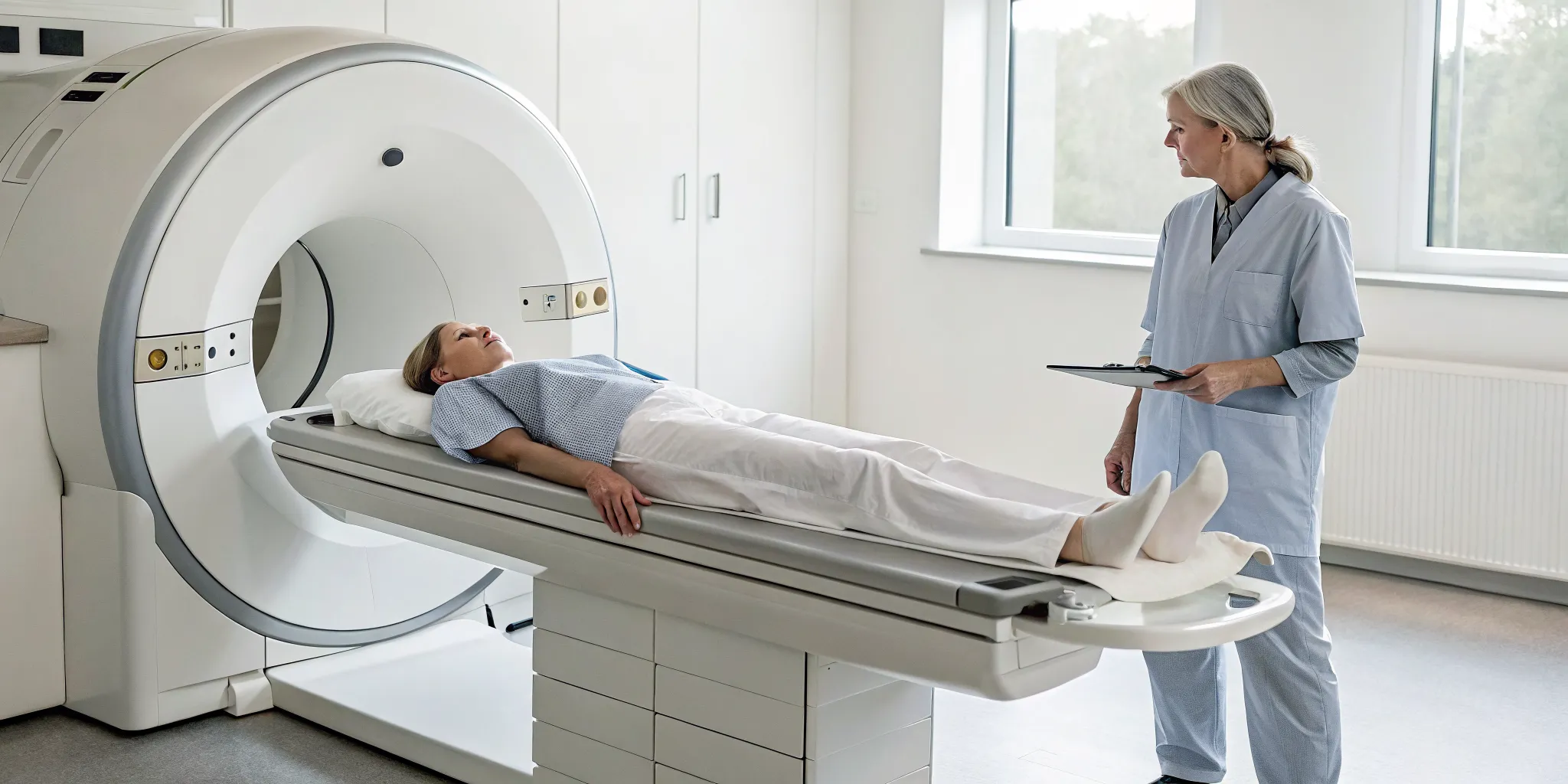
Some symptoms are more than just a sign to wait; they’re signals that you need a professional medical evaluation before proceeding with massage. If you have back pain consistent with spondylolisthesis but haven't received a formal diagnosis, getting clarity on what’s happening in your spine is the first step.
Pay close attention to any neurological changes, such as numbness, tingling, or progressive weakness in your legs. A particularly serious red flag is any change in bowel or bladder function. These symptoms could indicate significant nerve compression that requires immediate attention. If you experience any of these, it's best to contact our team for a thorough assessment before considering any form of manual therapy.
Talking to Your Therapist About Your Condition
Open communication with your massage therapist is non-negotiable. You are the expert on your body, and your feedback is essential for a safe and effective session. Before the massage begins, tell your therapist that you have lumbar spondylolisthesis. Share any information you have from your doctor, including the grade of the slip if you know it.
Point out exactly where you feel pain or sensitivity and describe the type of pain you experience. Throughout the session, speak up about what feels good and what doesn’t. You deserve to work with a practitioner who understands your condition and is skilled in adapting their techniques for your specific needs. A great therapist will welcome this dialogue and check in with you often.
What to Expect During Your Massage
Going into a massage session with a specific health condition can feel a little uncertain, but it doesn’t have to be. A therapeutic massage for lumbar spondylolisthesis is a collaborative process between you and your therapist. Your comfort and safety are the top priorities, and the entire session will be tailored to your body’s unique needs. The key is open and honest communication from the very beginning.
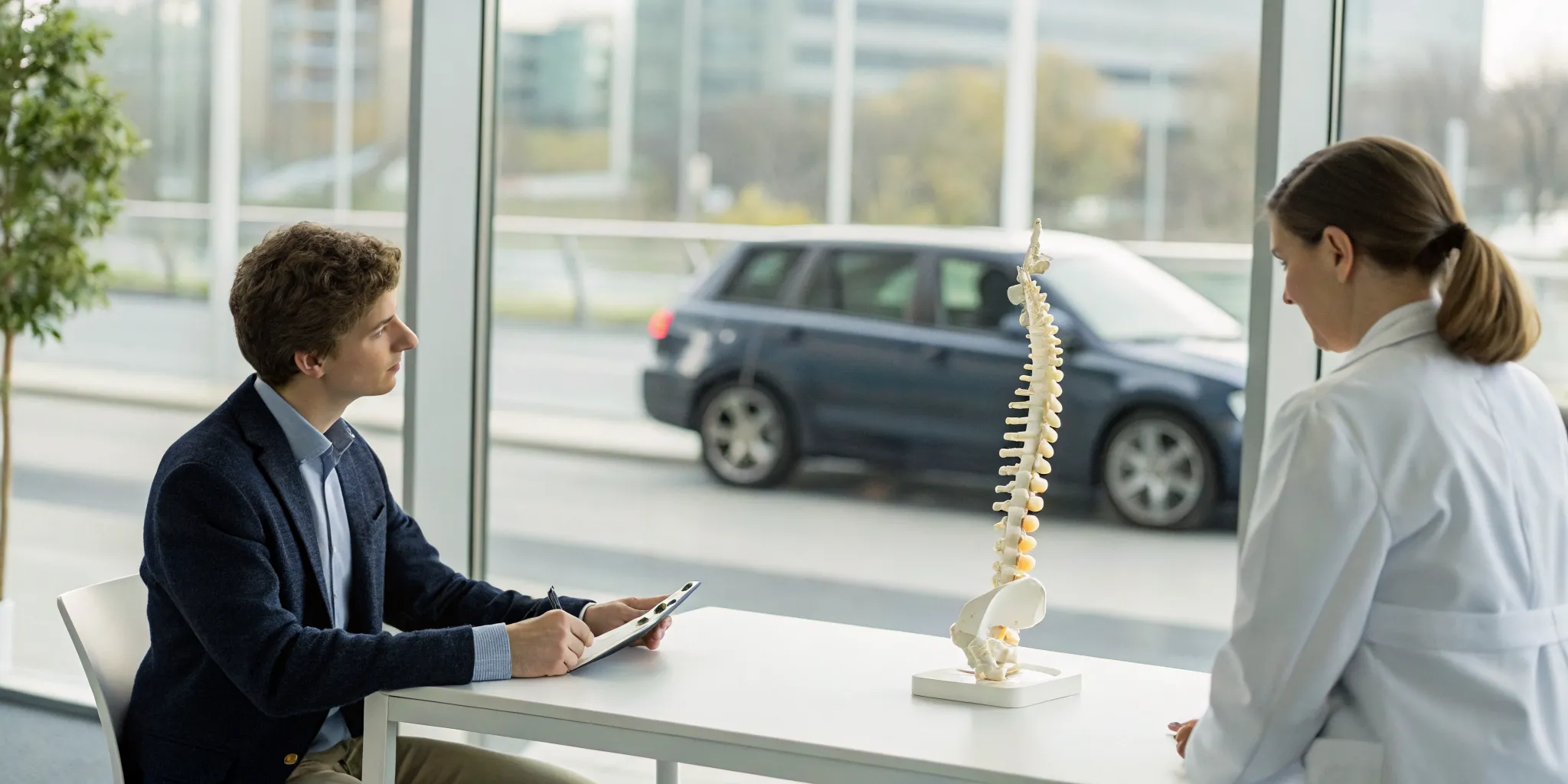
Before your session starts, your therapist will discuss your condition, symptoms, and goals. This conversation is the most important part of your appointment. It’s your opportunity to share what feels good, what doesn’t, and what you hope to achieve. A skilled therapist will use this information to create a session that is both relaxing and beneficial for your spine. Remember, you are always in control. You can ask for adjustments to pressure, positioning, or technique at any point during the massage.
Discussing Pressure and Positioning
Being upfront about your lumbar spondylolisthesis is crucial. This allows your therapist to modify their techniques to support your body properly. They will likely use pillows, bolsters, or wedges to keep your spine in a comfortable, neutral position, taking pressure off your lower back. You should never feel pain or discomfort from the way you are positioned on the table.
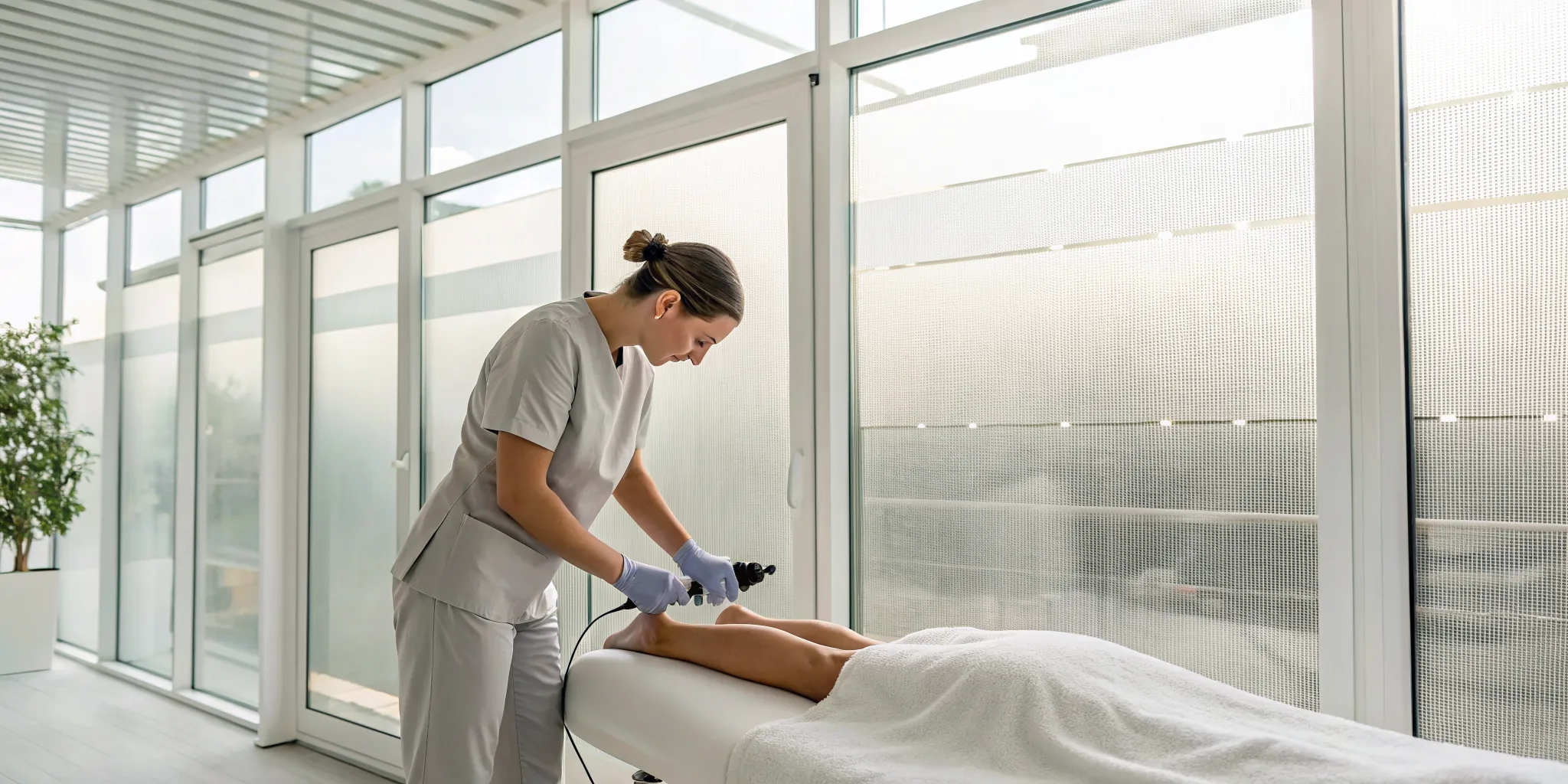
Your therapist will also adjust the pressure they use. While deep tissue massage can be very effective for releasing chronic muscle tension in the hips, glutes, and surrounding back muscles that are compensating for the slipped vertebra, direct, heavy pressure over the affected area is generally avoided. Instead, they may use gentler, broader strokes to improve circulation and calm the nervous system, which helps reduce overall muscle guarding and tension. Always speak up if the pressure feels too intense or if you experience any sharp pain.
Finding the Right Session Frequency
One of the most common questions we hear is, "How often should I get a massage?" The answer is highly individual and depends on the severity of your symptoms, your activity level, and your overall health goals. There isn't a single magic number for everyone. For some, a weekly session may be beneficial during an acute flare-up to help manage discomfort and muscle tightness. For others, a session every two to four weeks might be perfect for long-term maintenance and prevention.
The best approach is to work with your health team to figure out a schedule that works for you. Some studies suggest that regular massage can help manage symptoms and improve function over time. You might start with more frequent sessions and then gradually space them out as your symptoms improve. The goal is to find a sustainable rhythm that keeps you feeling your best. To create a personalized plan, it's always best to discuss your specific situation with a qualified professional.
Beyond Massage: Other Ways to Support Your Spine
While massage is a fantastic tool for managing the discomfort of lumbar spondylolisthesis, it works best as part of a comprehensive care plan. Think of it as one pillar of support for your spine. To build a truly stable foundation for long-term health, it’s helpful to combine massage with other therapies and lifestyle adjustments. These strategies work together to address the issue from multiple angles, providing more complete and lasting relief. By creating a well-rounded routine, you can reduce strain, build strength, and give your body the support it needs to feel its best.
Chiropractic Care and Decompression
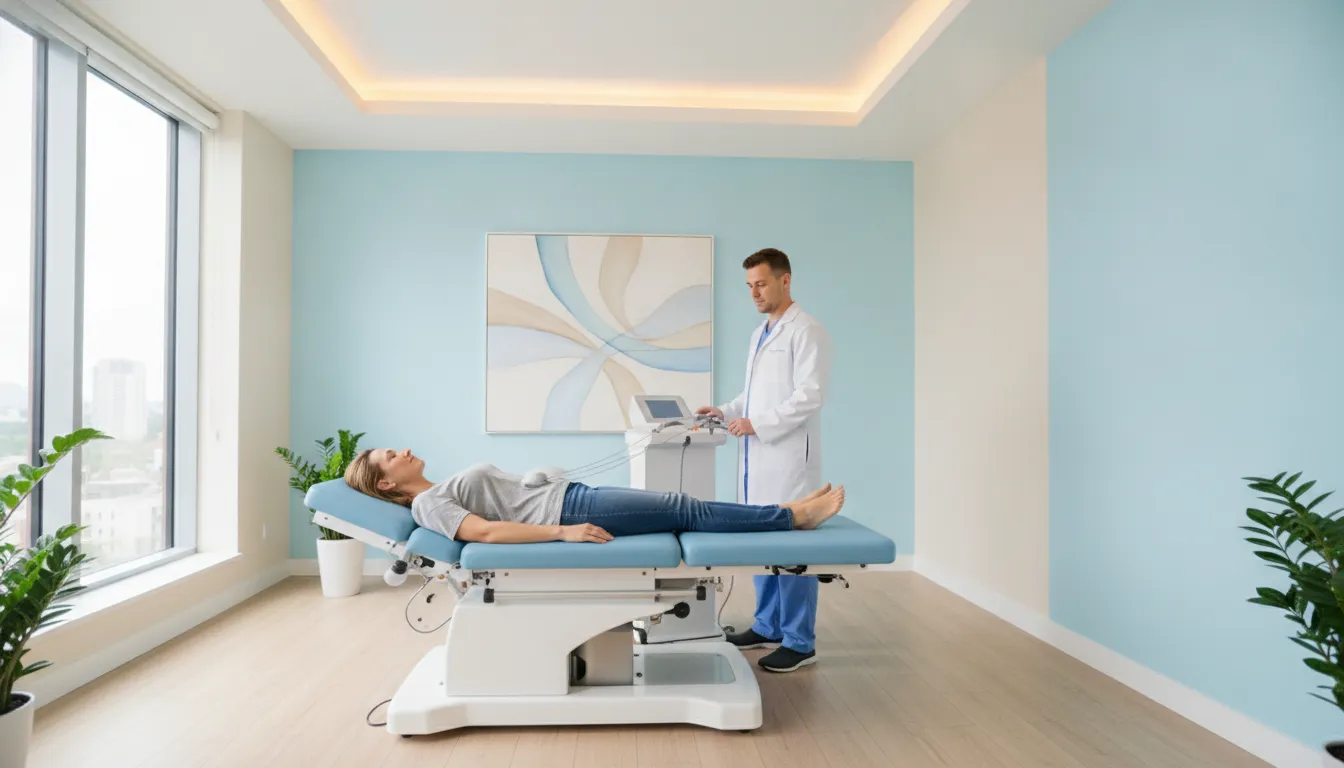
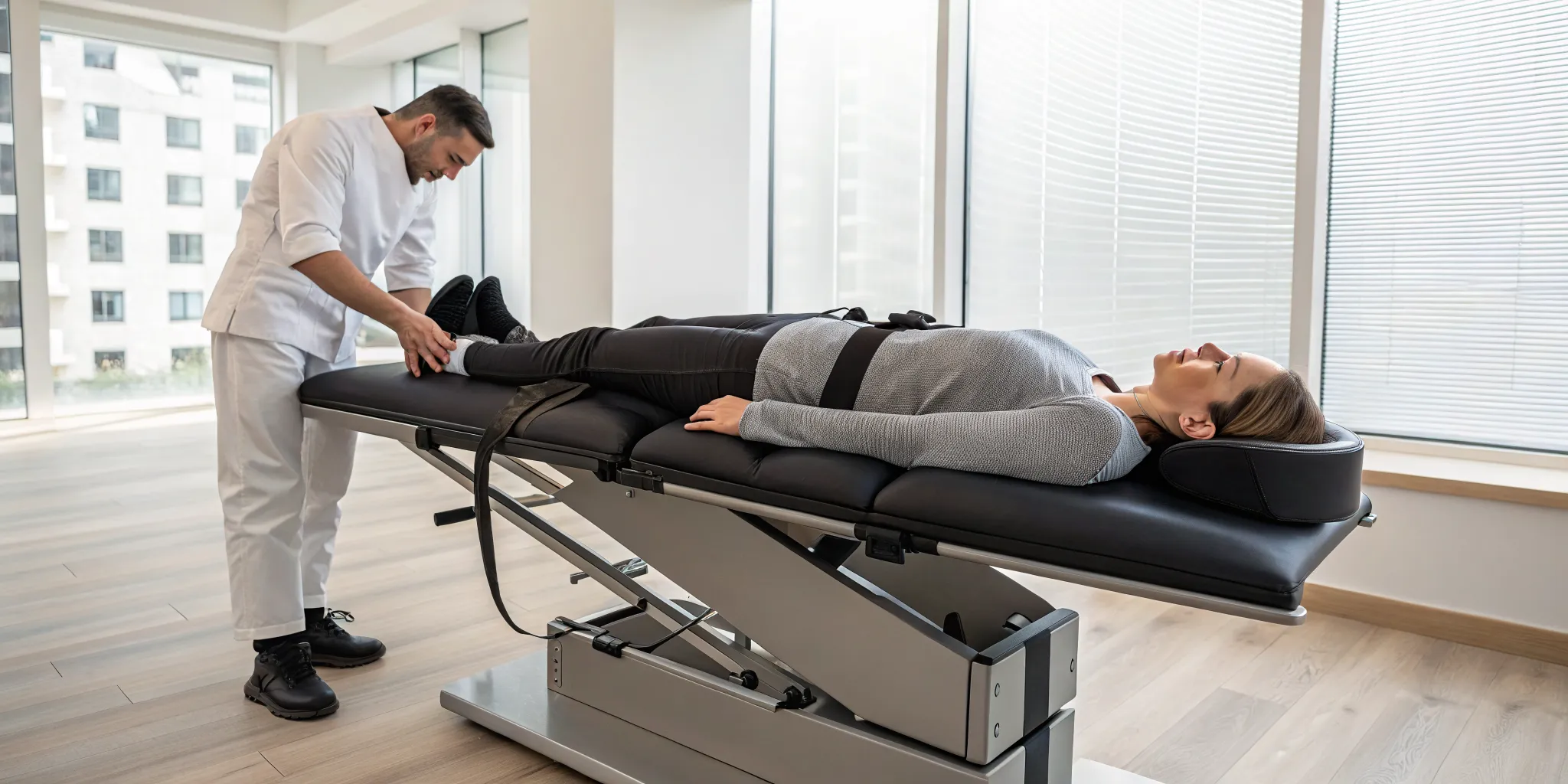
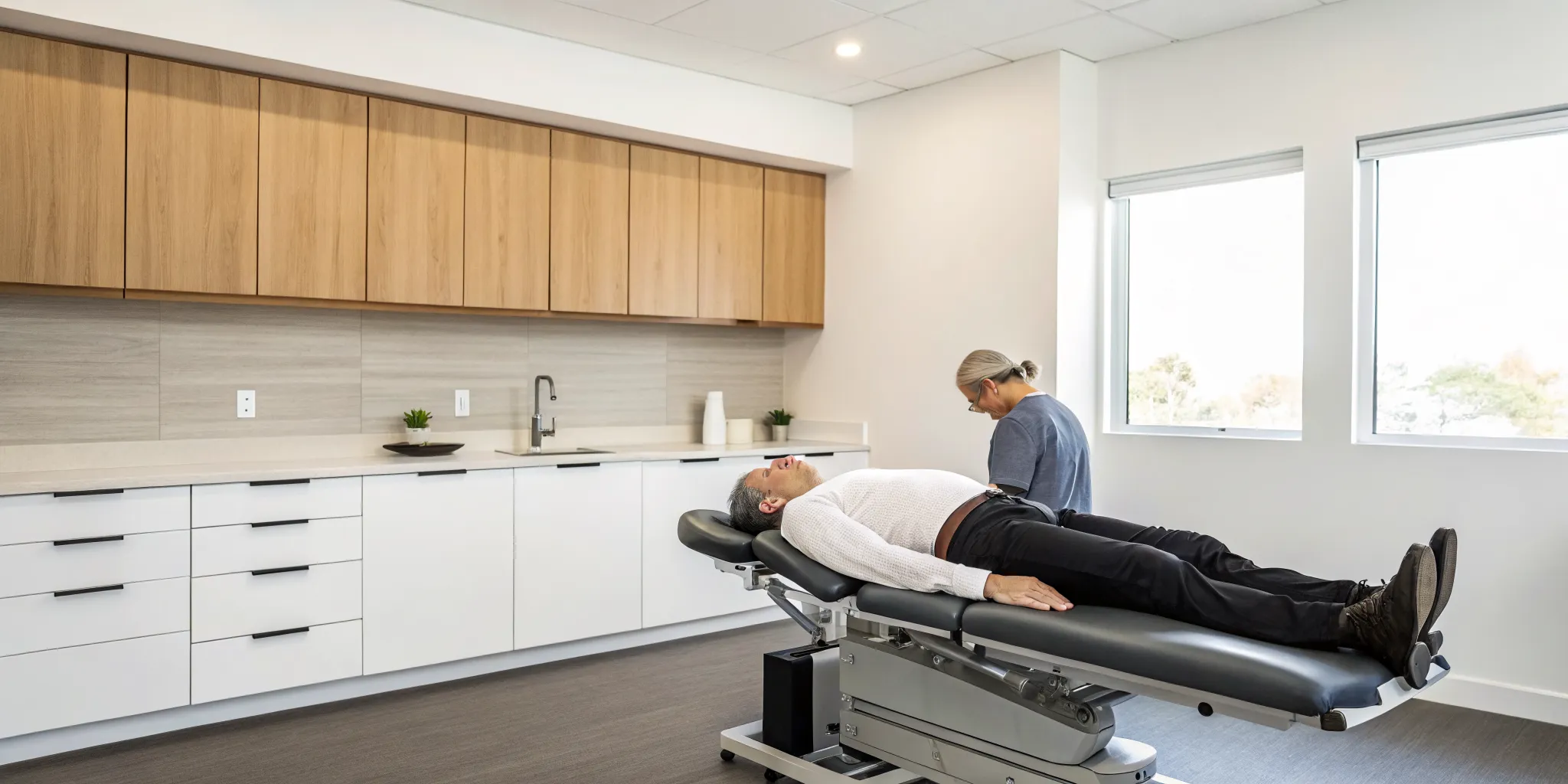
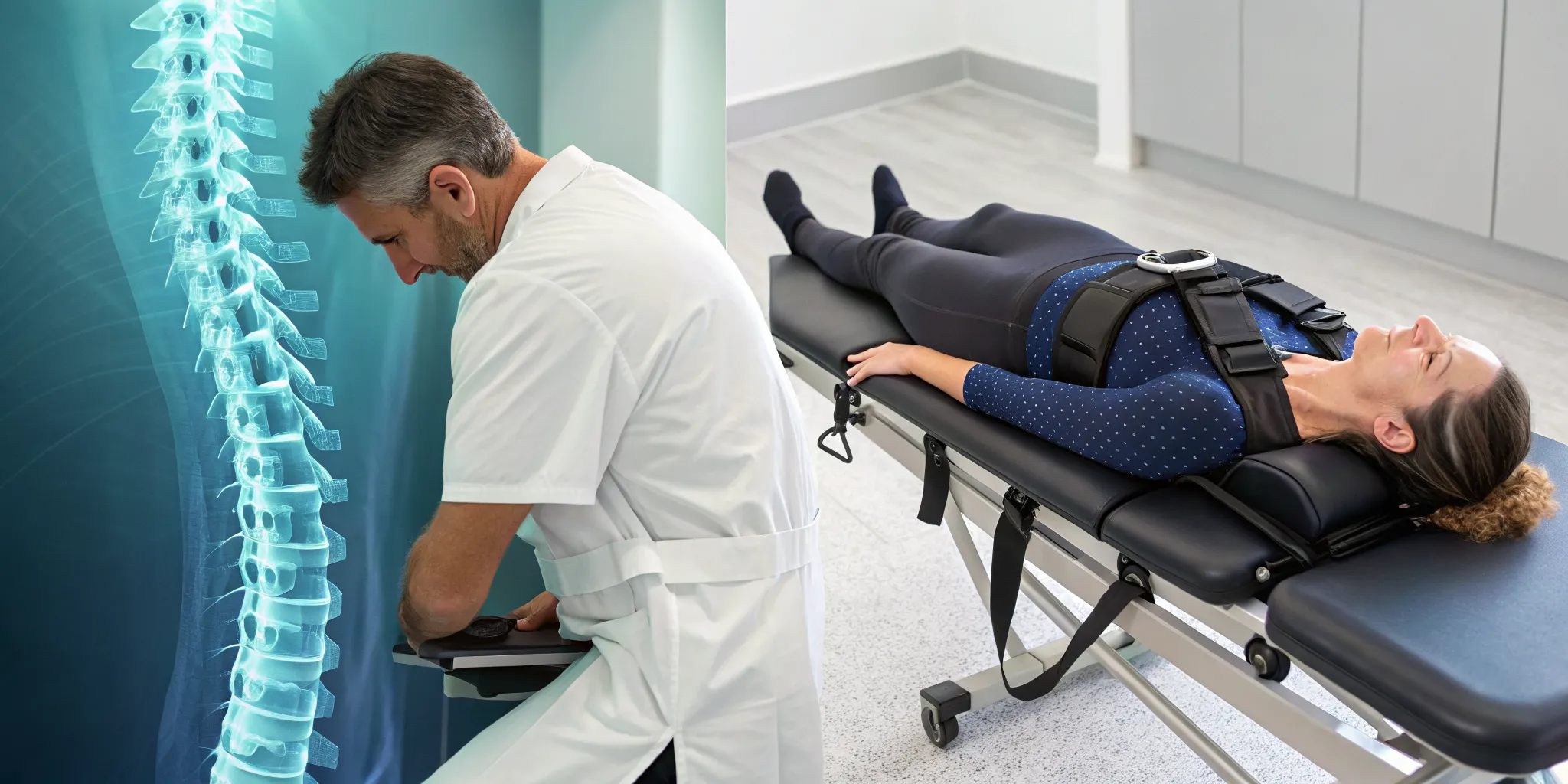
Chiropractic care can be a game-changer for spinal alignment and pain relief. For spondylolisthesis, specific adjustments and spinal decompression techniques aim to gently relieve pressure on the affected vertebrae. This isn't about forceful cracking; it's a precise method to improve your spine's overall function and create more space for your nerves. Our approach to physical medicine focuses on these types of corrective therapies. By carefully realigning the spine, we can help reduce the mechanical stress that contributes to your symptoms, allowing your body to move with greater ease and less pain. This can be a crucial step in managing the condition effectively.
Gentle Core Strengthening
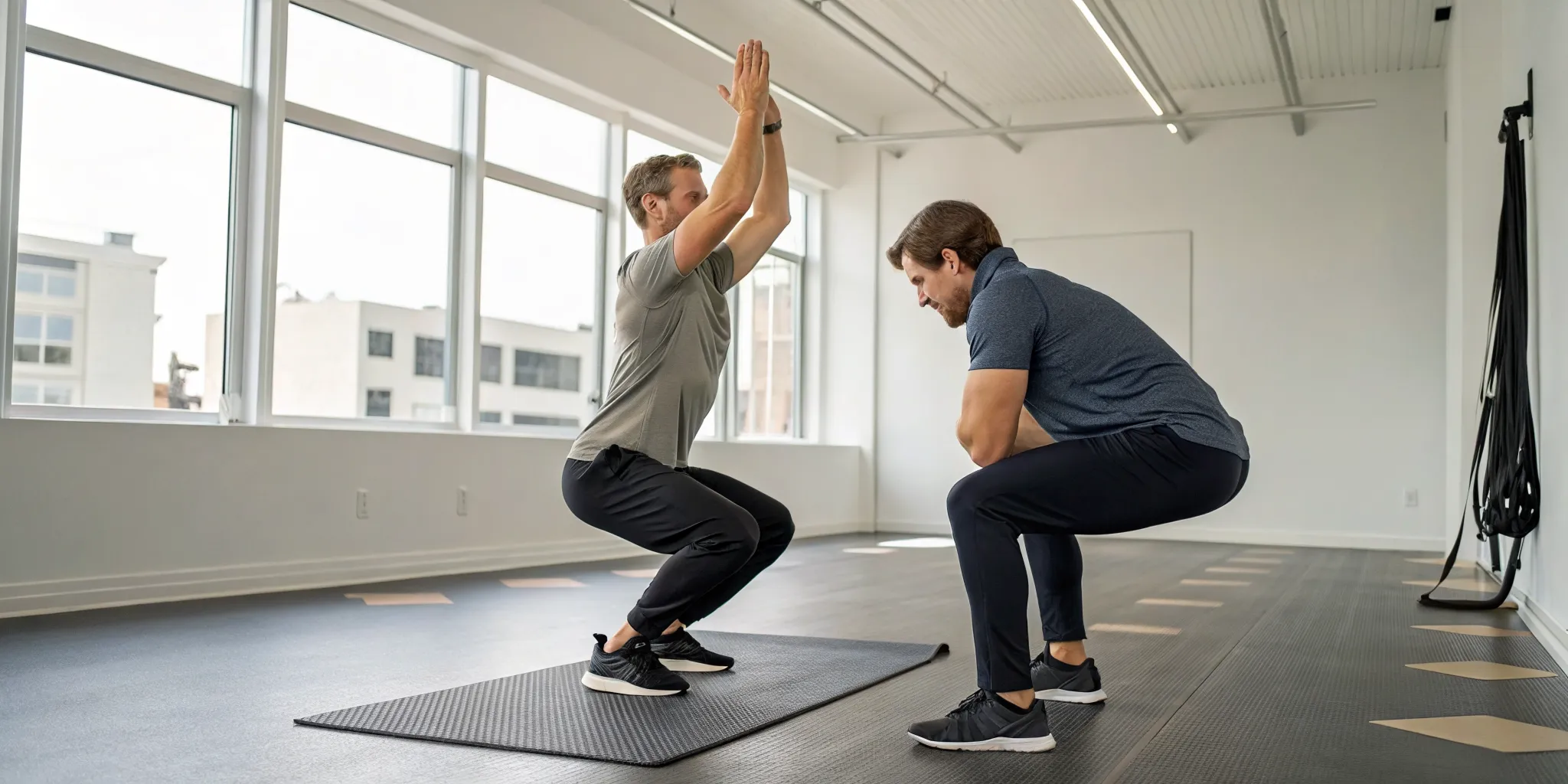
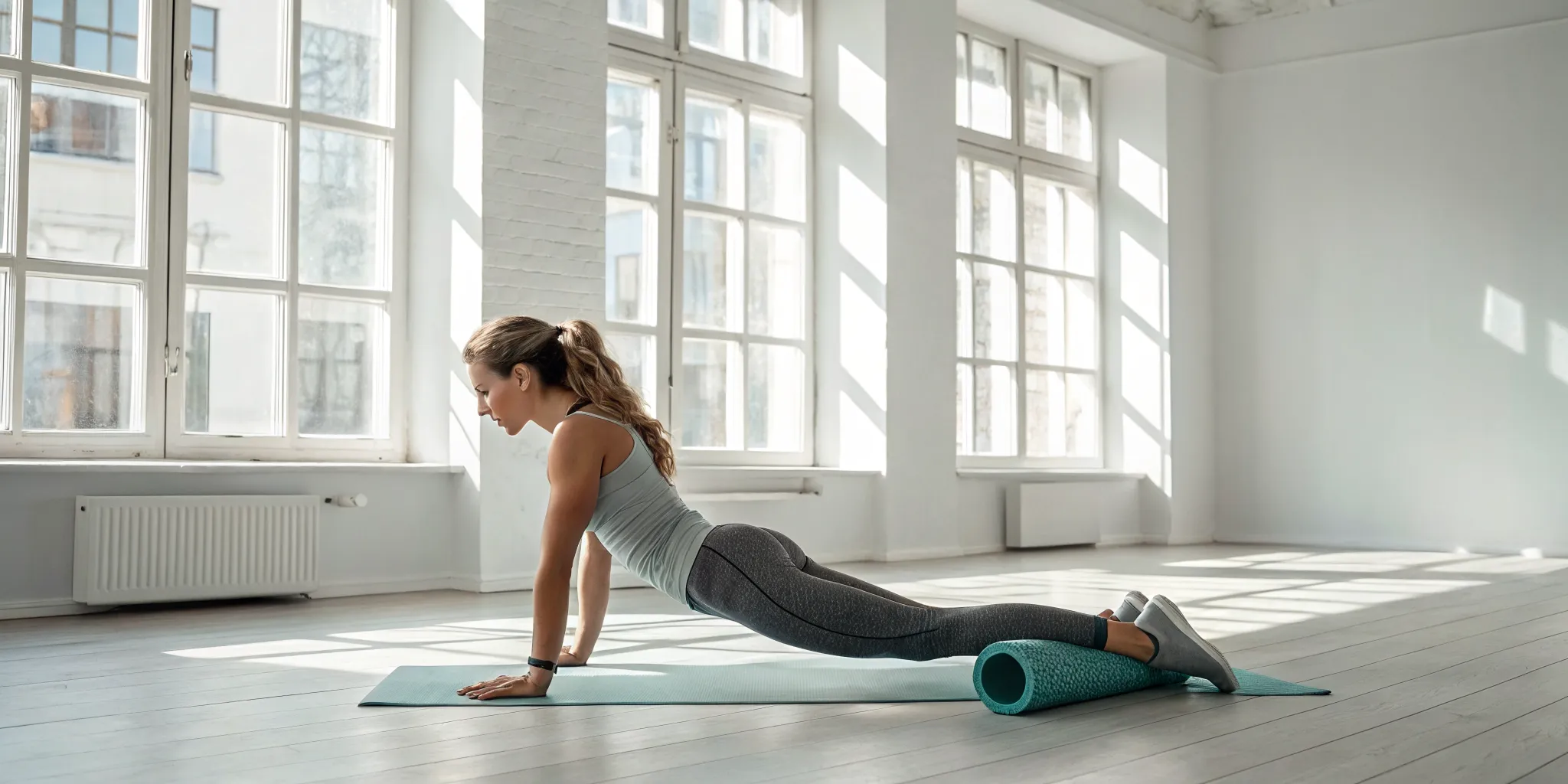
When your spine is compromised, the muscles around it have to work overtime. Building a strong, stable core is like giving your spine a natural corset of support. This doesn't mean you should jump into intense ab workouts, which could actually make things worse. Instead, the focus is on gentle, targeted exercises that activate the deep muscles of your abdomen and back. A strong core helps distribute weight more evenly and reduces the load on your lumbar spine. Learning the right exercises for your specific needs ensures you’re building stability without causing additional strain, which is a key part of addressing the conditions we treat.
Improving Posture and Managing Weight
Two of the most impactful changes you can make happen outside of any appointment. First, pay attention to your posture. Slouching while sitting or standing puts extra strain on your lower back. Try to sit with your feet flat on the floor and your back supported, and stand tall with your shoulders back. Second, managing your body weight can significantly lighten the load on your lumbar spine. Our Functional Medicine programs can help you find a sustainable path to a healthy weight by addressing underlying factors. Even a small reduction in weight can lead to a noticeable decrease in back pain and pressure.
Simple Lifestyle Changes to Reduce Strain
Your daily habits play a huge role in how your back feels. Making a few simple adjustments can prevent flare-ups and protect your spine from unnecessary stress. One of the biggest rules is to avoid heavy lifting whenever possible. When you do need to lift something, always bend at your knees and hips, not your waist, and keep the object close to your body. Being mindful of your body mechanics throughout the day adds up. These small, consistent efforts can make a world of difference in managing your symptoms and promoting better spinal health. For more tips, our blog is a great resource for actionable health advice.
Is Massage Therapy Enough on Its Own?
While massage therapy can be a game-changer for managing the pain and discomfort of lumbar spondylolisthesis, it’s important to see it as a powerful player on your team, not the entire team itself. The reality is that massage cannot fix the underlying structural issue of a slipped vertebra. It can’t push a bone back into place or heal a fracture in the spine. What it can do, and do exceptionally well, is manage the symptoms that make daily life so challenging.
Think of it this way: the slipped vertebra causes a ripple effect. It can lead to chronic muscle tightness as your body tries to stabilize the area, nerve irritation that sends pain signals shooting down your legs, and reduced mobility that keeps you from your favorite activities. Massage directly addresses these secondary issues. It helps calm the nervous system, release painfully tight muscles, and improve blood flow to promote healing. By doing so, it creates a much better environment for your body to function and for other treatments to be more effective. This is why we integrate it into a broader physical medicine plan that addresses the condition from all angles.
Why Massage Is Part of a Bigger Picture
Massage therapy is a crucial component of a holistic care plan because it tackles the soft tissue side of the equation. By reducing muscle tension and improving circulation to the affected areas, it provides significant symptom relief. This helps you feel better day-to-day, but it also prepares your body for other essential therapies. When your muscles are relaxed and less inflamed, your body is more receptive to chiropractic adjustments and corrective exercises designed to restore stability. It’s all connected. A comprehensive approach using functional medicine principles allows us to address not just the muscular symptoms but the root cause of your instability and inflammation.
Building Your Tampa-Based Health Team
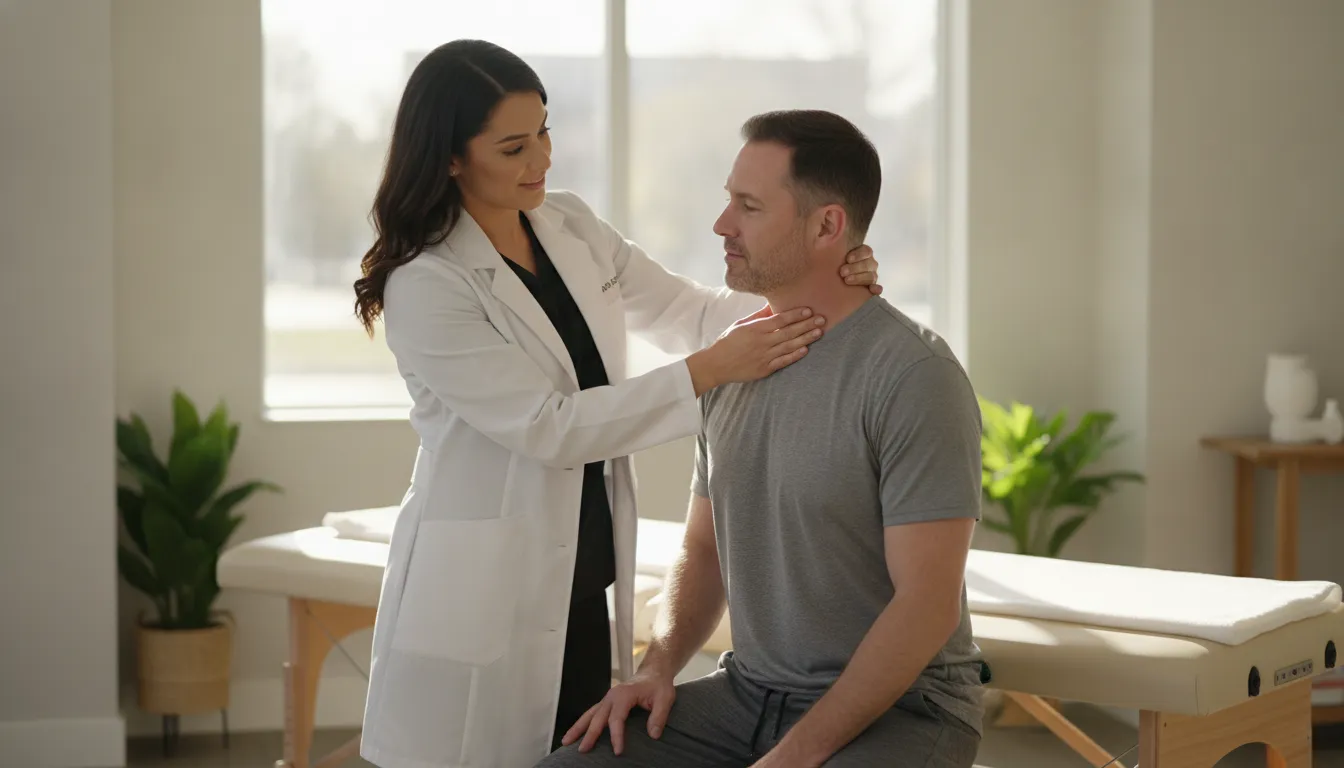
Managing spondylolisthesis effectively requires a collaborative approach. Integrating massage with other healthcare professionals ensures you receive comprehensive care tailored to your specific needs. Here in Tampa, our team at Ascend Functional Health works together to build your personalized recovery plan. Your chiropractor can address spinal alignment, while a functional medicine practitioner investigates sources of inflammation. Your massage therapist then works in concert with them to manage muscle tension and improve mobility. Having a team that communicates and collaborates on your care is the key to long-term success. If you're ready to build your team, you can contact us to get started.
How to Track Your Progress
One of the most empowering things you can do is become an active participant in your healing journey. Keeping track of your progress is essential for you and your healthcare team. We recommend keeping a simple journal to monitor changes in your pain levels, noting the intensity, frequency, and location of your discomfort. Pay attention to your mobility. Are you able to bend, twist, or walk with greater ease? Note any changes in muscle tightness or stiffness, especially in the morning or after activity. Sharing this information with your practitioners helps us see what’s working and adjust your treatment plan to ensure you continue moving toward your health goals. This is part of how we approach all the conditions we treat.
Related Articles
- Is Lumbar Decompression Chiropractic for You?
- Revitalize Your Spine with Spinal Decompression Therapy in Tampa, FL
- Massage Therapy | Alessi Functional Health
Frequently Asked Questions
Can massage therapy actually fix my slipped vertebra? It’s important to have clear expectations: massage therapy is for managing your symptoms, not for fixing the structural issue. A massage cannot physically move a slipped vertebra back into its proper place. Instead, its power lies in addressing the ripple effects of the condition. It helps to relax the chronically tight muscles that are working overtime to protect your spine, which in turn can significantly reduce your daily pain and stiffness. Think of it as a way to calm the chaos surrounding the problem area, making it easier for you to move and for other treatments to be more effective.
How do I find a massage therapist who understands my condition? Finding the right therapist is all about communication. When you call to book an appointment, be direct and ask if they have experience working with clients who have lumbar spondylolisthesis or other spinal stability issues. During your initial conversation, a knowledgeable therapist will ask you questions about your diagnosis and symptoms. They should also be able to explain how they would modify the session for your safety, such as using specific positioning with pillows and avoiding direct, deep pressure on your lower back. Trust your gut; you want someone who listens carefully and makes you feel confident in their approach.
What should I do if I feel pain during the massage? You should speak up immediately. A therapeutic massage for this condition should not be painful, especially over your lower back. While you might feel the "good hurt" of a trigger point being released in your glutes or hips, you should never feel sharp, shooting, or intense pain. You are always in control of the session. A simple, "That's a little too much pressure for me," or, "That spot is very sensitive," is all a good therapist needs to hear to make an adjustment. The goal is to soothe your nervous system, not put it on high alert.
How often should I get a massage for spondylolisthesis? The ideal frequency really depends on your specific situation. There isn't a one-size-fits-all answer. If you're dealing with a lot of muscle tightness and discomfort, you might find that weekly sessions help you get things under control. As you start to feel better and incorporate other therapies like corrective exercise, you might transition to a maintenance schedule of one session every two to four weeks. The best way to figure out your ideal rhythm is to listen to your body and work with your health team to create a sustainable plan that supports your long-term goals.
Besides massage, what are the most important things I can do for my back? Massage is a fantastic piece of the puzzle, but building a stable and pain-free back requires a team approach. Combining massage with other strategies creates the most lasting results. Working with a chiropractor on gentle adjustments and spinal decompression can help address the alignment of your spine. At the same time, focusing on gentle core strengthening exercises builds a natural support system for your lower back. Simple lifestyle changes, like improving your posture and learning how to lift properly, also reduce daily strain on your spine and can make a huge difference.