If you’re an active person sidelined by a stubborn injury or someone whose daily life is limited by chronic joint pain, this is for you. Conditions like tennis elbow, Achilles tendonitis, and shoulder pain often linger because the affected tissues have poor blood flow and are slow to heal. Shockwave therapy is specifically designed to target these stubborn areas. It provides the catalyst your body needs to kickstart a new healing cycle. If you're tired of being held back and are searching for a shockwave treatment center near me, you’re looking for a path back to an active life.
Key Takeaways
- It Activates Your Body's Natural Repair System: Shockwave therapy is a non-invasive treatment that uses targeted sound waves to stimulate your body’s inherent healing abilities. This process increases blood flow and signals cellular repair, helping regenerate healthy tissue and address the root cause of your pain.
- It Excels at Treating Chronic Conditions: This therapy is especially effective for persistent soft tissue and tendon issues that have not improved with other methods. It provides a powerful solution for conditions like plantar fasciitis, tennis elbow, rotator cuff pain, and chronic muscle knots.
- The Right Provider Is Key to Your Success: The effectiveness of shockwave therapy depends heavily on the practitioner's skill and approach. For the best results, choose a provider who offers a personalized treatment plan, uses high-quality equipment, and focuses on a comprehensive strategy to resolve your specific issue.
How Does Shockwave Therapy Work?
It might sound complex, but the idea behind shockwave therapy is actually quite simple: it uses sound waves to encourage your body to heal itself. This treatment is a cornerstone of our physical medicine services because it directly addresses the source of pain and dysfunction without invasive methods. It’s a way to work with your body’s inherent ability to repair, guiding it to focus on the areas that need it most. Let’s look at how this process unfolds.
The Science of Healing with Sound Waves
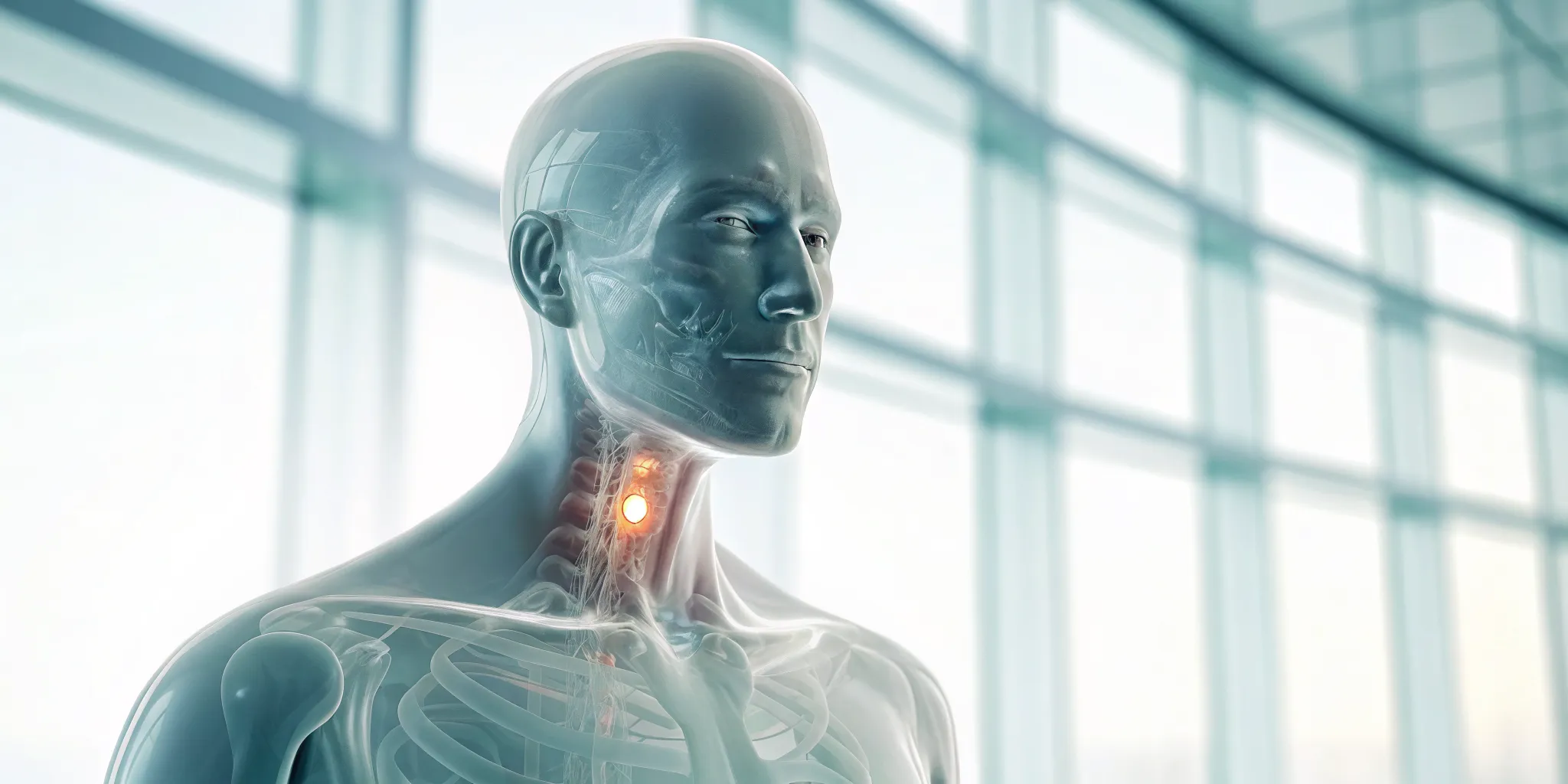
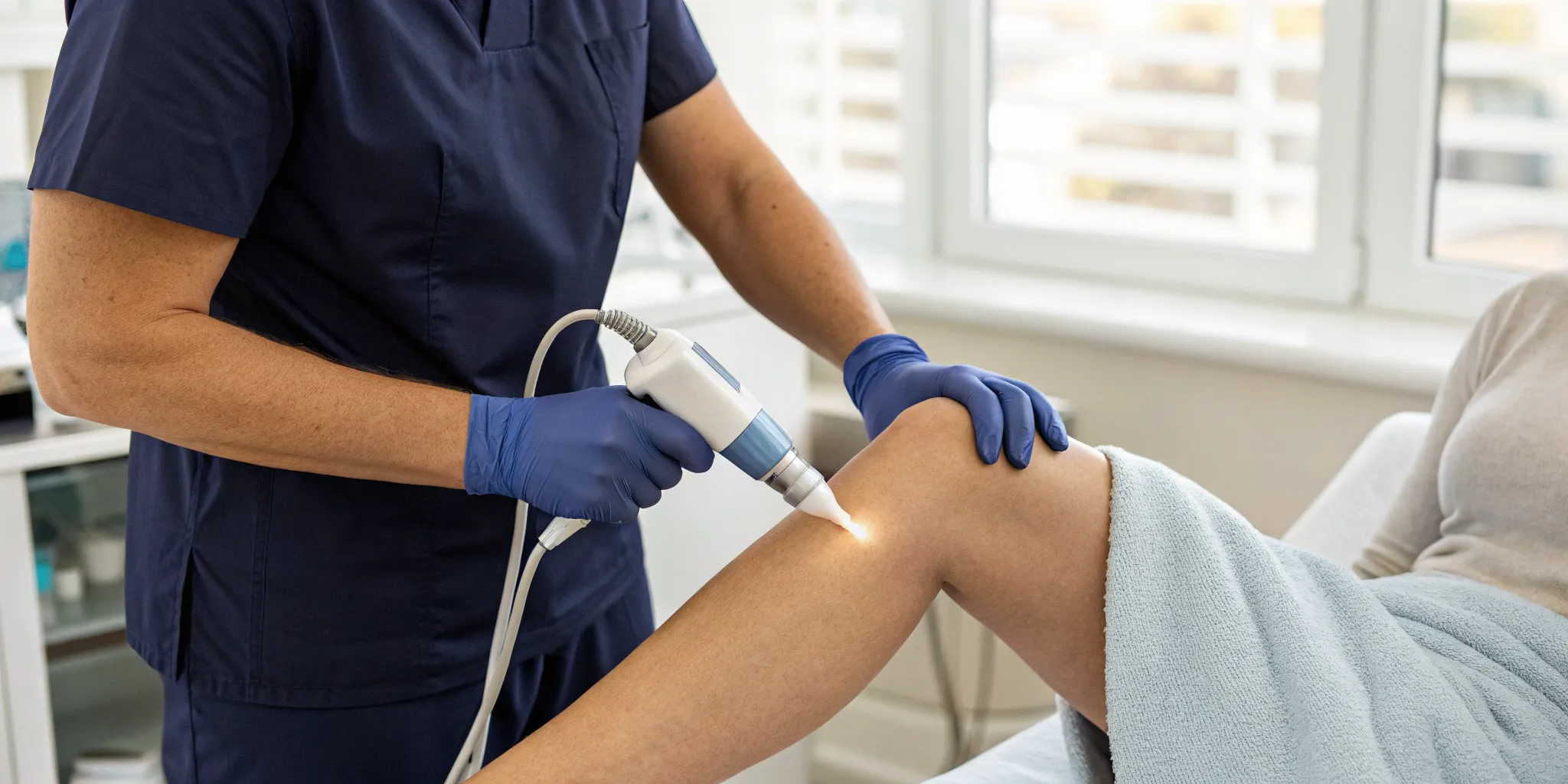
Shockwave therapy is a non-invasive procedure, which means it doesn’t require any incisions or instruments to enter the body. Instead, a special device is placed on your skin over the injured area. This device delivers high-energy acoustic waves, or sound waves, deep into the tissue. Think of it as a highly focused and powerful form of sound energy. These waves create micro-trauma in the targeted tissue, which sounds counterintuitive, but it’s actually the key to jumpstarting your body’s healing response. This process stimulates blood flow, reduces inflammation, and prompts the regeneration of healthy new tissue right where you need it.
Activating Your Body's Natural Repair Process
So, how do sound waves tell your body to heal? The acoustic waves create mechanical forces that signal your cells to begin repairing and rebuilding. This cellular communication is a natural process called mechano-transduction. Essentially, the therapy provides a clear message to your body’s internal repair crew, telling them, “Hey, this area needs attention!” This prompts the release of growth factors and stem cells, which are crucial for repairing tendons, ligaments, and other soft tissues. It’s a great example of how functional medicine works, using external stimuli to activate the powerful healing systems you already have.
What Sets Shockwave Therapy Apart?
Unlike treatments that only manage symptoms, shockwave therapy aims for a long-term solution by addressing the root cause of your pain. It’s a safe, research-backed method that stands out because it activates your body’s own repair mechanisms. Many other approaches either mask pain or require more invasive techniques. Shockwave therapy, however, empowers your body to fix the problem itself. It’s particularly effective for chronic conditions that haven’t responded to other treatments. By stimulating natural healing, it helps you find lasting relief and get back to doing what you love, addressing many of the conditions we treat at our Tampa clinic.
What Conditions Does Shockwave Therapy Address?
If you're dealing with persistent pain that just won’t quit, you know how frustrating it can be. You’ve likely tried stretching, resting, and maybe even other therapies without finding lasting relief. This is where shockwave therapy often comes in. It’s a versatile treatment that excels at addressing a wide range of musculoskeletal conditions, especially chronic issues that have lingered for months or even years. By targeting the underlying cause of your discomfort, like scar tissue or poor blood flow, it helps your body get back to the business of healing itself.
This approach is particularly effective for stubborn pain in the tendons, joints, and other soft tissues. Instead of just masking the symptoms, shockwave therapy works to repair the tissue at a cellular level. It’s a cornerstone of our physical medicine services because it aligns perfectly with our goal of finding and treating the root cause of your health concerns. From the nagging ache in your heel to the sharp pain in your shoulder, this therapy can restart the healing process and help you move forward. It's a non-invasive option that stimulates your body's own repair mechanisms, making it a powerful tool for anyone looking for a solution that goes beyond temporary fixes. Let’s look at some of the specific conditions that respond well to this innovative treatment.
Plantar Fasciitis and Heel Pain
Waking up to a sharp, stabbing pain in your heel is a terrible way to start the day, but it’s the reality for many people with plantar fasciitis. This condition involves inflammation of the plantar fascia, the thick band of tissue that runs across the bottom of your foot. It can make simple activities like walking or standing feel unbearable. Shockwave therapy directly targets this inflamed tissue with acoustic waves, which helps break down scar tissue and stimulate new blood vessel growth. This process reduces pain and, more importantly, promotes long-term healing of the fascia so you can get back on your feet without that dreaded morning pain.
Tendonitis in the Achilles, Elbow, and Shoulder
Tendonitis is a common overuse injury that can affect various parts of the body, leading to conditions like tennis elbow, jumper's knee, and rotator cuff pain. It happens when tendons become inflamed and irritated, causing persistent aching and stiffness. Because tendons have a limited blood supply, they can be slow to heal on their own. Shockwave therapy gives them the nudge they need by creating a controlled inflammatory response that signals your body to send in healing resources. This helps repair damaged tendon fibers and provides relief from the chronic pain that’s been holding you back from your favorite activities.
Chronic Joint Pain and Sports Injuries
Sometimes, an old sports injury or persistent joint pain just doesn't seem to heal completely, no matter what you do. This is often because the initial healing process stalled, leaving behind scar tissue and reduced blood flow. Shockwave therapy is an excellent option for these chronic cases, especially when other treatments haven't provided the desired results. By delivering targeted energy waves to the area, it effectively "re-injures" the tissue on a microscopic level, kickstarting a new and more robust healing cycle. This makes it a powerful tool for addressing many of the conditions we treat, helping athletes and active individuals finally overcome lingering injuries.
Myofascial Pain and Soft Tissue Conditions
Have you ever had a stubborn "knot" in your muscle that just won't release? That’s often a trigger point, a tight band of muscle fiber that can cause pain and stiffness, sometimes in seemingly unrelated areas. This is known as myofascial pain. Shockwave therapy is highly effective at deactivating these trigger points. The acoustic waves penetrate deep into the muscle tissue, increasing circulation and releasing the tension that causes discomfort. By addressing these knots directly, the therapy helps restore normal muscle function and flexibility, offering a path to relief for complex soft tissue conditions that can impact your daily life.
Is Shockwave Therapy the Right Choice for You?
Deciding on a new treatment can feel like a big step, especially when you've been dealing with persistent pain. You've likely tried several things already and are looking for a solution that actually gets to the heart of the problem. Shockwave therapy is an innovative approach within our Physical Medicine pillar, but it's not a one-size-fits-all answer. The key is understanding if it aligns with your specific condition and health goals. Let's walk through what makes someone a good candidate, what to consider before starting, and what you can realistically expect from the process. This will help you feel confident and informed as you consider whether shockwave therapy is the right path for your healing journey.
Who Is an Ideal Candidate?
If you're struggling with chronic pain from an injury that just won't heal, shockwave therapy might be a great option for you. It’s particularly effective for issues involving tendons, muscles, and joints that haven't responded well to other treatments. We often see excellent results for people with stubborn conditions like plantar fasciitis, tennis elbow, Achilles tendonitis, and shoulder pain. If you're an active person tired of being sidelined by an injury or someone whose daily life is limited by persistent discomfort, you are exactly the type of person who could benefit. This therapy is designed to stimulate your body's own healing mechanisms, making it a powerful choice for addressing a wide range of conditions we treat.
Important Considerations Before Treatment
Before you begin any new treatment, it’s essential to know you’re in good hands. The effectiveness of shockwave therapy depends heavily on the skill of the practitioner and the quality of the equipment they use. You should always feel comfortable asking about a provider's qualifications and their experience with your specific condition. At Ascend, we believe in complete transparency. Our team is highly trained in advanced regenerative techniques, and we’re committed to using protocols that are backed by research. We encourage you to learn more about our approach and ask us any questions you have. Your trust and confidence are the foundation of a successful healing partnership.
Common Misconceptions, Debunked
There are a few myths about shockwave therapy that we should clear up. First, many people worry that it’s invasive or painful. In reality, shockwave therapy is completely non-invasive; there are no needles or incisions involved. Most people describe the sensation as a strong tapping or pulsing. Another common misconception is that it's a "one-and-done" quick fix. While it is highly effective, true healing takes time. The therapy works by stimulating your body's natural repair process over a series of sessions, leading to lasting results rather than a temporary patch. It’s a safe, well-researched treatment designed for long-term resolution.
How Many Sessions Will You Need?
This is one of the most common questions we get, and the answer is: it depends on you. While a typical treatment plan involves three to five sessions, your body and your injury are unique. Each session is relatively short, usually lasting about 10 to 15 minutes. During your initial consultation, we’ll conduct a thorough assessment to understand the root cause of your pain. Based on that evaluation, we will create a personalized plan tailored to your specific needs and goals. Our focus is always on providing the most effective care for your situation, ensuring you get the right amount of treatment to achieve lasting relief. You can schedule a consultation to discuss your specific case with our team.
A Look at Potential Side Effects
It's completely normal to wonder about side effects. The good news is that shockwave therapy is very safe, and the side effects are typically minor and temporary. During the treatment, you might feel some mild discomfort or a tingling sensation, but it’s generally well-tolerated. Afterward, it’s common to experience some redness, minor swelling, or even bruising in the treated area. These are positive signs that your body is responding to the therapy and kicking its healing process into gear. These effects usually fade within a day or two, and most people can return to their normal activities right away.
What to Expect During Your Appointment
Stepping into a new kind of health care can feel a little uncertain, but knowing what the process looks like can make all the difference. At Ascend Functional Health, our approach is centered on you, your comfort, and your specific goals. From the moment you walk in for your first consultation to the final steps of your treatment plan, we’re here to guide you. We believe in clear communication and a partnership approach, ensuring you feel informed and confident every step of the way. Here’s a simple breakdown of what your shockwave therapy journey with us will involve.
Your Initial Consultation and Setting Goals
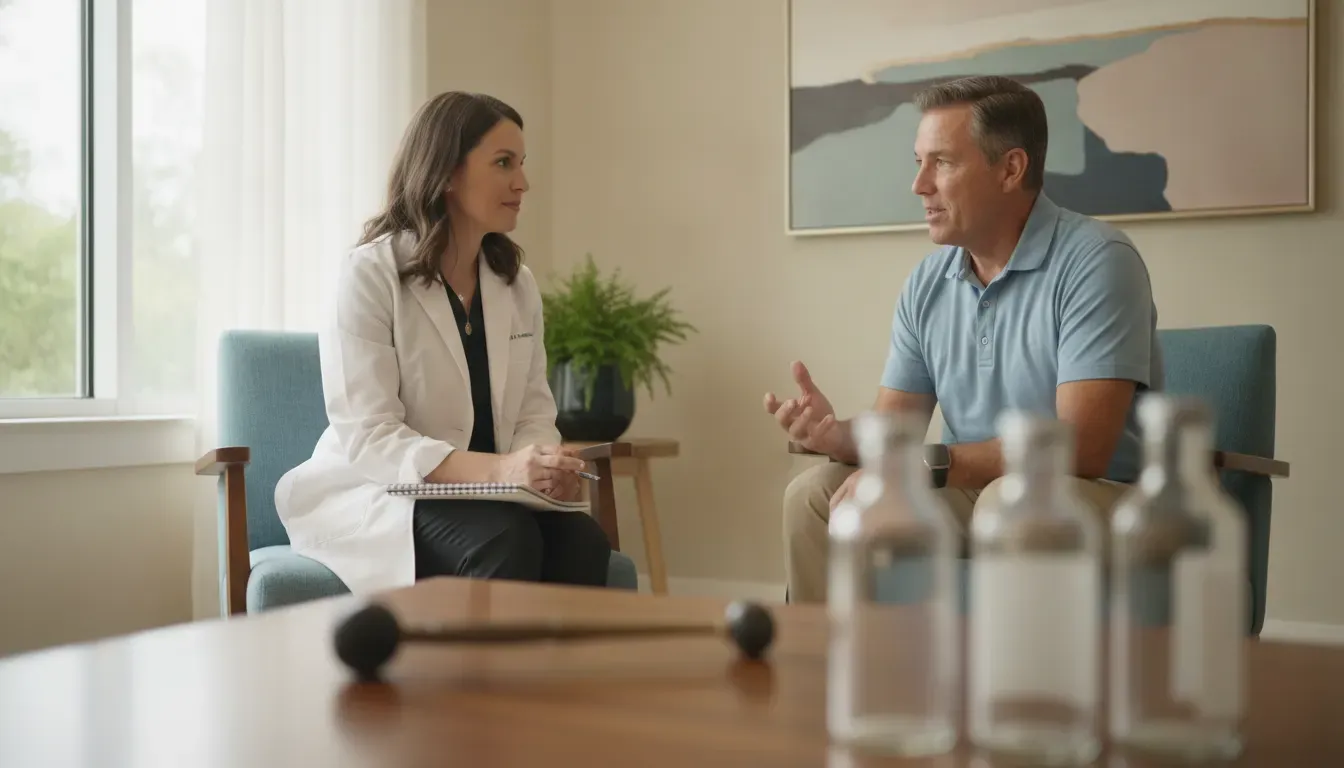
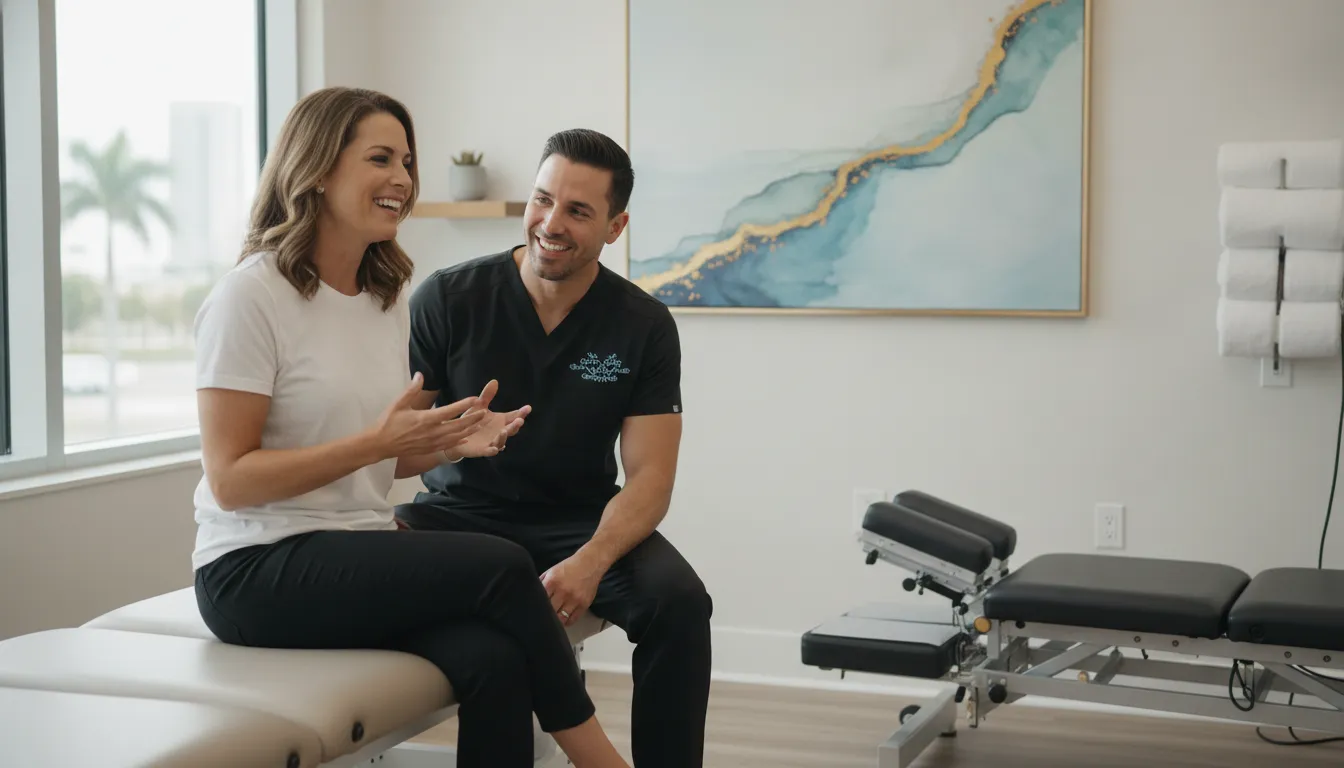
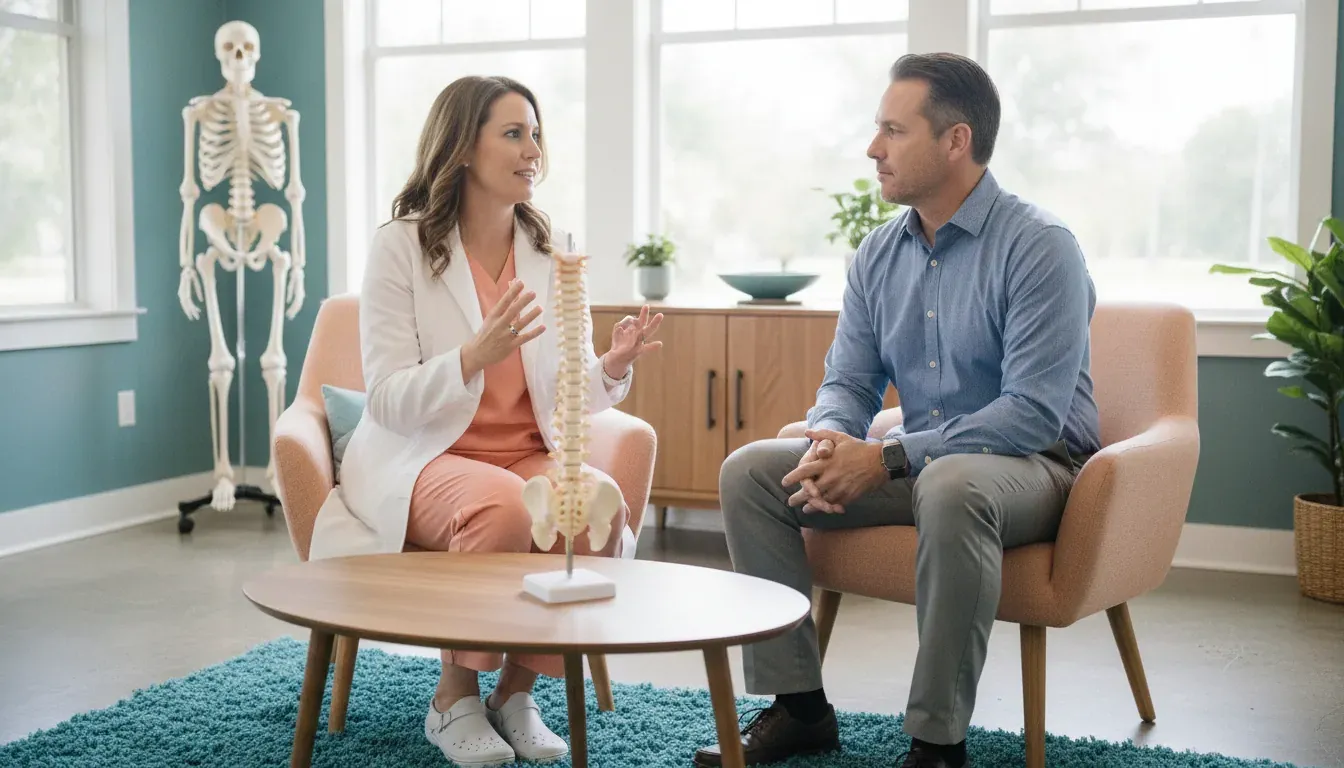
Your first visit is all about connection and clarity. This is our chance to sit down with you, listen to your story, and truly understand the pain or discomfort you’re experiencing. We’ll discuss your health history and what you hope to achieve through treatment. This conversation is fundamental to creating a personalized plan that addresses the root cause of your issue. It’s also your opportunity to get to know our team and feel confident in our expertise. We want you to feel completely comfortable and empowered before we even begin treatment, so we encourage you to ask any questions you have.
The Treatment Process, Step by Step
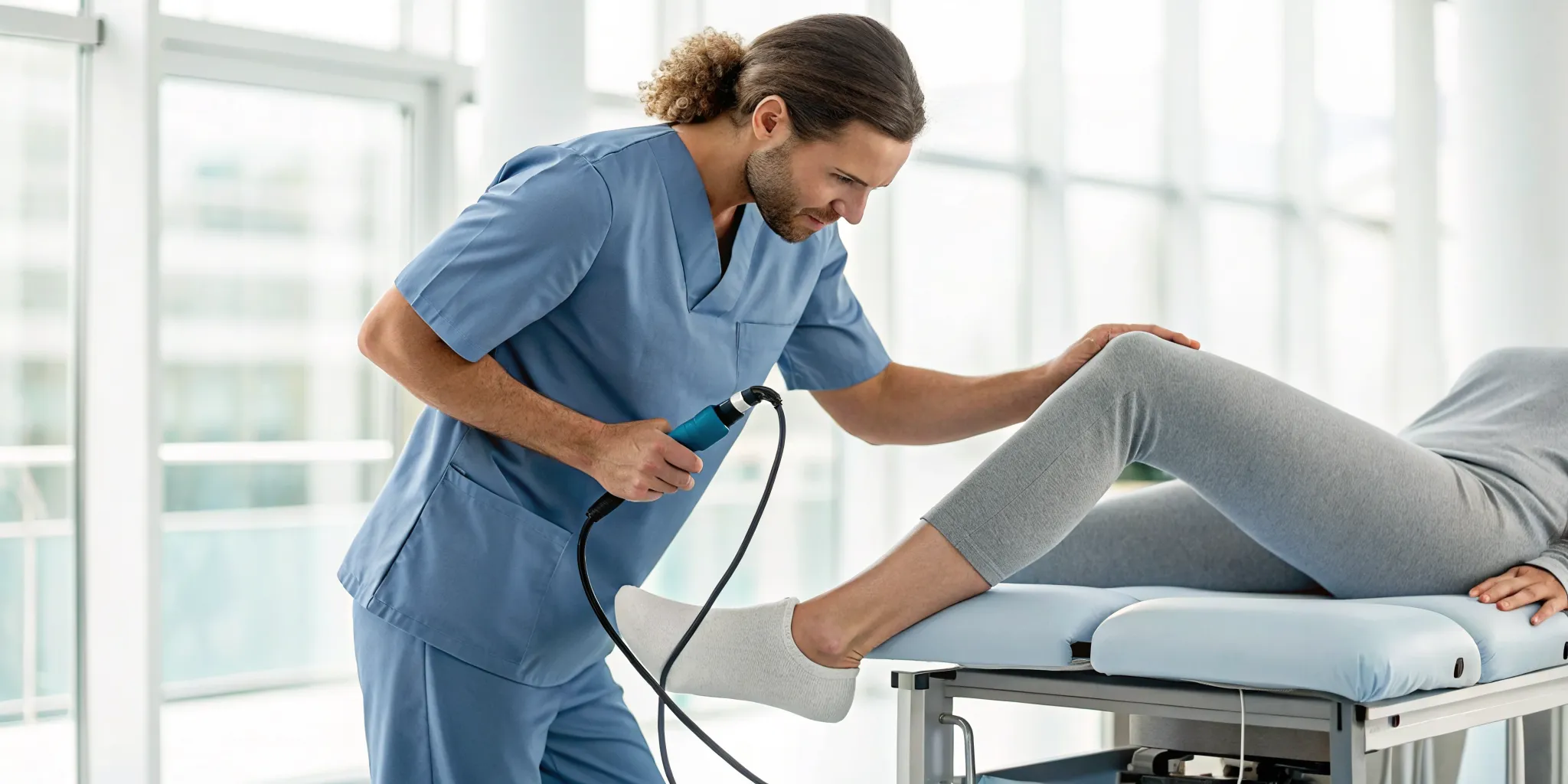
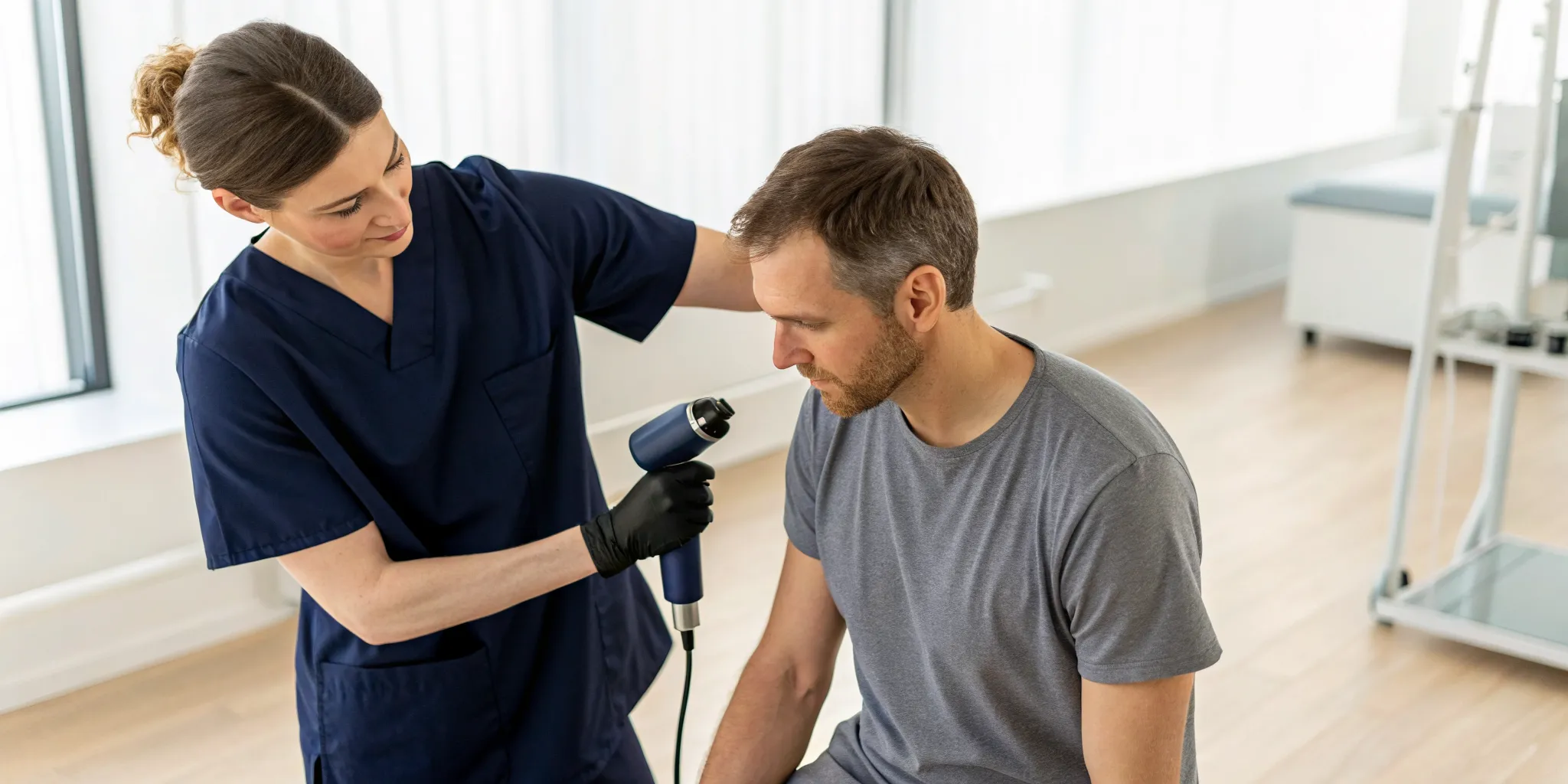
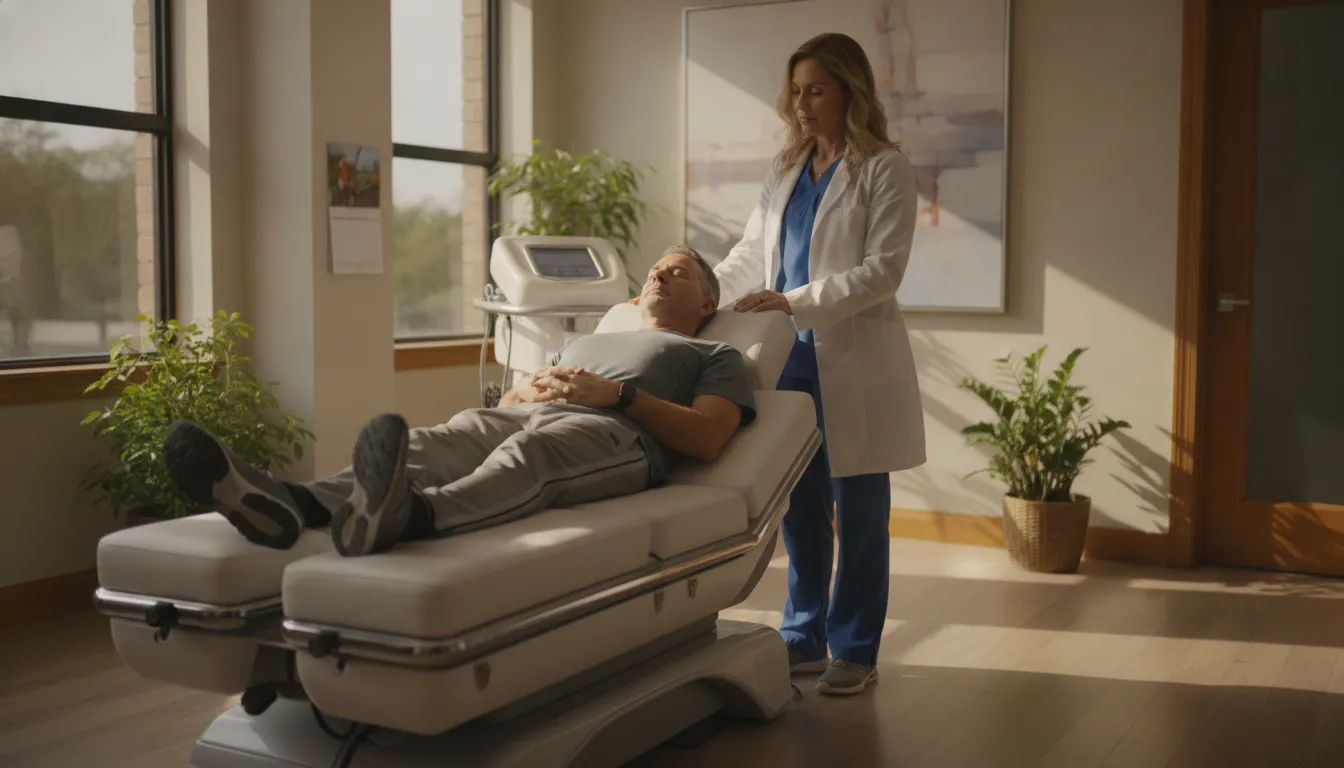
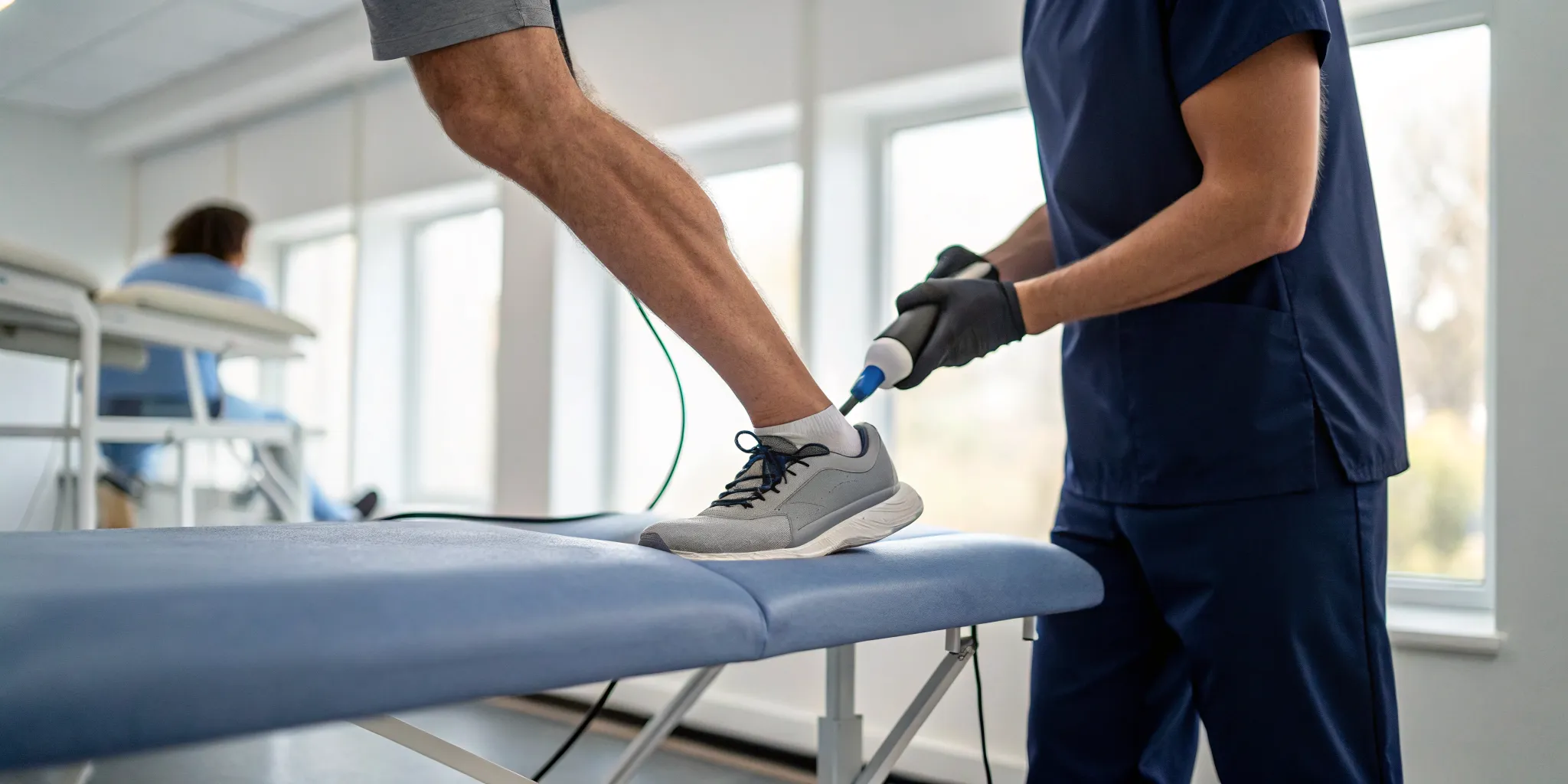
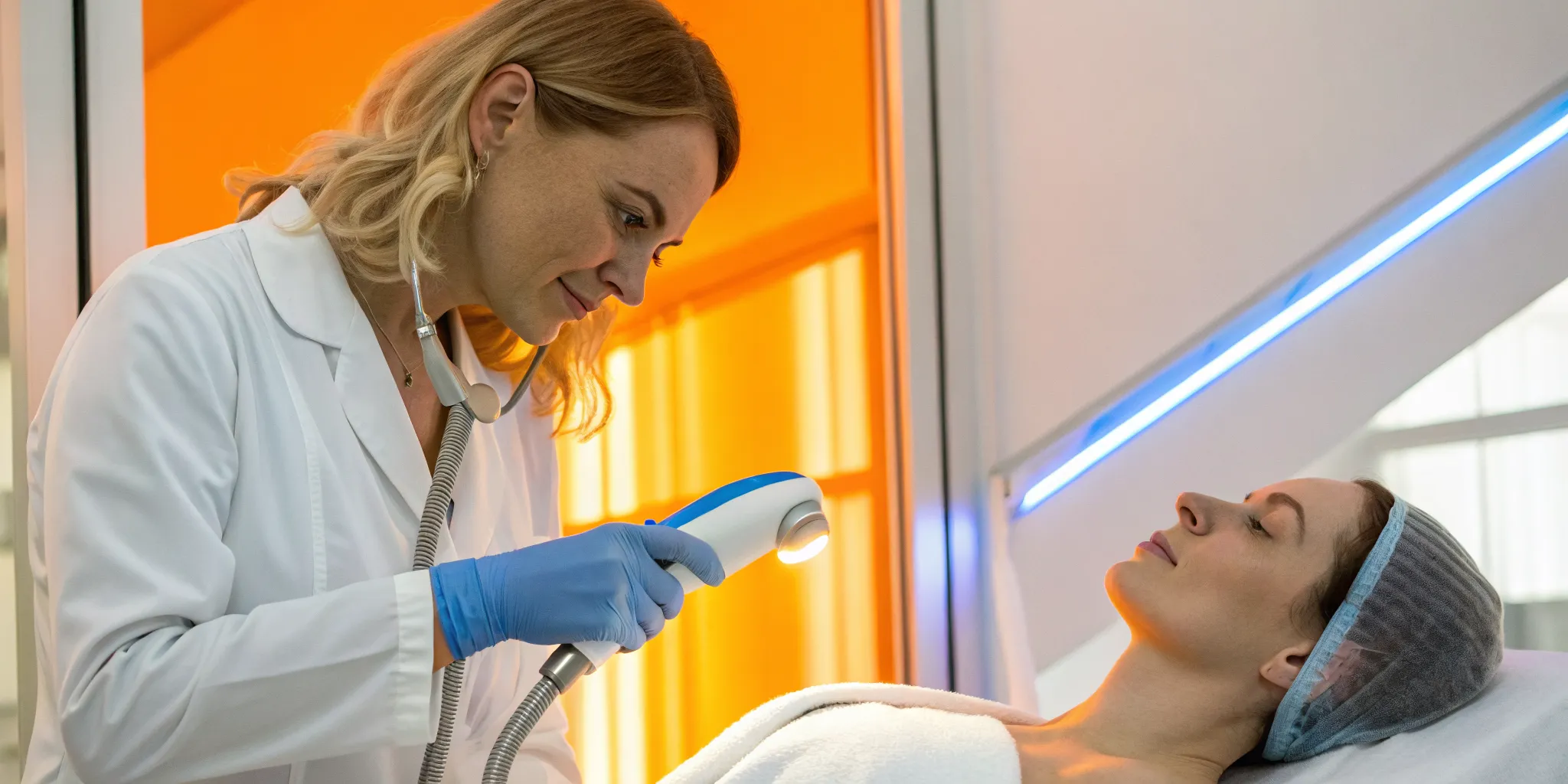
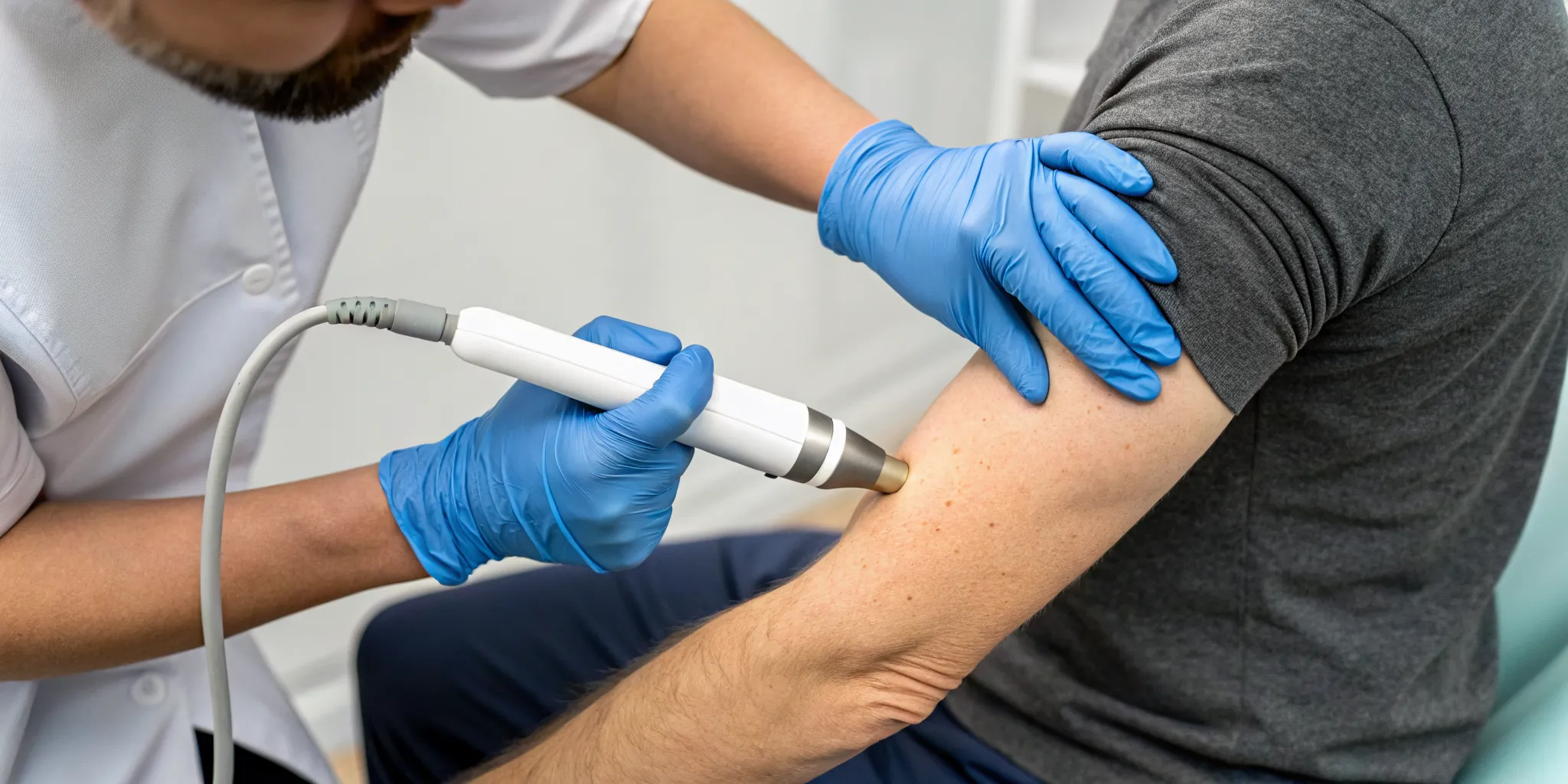
Once we’ve established your personalized plan, we can begin the treatment sessions. A typical shockwave therapy session is straightforward and relatively quick, usually lasting about 15 minutes. First, a gel is applied to the target area to help the sound waves transmit effectively. Then, a trained member of our staff will use a handheld device to deliver the shockwaves. Your feedback is crucial during this process; we’ll ask you to point out exactly where you feel the pain so we can focus the treatment precisely. The goal is to keep the sensation completely tolerable while stimulating your body’s healing response. Most plans involve one session per week for a few weeks.
After Your Session: Monitoring Your Progress
After a session, it’s normal to feel some temporary soreness or tenderness in the treated area. This is a positive sign that your body’s natural healing mechanisms have been activated. We’ll provide you with clear aftercare instructions, which usually involve taking it easy for a day or two. It’s important to listen to your body and follow our guidance on when to safely return to more strenuous activities or exercise. We will monitor your progress closely throughout your physical medicine treatment plan, making adjustments as needed to ensure you get the best possible results on your path to recovery.
Finding the Right Shockwave Therapy Provider
Choosing the right provider for shockwave therapy is a critical step in your healing journey. The effectiveness of the treatment often depends on the skill of the practitioner and the quality of their approach. You want to find a team that not only understands the technology but also understands you and your specific health goals. This means looking beyond the treatment itself and considering the provider’s qualifications, the equipment they use, and their overall philosophy of care.
A great provider will be transparent, experienced, and focused on a comprehensive plan that addresses the source of your discomfort. Taking the time to research your options ensures you partner with a professional who can guide you toward the best possible outcome.
Evaluating Practitioner Credentials and Experience
When you’re exploring your options for shockwave therapy, it’s important to look into the practitioner’s background. You should feel confident in the hands of the person performing your treatment. Look for a provider with extensive training and certifications in regenerative therapies like shockwave. An experienced practitioner will have a deep understanding of how to apply the treatment for various conditions, ensuring your sessions are both safe and effective. Don’t hesitate to ask about their qualifications and their experience treating conditions similar to yours. A trustworthy provider will be happy to share their credentials and help you feel comfortable. You can often find this information on a clinic's about page, which details the team's expertise.
Inquiring About Equipment and Protocols
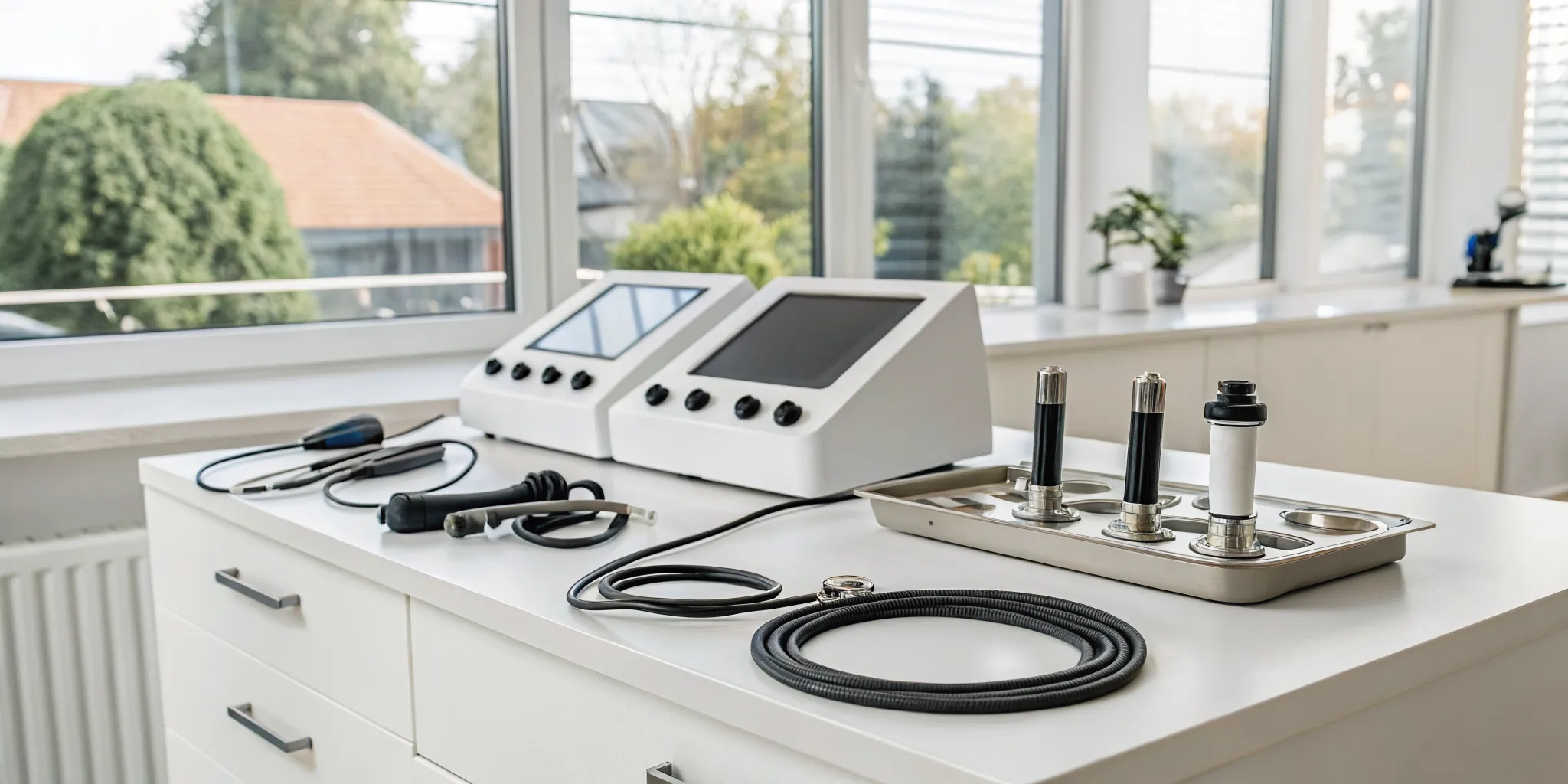
Not all shockwave devices are created equal. The technology has evolved, and different types of machines are suited for different purposes. When speaking with a potential provider, ask about the equipment they use. A knowledgeable practitioner can explain why they chose their specific device and how it benefits the conditions they treat. It’s also a good idea to ask about their treatment protocols. Do they follow a standardized procedure, or do they tailor the session to your specific needs? The right provider will use high-quality, modern equipment and have clear, established protocols that are part of a larger, personalized treatment plan. This attention to detail shows a commitment to providing high-quality care.
Reading Patient Reviews and Testimonials
Hearing about other people’s experiences can offer valuable insight into a provider’s practice. Patient testimonials give you a glimpse into the quality of care, the practitioner’s communication style, and the overall atmosphere of the clinic. Look for feedback that speaks to the results people achieved and how they felt during the treatment process. Did they feel heard and supported? Were their questions answered thoroughly? Reading these stories can help you gauge whether a provider’s approach aligns with what you’re looking for. Many clinics share patient testimonials directly on their website, giving you a firsthand look at the impact of their work and the relationships they build with the people they help.
Prioritizing a Personalized, Root-Cause Approach
Shockwave therapy is most effective when it’s part of a comprehensive healing strategy, not just a standalone treatment. The best outcomes occur when a provider focuses on addressing the root cause of your condition rather than just managing the symptoms. This holistic method often involves combining shockwave therapy with other supportive treatments, like corrective exercises or lifestyle adjustments. Look for a provider who takes the time to understand your full health history and creates a personalized plan for you. This root-cause approach is fundamental to lasting relief and true healing, as it empowers your body’s natural ability to repair itself from the inside out.
Shockwave Therapy at Ascend Functional Health in Tampa
At Ascend Functional Health, we integrate shockwave therapy into our broader philosophy of holistic care. We see it as a powerful tool within our Physical Medicine pillar, designed to work in harmony with our functional and longevity medicine services. Our team is dedicated to identifying and addressing the underlying source of your pain, not just masking it. We begin with a comprehensive evaluation to understand your unique situation and then develop a personalized protocol that may include shockwave therapy alongside other supportive modalities. Our goal is to facilitate your body’s innate healing capabilities for long-term wellness. If you’re in the Tampa area and ready to take a proactive approach to your health, we invite you to contact us to learn more.
Related Articles
- SoftWave Tissue Regeneration Therapy in Tampa | Alessi Functional Health
- SoftWave TRT Therapy in Tampa, FL - Alessi Functional Health
- Regenerative Medicine for Pain Recovery | Ascend Functional Health
- What Is Soft Tissue Therapy? A Complete Guide
- Is Myofascial Release Legitimate? What Science Says
Frequently Asked Questions
What does the treatment actually feel like? Most people describe the sensation of shockwave therapy as a strong, focused tapping or pulsing on the skin. While you will certainly feel it working, the intensity is managed to stay within your comfort level. We communicate with you throughout the short session to ensure the feeling is tolerable. Some people experience mild discomfort, but it is not a painful procedure.
How long is the recovery after each session? There is typically no significant downtime required after a shockwave therapy session. It is common to feel some soreness or tenderness in the treated area for a day or two, similar to how you might feel after a deep tissue massage. This is a positive sign that the therapy is stimulating a healing response. We generally advise taking it easy and avoiding strenuous activity for a short period, but you can usually return to your normal daily routine right away.
When can I expect to feel better? Healing is a process, not an event, so the timeline for relief varies from person to person. Some individuals report feeling better after just one or two sessions, while for others, the improvement is more gradual over the course of the treatment plan. The therapy works by prompting your body’s natural repair cycles, which takes time. The goal is lasting tissue repair, not just a temporary reduction in pain, so patience with your body's process is key.
Why would I choose this over other treatments I've already tried? Shockwave therapy is often a great choice when other methods like stretching, rest, or manual therapies haven't resolved a chronic issue. Unlike treatments that may only soothe symptoms, shockwave therapy is designed to address the root of the problem, such as scar tissue or poor blood flow in a tendon. It essentially reawakens your body’s own healing abilities in an area where they have stalled, making it a powerful option for stubborn, long-standing conditions.
How do I know if I'm a good candidate for this therapy? The best way to know for sure is to have a thorough evaluation. Generally, shockwave therapy is an excellent option for individuals with chronic musculoskeletal pain, particularly in tendons and soft tissues, that has not improved with conventional care. If you're dealing with a persistent issue like plantar fasciitis, tennis elbow, or an old sports injury that just won’t go away, you are likely a strong candidate. A consultation allows us to understand your specific condition and determine if this is the right path for you.