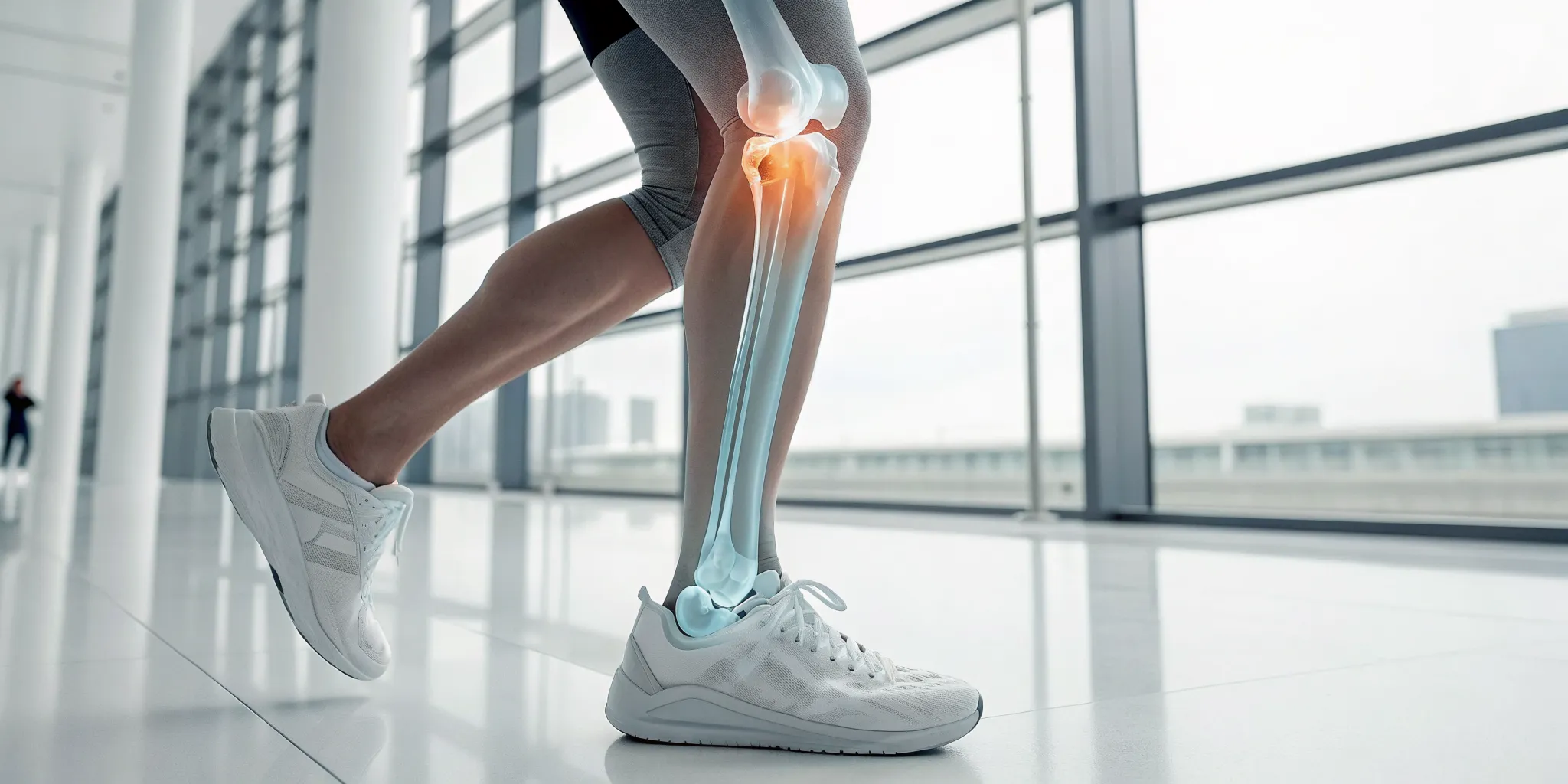
You don’t have to be a tennis pro to suffer from tennis elbow. In fact, most people who get it have never even stepped onto a court. This stubborn condition is a repetitive strain injury, often caused by everyday activities like gardening, painting, or even prolonged mouse use. The pain can turn simple tasks like lifting a coffee cup into a painful ordeal. While many common treatments offer temporary relief, they often fail to address the root cause: damaged tendon tissue that isn't healing correctly. A modern, non-invasive treatment, shockwave therapy for tennis elbow, targets this underlying issue, promoting genuine tissue repair for lasting results.
Key Takeaways
- Your lingering elbow pain has a deeper cause: The persistent ache is often from damaged tendon tissue, not just simple inflammation, which explains why rest alone doesn't always work.
- Shockwave therapy helps your body rebuild itself: Instead of just masking pain, this non-invasive treatment uses sound waves to stimulate blood flow and tissue repair, encouraging your body to heal the tendon from the inside out.
- A consistent plan is key for long-term success: Shockwave therapy isn't a one-time fix; it's a process. The best results come from a series of short, weekly sessions that give your body the time it needs to fully repair the tissue.
What Is Tennis Elbow (And Why Won't It Go Away?)
If you've ever felt that nagging, persistent ache on the outside of your elbow, you might have tennis elbow. And no, you don’t have to be a tennis star to get it. This condition, officially known as lateral epicondylitis, is incredibly common, especially for people between 30 and 60 years old. It happens when the tendons in your forearm get overloaded, usually from repetitive motions you might not even think about, like using a computer mouse, gardening, or working with tools.
The name is a bit misleading because it suggests a simple sports injury that should heal with a little rest. But for many, the pain doesn't just go away. It can linger for months or even years, turning simple tasks like picking up a coffee cup or opening a door into painful chores. This is often because the underlying issue isn't just inflammation; it's a breakdown of the tendon tissue itself. Understanding what’s really happening in your elbow is the first step toward finding a solution that works. At Ascend Functional Health, we see many conditions we treat that stem from these kinds of chronic issues.
Do You Have These Tennis Elbow Symptoms?
The most telling sign of tennis elbow is pain and tenderness on the bony knob on the outside of your elbow. This is where the injured tendons connect to the bone. For many people, this pain isn't just localized; it can travel down the forearm toward the wrist. You might also notice a weakened grip, making it tough to hold onto things securely. Everyday actions like shaking hands, turning a doorknob, or lifting something as light as a milk carton can trigger a sharp pain. The discomfort often develops gradually, starting as a mild ache and slowly getting worse over weeks or months.
What Causes Tennis Elbow?
At its core, tennis elbow is a repetitive strain injury. It’s caused by chronic wear and tear on the tendon that attaches your forearm muscles to your elbow, specifically the extensor carpi radialis brevis (ECRB) muscle. Think about how many times a day you use your hands and wrists. Activities like painting, plumbing, cooking, and extensive typing all put repeated stress on these tendons. Over time, this stress can cause tiny tears in the tendon, leading to degeneration and pain. It’s less about a single injury and more about the cumulative effect of your daily movements, which is why it can be so stubborn to heal without the right approach to physical medicine.
Why Your Tennis Elbow Keeps Coming Back
It’s a frustrating cycle. You rest your arm, the pain subsides a bit, and you think you’re in the clear. But as soon as you return to your normal activities, the ache comes right back. This happens because rest alone doesn't fix the underlying problem: the damaged tendon tissue. Without proper healing, the tendon remains weak and susceptible to reinjury. Many common treatments provide only temporary relief because they don't address the tissue degeneration. If you continue the same motions that caused the problem in the first place without allowing for full recovery and repair, the pain will likely become a chronic issue.
How Shockwave Therapy Can Help Your Tennis Elbow
If you're tired of elbow pain that just won't quit, you've probably tried a lot of different things. Shockwave therapy is a modern treatment that works differently. Instead of just covering up the pain, it gets your body to kickstart its own healing processes. It’s a key part of our physical medicine approach because it targets the damaged tissue directly, helping you find lasting relief and get back to your life. By addressing the root cause of the injury, this therapy helps you build a foundation for long-term strength and function.
The Science Behind Healing with Sound Waves
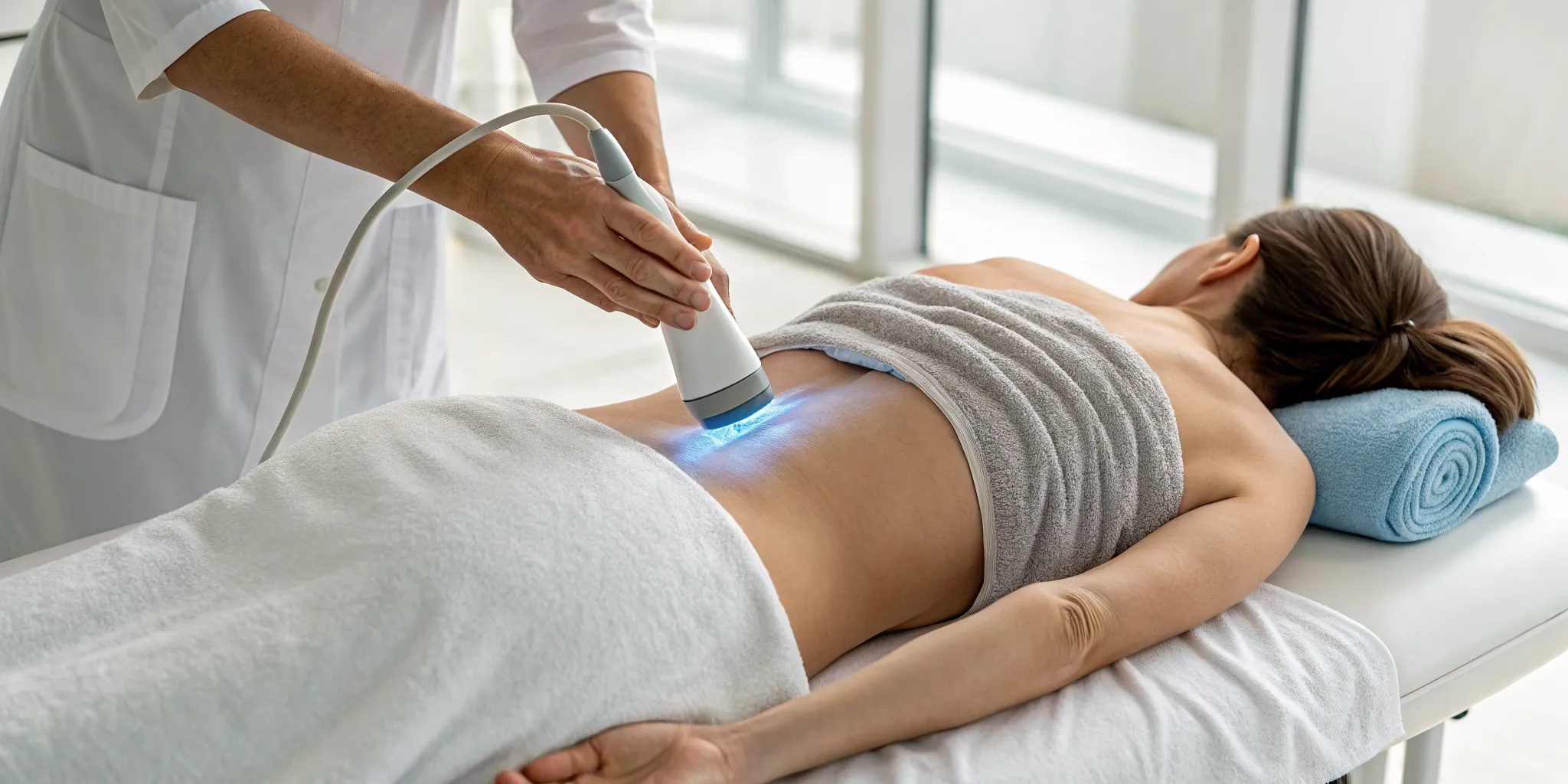
So, how can sound waves actually help your elbow? Shockwave therapy uses targeted acoustic waves to apply pressure to the injured tendons. This process creates a controlled, therapeutic response in the tissue. Think of it as a wake-up call for your body's internal repair crew. This stimulation increases blood flow and metabolic activity right where you need it most. As a result, your body can more effectively heal the damaged area. It’s a non-invasive method that supports your body’s innate ability to recover, offering a path forward without more intensive procedures.
Targeting the Source of Your Elbow Pain
Shockwave therapy goes beyond temporary fixes by addressing the underlying issues causing your tennis elbow. The acoustic waves encourage the formation of new blood vessels, which is essential for delivering oxygen and nutrients to the injured tendon. This process also stimulates the cells responsible for tissue repair and helps manage inflammation. Most importantly, it accelerates the production of collagen, the protein that acts as the building block for your tendons. By strengthening the tendon fibers, we can help restore your elbow's resilience and function, which is a core part of how we treat chronic conditions.
Radial vs. Focused: What's the Difference?
You might hear about two types of shockwave therapy: radial and focused. Radial waves spread out over a wider, more superficial area, while focused waves concentrate their energy on a specific, deeper point. Research shows that both methods are effective at reducing the pain associated with tennis elbow. The best approach for you depends on the specifics of your condition. At Ascend Functional Health, we tailor your treatment to your unique needs. Our personalized approach ensures we select the right type of therapy to target the precise source of your pain for the most effective results.
What to Expect During Your Shockwave Therapy Session
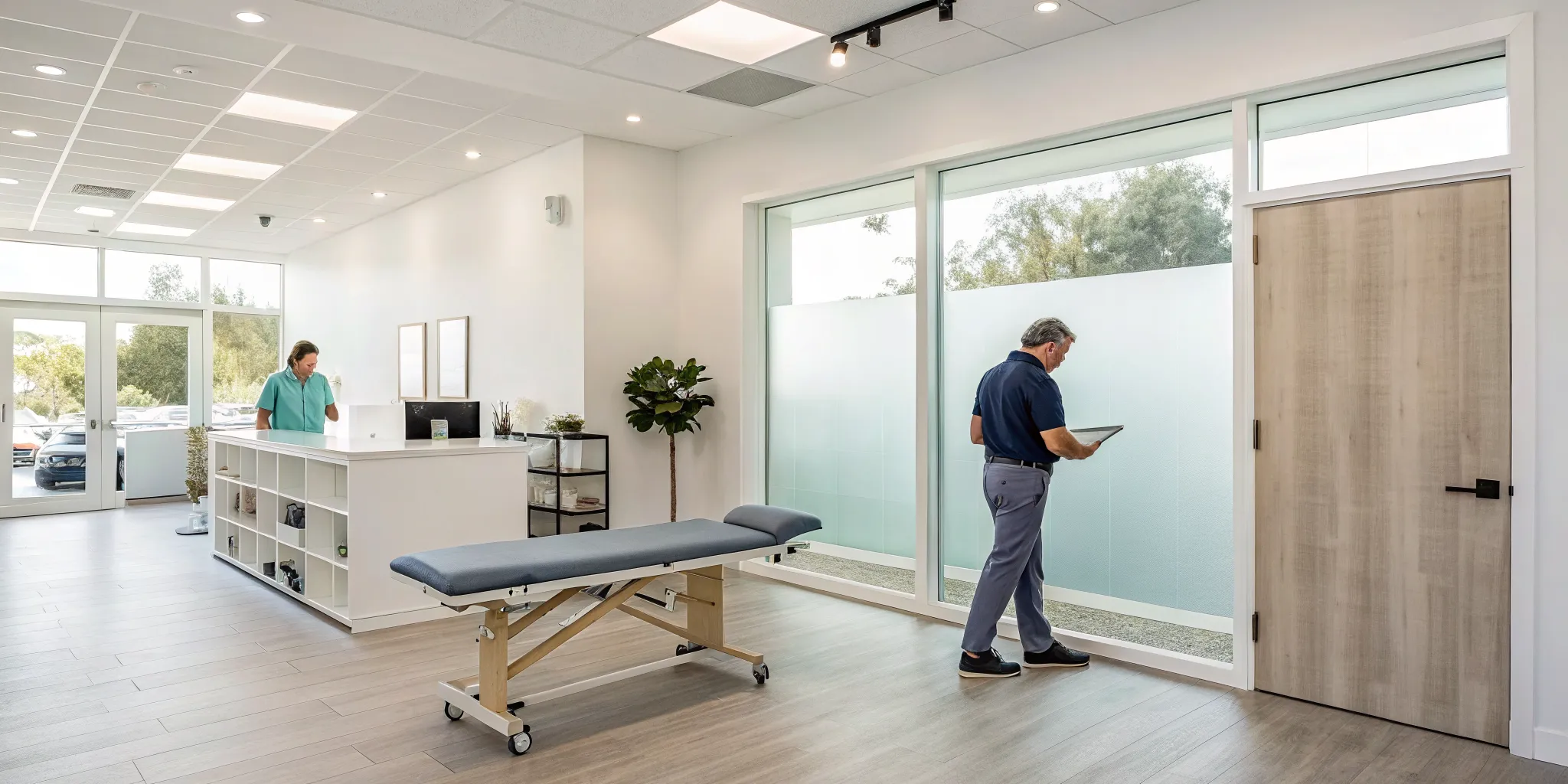
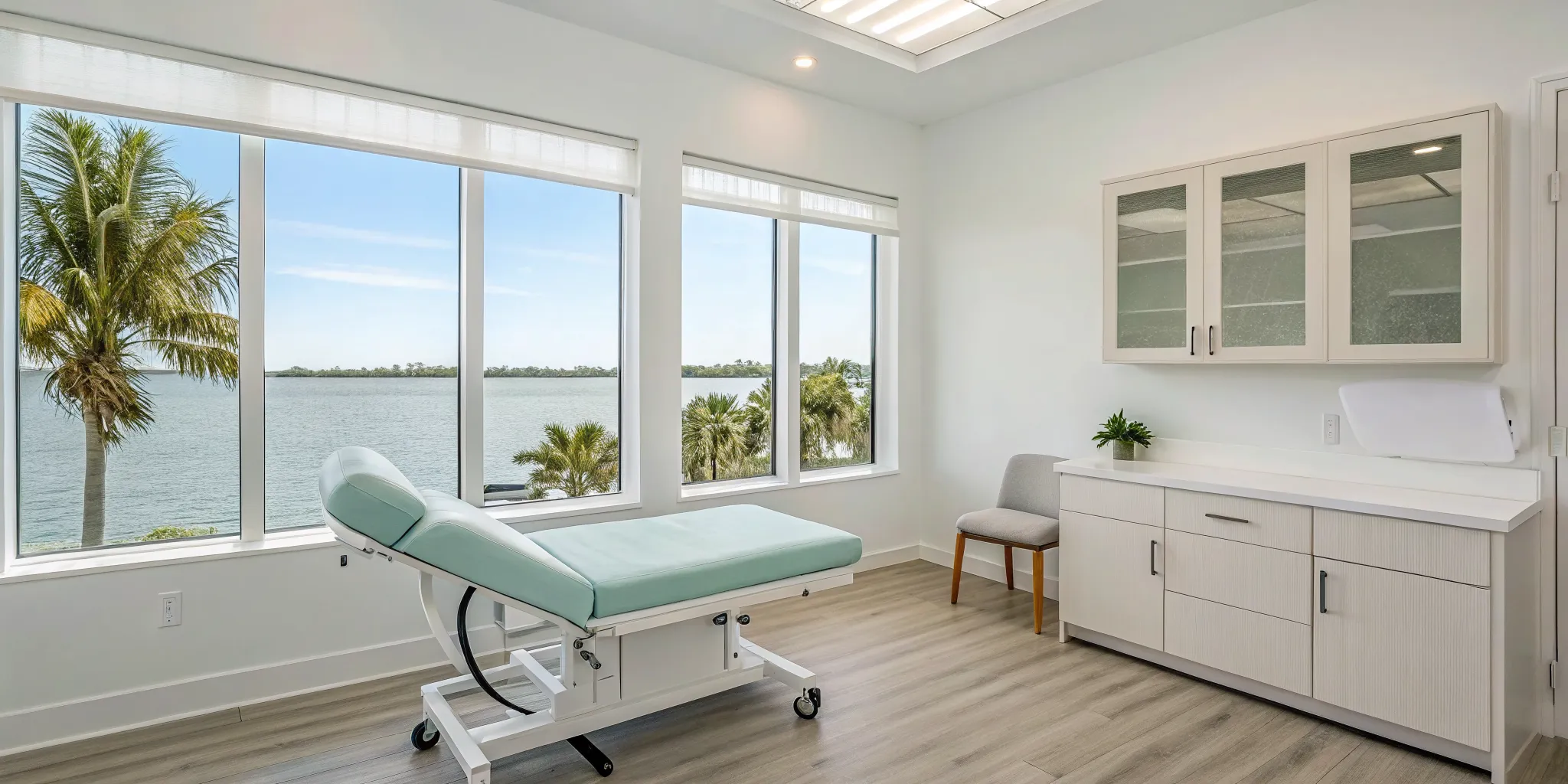
Walking into a new type of treatment can feel a little uncertain, but knowing what’s coming can make all the difference. We want you to feel comfortable and confident every step of the way. From the moment you arrive for your appointment to the moment you leave, our process is designed to be clear, personalized, and focused on your healing. Here’s a simple breakdown of what your shockwave therapy session will look like at our Tampa clinic.
Prepping for Your Treatment
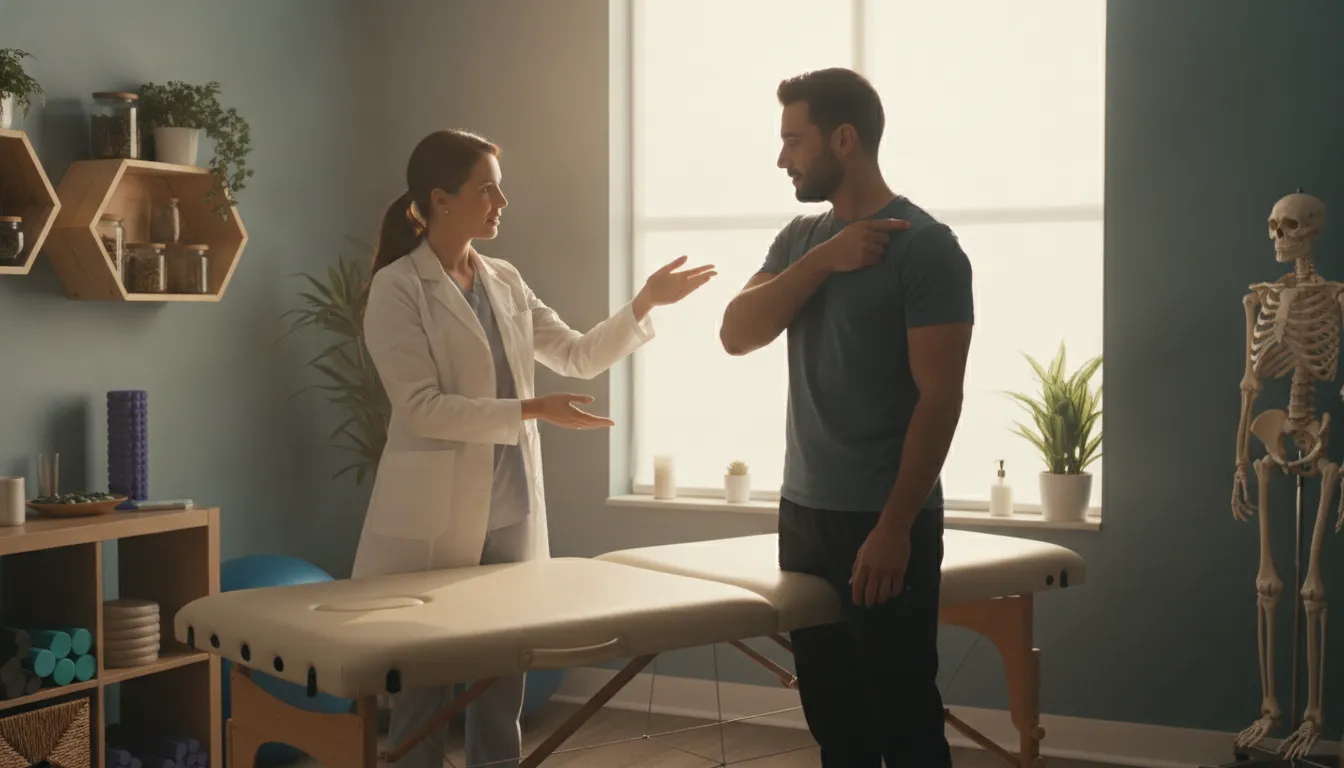
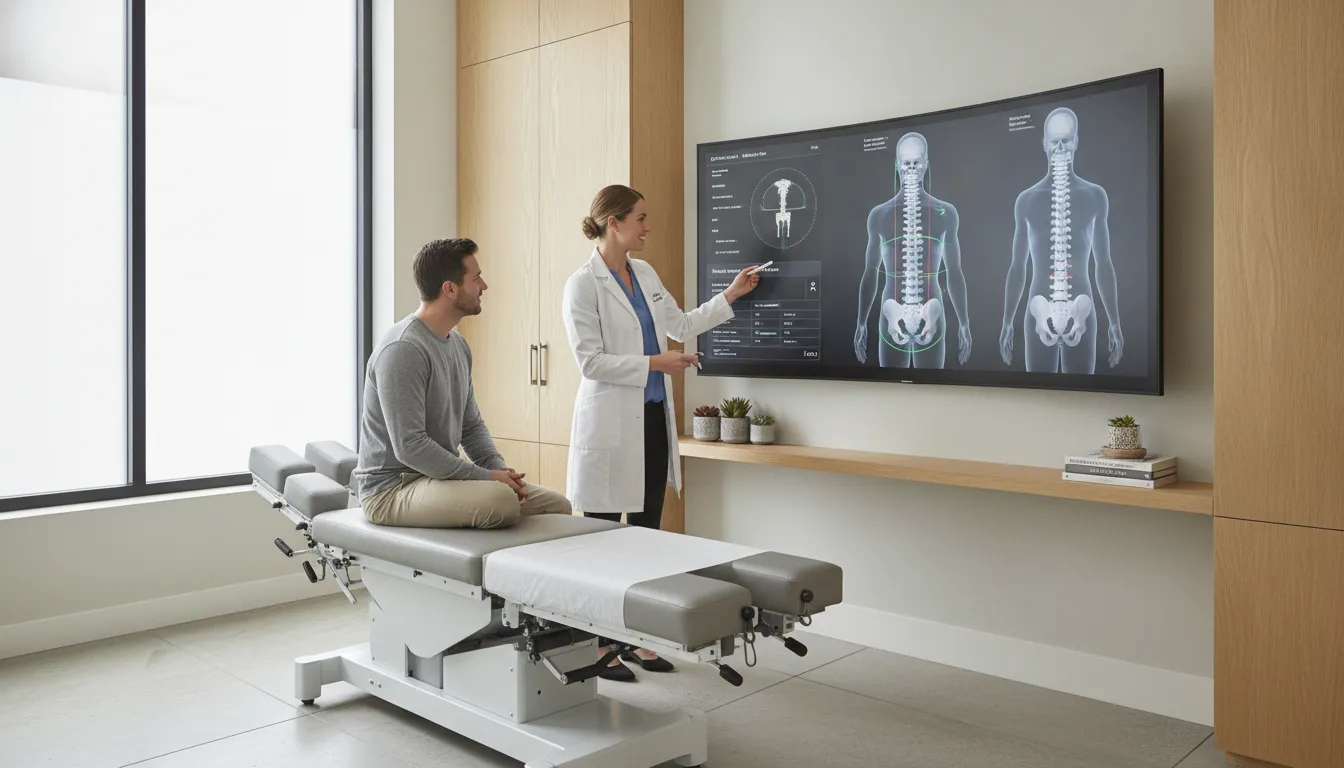
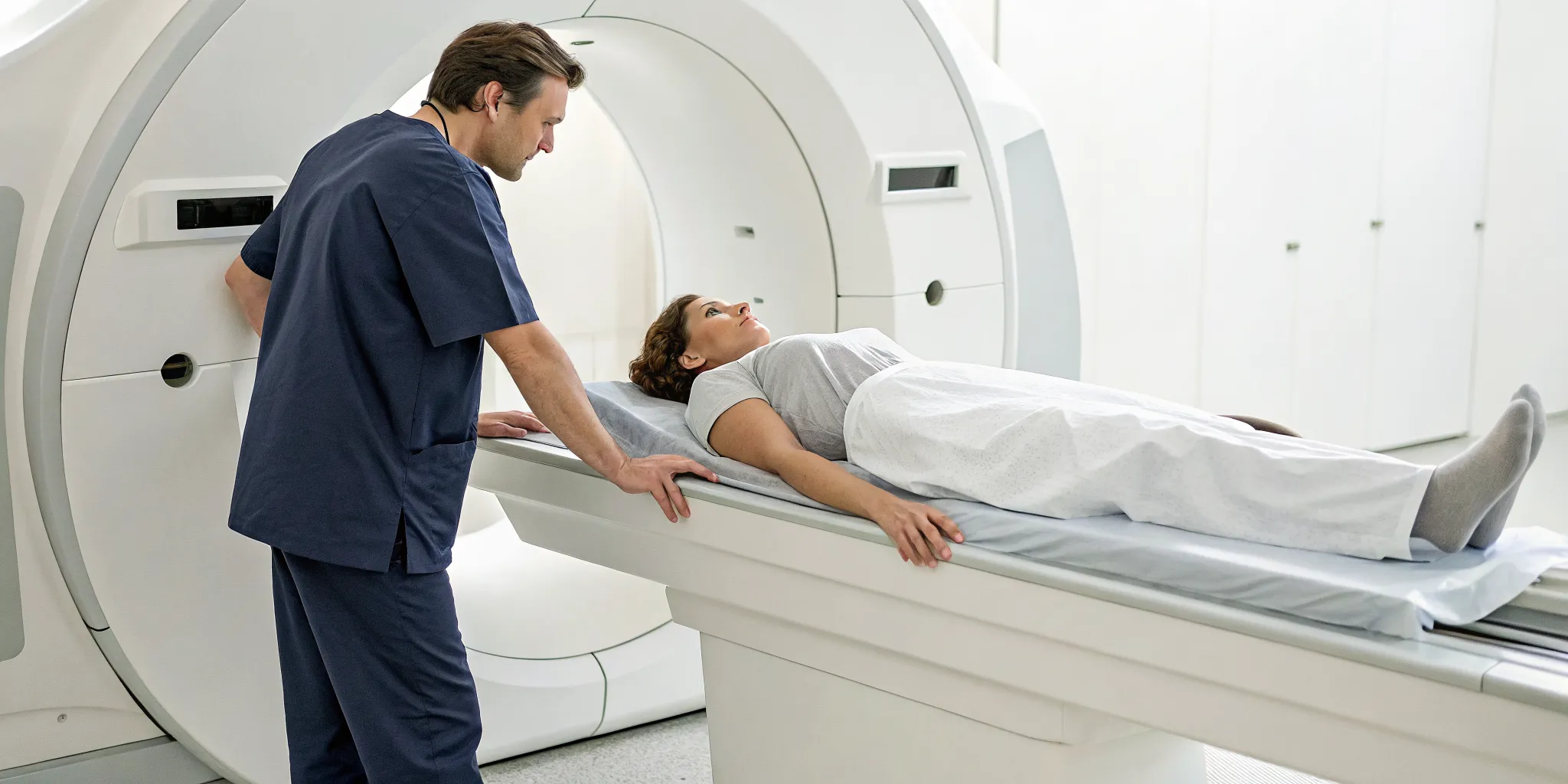
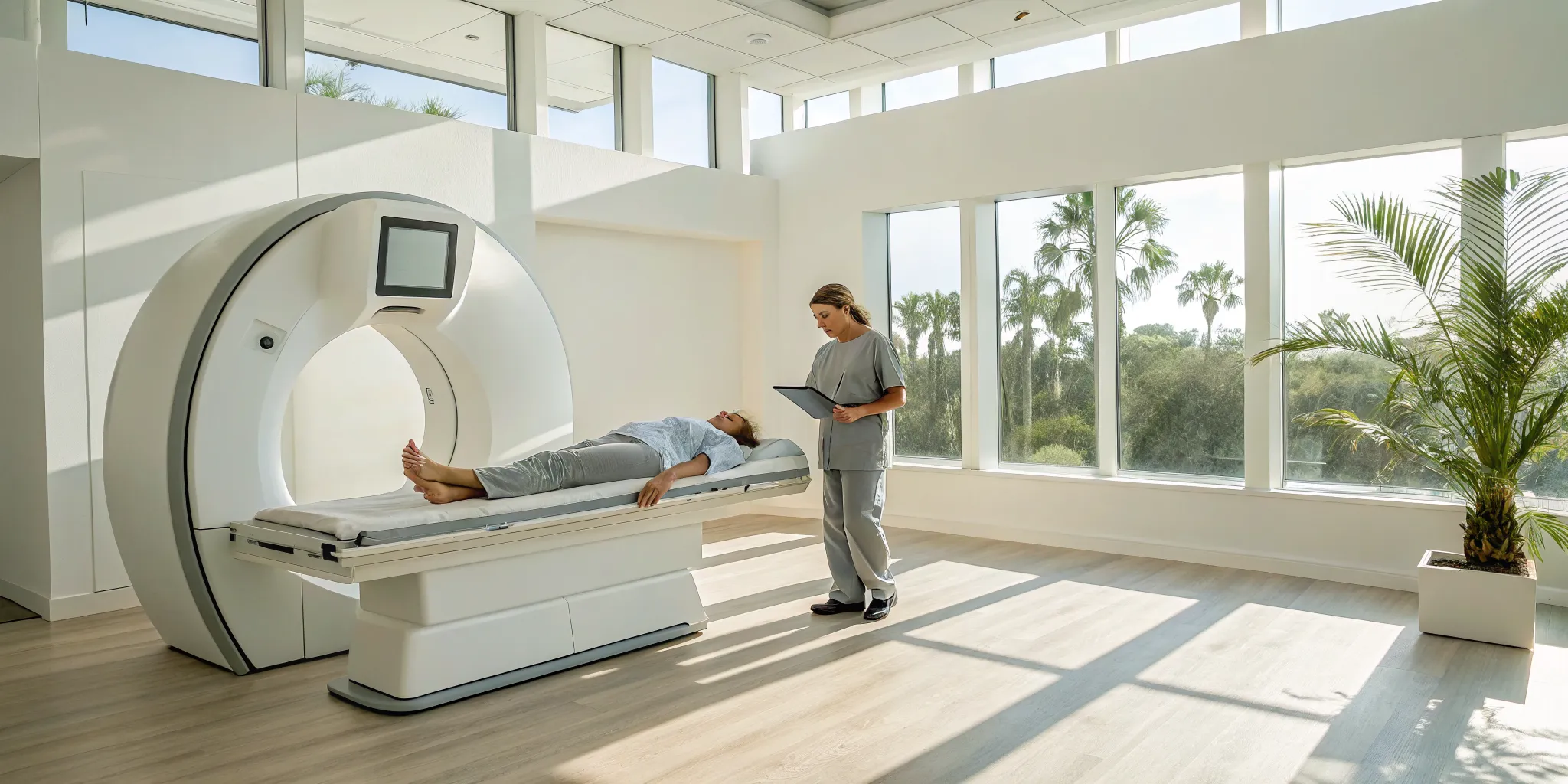
We’ll start by sitting down with you to go over your health history and any medications you’re taking. This conversation helps us understand the full picture of your health. Then, we’ll perform a thorough physical examination of your elbow and the surrounding areas to pinpoint the source of your discomfort. In some cases, we may use diagnostic tools like X-rays or an MRI to get a more detailed look at the tendons and tissues. This comprehensive approach ensures we’re not just treating a symptom; we’re addressing the root cause of your elbow pain, which is a core part of our philosophy at Ascend Functional Health.
How We Customize Your Session
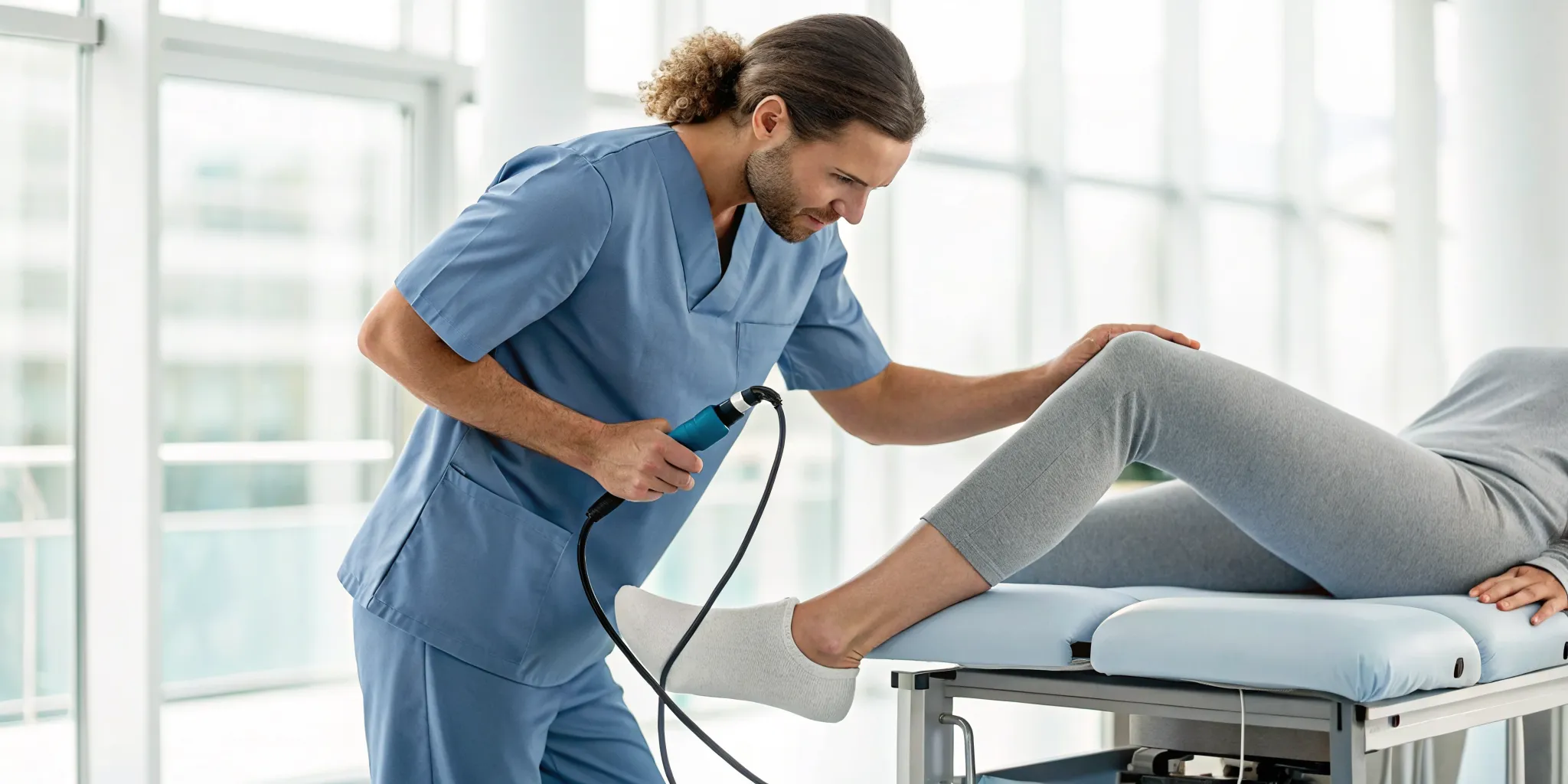
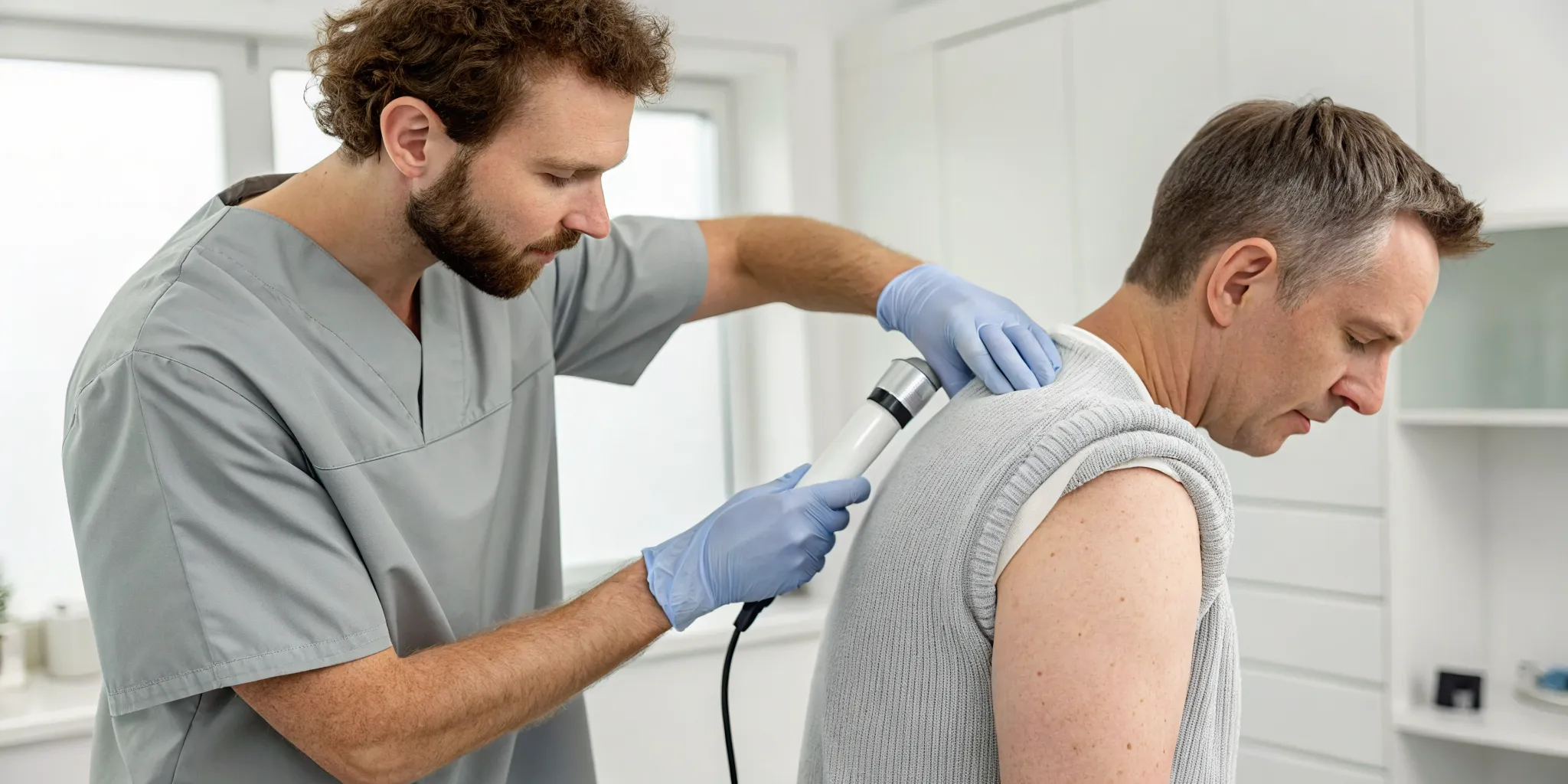
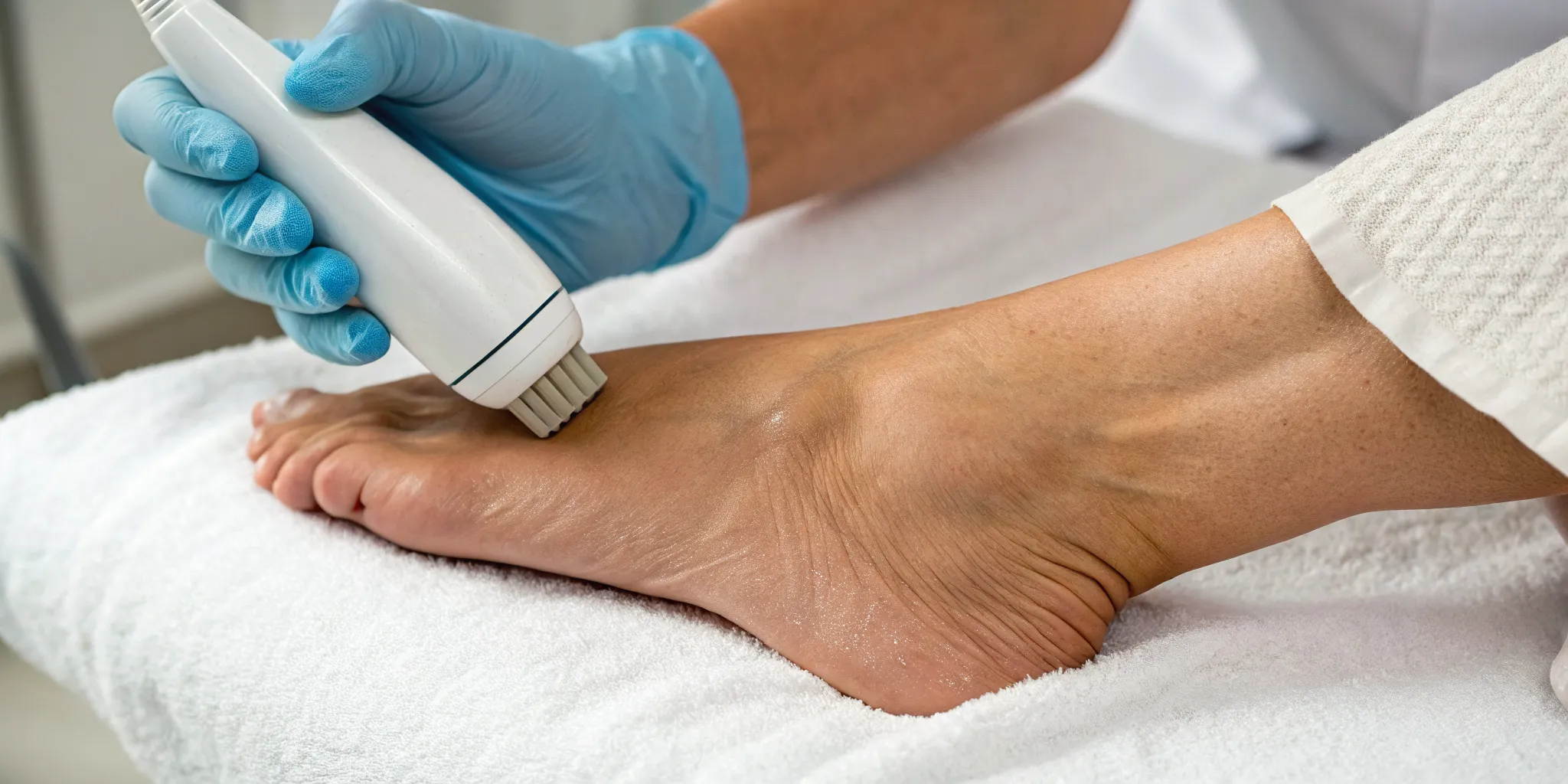
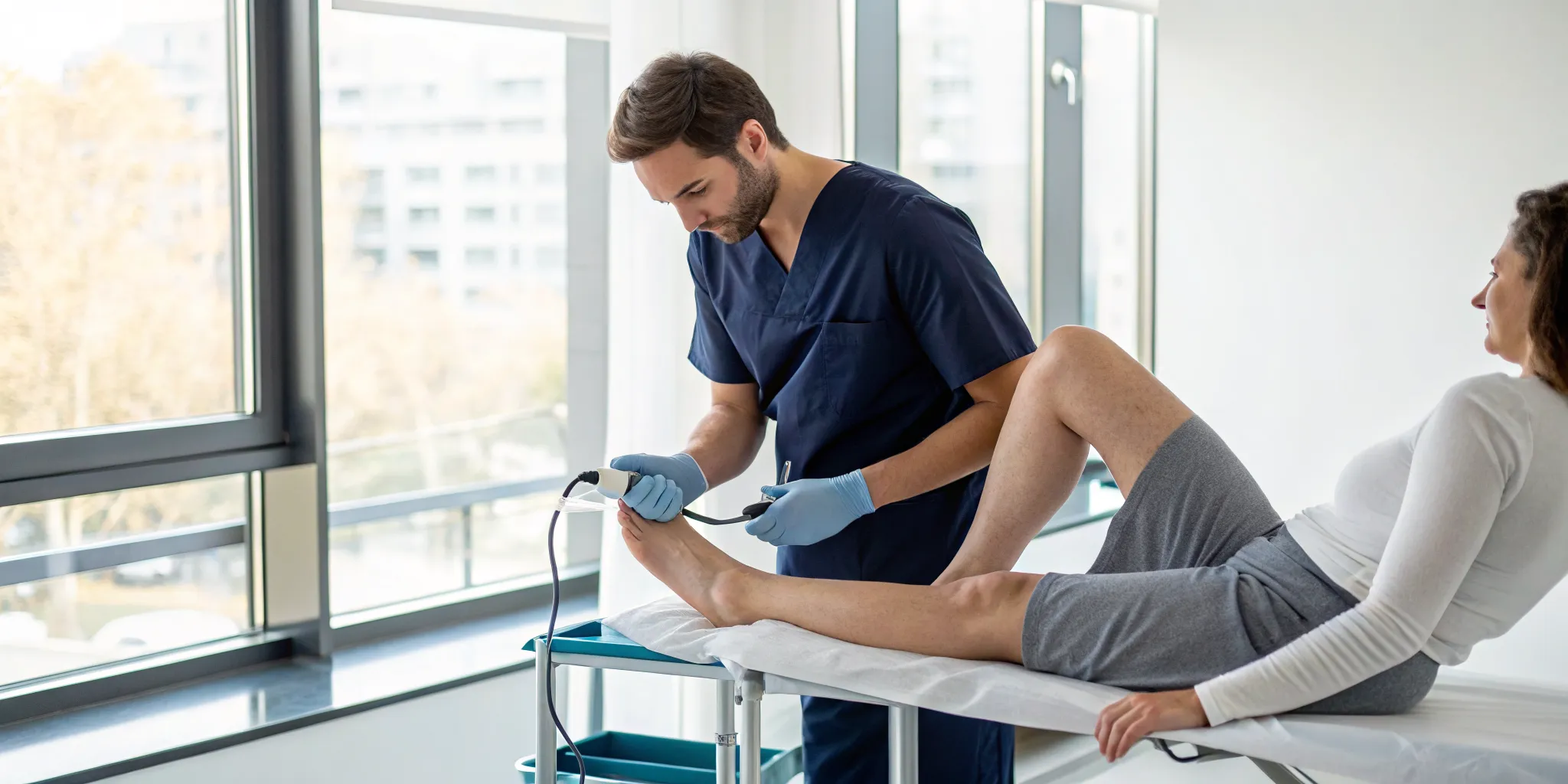
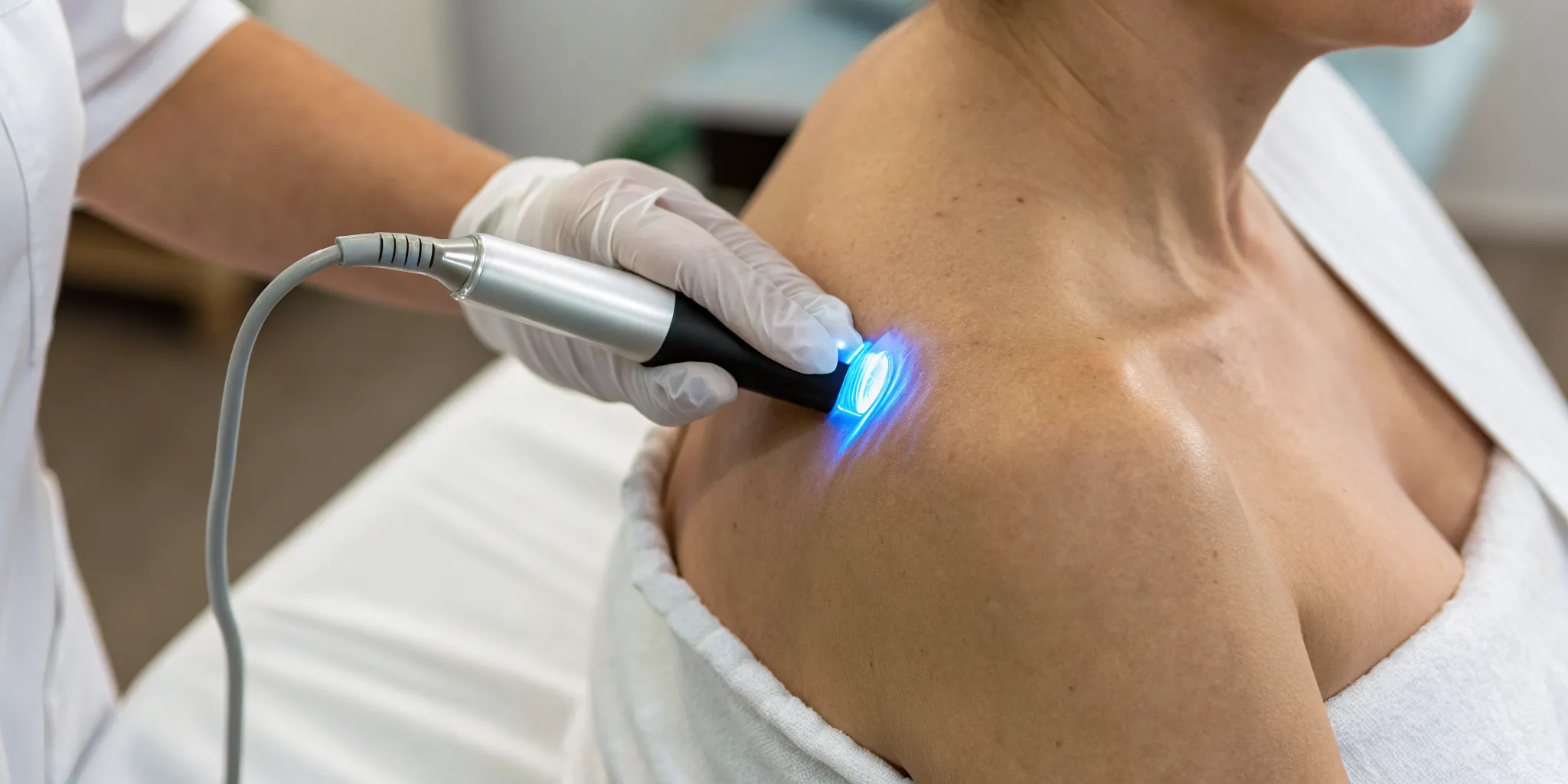
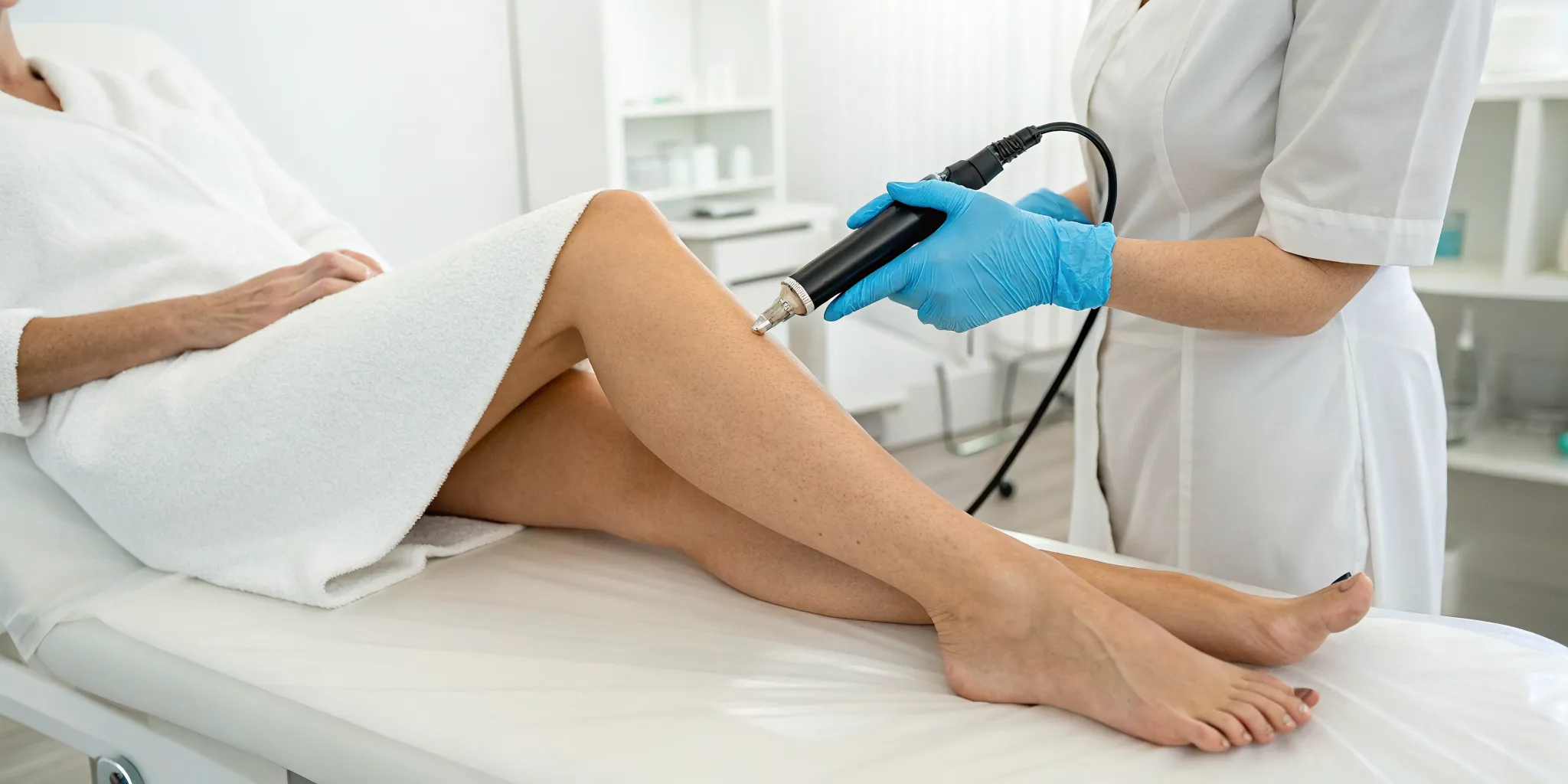
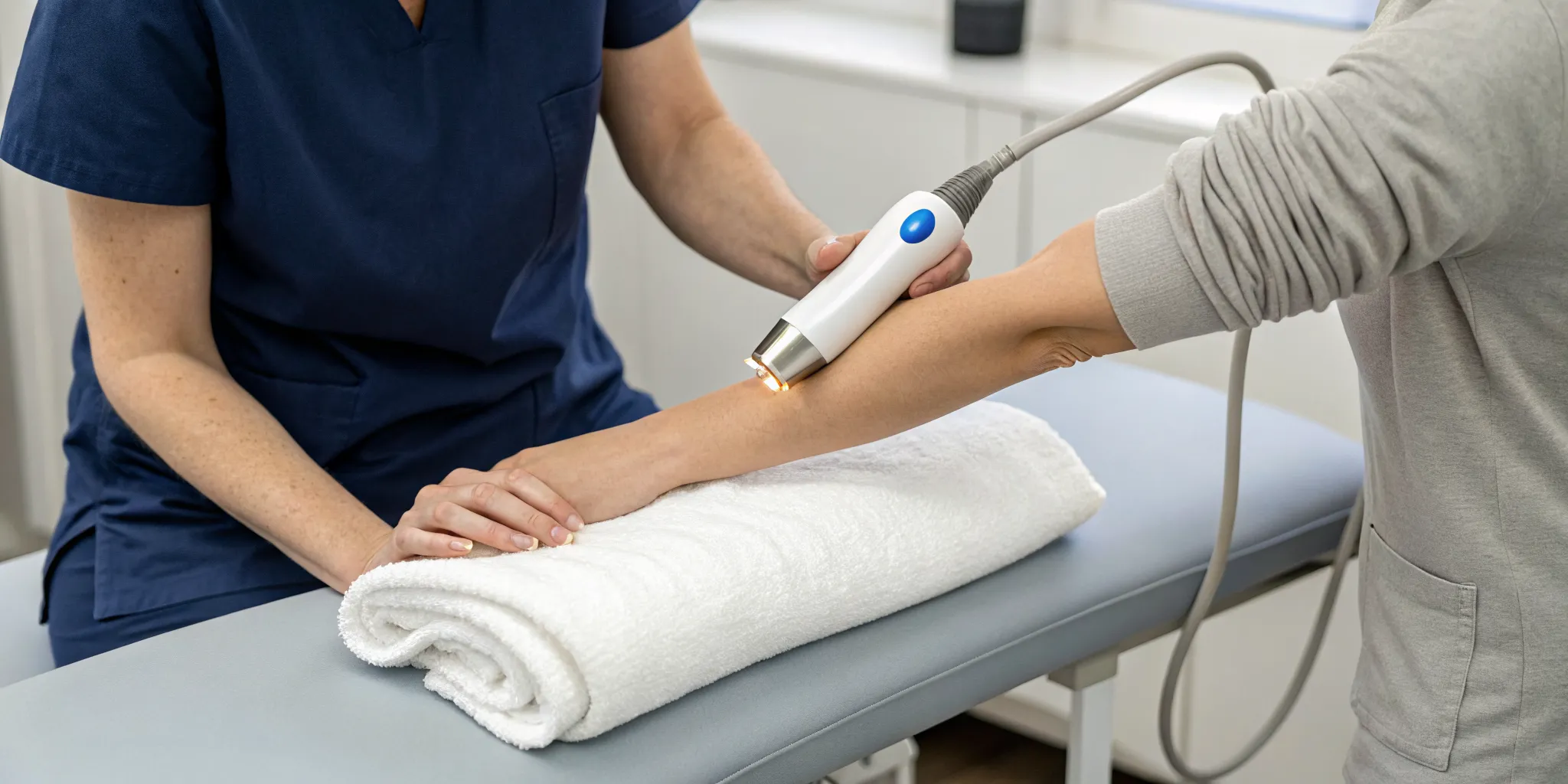
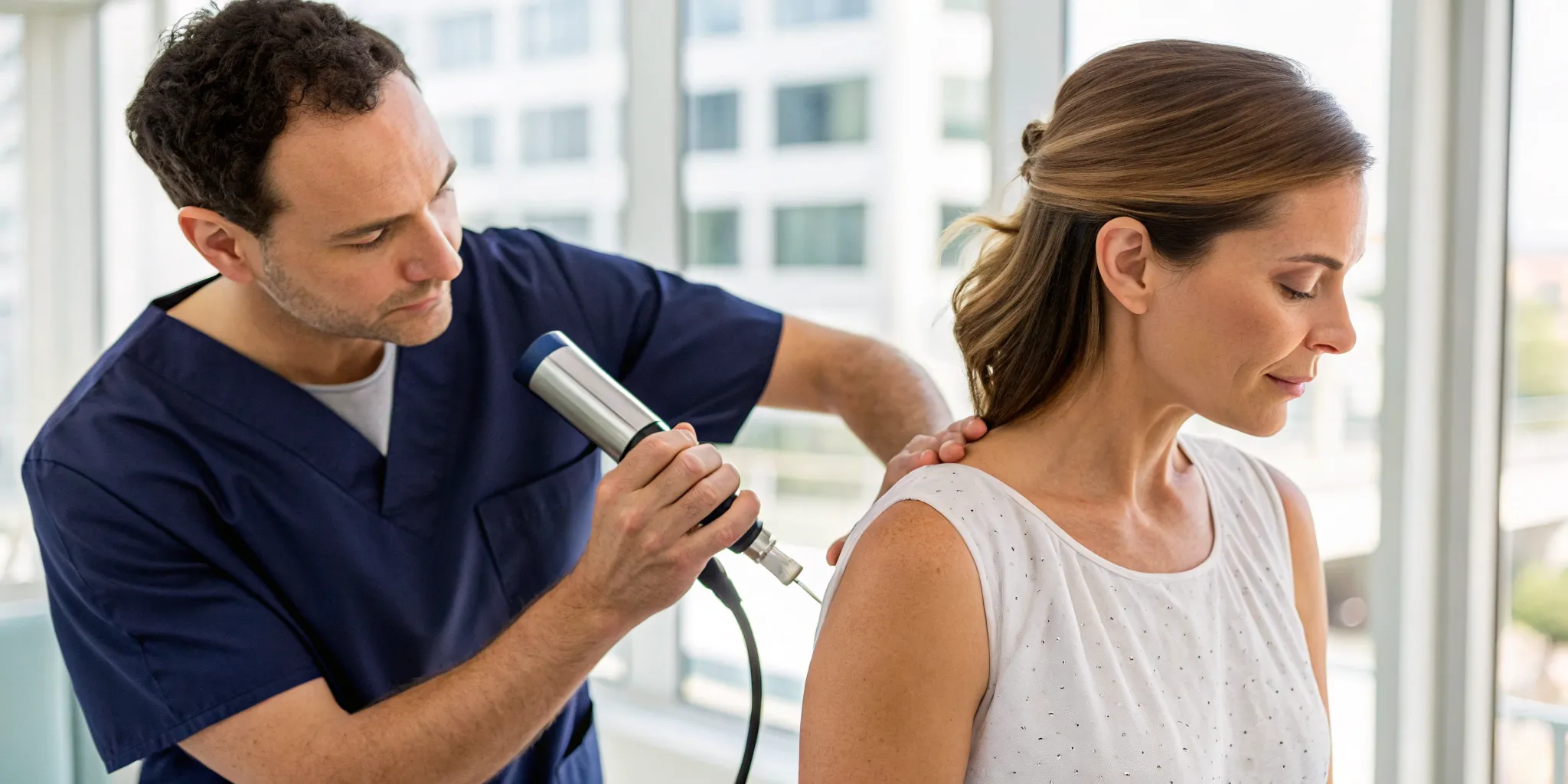
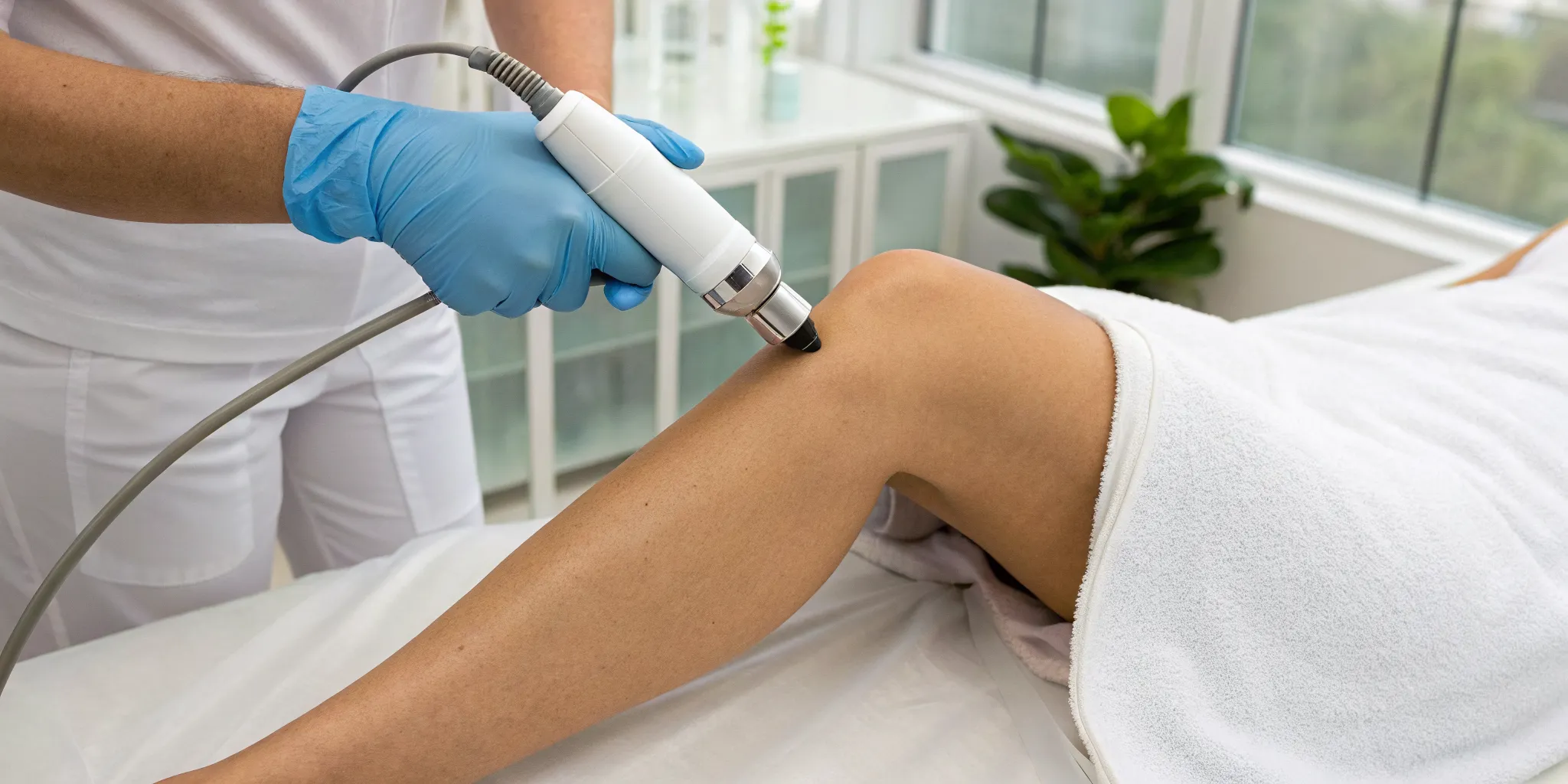
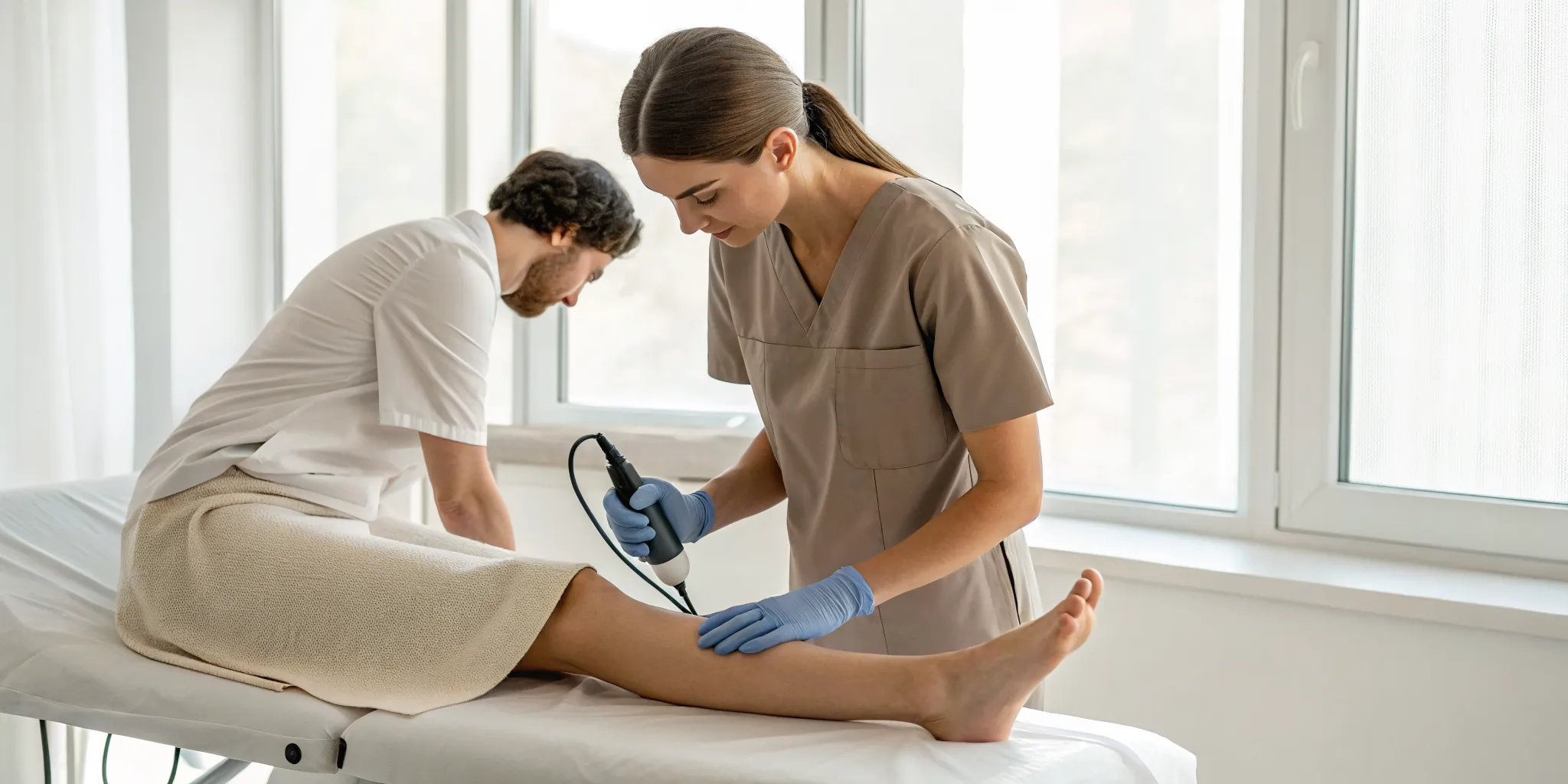
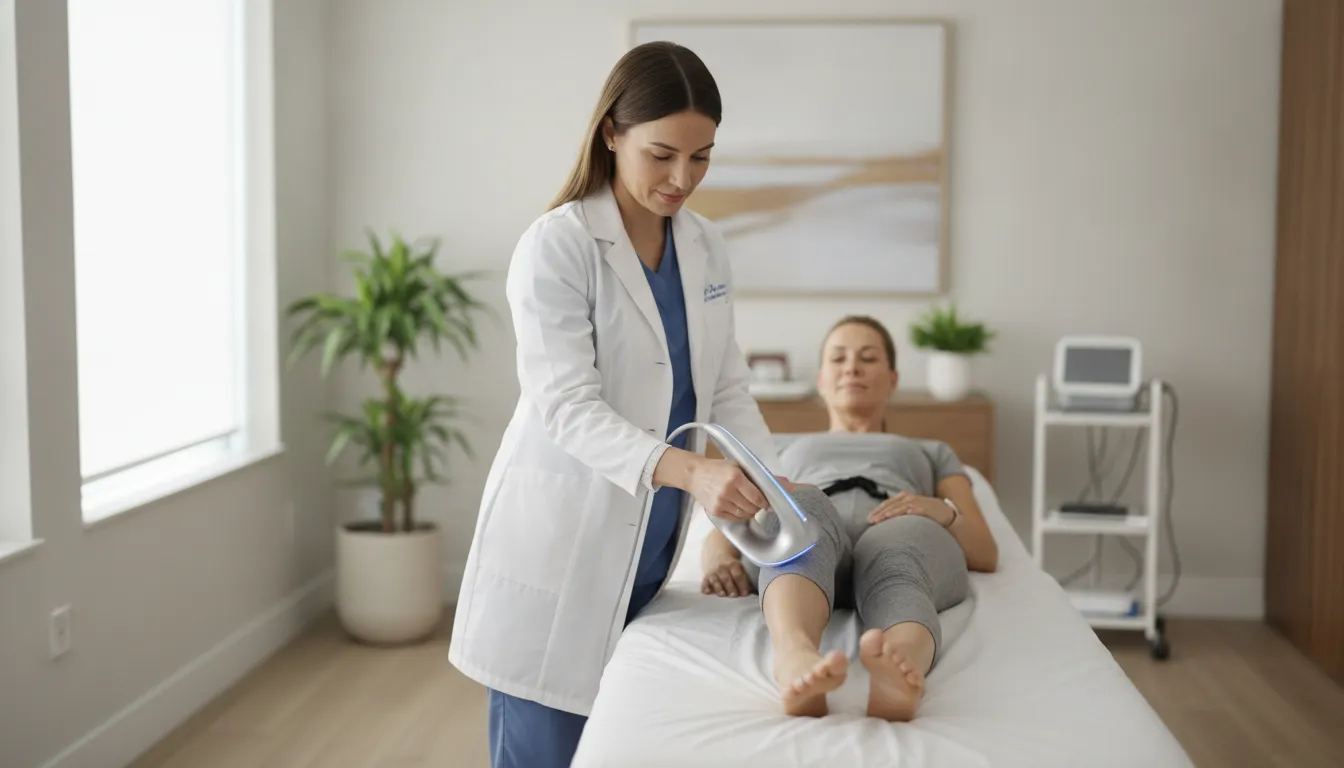
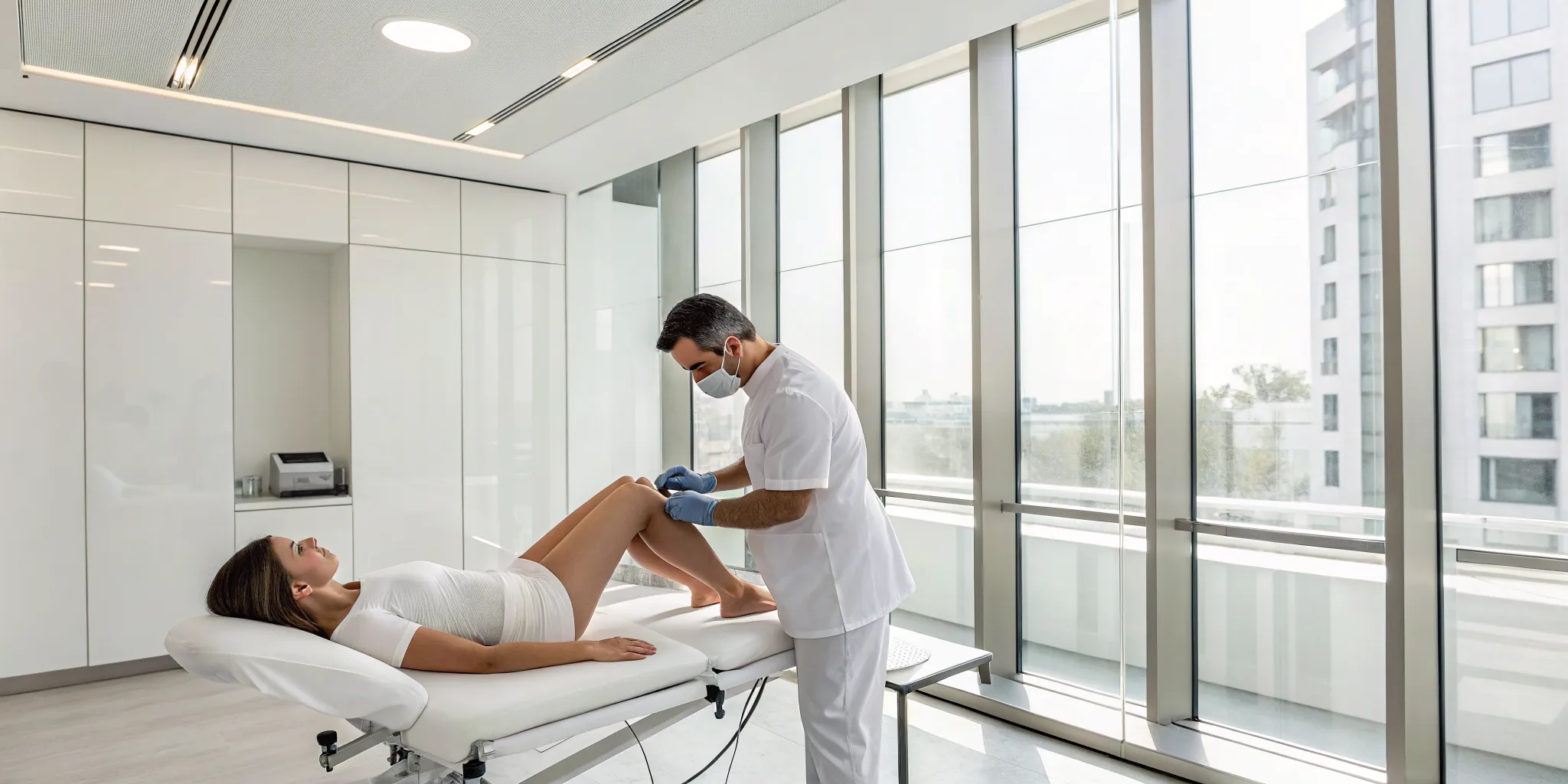
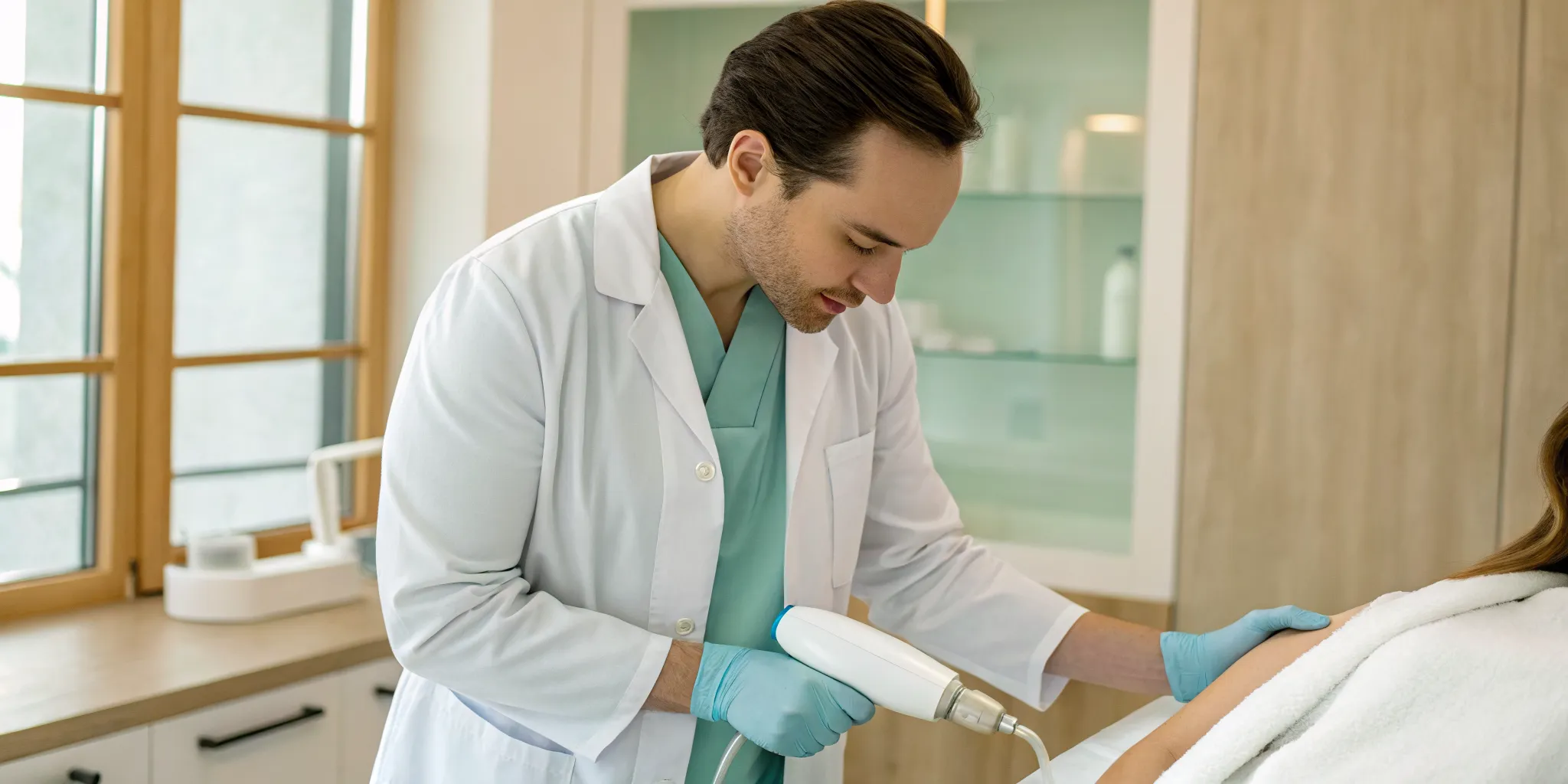
Once we have a clear understanding of your condition, we can begin the treatment. Your practitioner will find the exact spot that’s causing you pain and mark it. We’ll apply a special gel to your skin, which helps the sound waves travel more effectively to the targeted tissue. Using a handheld device, we’ll deliver a series of low-energy sound waves, or pulses, directly to the area. We will carefully adjust the machine’s settings based on your specific needs and comfort level, ensuring your session is completely customized. This personalized care is a key part of our physical medicine services.
What Does the Treatment Feel Like?
Most people describe the sensation of shockwave therapy as a strong tapping or pulsing feeling. You might feel some mild discomfort during the session, especially over the most sensitive areas, but it’s generally well-tolerated. Communication is important, so please let your practitioner know how you’re feeling throughout the treatment so they can make adjustments. After the session, it’s normal to experience a little soreness or minor swelling. If you do, you can apply an ice pack to the area for about 15 minutes at a time to help manage it. This temporary discomfort is often a sign that the body’s natural healing process is kicking in.
Session Length and Frequency
One of the great things about shockwave therapy is that the sessions are quick and efficient, making them easy to fit into your schedule. Each appointment typically lasts between 15 and 20 minutes. While you may feel some improvement after the first session, the full benefits build over time. Most people achieve the best results with a series of three to five sessions, scheduled about one week apart. Your specific treatment plan will be tailored to your unique condition and how your body responds. If you're ready to learn what a personalized plan would look like for you, feel free to contact our team to schedule a consultation.
Is Shockwave Therapy an Effective Tennis Elbow Treatment?
When you’re dealing with persistent elbow pain, the biggest question on your mind is simple: will this treatment actually work? It’s a fair question, especially if you’ve already tried other approaches without seeing the results you hoped for. The good news is that a growing body of evidence points to shockwave therapy as a highly effective option for tennis elbow, offering more than just a temporary fix.
This isn't about masking the symptoms; it's about creating real, physiological change in the damaged tissue. The goal of our physical medicine approach is to support your body’s own healing mechanisms, not just quiet the pain for a little while. We focus on identifying and addressing the root cause of your discomfort so you can find lasting relief. Studies show that shockwave therapy can significantly reduce pain, improve your ability to move, and help you regain the strength you’ve lost. It works by stimulating the body at a cellular level, encouraging repair and regeneration in a way that other treatments might not. Let’s look at what the research says about its effectiveness and what that means for your recovery.
Reducing Pain and Improving Movement
One of the most immediate and welcome changes patients experience is a noticeable reduction in pain. This isn't just a feeling; it's a measurable outcome. Research shows that shockwave therapy can significantly reduce pain for people with tennis elbow. One study found that patients who received this treatment saw their pain levels drop by nearly 60%. This allows you to get back to daily activities, like carrying groceries or typing on a keyboard, with greater comfort and ease. By addressing the underlying issue in the tendon, shockwave therapy helps restore pain-free movement, which is the first step toward getting your life back.
Regaining Your Grip and Strength
Tennis elbow doesn’t just cause pain; it weakens your grip, making simple tasks feel monumental. Opening a jar, holding a coffee mug, or shaking someone’s hand can become a painful challenge. Shockwave therapy directly addresses this by promoting healing in the tendon, which in turn helps you rebuild strength. Studies have confirmed that both focused and radial shockwave therapies lead to "significant increases in grip strength observed after treatment." Regaining this strength is a clear sign that your elbow is truly healing, allowing you to confidently re-engage with the activities you love without fear of that familiar, frustrating pain.
Moving Beyond Temporary Pain Relief
Many conventional treatments offer only short-term relief because they don't address the root of the problem: damaged tendon tissue that isn't healing correctly. Shockwave therapy works differently. It creates a powerful healing response right where you need it most. Research explains that the therapy "helps grow new blood vessels, bringing more nutrients to the injured area for healing, and speeds up the creation of collagen, which makes tendons stronger." This process is essential for long-term recovery from the chronic conditions we treat. By stimulating your body’s innate ability to repair itself, we can achieve lasting results that go far beyond temporary symptom management.
Is Shockwave Therapy Right for You?
While effective, shockwave therapy isn't typically the first line of defense. It is most often recommended for people who have been struggling with persistent elbow pain for an extended period, usually six months or longer. If you've already tried traditional methods like rest, bracing, and physical therapy without finding lasting relief, you may be an ideal candidate. It’s a powerful next step for chronic conditions that have stopped responding to other treatments. The best way to know for sure is to have a thorough evaluation where we can discuss your health history and determine if this approach is the right fit for your specific situation.
The Benefits of Using Shockwave Therapy for Tennis Elbow
When you’re dealing with persistent elbow pain, you want a treatment that does more than mask the symptoms. Shockwave therapy is a standout option because it works with your body to address the root cause of tennis elbow. Instead of just offering temporary comfort, it supports your body’s own healing mechanisms to help you find lasting relief. This approach promotes genuine tissue regeneration and reduces inflammation at its source, helping you break the cycle of recurring pain without invasive procedures.
Encouraging Natural Tissue Repair
One of the most significant benefits of shockwave therapy is its ability to stimulate your body’s natural healing processes. The acoustic waves used in the treatment signal your body to kickstart a healing response in the affected area. This helps form new blood vessels, which improves blood flow and brings more oxygen and nutrients to the injured tendon. This enhanced circulation is crucial for recovery. Additionally, shockwave therapy accelerates the production of collagen, a vital protein that makes your tendons stronger and more resilient. This focus on rebuilding from within is a core part of our physical medicine philosophy.
Finding Lasting Pain Relief
While many treatments offer temporary pain relief, shockwave therapy aims for a more permanent solution by targeting the underlying cause of your discomfort. The pain from tennis elbow is often due to chronic inflammation and damaged tendon tissue. Shockwave therapy directly addresses this by helping to manage the inflammatory process and regenerate healthy tissue. Studies have shown that patients experience a significant drop in pain because the therapy helps resolve the inflammation instead of just covering it up. By promoting true healing in the tendon, the treatment helps you find sustainable relief. This method aligns with the principles of functional medicine, which focuses on identifying and addressing the source of the problem.
A Non-Invasive Option to Help Avoid Surgery
For many people living with chronic tennis elbow, the thought of an invasive procedure can be daunting. Shockwave therapy offers a safe and effective alternative that doesn't involve incisions or a long recovery period. Because the treatment is non-invasive, it carries very few side effects and allows you to return to your daily activities almost immediately. This therapy can be a game-changer if you've tried other conservative treatments without success. Many patients begin to feel a reduction in pain after just a few sessions, making it a practical way to treat the conditions that hold you back.
How Many Shockwave Therapy Sessions Will You Need?
When you're dealing with persistent elbow pain, it's natural to wonder how long treatment will take. With shockwave therapy, it's helpful to think of it not as a one-time appointment, but as a dedicated healing process. Lasting relief is often achieved through a series of sessions, with each one building on the progress of the last. This approach allows your body to fully respond to the treatment and create lasting change in the tissue.
Most people find they need between three and five sessions to get the best results. We typically schedule these appointments about a week apart, which gives your body the ideal amount of time to kickstart the repair process between visits. Each session is quick and straightforward, usually lasting only about 15 to 20 minutes from start to finish. This structured plan is key because shockwave therapy works by stimulating your body’s own healing mechanisms.
This method is a core part of our physical medicine services, as it focuses on resolving the underlying issue rather than just masking symptoms. Think of it like laying a foundation; each session adds another layer of support, encouraging tissue repair and reducing discomfort over time. Your specific plan will be tailored to you, but committing to the full series of treatments gives you the best opportunity to move past the pain for good and get back to the activities you love.
Shockwave Therapy Compared to Other Treatments
When you're dealing with persistent elbow pain, it’s natural to look at all your options. You’ve probably already tried a few things, and it can be confusing to figure out which path is right for you. While treatments like physical therapy and injections are common, shockwave therapy works differently by addressing the problem at its source. Understanding these differences is key to choosing a treatment that provides lasting relief instead of just a temporary fix. Let's break down how shockwave therapy stacks up against other common approaches for tennis elbow.
How It Differs From Physical Therapy
Physical therapy is an excellent tool for improving strength and flexibility, but sometimes, the injured tissue needs an extra push to heal. That’s where shockwave therapy comes in. While physical therapy focuses on exercises and manual techniques, shockwave therapy uses acoustic waves to create a healing response deep within the tendon. This process helps grow new blood vessels, which brings more oxygen and nutrients to the injured area to accelerate repair.
Studies have shown that this approach can be highly effective. In fact, some research indicates that patients receiving shockwave therapy experienced significantly more pain reduction than those undergoing more traditional treatments. It’s a non-invasive method that works with your body’s natural healing abilities, making it a powerful complement to our other physical medicine services.
Why Choose Shockwave Over Cortisone Shots?
Cortisone shots are often suggested for joint pain because they can offer fast, powerful relief from inflammation. However, this relief is often temporary. Cortisone doesn't fix the underlying problem, which in the case of tennis elbow, is often a degenerated or damaged tendon. It simply masks the pain. Over time, repeated injections can even weaken the tendon tissue, potentially making the problem worse.
Shockwave therapy offers a different strategy. Instead of just silencing the pain signals, it aims to restart the healing process. The acoustic waves stimulate tissue regeneration, helping your body repair the damaged tendon from the inside out. It’s a non-invasive option that supports your body’s innate ability to heal without the risks associated with injections. By focusing on true tissue repair, we can help you find a lasting solution for the conditions we treat, moving beyond the cycle of temporary fixes.
Potential Side Effects and Who Should Be Cautious
Like any effective treatment, it’s important to understand the full picture. The good news is that shockwave therapy is widely considered a safe procedure with minimal side effects. Most patients who experience side effects find that they are minor and temporary. You might notice some redness, slight swelling, or a bit of tenderness in the treated area, which typically fades quickly. Some people even report feeling a little nauseous, but this is less common and also short-lived.
Our top priority is your health and safety, which is why we conduct a thorough assessment before recommending any treatment. Shockwave therapy is not suitable for everyone. We would not proceed with this treatment if you are pregnant, have a bleeding disorder, or have certain nerve-related conditions. It’s also not an option for areas with active infections, open wounds, or tumors. During your initial consultation, we’ll go over your complete health history to ensure shockwave therapy is the right and safest choice for you. Our goal is to find the most effective path to healing for the conditions we treat, and that starts with a personalized and careful evaluation.
What to Expect Immediately After Treatment
After your session, it’s normal to feel some mild discomfort or soreness in your elbow. This is a positive sign that the therapy has activated your body’s healing response. Think of it like the soreness you feel after a new workout; it’s an indication that change is happening within the tissue. This feeling usually subsides within a day or two.
To help manage any tenderness, you can apply an ice pack to the area for about 10 to 15 minutes at a time. We generally recommend taking it easy for the rest of the day and avoiding any strenuous activities that put stress on your elbow. This gives the tissue time to begin its repair process. We’ll provide you with specific aftercare instructions tailored to your physical medicine plan to ensure you feel comfortable and get the best possible results.
When Shockwave Therapy Isn't the Right Fit
While shockwave therapy is a powerful tool for many, it’s not a guaranteed solution for every case of tennis elbow. Some research shows mixed results, which highlights why a one-size-fits-all approach to pain doesn't work. For some people, the condition can resolve over time with rest. However, if you’ve been dealing with persistent pain for months that interferes with your daily life, waiting it out often isn’t a practical option.
This is where our comprehensive approach becomes so important. If we determine that shockwave therapy isn’t the best fit for you, we don’t just stop there. Your elbow pain might be linked to other underlying issues, like systemic inflammation. By using our functional medicine approach, we can investigate the root cause of your symptoms and create a plan that addresses your health holistically.
Your Recovery and Results After Shockwave Therapy
After your shockwave therapy session, your body gets to work healing the targeted tissue. The recovery process is just as important as the treatment itself, as it’s when your elbow begins to repair and rebuild. While many people feel some relief right away, the full benefits appear over time as your body responds to the therapy. Following a solid recovery plan helps you get the most out of each session and supports lasting results.
Our team at Ascend Functional Health provides personalized guidance for your recovery, but understanding the general timeline can help you feel prepared and confident. We focus on a comprehensive approach that combines treatment with supportive care to help you regain strength and function.
Your Short-Term Recovery Plan
Immediately after your treatment, it’s normal to feel some mild soreness or discomfort in your elbow. This is a sign that your body’s natural healing process has been activated. For the first day or two, it’s best to rest your arm and avoid any activities that cause strain. If you notice any swelling, applying an ice pack for 10 to 15 minutes can be helpful.
As you feel ready, you can slowly return to your usual routine, but listen to your body and stop if you feel any pain. Remember, shockwave therapy isn't a one-and-done treatment. Most people see the best results after a series of three to five weekly sessions, which allows the healing effects to build upon each other.
Ensuring Your Long-Term Success
The goal of shockwave therapy is to create lasting change, not just temporary relief. The benefits accumulate with each session as your body repairs damaged tendons and generates new, healthy tissue. Many patients report a significant reduction in pain, which allows them to use their arm more freely and comfortably. This is a crucial step, as regaining movement helps you rebuild strength in your forearm and improve your grip.
By addressing the underlying cause of your tennis elbow, our approach to physical medicine helps you move beyond the cycle of recurring pain. As your elbow heals and your function returns, you can get back to the activities you love without discomfort. If you're ready to find a lasting solution for your elbow pain, we invite you to contact our team in Tampa.
Address Your Tennis Elbow at Ascend Functional Health
If you're tired of that persistent ache on the outside of your elbow, you're not alone. Tennis elbow can make simple tasks feel impossible, from gripping a coffee mug to typing at your desk. Here at Ascend Functional Health, we understand how limiting this condition can be, and we focus on solutions that go beyond temporary fixes to address the root cause of your pain. We are committed to helping you find a path back to feeling your best.
We offer innovative treatments designed to address the source of your discomfort. One of the most effective options in our approach to physical medicine is shockwave therapy. This non-invasive treatment uses targeted sound waves to stimulate your body's natural healing processes right at the site of the injured tendon. It’s a way to encourage genuine tissue repair without injections or lengthy recovery times.
The goal is to help you find lasting relief and get back to your life. Research supports this approach, showing that many patients experience a significant reduction in pain and improved function after treatment. By promoting healing within the tendon, shockwave therapy helps you regain strength and mobility, allowing you to return to the activities you love without that familiar twinge of pain.
Our team is dedicated to creating a personalized plan that works for you. We take the time to understand your specific condition and goals. If you're ready to move past the limitations of tennis elbow, we're here to help. Contact our Tampa office to learn more about how shockwave therapy can fit into your recovery plan.
Related Articles
- SoftWave Tissue Regeneration Therapy in Tampa | Alessi Functional Health
- SoftWave TRT Therapy in Tampa, FL - Alessi Functional Health
- What Is Graston Technique Therapy? A Beginner's Guide
- What Is Soft Tissue Therapy? A Complete Guide
- Pain Free Future | Alessi Functional Health
Frequently Asked Questions
Does shockwave therapy hurt? Most people describe the sensation as a strong, deep tapping on the elbow. While you may feel some discomfort, especially over the most tender spots, the session is very quick. Your practitioner will communicate with you the entire time and can adjust the intensity to keep you comfortable. Any soreness you feel afterward is usually mild and a sign that the therapy is activating your body’s healing response.
Can I go back to my normal activities right after a shockwave session? We recommend taking it easy for the rest of the day after your treatment. This means avoiding strenuous activities like heavy lifting or sports that put a lot of stress on your elbow. For most people, returning to work and light daily tasks is perfectly fine. The goal is to give the treated area a brief window of rest to let the healing process begin effectively.
When should I consider shockwave therapy for my elbow pain? Shockwave therapy is typically recommended for persistent tennis elbow, especially if you've been dealing with the pain for six months or longer. It's an excellent option when more conservative approaches, such as rest and basic exercises, haven't provided the lasting relief you need. The best way to know for sure is to have a full evaluation to see if it’s the right fit for your specific condition.
What makes shockwave therapy different from other common treatments for tennis elbow? Many treatments focus on temporarily reducing pain or inflammation. Shockwave therapy is different because it works on a deeper level to address the source of the problem, which is often damaged tendon tissue. Instead of just masking the symptoms, it uses acoustic waves to stimulate your body’s own repair mechanisms, encouraging the growth of new blood vessels and strengthening the tendon itself for a more lasting solution.
How soon will I feel relief after starting shockwave therapy? While some people notice an improvement after just one or two sessions, the full benefits of shockwave therapy are cumulative. The therapy works by stimulating a healing process that takes time. The most significant and lasting results typically develop over the course of your entire treatment plan, which usually involves a series of weekly sessions. Patience is key, as you are rebuilding the tendon from the inside out.