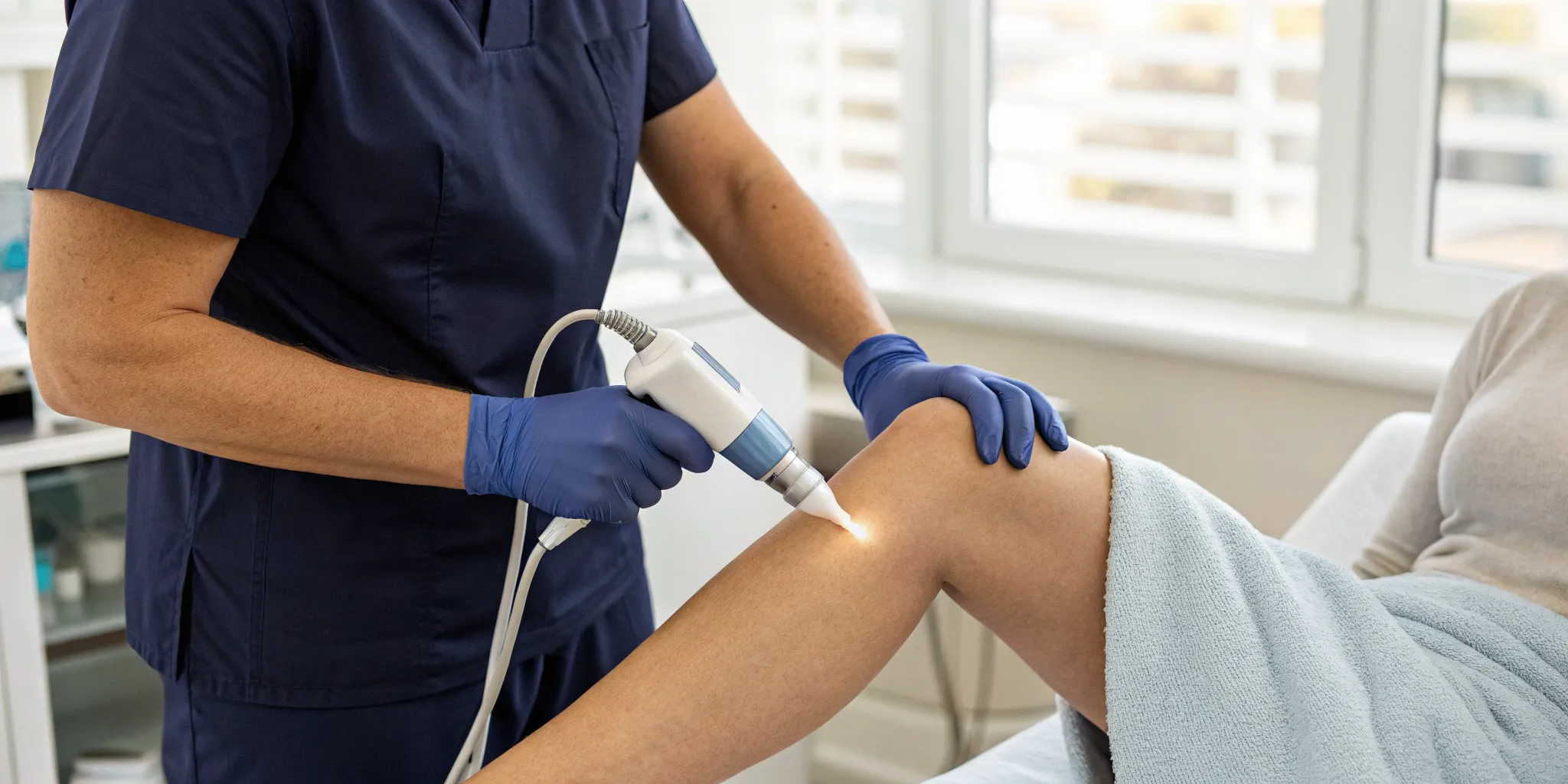
We often wait until something hurts to pay attention to our bodies. But what if you could get ahead of the pain? What if you could identify the subtle imbalances and weak spots in your movement before they turn into a chronic issue or a full-blown injury? That’s the power of a proactive approach to your physical health. A functional movement specialist helps you do just that. By screening your foundational movement patterns, they can create a personalized plan to build a more resilient, capable body for the long haul. This isn't just about fixing what's broken; it's about investing in your future self. This article will explain the benefits of this forward-thinking approach and guide you on how to find a functional movement specialist to start your journey.
Key Takeaways
- Focus on the 'why' behind your pain: A functional movement specialist analyzes your body's fundamental movement patterns to uncover the root cause of your discomfort, rather than just addressing the symptoms.
- Improve your everyday movements: This approach is not just for athletes; it helps anyone who wants to reduce pain from daily activities like sitting at a desk or carrying groceries, making life feel more comfortable.
- Find a qualified and supportive partner: When choosing a specialist, verify their certifications and look for someone who listens to your goals. The right practitioner will create a personalized plan that makes you feel confident in your care.
What Does a Functional Movement Specialist Do?
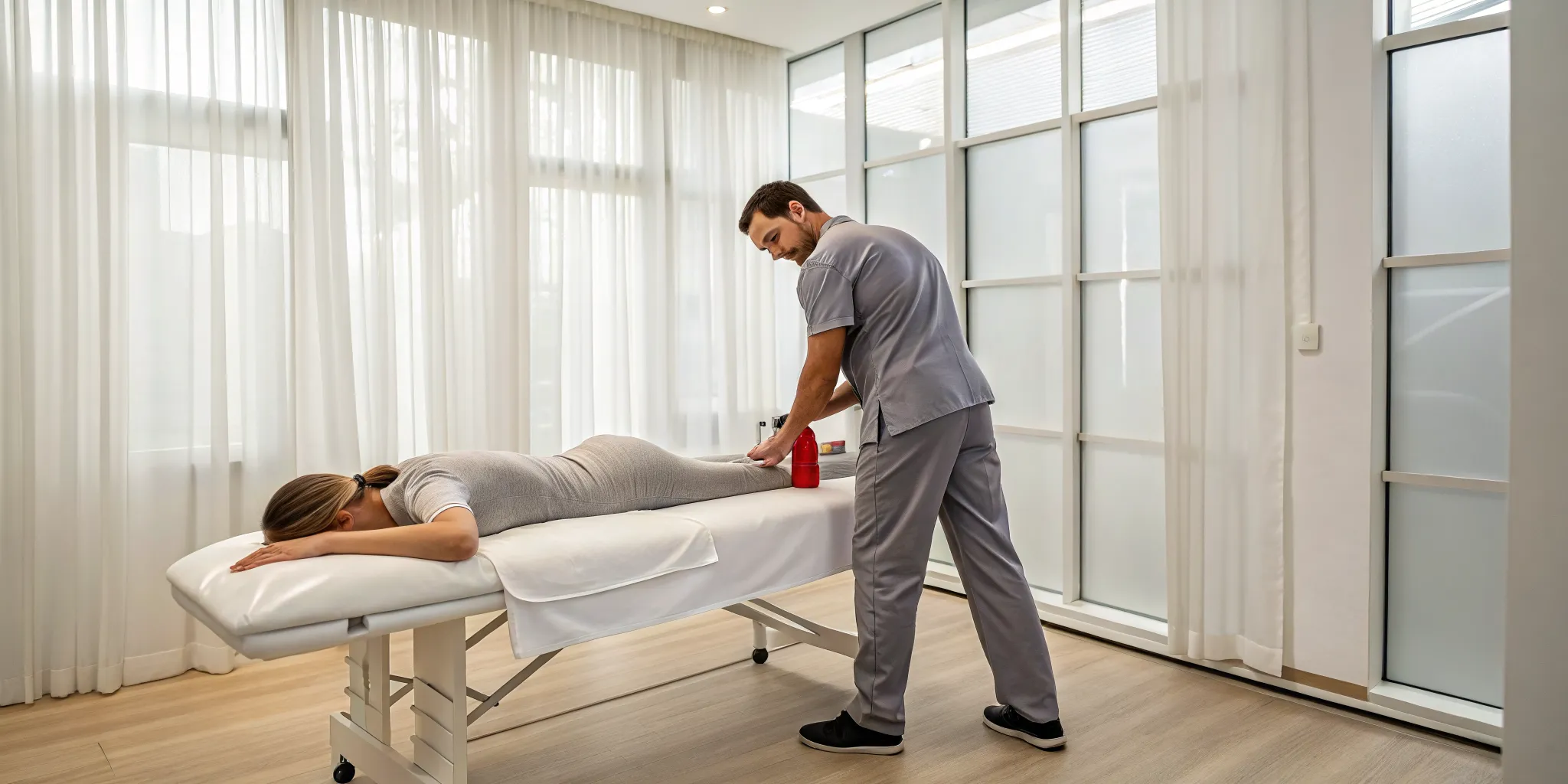
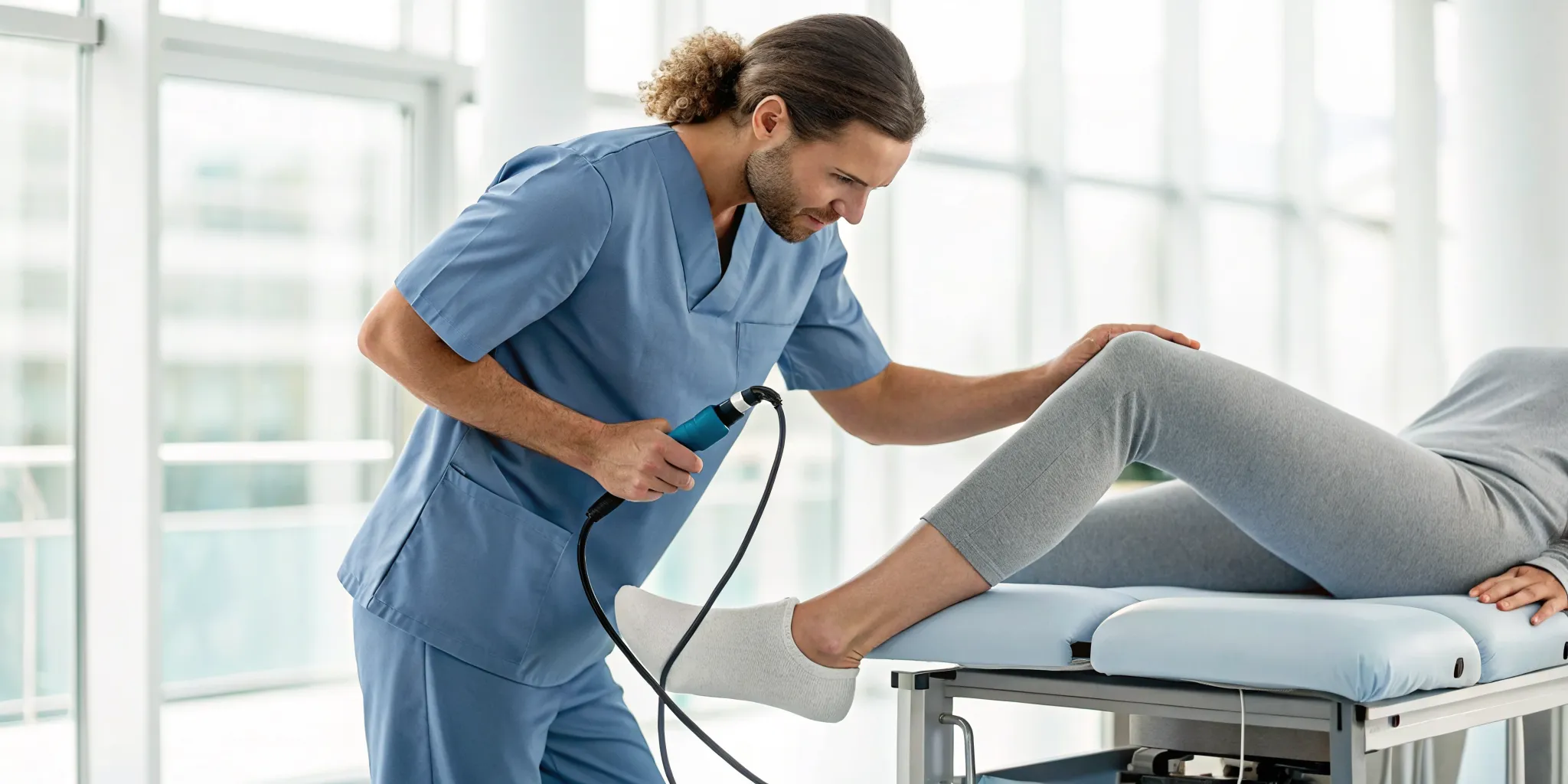
Think of a functional movement specialist as a detective for your body. Instead of just looking at where it hurts, they investigate how you move to understand why it hurts. Their goal is to uncover the root cause of your pain or stiffness, whether it’s in your shoulder, back, or knees. They focus on your body’s fundamental movement patterns, the basic building blocks of everything you do, from getting out of a chair to walking down the street. By analyzing these patterns, they can pinpoint imbalances or dysfunctions that lead to discomfort and limit your daily activities. This approach is a core part of our physical medicine services, designed to restore your body's natural ability to move well.
Assess Your Movement Patterns
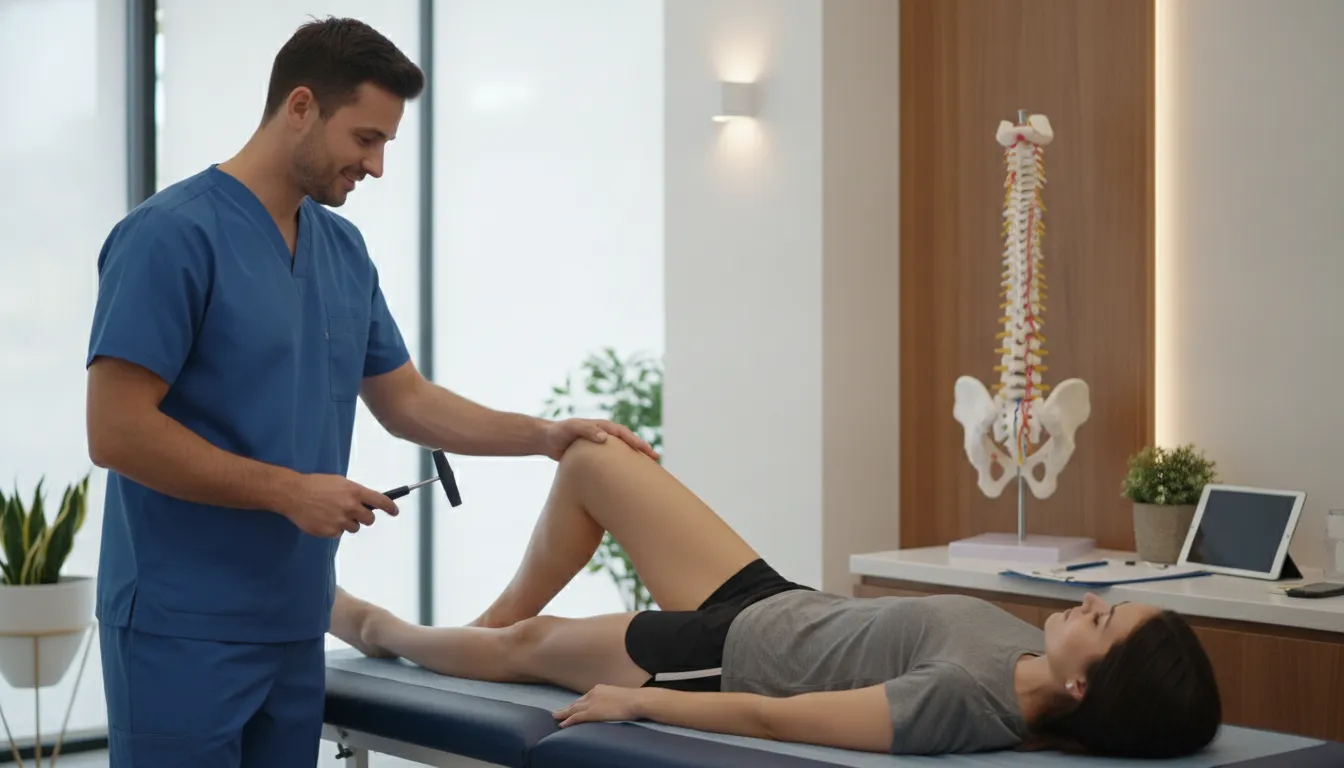
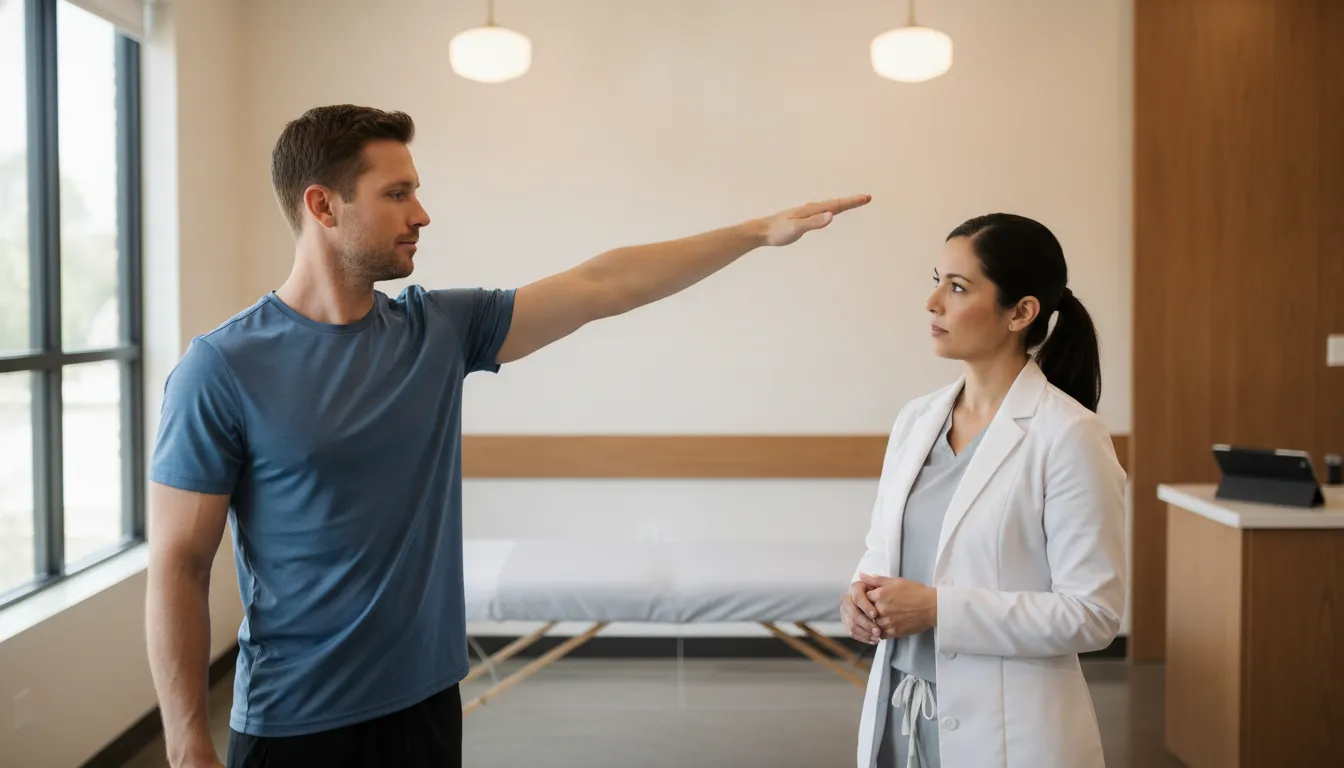
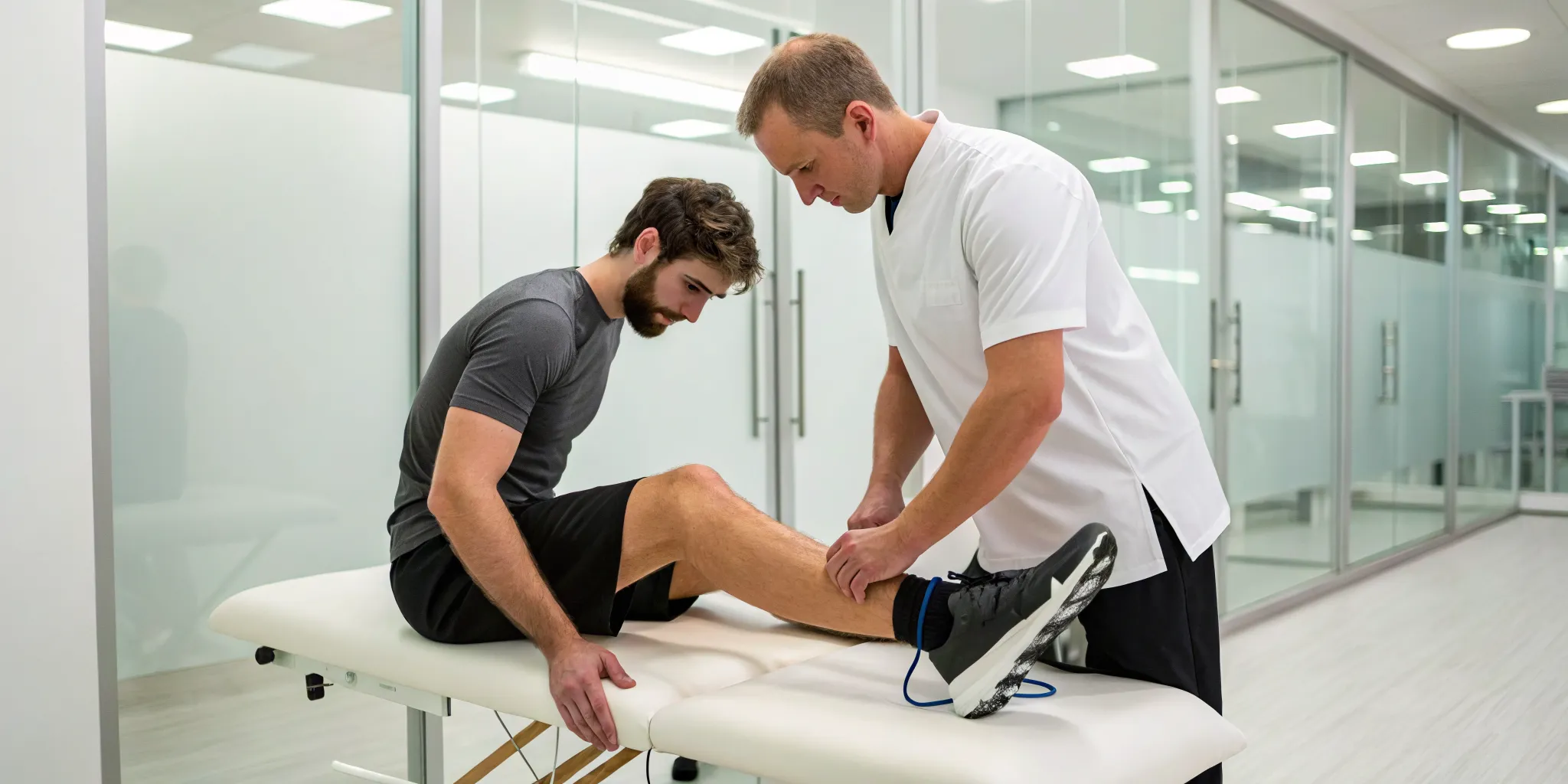
The first thing a specialist will do is simply watch you move. They’ll guide you through a series of basic, foundational movements, like a deep squat, a lunge, or reaching overhead. This isn't a test of strength or endurance; it's a screening to see your body's natural tendencies. They use a standardized system to look for significant limitations, asymmetries (where one side of your body moves differently than the other), or any pain that shows up. This process gives them a clear snapshot of your current movement quality, helping to identify the specific patterns that are contributing to your issues.
Create Corrective Exercise Plans
Once your assessment is complete, the specialist has the data they need to build a plan just for you. This isn’t a one-size-fits-all workout routine. Instead, it’s a targeted corrective exercise strategy designed to address the specific weaknesses, imbalances, or restrictions discovered during your screening. For example, if your assessment showed limited hip mobility was causing your back to overcompensate, your plan would include exercises to improve hip function. The goal is to systematically retrain your body, improving your foundational patterns so you can move with greater efficiency and less strain.
Guide Rehabilitation and Prevent Injury
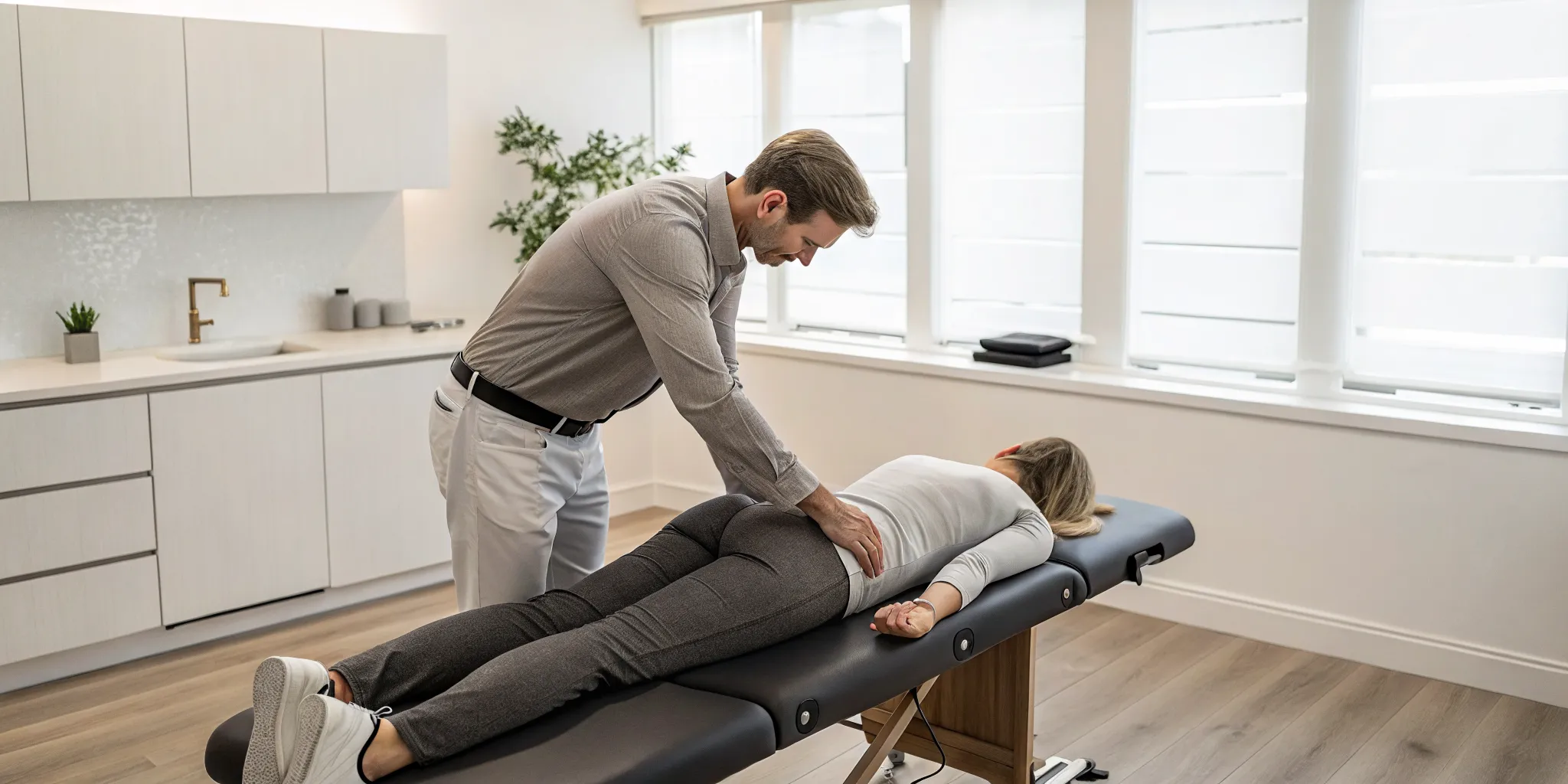
This entire process is about more than just feeling better now; it’s about building a more resilient body for the future. By identifying and correcting faulty movement patterns, a specialist helps guide your body through rehabilitation and reduces the risk of future problems. Think of it this way: if you can’t perform a basic movement correctly, your body will find a way to compensate, which often leads to strain and injury over time. Corrective exercises help you get back to moving the way your body was designed to, which is essential for addressing many of the conditions we treat and preventing them from coming back.
Who Should See a Functional Movement Specialist?
You might think that only professional athletes need to worry about how they move, but that couldn’t be further from the truth. A functional movement specialist helps people from all walks of life move better and feel better. Whether you’re dealing with a nagging ache, want to improve your posture, or simply wish to get through your day with more ease, understanding your body’s movement patterns is the first step. If you find yourself in any of the following situations, working with a specialist could be a game-changer for your health.
If You Have Joint Pain or Mobility Issues
Do you feel a twinge in your knee when you take the stairs? Does your shoulder ache after you carry in the groceries? These aren't just random pains to ignore. They are signals from your body that something is off with your movement. A functional movement specialist uses tools like the Functional Movement Screen (FMS)) to identify these exact problems. They can pinpoint imbalances and areas of weakness that put you at a higher risk for injury. By addressing these underlying issues, you can move with more confidence and less pain, getting ahead of problems before they become more serious.
If You Struggle with Posture
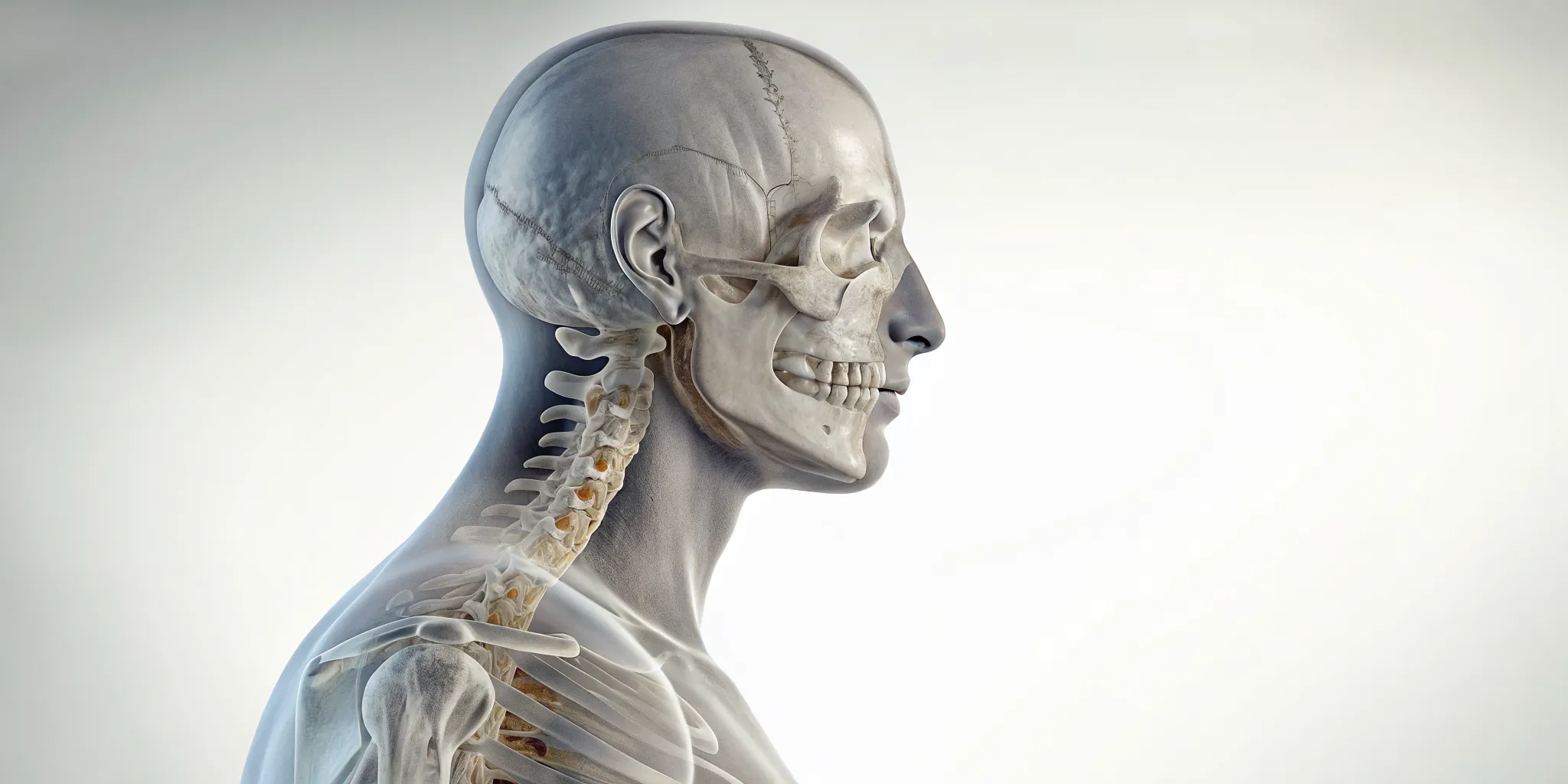
Let’s be honest, most of us spend a lot of time hunched over a desk, a steering wheel, or a phone. This habit can lead to that all-too-familiar slump, which often comes with neck pain, backaches, and even headaches. A functional movement specialist can help you break this cycle. They focus on using specific exercises to improve your ability to do everyday things without discomfort. Think of it as retraining your body to stand tall and move correctly. This approach helps you build strength and stability, promoting overall wellness and making your daily activities feel much easier. Our approach to physical medicine focuses on these foundational improvements.
If You Deal with Chronic Pain
Living with chronic pain is exhausting and can feel like a never-ending battle. Often, treatments focus only on the area that hurts, providing temporary relief without getting to the source. A functional movement specialist takes a different approach. They act like a detective, looking for the root cause of your pain by analyzing how your entire body moves. By finding weak spots and imbalances, they can help you understand why you’re in pain. This allows them to create a plan that not only eases your current discomfort but also helps prevent future injuries and improve your overall performance in life.
It’s Not Just for Athletes
There's a common misconception that this type of specialized care is reserved for athletes or people recovering from major injuries. The truth is, functional movement therapy is for everyone. It’s a versatile form of care that helps improve mobility, restore function, and enhance the quality of life for anyone who needs support. Whether you're an office worker with back pain, a new parent constantly lifting a child, or a retiree who wants to garden without aches, you can benefit. Improving your movement is about making your life better, no matter what your daily activities include. Our team is dedicated to helping all our patients achieve better health.
Myths About Functional Movement, Busted
Let's clear up some common misunderstandings about functional movement. These myths can stop people from getting the help they need to feel and move their best. It’s time to separate fact from fiction so you can make an informed decision about your health.
Myth #1: "It's Only for Pro Athletes"
It’s easy to see why this myth exists. We often see professional athletes working with specialists to fine-tune their performance. But functional movement is for everyone. It’s about the fundamental patterns you use every day, whether you’re lifting a child, carrying groceries, or just getting out of a chair. A specialist helps improve your mobility and restore function to enhance your quality of life, regardless of your athletic ability. Our approach to physical medicine is designed to help you move through your daily life with more ease and less discomfort, proving that you don’t need to be a pro to benefit.
Myth #2: "They Only Help People Who Are Hurt"
While a functional movement specialist is an incredible ally during recovery, their work isn't limited to addressing existing pain. A huge part of what they do is preventative. Think of it as a check-up for your movement. By identifying subtle imbalances or inefficient patterns before they lead to an injury, they help you build a more resilient body. This proactive approach is perfect for anyone who wants to stay active without setbacks, whether you’re a weekend gardener or you simply want to address the strain of sitting at a desk all day. They help with a wide range of conditions we treat, many of which begin as minor dysfunctions.
Myth #3: "It's the Same as a Personal Trainer"
This is a common point of confusion, but their roles are quite different. A personal trainer typically focuses on helping you reach general fitness goals, like building muscle or improving endurance. A functional movement specialist takes a more clinical approach. They use specific assessments to analyze the quality of your movement, looking for asymmetries and dysfunctions that could lead to pain or injury. Their goal is to correct these foundational patterns first. This creates a solid base that makes all other physical activity safer and more effective. Our team’s personalized protocols are built on this principle of addressing the root cause, not just the symptoms.
How to Choose a Qualified Specialist
Finding the right person to guide you on your health journey is a big decision, and it’s one you should feel confident about. Think of this person as a partner in your health, someone who will listen to your concerns and work with you to create a plan that addresses your unique needs. With so many different practitioners out there, it helps to know what to look for. Taking a little time to research your options can make all the difference in your experience and results.
When you’re ready to find a specialist, you’ll want to focus on a few key areas: their qualifications, their specific experience, and their professional transparency. A great practitioner will not only have the right credentials but will also have a history of helping people with similar goals. They should be open and honest, making you feel comfortable and respected from your very first interaction. This process isn't about finding just anyone; it's about finding the right one for you. Let’s walk through what to look for so you can find a specialist who is the perfect fit for your body and your goals.
Look for Key Certifications
The first step in vetting a specialist is to check their credentials. Certifications are important because they show that a practitioner has completed the necessary training and meets a professional standard of practice. It’s a baseline that ensures they have a solid foundation of knowledge. When you're exploring your options, don't hesitate to ask about their qualifications. A reputable professional will be happy to share this information. It's wise to make sure any practitioner you choose is truly certified and in good standing within their professional organization. This simple check helps you start your search with a pool of qualified candidates.
Find Someone with Relevant Experience
Beyond certifications, you want a specialist who has hands-on experience, especially with issues like yours. Have they worked with people who have similar movement challenges or pain points? One way to gauge their expertise is to see what tools they use. For example, many skilled professionals use the Functional Movement Screen (FMS)), a system designed to evaluate movement quality. The main goal of the FMS is to identify movement problems or areas where you might have a higher risk of injury. A specialist who uses tools like this is likely focused on understanding the root cause of your issues, not just addressing the symptoms.
Red Flags to Avoid
Just as there are green flags to look for, there are also red flags to keep in mind. The biggest one is a lack of transparency. A qualified professional should never hesitate to provide proof of their certifications or answer questions about their experience. If you ask for their credentials and they get defensive or can't provide them, consider it a sign to walk away. For certain methodologies, you can even verify a practitioner online. For instance, you can always ask for an official verification link from a Functional Patterns practitioner to prove their certification is active. If they can't provide one, it's best to continue your search.
Your First Appointment: What to Expect
Walking into your first appointment with a functional movement specialist can feel a little mysterious, but it’s really just a conversation between you and an expert who wants to understand your body. The goal isn’t to test your strength or flexibility; it’s to get a clear picture of how you move. This initial meeting is all about discovery. Your specialist will guide you through a gentle assessment, use that information to build a plan just for you, and give you plenty of time to ask questions. Think of it as the first step toward moving with more comfort and confidence.
The Initial Movement Assessment
The first thing your specialist will do is guide you through a functional movement screening. This is a standardized way to evaluate your body’s fundamental movement patterns, like squatting, lunging, and reaching. It’s not a workout, so don’t feel pressured to perform. The specialist is simply observing how your body naturally completes these motions. They are looking for any significant limitations, asymmetries, or discomfort that could be contributing to your issues. This process gives us a snapshot of your movement quality and helps pinpoint the exact areas that need support, forming the foundation of our physical medicine approach.
Creating Your Personalized Plan
After the assessment, your specialist will connect what they observed with the goals and concerns you shared. This is where the magic happens. They’ll explain how a specific tightness in your hip might be related to your back pain or how an imbalance in your shoulders could be causing headaches. The goal is to create a completely individualized plan based on your body’s unique needs. This isn’t a one-size-fits-all program; it’s a targeted strategy with corrective exercises and stretches designed to address your "weak link" or functional limitation. This plan is your roadmap to addressing the root cause of many common health conditions.
Smart Questions to Ask Your Specialist
Your first appointment is a two-way street, and you should feel empowered to ask questions to make sure you’re comfortable and confident in your care. Don’t hesitate to speak up. A great specialist will welcome your curiosity and want you to be an active participant in your health journey.
Here are a few smart questions to get the conversation started:
- How do these specific exercises relate to my pain?
- What should I feel (and not feel) when I do this movement at home?
- How will we measure my progress over time?
- What’s a realistic timeline for seeing improvement?
Feeling informed and heard is a key part of the healing process, so if you have questions before you even book, we encourage you to contact us.
The Benefits of Improving Your Movement
Working with a specialist to refine your movement isn't just about fixing something that’s broken. It’s about upgrading how your body operates every single day. When you focus on the quality of your movement, you’re investing in your overall well-being in ways that pay off for years to come. The goal is to build a body that feels capable, resilient, and ready for whatever life throws your way. Let's look at some of the biggest benefits you can expect.
Move with More Ease and Efficiency
Think about your daily routine: carrying groceries, picking up your kids, or even just getting out of a chair. When your body moves well, these simple tasks feel effortless. Functional movement therapy uses specific exercises to improve your ability to perform everyday activities with ease and without discomfort. It’s not about training for a marathon (unless you want to). It’s about making your body more efficient so you can move through your day with more energy and less strain. Our approach to physical medicine focuses on restoring this natural ease, helping you feel more at home in your own body.
Prevent Future Injuries
It’s one thing to address pain after it shows up, but what if you could get ahead of it? A key benefit of improving your movement is injury prevention. A specialist can identify imbalances or weak spots in your movement patterns that you might not even notice. These subtle issues are often the underlying cause of future problems. By finding these potential risks early, you can correct them before they lead to a bigger issue. This proactive approach helps you move better and perform at your best, whether you're gardening, playing a sport, or just living your life. It’s a smart way to avoid the setbacks that come with many common health conditions.
Support Long-Term Physical Health
Improving how you move is one of the best things you can do for your future self. The quality of your movement patterns directly impacts your long-term physical health, helping you stay active and independent as you age. When your body moves correctly, it reduces unnecessary wear and tear on your joints and tissues. This is a cornerstone of a holistic health strategy, as movement is connected to everything from your energy levels to your metabolic health. By focusing on functional medicine, we see how optimizing movement supports the health of your entire system for the long haul.
Finding the Right Specialist for You
Choosing a specialist is a big decision, and it goes beyond just finding someone with the right qualifications. You’re looking for a partner in your health journey, someone who will listen to you, understand your goals, and guide you toward feeling your best. The right person will make you feel seen and empowered. So, as you start your search, it helps to know what to look for. Beyond the credentials on the wall, a few key qualities truly separate a good practitioner from a great one.
They Communicate Clearly and Listen Well
A great specialist is an excellent communicator, but more importantly, they are an exceptional listener. Your appointments should feel like a two-way conversation, not a lecture. They should take the time to understand your history, your symptoms, and what you hope to achieve. When they explain your assessment or your plan, it should be in plain language that makes sense to you. This open dialogue builds trust and ensures you are both working toward the same goals. At Ascend, our entire approach to care is built on this kind of partnership, where your voice is a critical part of the healing process.
They Adapt the Plan to Your Needs
Your body is unique, and your care plan should be, too. A top-tier specialist will never hand you a generic, one-size-fits-all program. Instead, they will use your initial assessment to identify your specific movement limitations or "weak links" and design a corrective plan just for you. This personalized strategy is what leads to real, lasting results. Whether you're dealing with nagging back pain or want to improve your posture, the right plan will address your specific concerns. A great practitioner continuously monitors your progress and adjusts the plan as your body gets stronger and your needs change.
Green Flags of a Great Practitioner
When you meet with a specialist, pay attention to the "green flags" that signal you're in good hands. Are they compassionate and patient? Do they have strong problem-solving skills and a genuine passion for helping people move better? These qualities are just as important as any certification. A great practitioner is invested in your success and creates a supportive environment where you feel comfortable asking questions and expressing concerns. You can often see these qualities reflected in what other people say about their experience. Reading patient testimonials can give you a good sense of a specialist's approach and whether they are the right fit for you.
How to Find a Functional Movement Specialist
Finding the right specialist is a crucial step in taking control of your physical health. You want someone with the right qualifications, experience, and approach to guide you. But with so many options, how do you choose? The key is to know where to look and what to look for. A little research can help you find a practitioner who truly understands your body and your goals. By using professional directories, checking with local clinics, and gathering personal recommendations, you can confidently find a specialist who is the right fit for your health journey. This process ensures you connect with a qualified professional who can create a personalized plan to help you move better and feel your best.
Check Professional Organizations
A great starting point is to consult professional organizations. These groups maintain standards for their fields and often provide public directories of their certified members. This is one of the best ways to verify that a specialist has completed the necessary education and is in good standing. For example, organizations dedicated to specific movement philosophies often have tools to help you find a practitioner who is officially trained in their methods. Using these directories gives you peace of mind, knowing you’re connecting with someone who has a verified and approved skill set. It’s a simple, effective way to narrow your search to only qualified professionals in your area.
Look at Local Health Clinics
Many multidisciplinary health clinics have functional movement specialists on their teams. Looking at local clinics that offer holistic or physical medicine services can be an excellent way to find an expert who works as part of a larger, collaborative health team. These professionals are often certified in movement science and rehabilitation. Some educational bodies, like the Gray Institute, even offer a movement professional locator to connect you with certified individuals who understand the body’s mechanics. Choosing a specialist within a clinic setting can also provide a more integrated approach to your overall health, as they can easily collaborate with other providers on your care.
Ask for Referrals and Read Reviews
Don’t underestimate the power of a personal recommendation. Ask friends, family, or other healthcare providers you trust if they can refer you to a functional movement specialist they’ve had a good experience with. Hearing about someone’s firsthand experience can provide valuable insight that you won’t find anywhere else. Alongside referrals, take the time to read online reviews and patient testimonials. This can give you a clearer picture of a specialist’s communication style, their approach to creating plans, and the results their clients have seen. This combination of personal referrals and public feedback can help you feel much more confident in your decision.
How Movement Fits into Your Overall Health
Thinking about your health can feel like juggling a dozen different things, from what you eat to how you sleep. But one of the most important pieces of the puzzle is also one of the most fundamental: how you move. Movement isn't just about hitting the track or lifting weights; it’s about the quality of your body’s patterns in everyday life. How you bend, twist, sit, and stand has a ripple effect on your entire well-being, influencing everything from joint comfort to your energy levels. When your movement is efficient and balanced, your body works as it should. When it’s not, you might start to notice nagging pain, stiffness, or a feeling that something is just "off."
A functional approach to health recognizes that your body is an interconnected system. Pain in your back might be related to how you walk, and stiffness in your hips could be affecting more than just your stride. By looking at movement as a core indicator of health, we can get to the root of chronic issues instead of just chasing symptoms. This is where the principles of both physical and functional medicine come together to create a complete picture of your health. Instead of isolating a single complaint, we look at the entire chain of movement to understand why you're feeling the way you do. This holistic view is key to creating lasting change and supporting your body's natural ability to heal.
The Link Between Physical Medicine and Movement
Physical medicine focuses on the body's structure and mechanics. A key part of this is understanding your unique movement patterns to see where things might be going wrong. As the experts at Functional Movement Systems explain, the goal is to "help reduce the chance of injuries and to help people stay healthy throughout their lives." It’s not about judging your athletic ability; it’s about identifying imbalances or weaknesses that could lead to pain or injury down the road.
This is why a functional movement specialist is a crucial part of a holistic physical medicine plan. By assessing your foundational movements, a specialist can pinpoint asymmetries or limitations you might not even notice. This proactive approach helps you build a more resilient body that can handle daily demands with ease.
Why Functional Medicine Considers the Whole Body
Functional medicine takes that physical assessment and places it within the broader context of your total health. It acknowledges that how you move affects everything from your energy levels to your digestive comfort. A specialist uses a systematic process, like the Functional Movement Screen (FMS), to evaluate core movement patterns. This screen helps "pinpoint limitations, guide corrective exercises, and accelerate rehabilitation."
This whole-body perspective is what makes the approach so effective. The screen provides a clear snapshot of your movement competency, which is essential for creating a truly personalized plan and tracking your progress over time. By understanding these foundational patterns, a practitioner can better address the root causes of your concerns and support your body’s ability to heal and perform optimally.
Find Your Functional Movement Specialist in Tampa
Finding the right person to guide your movement journey is a huge step, and thankfully, Tampa has some excellent professionals. When you're ready to connect with a specialist, you want to be sure they're qualified and a good fit for your specific goals. Here are a few solid resources and tips to help you find a great practitioner in the area.
Start your search with professional directories. These are online databases of certified practitioners, so you know you're looking at a list of people who have completed specific training. The Functional Patterns Practitioner Locator is a great place to find specialists trained in their specific methodology. Another excellent tool is the Gray Institute's Movement Professional Locator, which helps you find certified pros with various backgrounds. These locators ensure you’re connecting with someone who is certified and in good standing with their organization.
Once you have a name or two, don't hesitate to ask for an official verification link from the practitioner. Any qualified specialist will be happy to confirm that their certification is active and valid. It’s a simple step that gives you peace of mind. You can also look for specialists who work within a broader health clinic. At Ascend, our approach to physical medicine integrates movement with other therapies, ensuring your plan is part of a complete picture of your health. This team-based approach can be incredibly effective because it addresses your body as an interconnected system, not just a collection of parts.
Related Articles
- Functional Movement | Alessi Functional Health
- Physical Medicine in Tampa | Chiropractic & Rehab Care | Ascend Functional Health
- Functional Movement Screening: A Complete Guide
- Functional Medicine in Tampa | Root Cause Care | Ascend Functional Health
- Physical Medicine | Alessi Functional Health Tampa, FL
Frequently Asked Questions
Is this really for me, or is it just for serious athletes? This is one of the biggest misconceptions. Functional movement work is for everyone, not just athletes. If you sit at a desk all day, deal with nagging back pain, or feel a twinge in your knee when you take the stairs, this approach is designed for you. It focuses on the fundamental movements you use in everyday life, helping you do everything from carrying groceries to playing with your kids with more ease and less discomfort.
How is this different from chiropractic care or physical therapy? While all these practices can help you feel better, they have different primary focuses. A functional movement specialist acts like a detective for your movement patterns, using specific screens to find the root cause of why you might be experiencing pain or stiffness. At a clinic like ours, these approaches work together. For example, a chiropractic adjustment can be more effective and hold longer when you are also correcting the faulty movement patterns that contributed to the problem in the first place.
I’m not in pain right now. Can I still benefit from seeing a specialist? Absolutely. You don't have to be in pain to benefit from improving your movement. Think of it as a proactive check-up for your body. A specialist can identify subtle imbalances or inefficiencies you might not even notice, which could lead to problems down the road. By addressing these small issues now, you build a more resilient body and reduce your risk of future injury, helping you stay active and feel good for years to come.
How long will it take before I start to feel a difference? This is a great question, and the honest answer is that it varies for each person. Your progress depends on your specific goals, the issues identified in your assessment, and how consistent you are with your personalized plan. This isn't about a temporary fix; it's about creating lasting change. That said, many people report feeling a noticeable improvement in their daily comfort and movement quality relatively quickly as they begin to retrain their body.
Will I have to do a bunch of complicated exercises every day? Not at all. The goal is to create a plan that fits into your life, not one that overwhelms it. Your specialist will give you a targeted set of corrective exercises designed specifically to address your body's needs. The focus is always on the quality of the movement, not the quantity. These are simple, effective movements intended to restore proper function so you can get back to living your life with more freedom and less pain.