Your body has an incredible, innate ability to heal itself. Sometimes, however, an injury or chronic inflammation can disrupt this process, leaving you with persistent pain and limited mobility. Instead of just masking the symptoms, what if you could give your body the specific signal it needs to get back to work? That’s the core idea behind SoftWave tissue regeneration therapy. This advanced treatment uses patented sound waves to penetrate deep into damaged tissue, stimulating a powerful cellular response. It helps increase blood flow, reduces inflammation, and activates your own resident stem cells to start rebuilding and repairing the area, offering a way to find true relief.
Key Takeaways
- Activates Your Body's Repair System: SoftWave therapy is a non-invasive treatment that uses sound waves to stimulate your body's own healing mechanisms, including stem cells, to repair damaged tissue and address the root cause of your pain.
- Offers Relief for Stubborn Injuries: This therapy is highly effective for a wide range of chronic conditions that have not responded to other methods, including persistent joint pain, tendonitis, and plantar fasciitis.
- Fits Easily into Your Life: A typical treatment session is quick, lasting only 10 to 15 minutes, and requires no downtime, allowing you to get back to your day immediately after your appointment.
What Is SoftWave Therapy?
If you're dealing with persistent pain or an injury that just won’t heal, you might feel like your options are limited. SoftWave Therapy offers a different path forward. It’s an advanced, non-invasive treatment that uses patented technology to send sound waves deep into your body’s tissues. This process, also known as Extracorporeal Shockwave Therapy (ESWT), helps stimulate your body’s own healing mechanisms to repair damaged muscles, tendons, ligaments, and joints without needles or downtime.
How It Works: Healing with Sound Waves
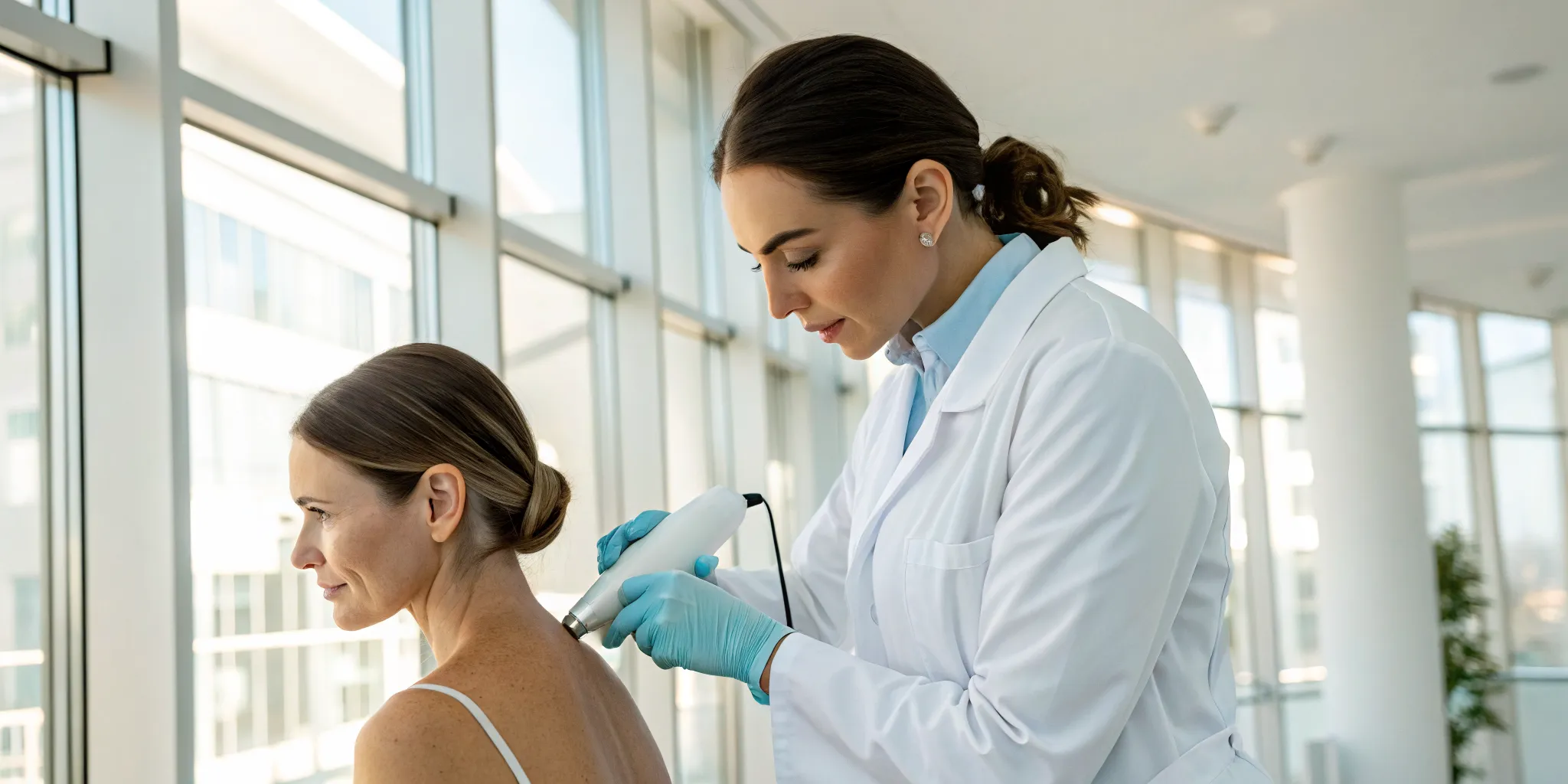
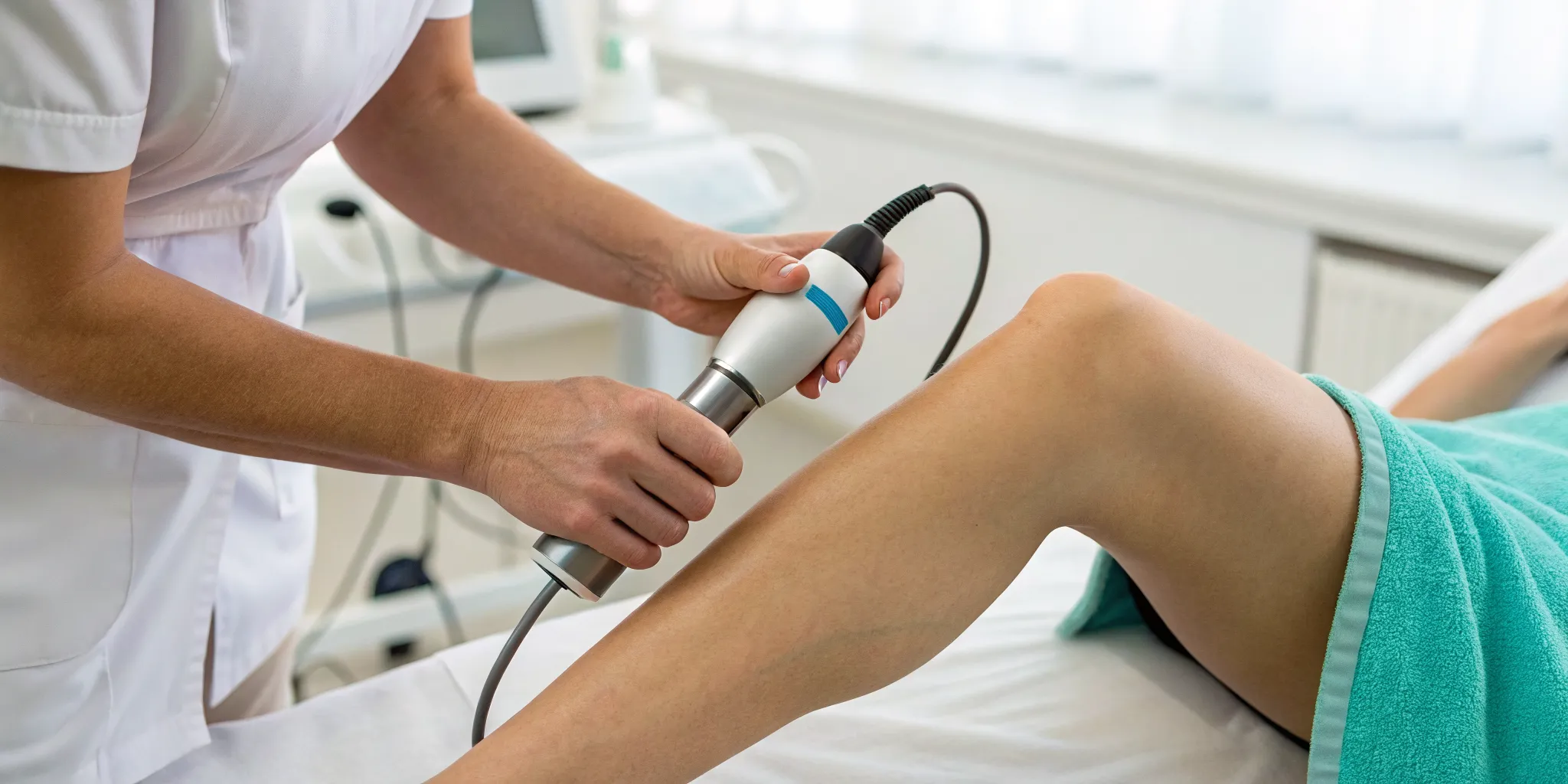
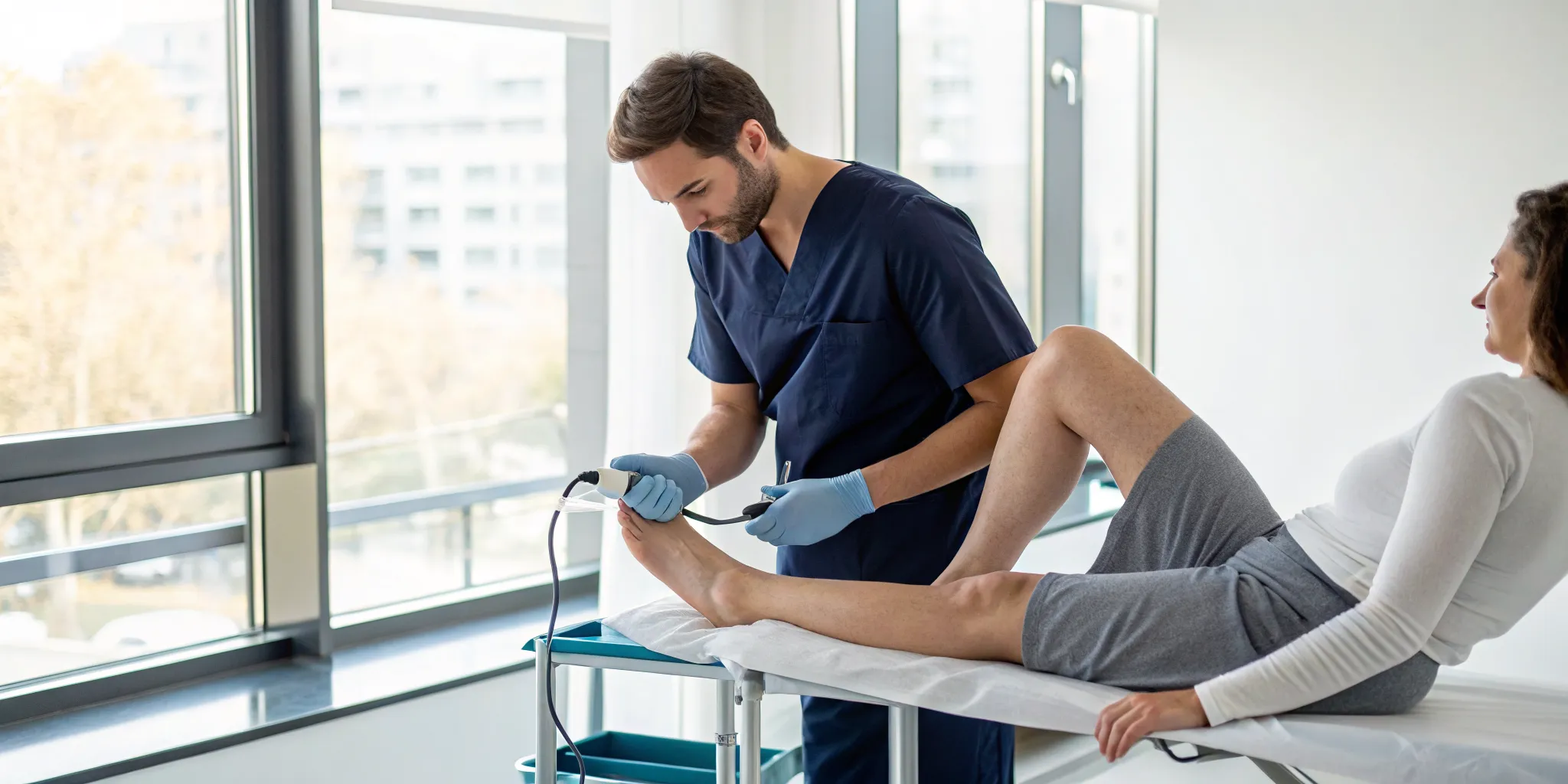
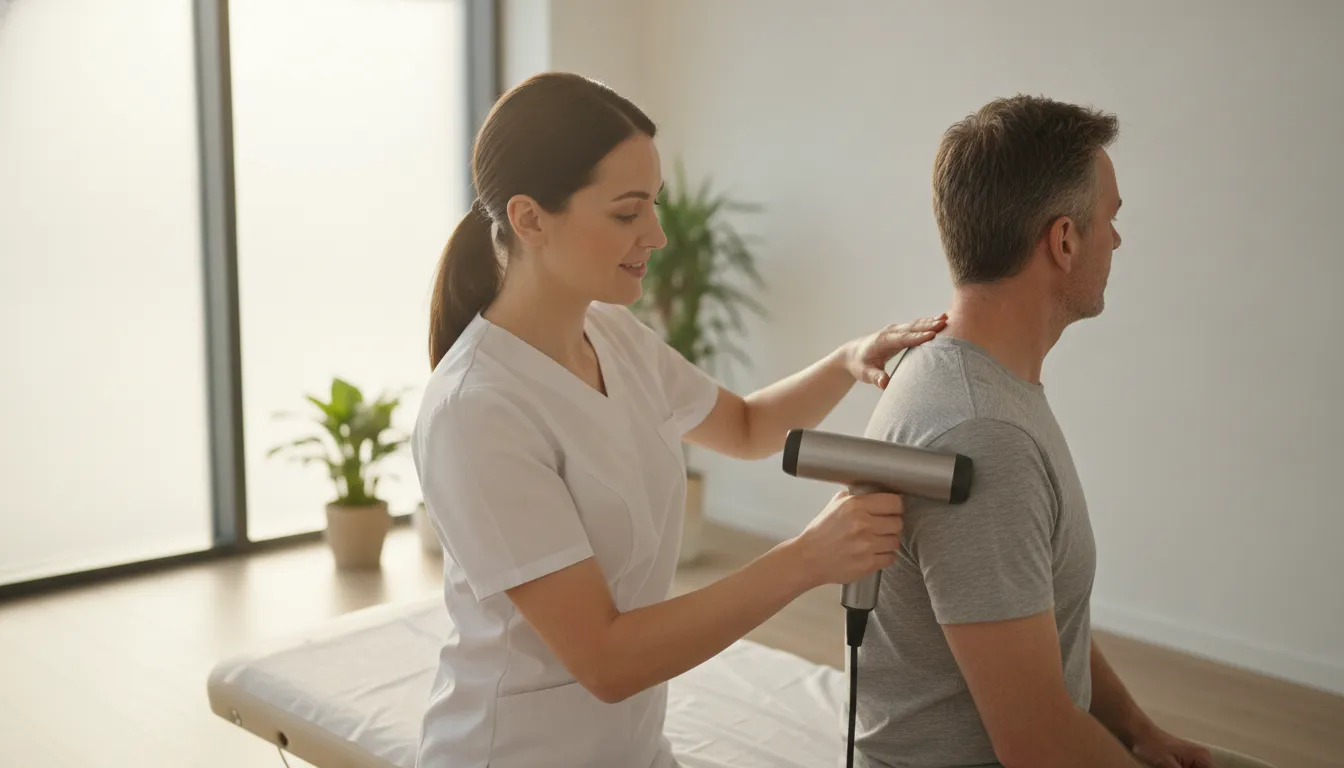
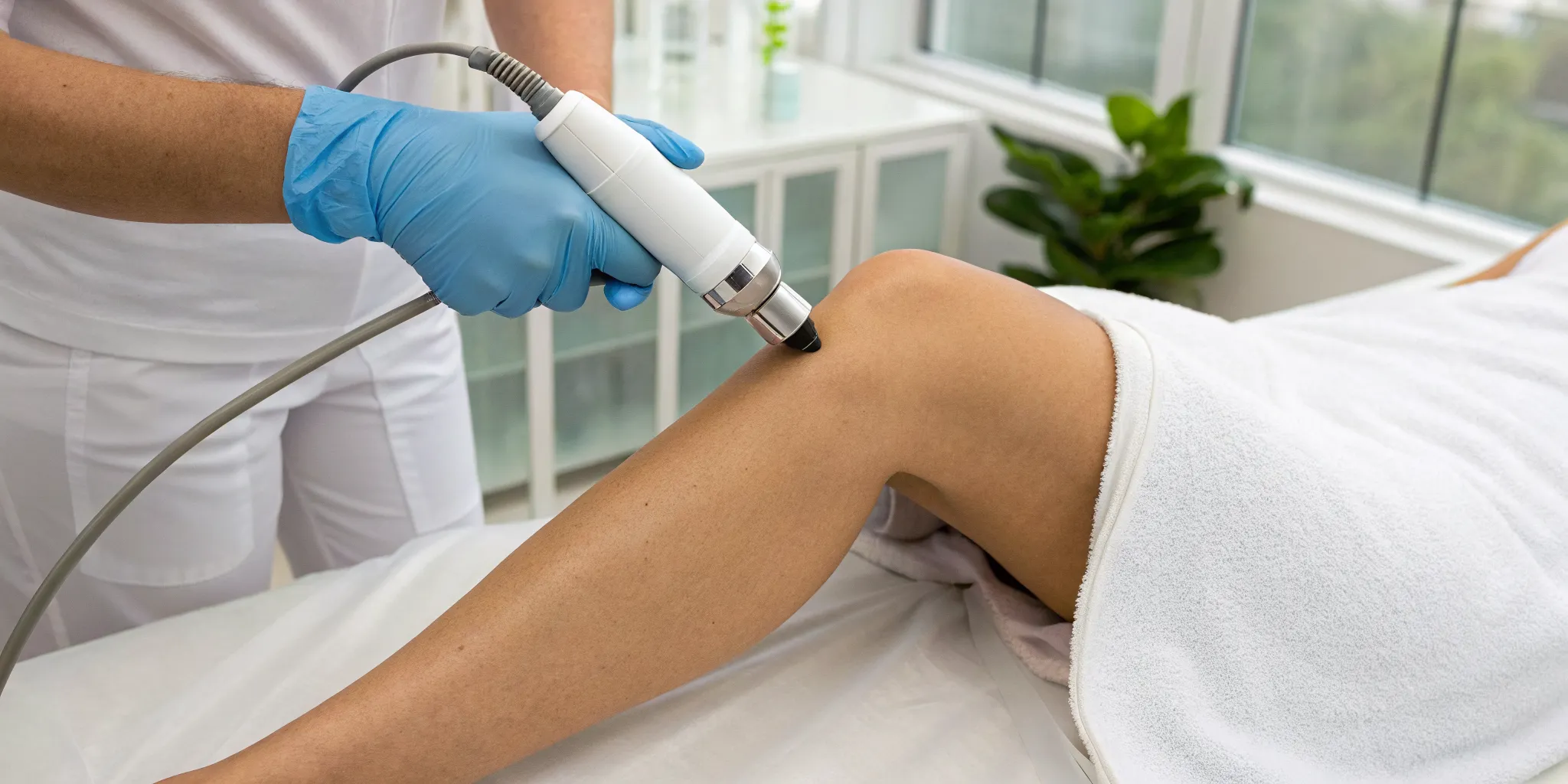
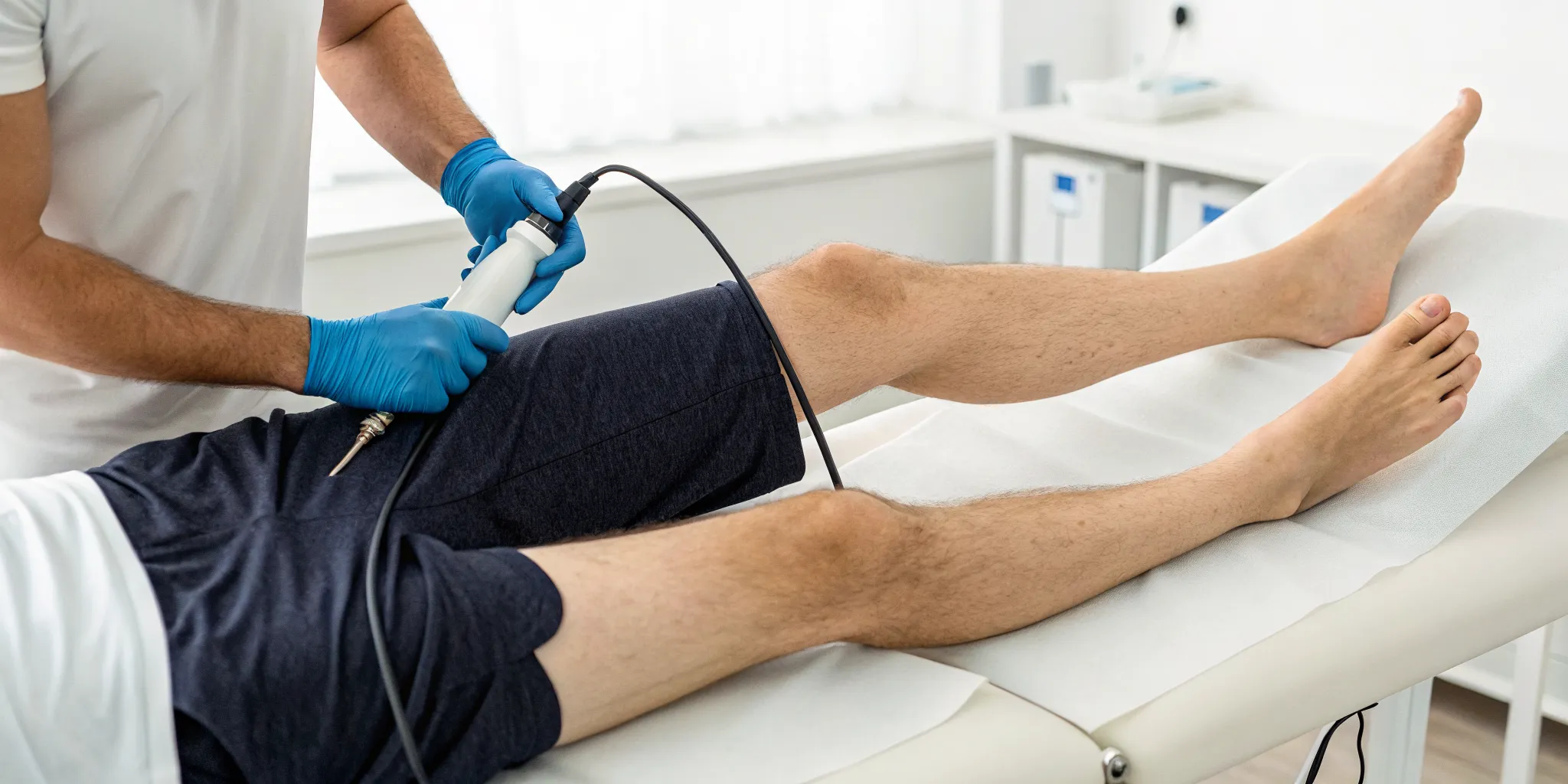
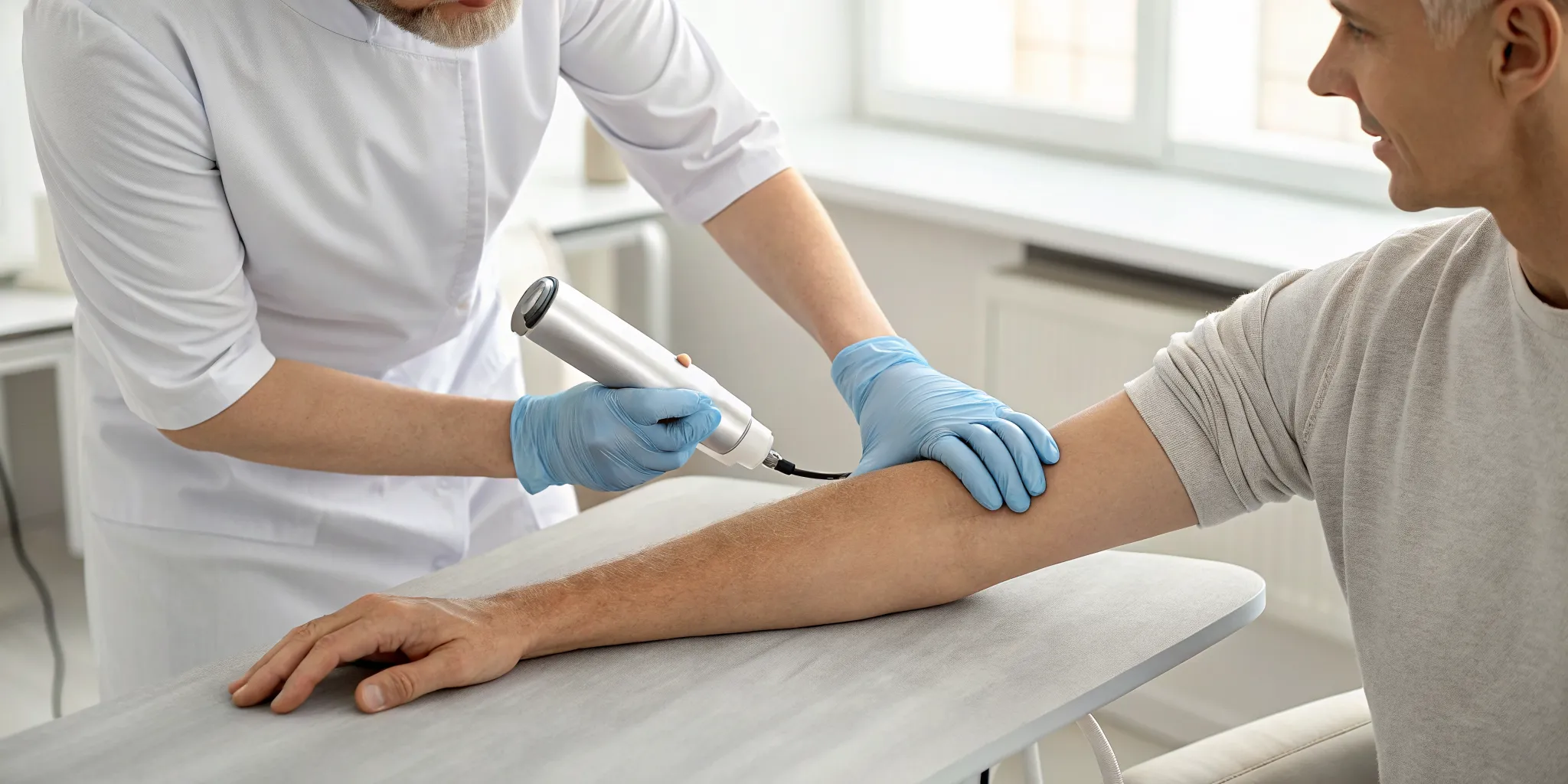
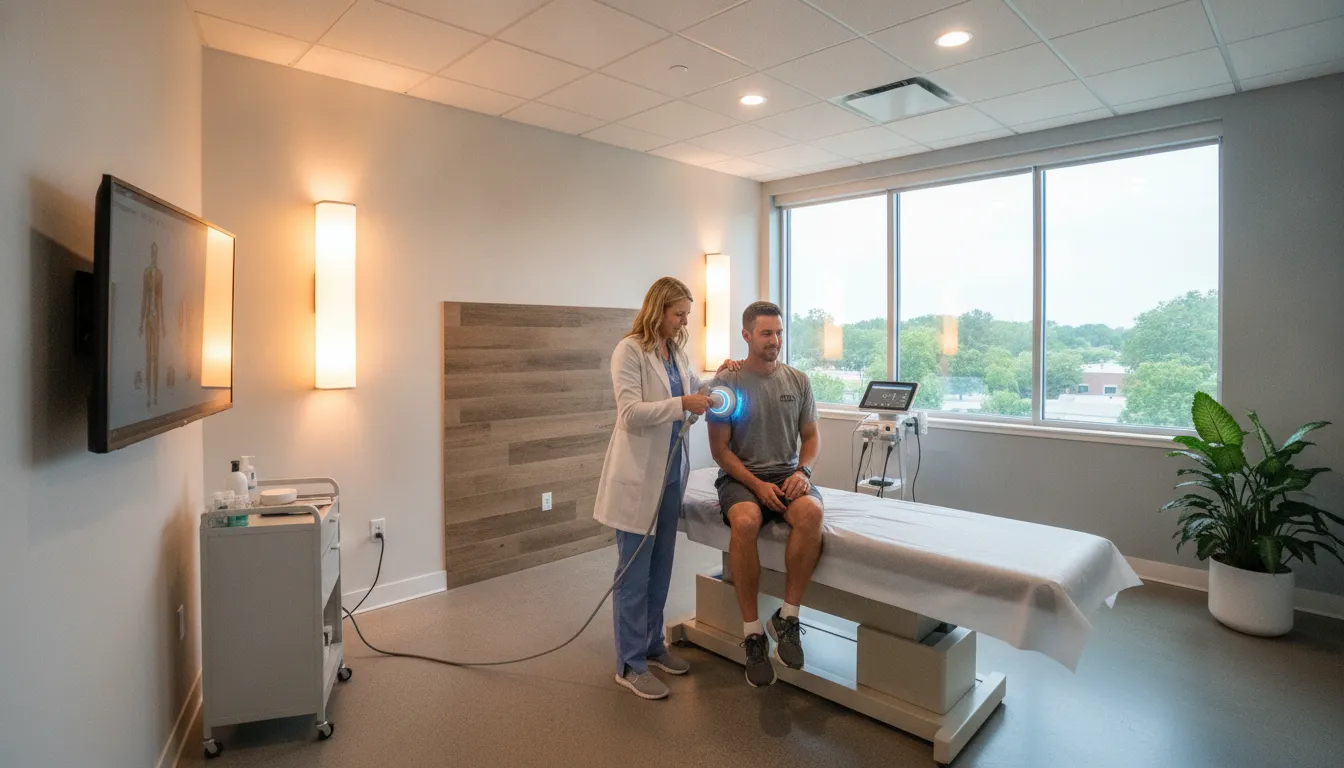
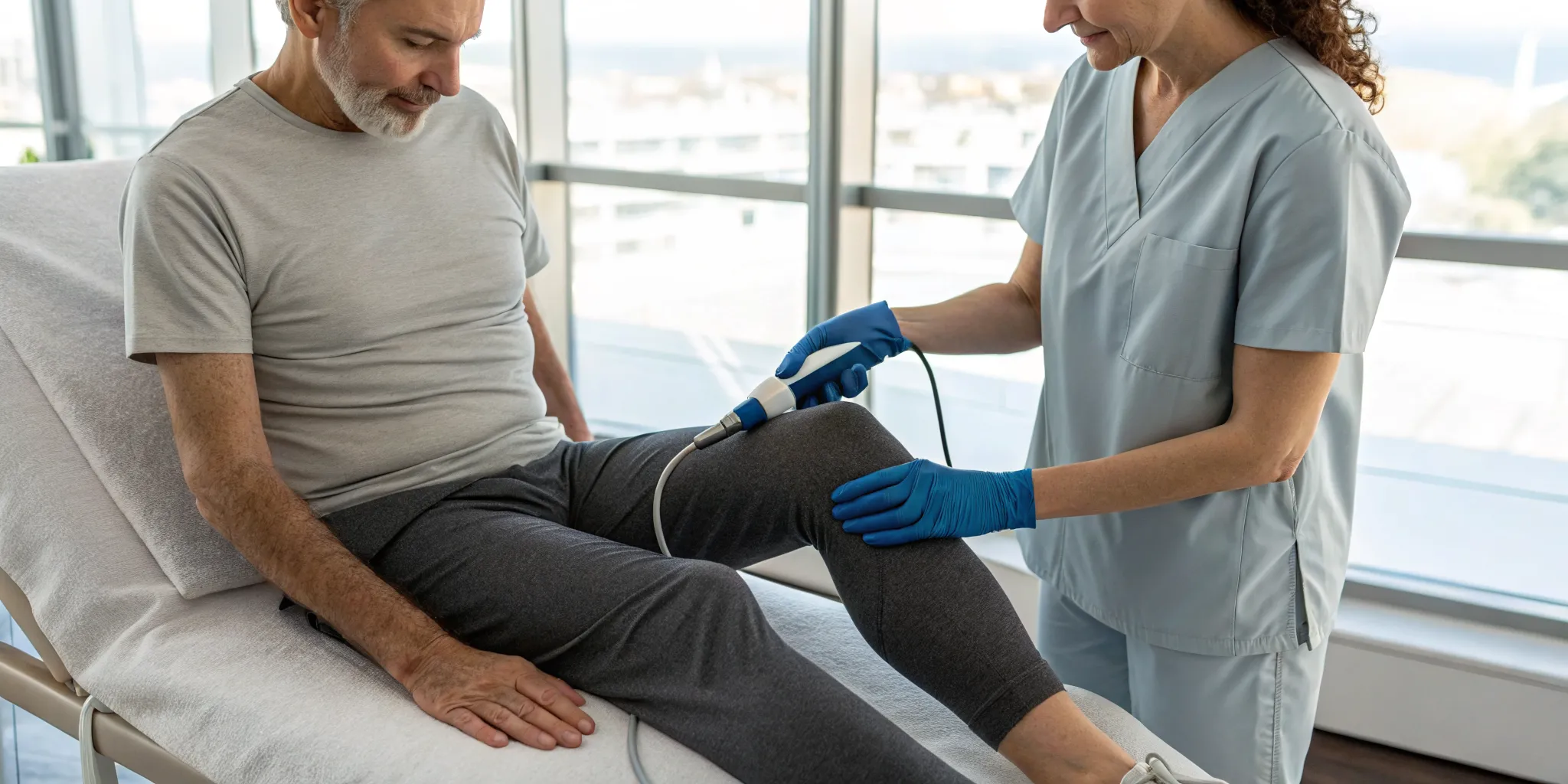
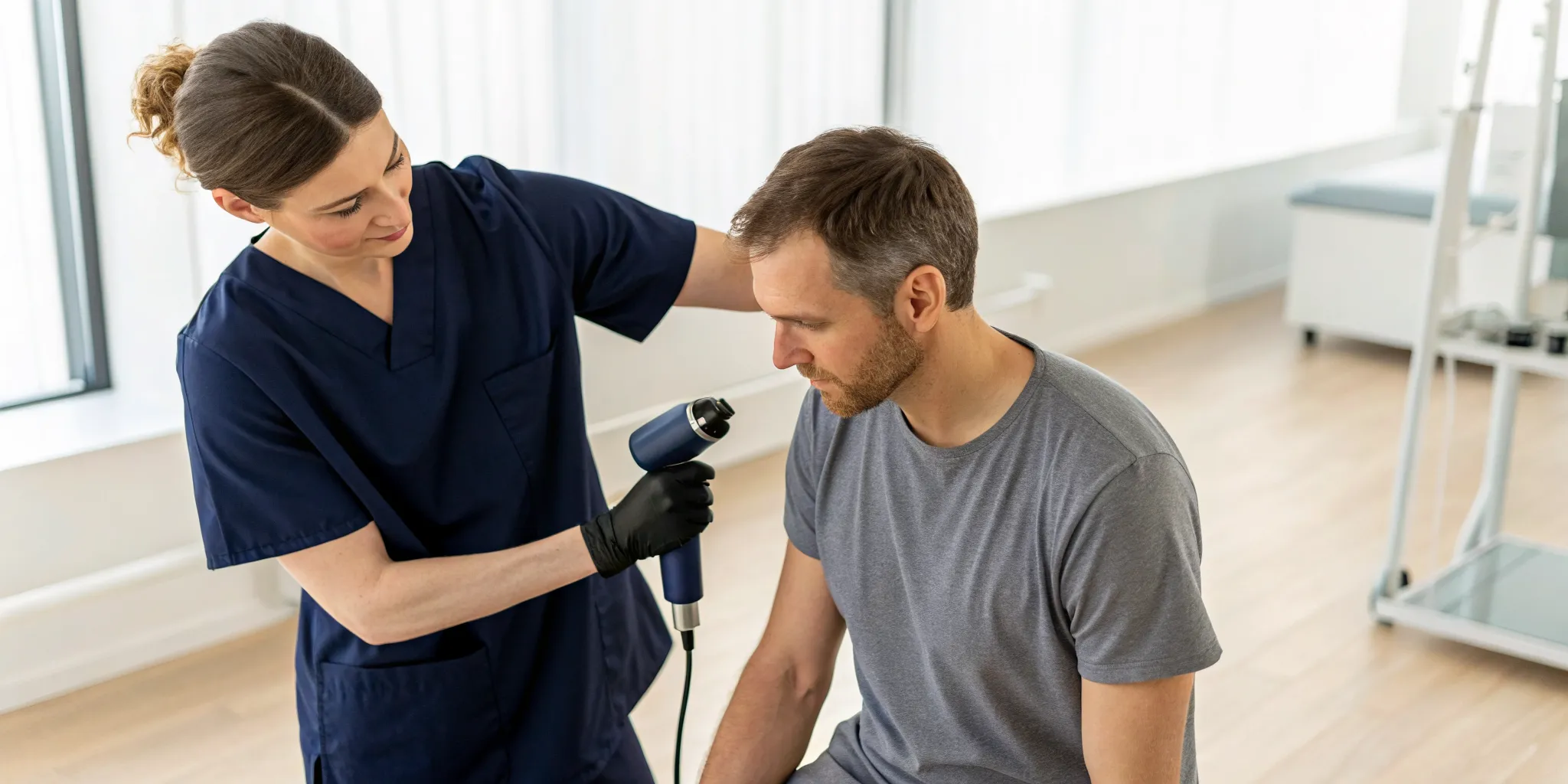
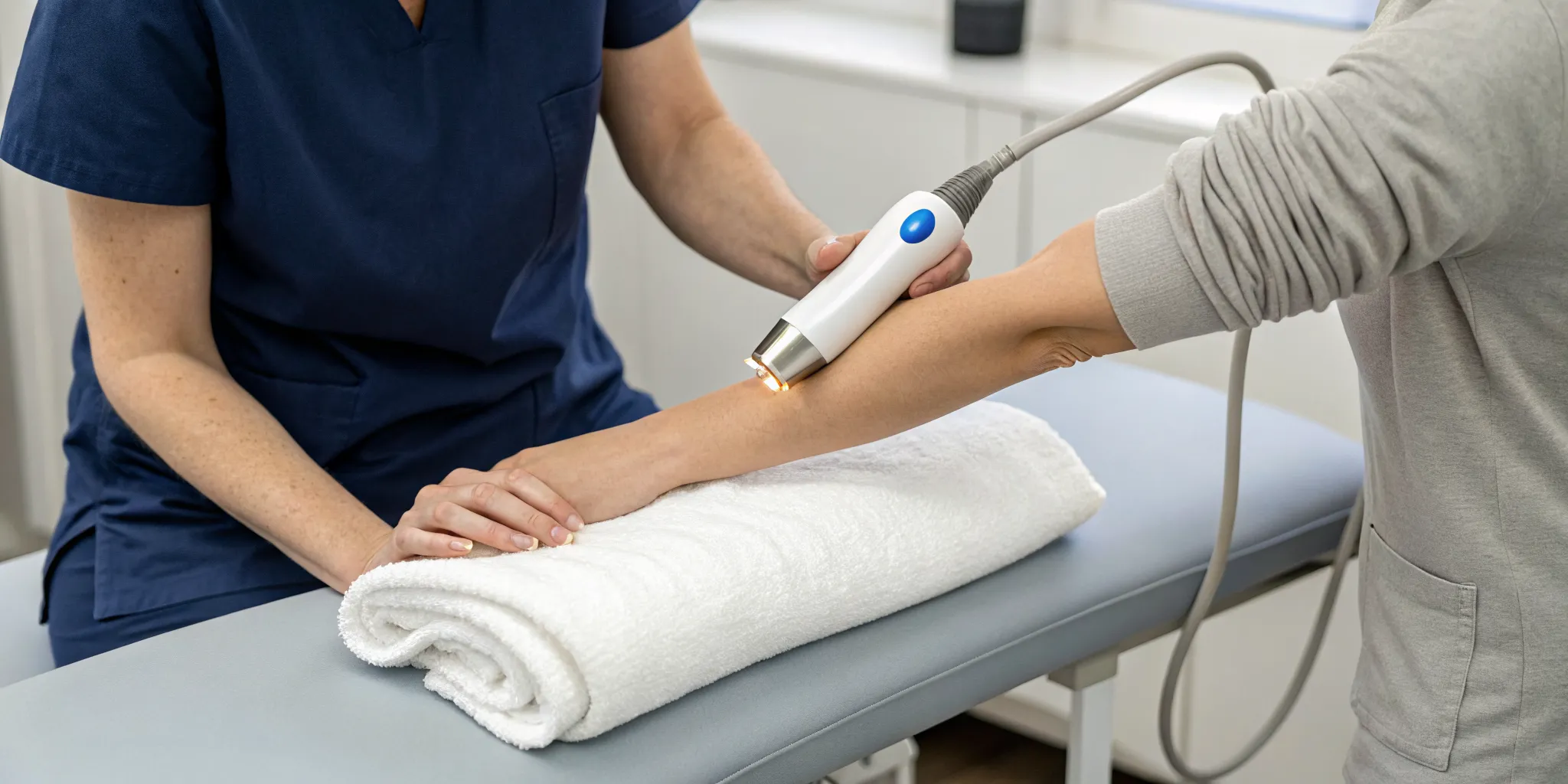
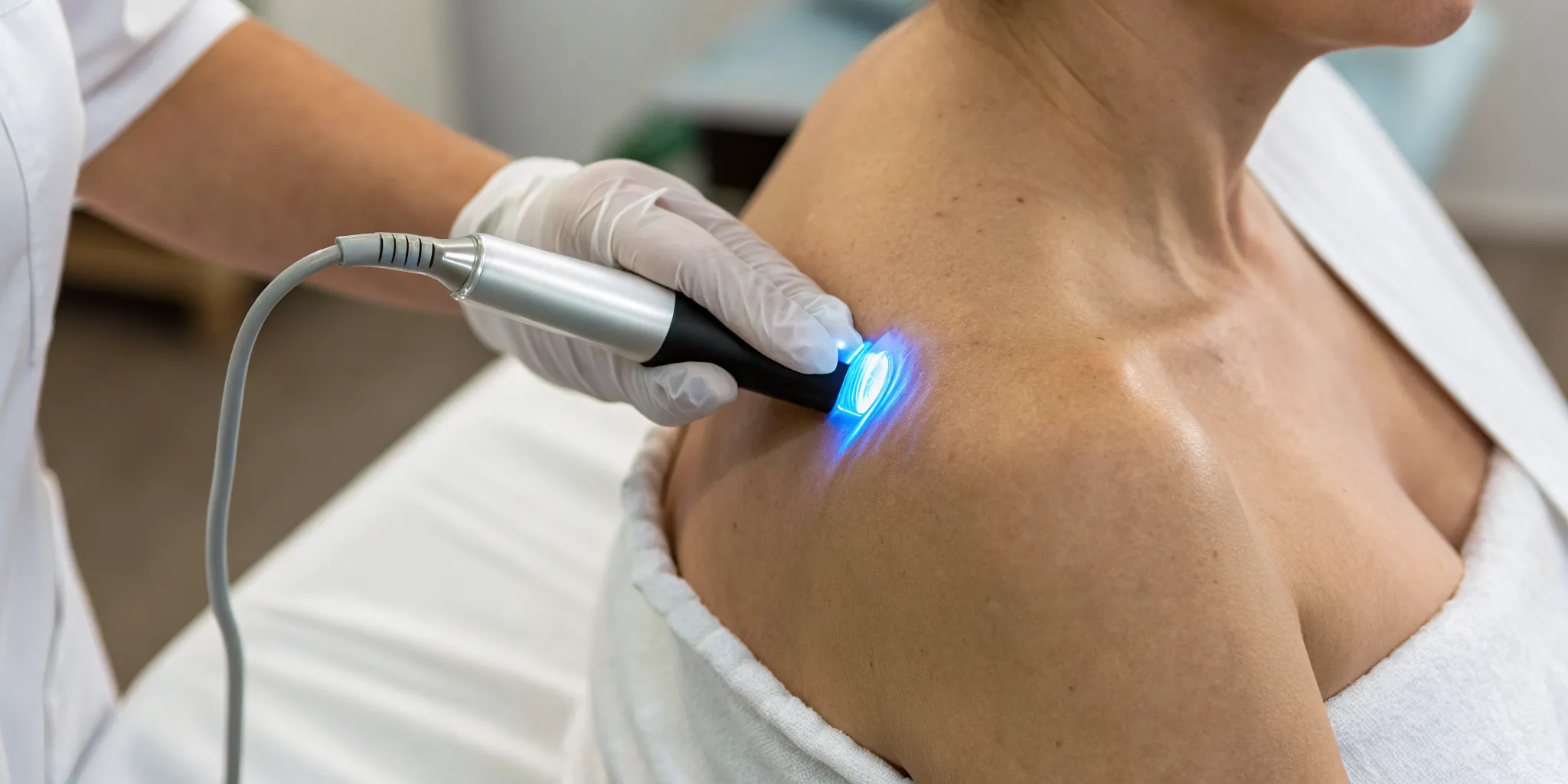
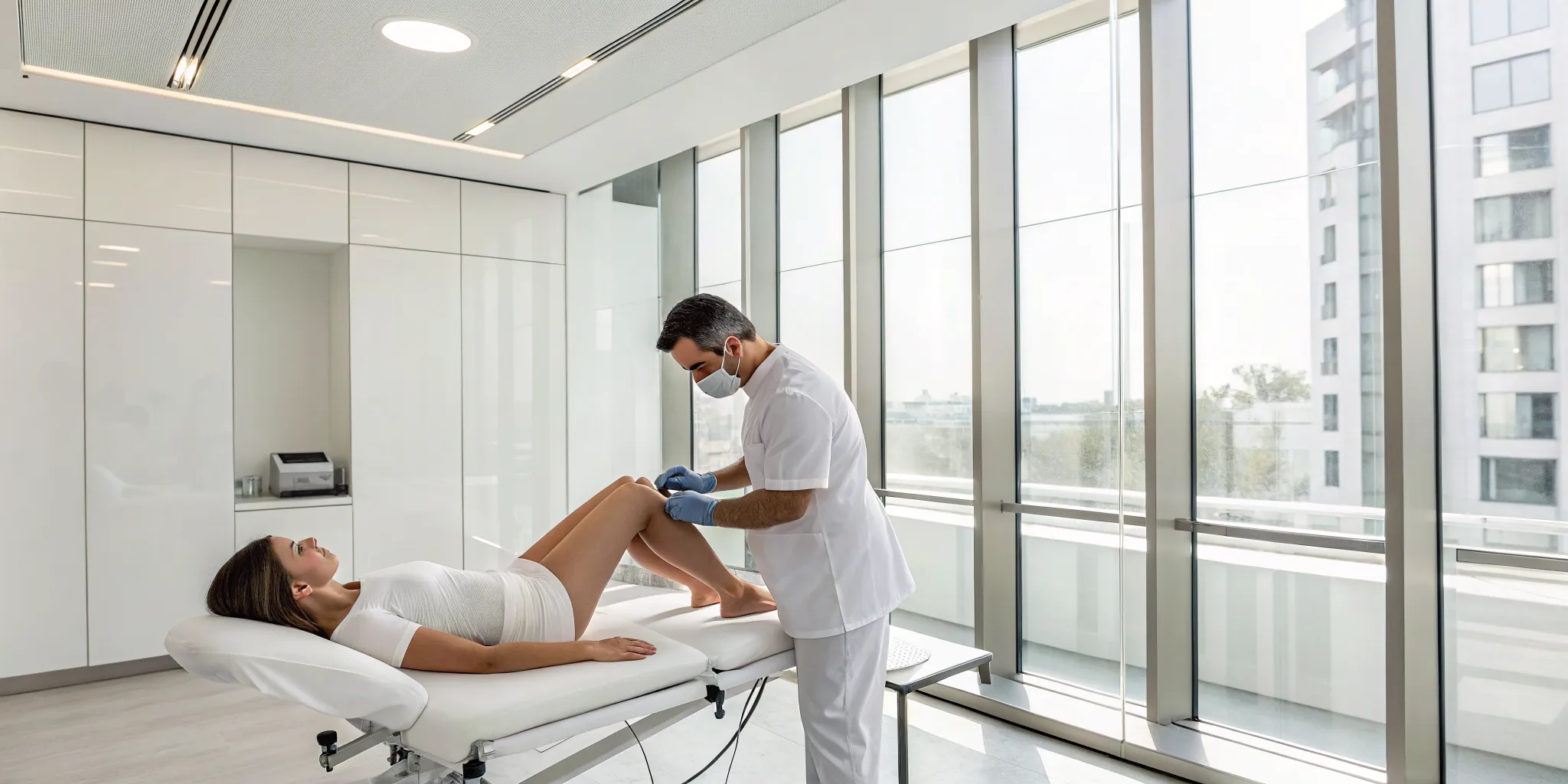
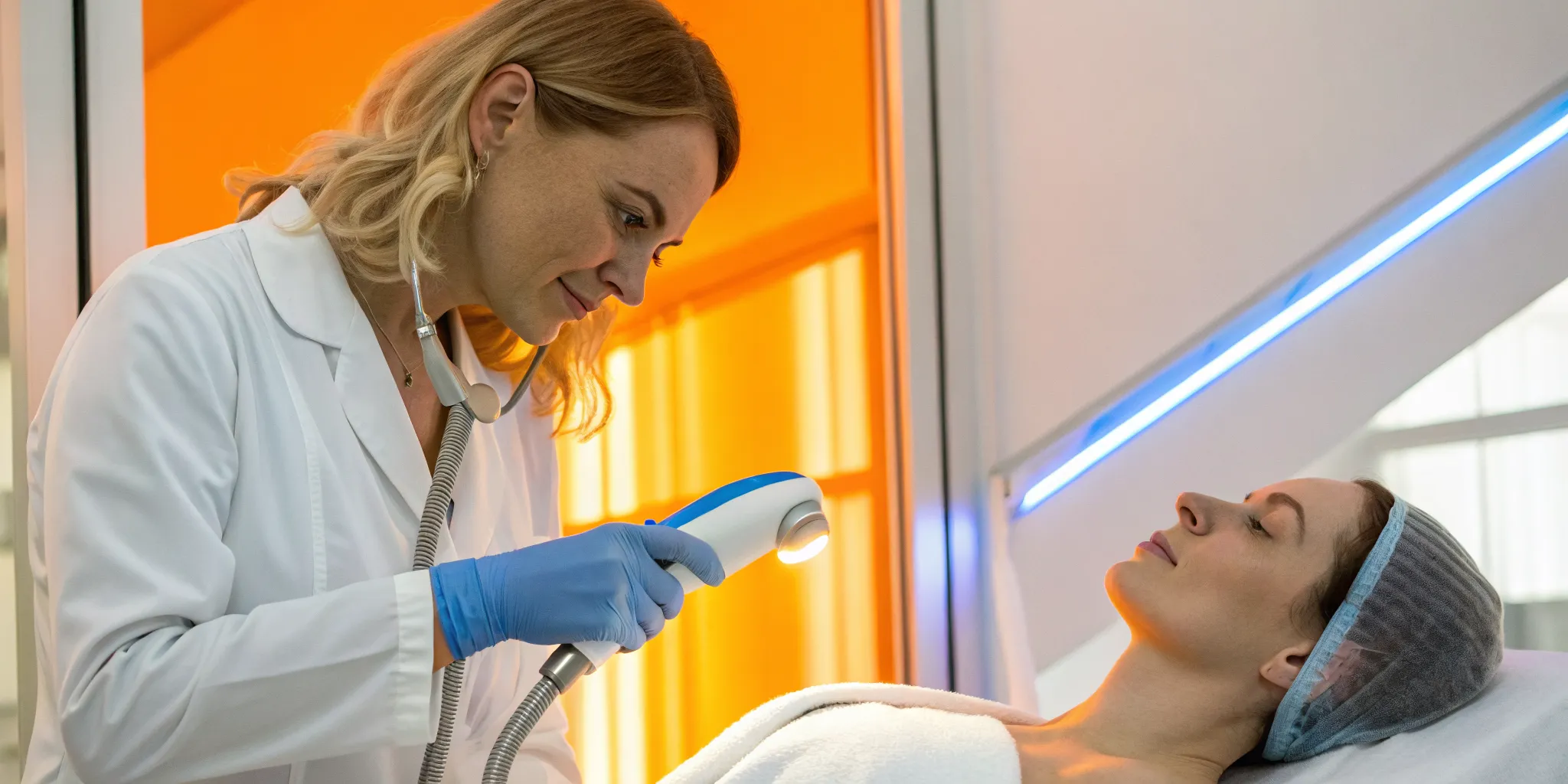
During a SoftWave session, a team member will use a handheld device that gently glides over the area of concern. This device sends unfocused acoustic waves into the injured tissue, triggering several powerful responses at a cellular level. The sound waves increase blood flow, help reduce inflammation and pain, and most importantly, activate your body's resident stem cells. This process can also help break down old scar tissue that may be limiting your mobility, making it a key part of our physical medicine toolkit for helping you move and feel better.
SoftWave vs. Traditional Shockwave Therapy
While SoftWave is a type of shockwave therapy, it stands apart from traditional methods. Many older shockwave technologies use focused, high-energy waves that can be uncomfortable and may even cause microtrauma to the tissue. SoftWave, on the other hand, uses a patented unfocused design to deliver low-intensity electrohydraulic acoustic waves over a broader area. This approach is designed to reduce pain and inflammation while promoting tissue regeneration. It activates your body’s natural healing abilities without the intensity of traditional shockwave devices.
The Science Behind the Technology
The goal of SoftWave Therapy is to work with your body, not against it. The science is centered on stimulating your natural biological healing processes without causing additional stress or trauma to the tissue. Because the technology is gentle, it’s a suitable option for a wide range of people and conditions, including those with sensitive areas. This focus on supporting the body's innate ability to heal is central to our approach at Ascend Functional Health, where we aim to address the root cause of your symptoms and help you achieve lasting wellness.
What Conditions Can SoftWave Therapy Address?
One of the most encouraging aspects of SoftWave therapy is its versatility. This isn't a treatment designed for just one specific ache or pain. Instead, it addresses a wide spectrum of musculoskeletal conditions by getting to the heart of the problem: damaged tissue. By delivering targeted sound waves, SoftWave stimulates your body’s own repair crews (your stem cells) and tells them to get to work. This process helps reduce inflammation, improve blood flow, and regenerate healthy tissue.
Whether you're dealing with a nagging injury that won't go away, chronic joint pain that limits your daily activities, or discomfort from repetitive strain, SoftWave can be a powerful tool in your healing journey. It’s particularly effective for conditions that have been slow to heal on their own, often because the injured area has poor blood supply. At Ascend Functional Health, we use this technology to help our patients find lasting relief and get back to living their lives more fully. Our approach focuses on identifying the root cause of your discomfort, and SoftWave is one of the key physical medicine services we use to facilitate true healing from within.
Tendon and Ligament Injuries
If you’ve ever had an injury like tennis elbow, rotator cuff pain, or Achilles tendonitis, you know how frustrating the healing process can be. Tendons and ligaments have limited blood flow, which is why these injuries can linger for months or even years. SoftWave therapy directly addresses this challenge by promoting the formation of new blood vessels in the treated area. This enhanced circulation delivers more oxygen and nutrients, which are essential for tissue repair. The acoustic waves also help break down scar tissue and calcification, allowing for better movement and reduced stiffness. It’s a way to actively support your body’s recovery from stubborn connective tissue injuries.
Joint Pain in Knees, Hips, and Shoulders
Chronic joint pain can make simple movements feel like a monumental task. For those struggling with persistent discomfort in the knees, hips, shoulders, or elbows, SoftWave therapy offers a promising, non-invasive option. Instead of just masking the pain, this treatment works to regenerate the damaged cartilage and surrounding tissues that contribute to joint dysfunction. By reducing inflammation and stimulating cellular repair, SoftWave can help improve mobility, decrease pain, and restore function to your joints. It’s a proactive approach that supports your body’s ability to heal, helping you move with greater ease and less pain. We see many patients with these types of conditions we treat find significant relief.
Plantar Fasciitis and Heel Pain
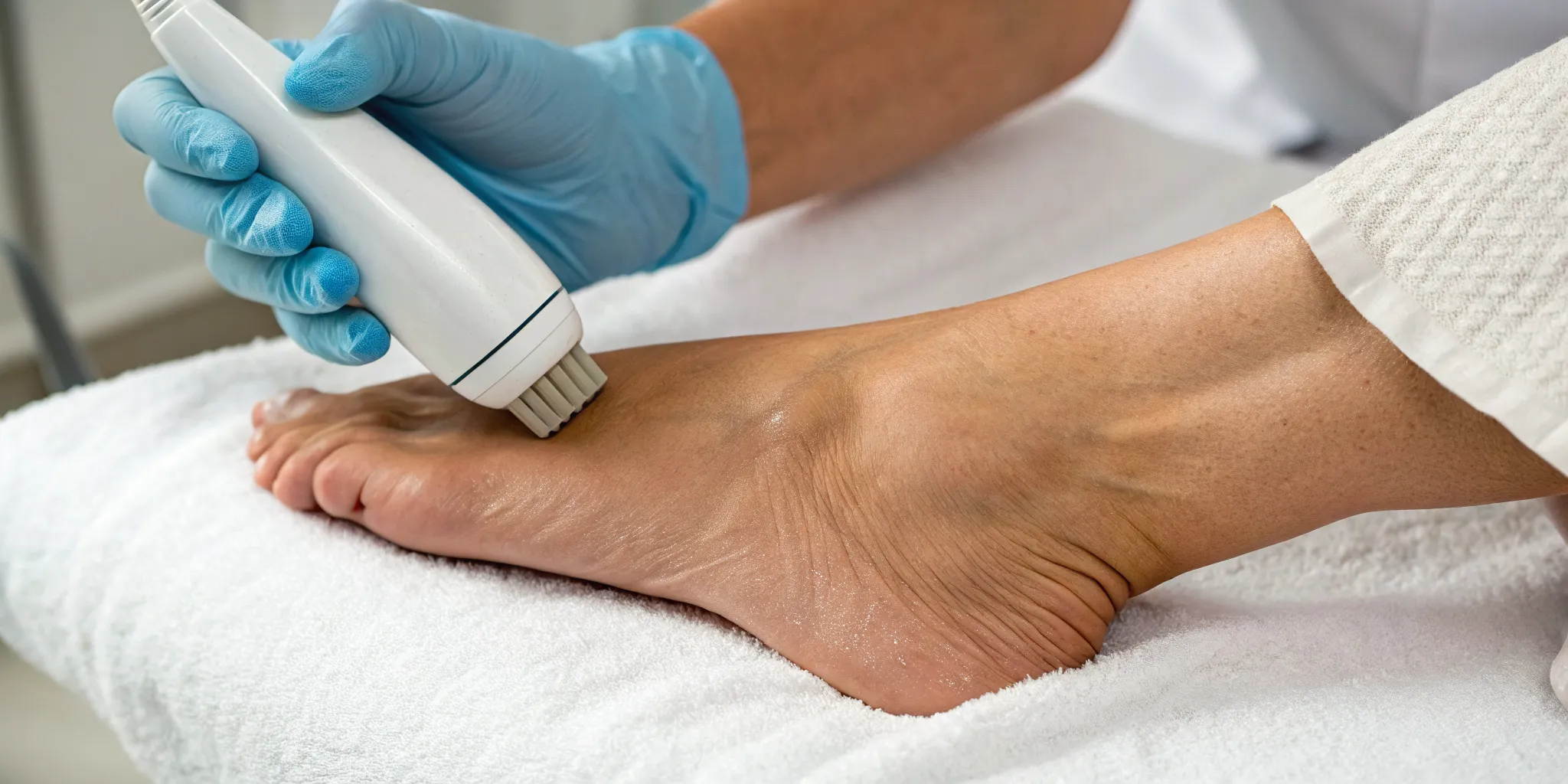
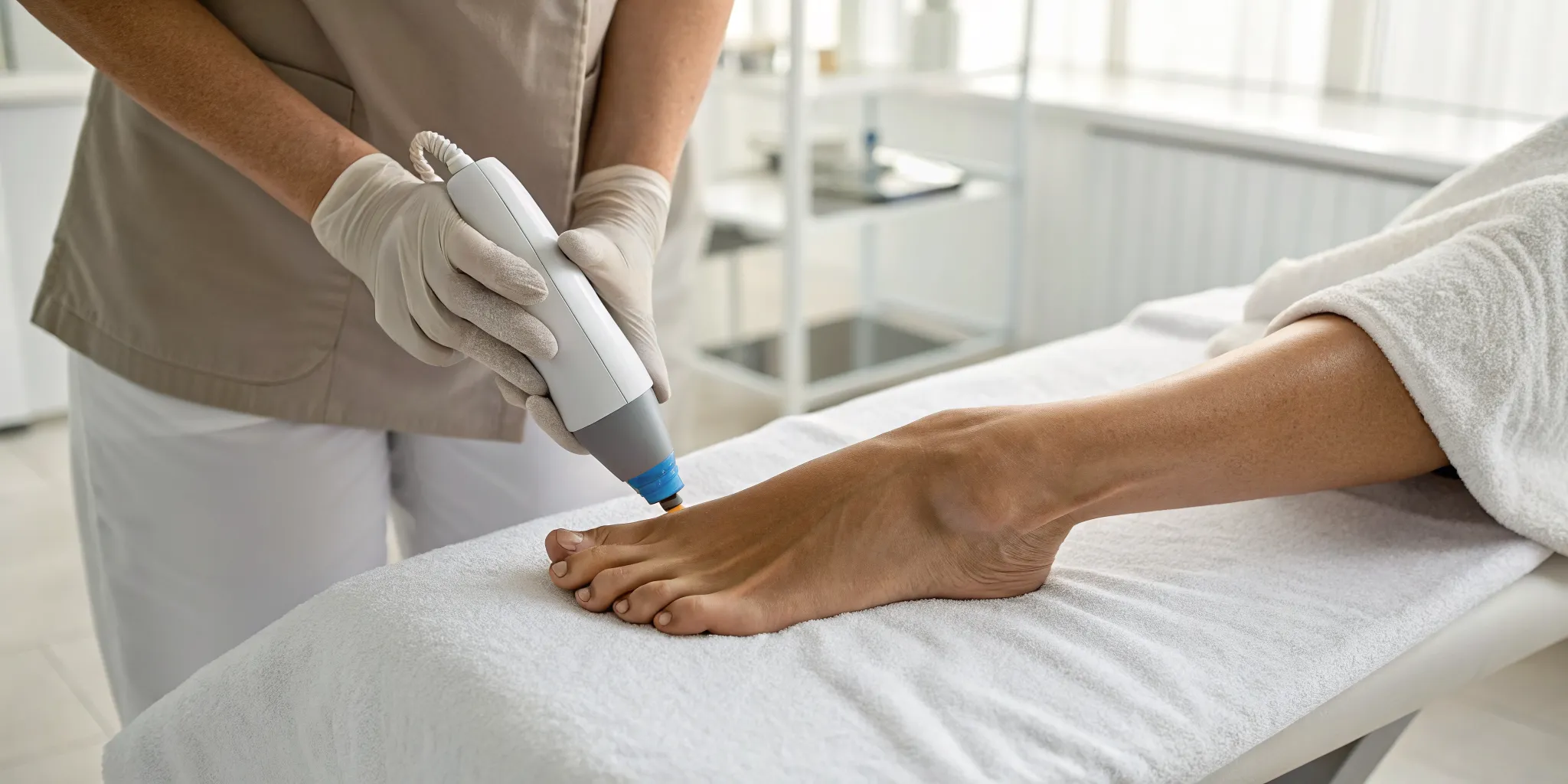
That sharp, stabbing pain in your heel with your first steps in the morning is the classic sign of plantar fasciitis. This condition, caused by inflammation of the tissue band connecting your heel to your toes, can be incredibly persistent. SoftWave therapy is highly effective for plantar fasciitis because it targets the inflamed tissue directly. The sound waves stimulate a healing response, reducing the inflammation and pain while promoting the regeneration of the plantar fascia. Many people who have tried stretching, icing, and other methods without success find that SoftWave finally provides the relief they’ve been searching for, allowing them to walk and stand comfortably again.
Chronic Lower Back Pain and Muscle Strains
Lower back pain is one of the most common complaints we see, and it can stem from a variety of musculoskeletal issues. SoftWave therapy can be an excellent tool for addressing chronic lower back pain by targeting the underlying soft tissue damage. The treatment helps to decrease muscle tension, reduce inflammation, and improve blood flow to the affected area, which all contribute to pain relief and improved function. Similarly, for acute muscle strains from sports or daily activities, SoftWave can accelerate the healing process. By stimulating cellular repair, it helps you recover faster and reduces the likelihood of the injury becoming a chronic problem.
Carpal Tunnel Syndrome and Nerve-Related Pain
Tingling, numbness, and weakness in your hand could be signs of carpal tunnel syndrome, a condition caused by pressure on the median nerve in your wrist. SoftWave therapy can help by addressing the inflammation and restricted tissue that contribute to this nerve compression. The acoustic waves work to reduce swelling and improve circulation in the carpal tunnel, which can alleviate the pressure on the nerve and ease your symptoms. This approach targets the root cause of the irritation rather than just managing the pain. It’s a valuable option for those seeking to restore feeling and function to their hands without resorting to more invasive procedures.
Why Patients Choose SoftWave Therapy
When you're dealing with persistent pain or an injury that just won't heal, you want a solution that works with your body, not against it. Patients are increasingly turning to SoftWave therapy because it offers a path to recovery that is both effective and gentle. It stands apart from more aggressive treatments by focusing on regeneration from within. Instead of just managing symptoms, SoftWave helps resolve the underlying issue, making it a cornerstone of our approach to physical medicine and long-term wellness. The goal is to get you back to living your life with less pain and better function, and SoftWave provides a powerful, non-invasive way to do just that.
A Non-Invasive Approach: No Needles, No Downtime
One of the most compelling reasons patients opt for SoftWave is that it’s completely non-invasive. This treatment uses patented technology to send unfocused sound waves deep into your tissues to promote healing, all without a single needle or incision. For many people trying to avoid more drastic measures, this is a game-changer. There’s no need for anesthesia and, most importantly, no required downtime. You can walk out of your appointment and get right back to your day. This makes it an incredibly convenient and low-risk option for anyone with a busy schedule who wants to address chronic pain without disrupting their life.
Activates Your Body's Natural Healing Process
SoftWave therapy does more than just provide temporary relief; it awakens your body’s own powerful healing mechanisms. The sound waves stimulate a biological response that includes recruiting your body's own stem cells to the site of injury. This process supports tissue repair, reduces inflammation, and kickstarts regeneration at a cellular level. It’s a perfect example of our philosophy of addressing the root cause of health issues. By prompting your body to repair itself, SoftWave helps create lasting results. It’s not about masking pain, but about truly healing the damaged tissue so you can find sustainable relief.
Supports Faster Recovery and Improved Mobility
If an injury has you sidelined from your favorite activities, getting back on your feet quickly is a top priority. SoftWave therapy can help accelerate the recovery process. Many patients report feeling a difference after just one or two sessions, though a full course of treatment is typically recommended for optimal, long-term results. By reducing pain and inflammation while repairing tissue, this therapy can significantly improve your range of motion and overall mobility. This is especially beneficial for many of the conditions we treat, from joint pain in the knees and shoulders to chronic muscle strains that limit your daily function.
Enhances Blood Flow to Injured Areas
Healing can’t happen without good circulation. Injured tissues need a steady supply of oxygen and nutrients to repair themselves, and poor blood flow can bring the healing process to a halt. SoftWave therapy directly addresses this by promoting the formation of new blood vessels in and around the treated area. These sound waves essentially open up new supply lines, flooding the damaged tissue with everything it needs to rebuild and recover. This enhanced circulation is a key factor in why SoftWave is so effective for a wide range of chronic conditions, helping your body’s internal repair crew work more efficiently.
What to Expect During Your SoftWave Session
If you're considering SoftWave therapy, you probably have a few questions about what the process actually involves. It’s completely normal to want to know what a treatment feels like and what the time commitment will be. The good news is that SoftWave sessions are straightforward, gentle, and designed to fit easily into your life. We want you to feel comfortable and confident from the moment you walk through our doors, so let’s walk through exactly what you can expect during your treatment at Ascend Functional Health.
Your First Appointment: A Step-by-Step Guide
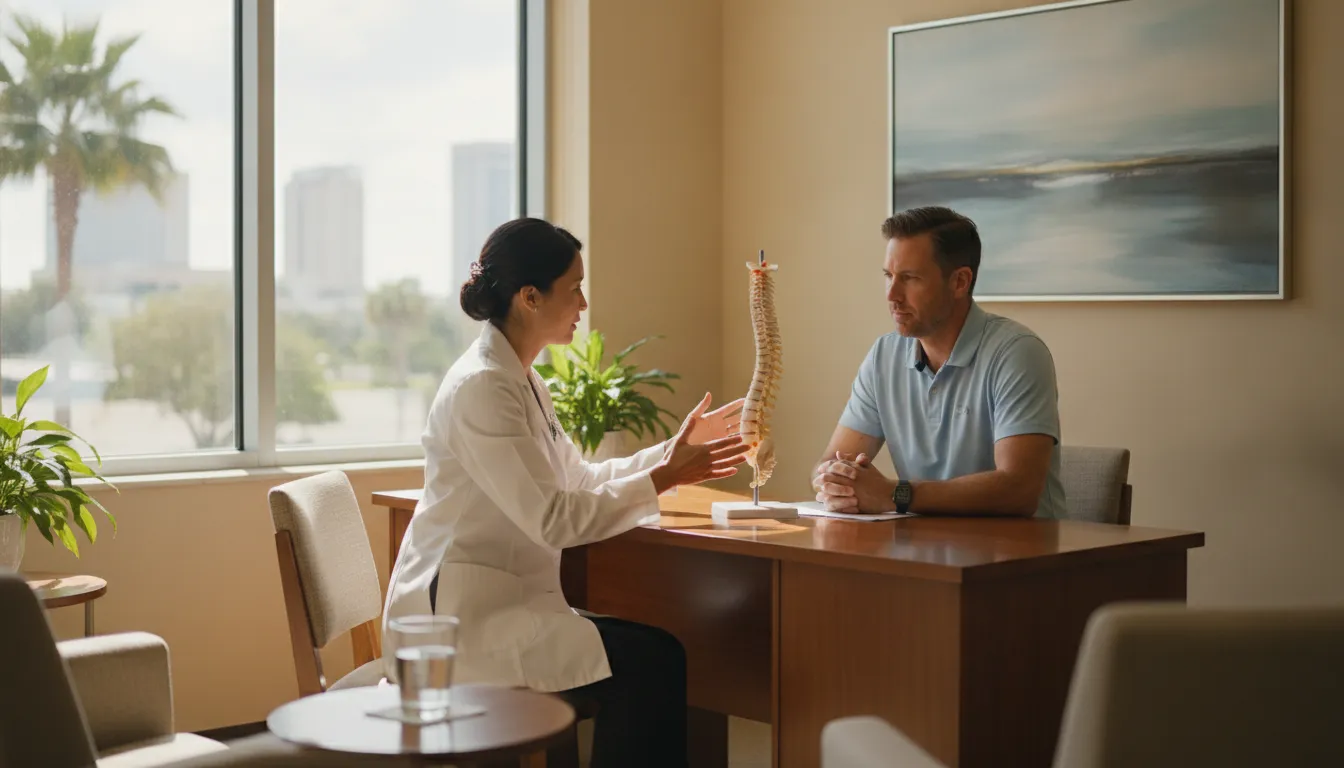
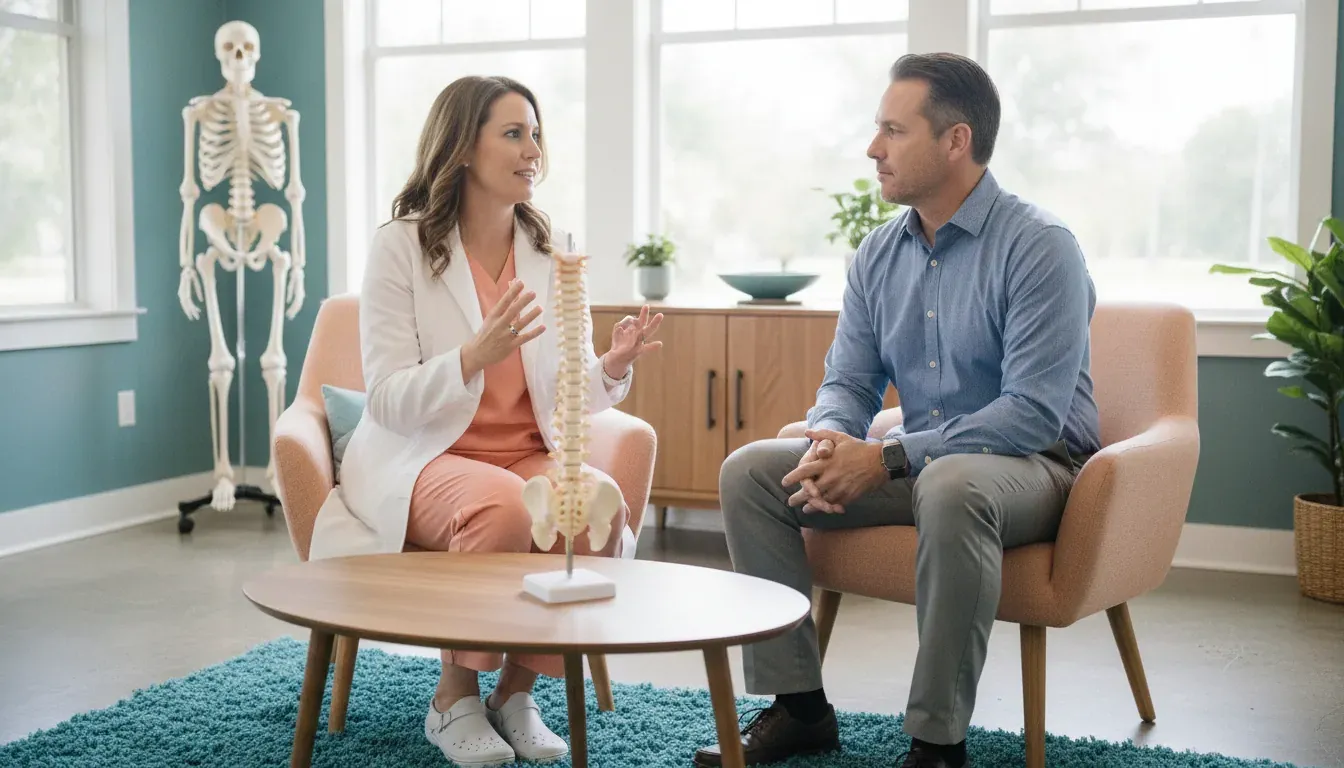
Your journey begins with a consultation where we discuss your health concerns and goals to ensure SoftWave is the right fit for you. Once we map out your personalized plan, the treatment itself is surprisingly quick, typically lasting only 10 to 15 minutes. A trained member of our team will apply a gel to your skin over the area we’re treating. Then, they will use a handheld applicator to deliver the sound waves. You can schedule a consultation with our team to get started.
The best part? There’s no downtime. As soon as your session is over, you can go right back to your daily activities. This makes it easy to fit your treatment into a lunch break or a busy schedule without any disruption.
What Does the Treatment Feel Like?
One of the first questions people ask is, "Does it hurt?" We're happy to report that SoftWave therapy is a gentle experience. Most people describe the sensation as a mild tapping or pulsing feeling on the skin. It’s designed to stimulate your body’s natural healing mechanisms without causing additional trauma to the tissue.
Because the technology is non-invasive, it’s a fantastic option for people with sensitive areas or a lower tolerance for pain. Our approach to physical medicine prioritizes your comfort while still delivering effective results, and SoftWave therapy is a perfect example of that commitment. You can relax knowing the process is designed to be as comfortable as possible.
How Many Sessions Will I Need?
Healing is a process, not a one-time event. While many patients feel a difference after their first session, most conditions require a series of treatments for lasting results. Typically, a treatment plan involves three to six sessions spaced out over several weeks. This schedule gives your body the time it needs to repair and regenerate between appointments.
The exact number of sessions you’ll need will depend on your specific situation, including the type of injury and how long you’ve been dealing with it. We will create a personalized plan tailored to the conditions we treat and your body’s unique response to the therapy, ensuring you get the dedicated care you deserve.
How SoftWave Compares to Other Treatments
When you’re dealing with persistent pain, it’s natural to explore all your options. Many common treatments focus on managing symptoms, but they don’t always get to the heart of the problem. This is where SoftWave Therapy stands apart. It’s designed to work with your body to address the underlying cause of your discomfort, promoting genuine healing from within. Understanding how this approach differs from other methods can help you make an informed decision about your health.
At Ascend Functional Health, our goal is to find and resolve the root cause of your health concerns. Let’s look at how SoftWave compares to other common treatments for pain and injury.
SoftWave vs. Cortisone Injections
Cortisone injections are often used to reduce inflammation and provide temporary pain relief. While they can be effective for short-term comfort, they primarily mask the symptoms instead of fixing the source of the issue. Think of it as turning down the volume on a smoke alarm without putting out the fire.
SoftWave Therapy takes a different approach. Instead of just silencing the pain signals, it stimulates your body’s own healing mechanisms to repair the damaged tissue. This focus on regeneration means the results are intended to be long-lasting, not just a temporary fix. By addressing the underlying causes of your discomfort, SoftWave offers a path toward sustainable healing and function.
SoftWave vs. Physical Therapy
Physical therapy is a cornerstone of recovery for many injuries, using exercises and stretches to rebuild strength and mobility. It’s an incredibly valuable tool in our physical medicine toolkit. However, it often requires a consistent, long-term commitment to specific exercises to achieve results.
SoftWave can complement this process or, in some cases, act as a powerful standalone treatment. It works on a cellular level to accelerate tissue repair, which can lead to faster and more significant improvements. While physical therapy strengthens the structures around an injury, SoftWave directly targets the injured tissue itself, helping to create a healthier foundation for movement and recovery.
SoftWave vs. Surgical Options
For many people, the idea of an invasive procedure is a major concern due to the risks and lengthy recovery times involved. SoftWave Therapy presents a non-invasive alternative for a variety of conditions we treat that might otherwise lead someone down a surgical path. There are no incisions and no required downtime, so you can get back to your daily life right after a session.
This treatment offers a way to alleviate pain and restore function without the complications associated with more invasive options. By activating your body’s natural healing abilities, SoftWave provides an effective method for tissue regeneration, making it a compelling choice for those seeking to avoid the operating room.
SoftWave Therapy: Myths vs. Facts
When new health technologies emerge, so do questions and a bit of confusion. SoftWave therapy is no exception. It’s a powerful tool for healing, but there are a few common misunderstandings floating around. Let's clear the air and separate the facts from the fiction. Understanding what SoftWave therapy is, and what it isn’t, can help you feel more confident about whether it’s the right path for your healing journey. We'll look at some of the most frequent questions we hear from patients.
Does SoftWave therapy hurt?
One of the first questions people ask is about comfort. It’s natural to worry that a treatment powerful enough to regenerate tissue might be painful. The great news is that SoftWave therapy is designed to be a gentle process. It works by sending unfocused sound waves into your tissue to stimulate your body’s own healing mechanisms, all without causing damage. Most people describe the sensation as a light tapping. Interestingly, you might feel more sensation in areas that are inflamed or injured, which actually helps your practitioner pinpoint the exact source of your discomfort. This makes it a well-tolerated option for many of the conditions we treat.
Is it only for athletes?
While SoftWave therapy is a fantastic tool for helping athletes recover from sports injuries, its benefits are definitely not limited to the pros. This is a common misconception. The therapy is incredibly effective for anyone dealing with musculoskeletal pain, whether it’s from a recent injury or a chronic condition that’s been bothering you for years. We see everyone from office workers with nagging back pain to active individuals with plantar fasciitis. The goal is to help your body heal from the inside out, and that’s something everyone deserves, not just athletes. Our patient testimonials showcase the wide range of people who have found relief.
Is it the same as ultrasound?
It’s easy to see why people might mix up SoftWave therapy and therapeutic ultrasound, since both use sound waves. However, the technology and the results are quite different. Therapeutic ultrasound uses high-frequency sound waves to create a heating effect in superficial tissues. SoftWave, on the other hand, uses a patented electrohydraulic method to create unfocused shockwaves. These waves travel deeper into the body to trigger a powerful biological response at the cellular level, including the migration of your own stem cells to the area. This makes it a powerful standalone treatment for tissue regeneration, rather than just a complementary therapy. It's a key part of our physical medicine approach.
Understanding the Investment in SoftWave Therapy
Choosing a path to healing is a significant decision, and it’s helpful to think of it as an investment in your long-term well-being. SoftWave therapy is designed to address the root cause of your pain by activating your body’s natural healing processes. This approach is not about temporary relief; it’s about creating lasting change so you can get back to living your life with less pain and better mobility.
Understanding the treatment process, from the number of sessions to the ultimate value for your health, helps you commit to your recovery. At Ascend Functional Health, we create a personalized plan for you because we know that true healing is a partnership. Our goal is to provide you with the information and support you need to feel confident and empowered on your journey back to health.
What to Expect Per Session
Your SoftWave therapy session is a quick and straightforward process. Each appointment typically lasts only 10 to 15 minutes. When you arrive, a trained member of our team will apply a gel to the skin over the area being treated. Then, they will use a handheld device to deliver the soft waves. Most people describe the sensation as a light tapping or pulsing feeling.
While the treatment itself is not painful, you might feel some mild soreness in the area afterward, similar to how your muscles feel after a good workout. This is a normal response and usually fades quickly. There is no downtime required, so you can return to your daily activities right after your session.
Planning Your Treatment Course
SoftWave therapy delivers the best results when completed as a series of treatments. While every person’s healing journey is unique, most of our patients achieve their goals with a plan of three to six sessions, typically scheduled over several weeks. This consistent approach gives your body the sustained support it needs to repair and regenerate damaged tissue effectively.
During your initial consultation, we will discuss your specific condition and health goals to determine the right treatment course for you. Many patients begin to notice improvements in their pain levels and mobility early on in their treatment plan. Committing to the full series of sessions is the key to achieving significant, long-lasting results. You can contact our team to learn more about what a personalized plan would look like for you.
The Long-Term Value for Your Health
The true value of SoftWave therapy lies in its ability to promote genuine healing from within. Unlike treatments that simply mask symptoms, SoftWave works by stimulating your body’s own stem cells and growth factors. This process enhances blood flow, reduces inflammation, and regenerates tissue, addressing the underlying cause of your pain. It’s a non-invasive approach that helps you avoid procedures or long-term reliance on other solutions.
Many of our patients experience a remarkable improvement in their quality of life. They report not just significant pain reduction but also better movement and a faster return to the activities they love. By supporting your body’s innate ability to heal, SoftWave therapy offers a path toward sustainable health and vitality for a wide range of conditions we treat.
Is SoftWave Therapy Right for You?
Deciding on a new treatment path is a big step, and it’s important to know if it aligns with your health goals. SoftWave Therapy is a powerful tool, but like any treatment, it’s best suited for certain situations. If you’re wondering whether this innovative approach could be the key to your recovery, let’s walk through who benefits most and what you should consider before getting started. This will help you make an informed decision about your health and determine if SoftWave is the right fit for your healing journey.
Who Makes a Good Candidate?
If you're dealing with persistent pain that just won’t go away, you might be an excellent candidate for SoftWave Therapy. This treatment is particularly effective for chronic conditions that haven't responded well to other approaches. It can help with a wide range of issues, including nagging tendon pain in the shoulder or elbow, plantar fasciitis, and ongoing joint discomfort in the knees, hips, or shoulders. It's also a great option for those with stubborn lower back pain or muscle strains. Many people who choose this therapy are looking for a way to support their body’s natural healing process and find lasting relief without resorting to more invasive options.
Important Considerations Before Treatment
Before you begin, it’s helpful to know what to expect. A typical SoftWave session is quick, usually lasting about 10 to 15 minutes. During the treatment, a gel is applied to your skin, and a team member will use a handheld device on the target area. Most people describe the feeling as a light tapping or pulsing sensation that isn't painful. Many patients view this therapy as a valuable investment in their long-term health, allowing them to avoid the complications of surgery or a reliance on pain medications. As a non-invasive treatment, it’s a cornerstone of our physical medicine approach, designed to help your body heal from the inside out.
Begin Your Healing at Ascend Functional Health in Tampa
If you’re in the Tampa area and feel that SoftWave therapy could be the right path for you, we’re here to help you take that next step. At Ascend Functional Health, we believe in a holistic approach to healing that integrates advanced therapies with personalized care. SoftWave Tissue Regeneration Therapy is a cornerstone of our practice because it promotes healing at the cellular level, helping you recover from injuries and chronic discomfort effectively. We see it as a powerful tool that works with your body, not against it.
Our goal is to look beyond the symptoms to find the root cause of your health issues. Our integrated care model combines hands-on treatment, advanced testing, and regenerative solutions to help you move better, feel stronger, and regain control of your health. This comprehensive approach ensures that we create a plan tailored to your unique challenges. We don’t just want to address the discomfort; we want to understand why it’s there in the first place.
We believe that understanding your body is the first step toward true healing. Ascend Functional Health integrates functional, physical, and regenerative care to help patients understand contributing health factors and take meaningful next steps toward improvement. If you're ready to explore non-surgical, fast-acting, and long-lasting treatment options, we invite you to connect with our team. You can also stay informed on the latest in health and wellness by signing up for our newsletter to receive occasional health insights, clinic updates, and podcast releases.
Related Articles
- SoftWave Tissue Regeneration Therapy in Tampa | Alessi Functional Health
- SoftWave TRT Therapy in Tampa, FL - Alessi Functional Health
- Regenerative Medicine for Pain Recovery | Ascend Functional Health
- What Is Soft Tissue Therapy? A Complete Guide
- Physical Medicine in Tampa | Chiropractic & Rehab Care | Ascend Functional Health
Frequently Asked Questions
What does SoftWave therapy actually feel like? Most people find the treatment to be quite comfortable. You will feel a light tapping or pulsing sensation on your skin as the handheld device moves over the area of concern. Interestingly, you might notice a stronger sensation over spots with more inflammation or damage. This feedback helps your practitioner identify the precise areas that need the most attention, making the treatment both gentle and targeted.
How many sessions will I need before I start feeling better? While many patients report feeling some relief after just one or two sessions, the therapy is designed to create lasting change over time. True healing at a cellular level is a process. A typical treatment plan involves a series of appointments, usually three to six, spaced out to give your body the time it needs to regenerate tissue. Committing to the full course of treatment is the best way to achieve significant and sustainable results.
Is SoftWave a good option if other treatments haven't worked for me? Yes, it can be an excellent choice, especially for chronic conditions that have not responded to other methods. Many treatments focus on managing symptoms, but SoftWave works differently by stimulating your body’s own repair mechanisms at a cellular level. By promoting new blood vessel growth and activating your resident stem cells, it addresses the underlying tissue damage, which can lead to a breakthrough when other approaches have stalled.
Are there any side effects or recovery time needed after a session? One of the biggest advantages of SoftWave therapy is that there is no required downtime. You can return to your normal daily activities immediately after your 10 to 15-minute session. Some people experience mild soreness in the treated area, similar to the feeling after a workout, but this typically fades within a day or two. It is a normal sign that your body’s healing response has been activated.
How is this different from something like a cortisone shot? While both treatments can address pain, they work in fundamentally different ways. A cortisone shot is a powerful anti-inflammatory that can provide fast, temporary relief by suppressing inflammation. SoftWave therapy, on the other hand, is a regenerative treatment. Instead of just masking the pain, it works to repair the source of the problem by helping your body rebuild damaged tissue, reduce inflammation naturally, and restore function for the long term.