When it comes to hormonal health, most conversations center on estrogen and testosterone. But to truly understand what’s happening in your body, you need to look upstream. Meet DHEA, a crucial hormone produced by your adrenal glands that serves as the raw material for your sex hormones. Think of it as the source of the river; if the flow is off there, everything downstream is affected. Checking your DHEA levels gives us a more complete picture of your body’s hormonal production line. This article will break down what this vital hormone does, what its levels mean, and why it’s a critical piece of your wellness puzzle.
Key Takeaways
- DHEA offers a high-level view of hormone production: Since DHEA is a precursor to hormones like testosterone and estrogen, your levels provide insight into your body's entire hormonal assembly line, helping to identify issues at their source.
- Pay attention to the signs of an imbalance: Symptoms are your body's way of communicating. Things like acne and irregular cycles could point to high DHEA, while persistent fatigue and low mood may signal low levels, often indicating a deeper health concern.
- A personalized plan is key to restoring balance: Functional medicine uses DHEA testing to uncover the root cause of your hormonal imbalance, allowing for a targeted plan with lifestyle and dietary adjustments designed to support your body's natural ability to regulate itself.
What Is DHEA and Why Does It Matter for Your Hormones?
If you're exploring ways to feel your best, you've probably come across the topic of hormones. One that plays a surprisingly big role is DHEA, or dehydroepiandrosterone. Think of it as a "parent" hormone. Your adrenal glands, which are small glands sitting on top of your kidneys, produce DHEA. From there, your body converts it into other essential hormones, including testosterone and estrogen. This production happens in both the adrenal glands and the liver.
Because DHEA is a building block for these key sex hormones, its levels can tell us a lot about your overall hormonal health. When your DHEA is in balance, it supports everything from your energy levels to your mood. But when it's too high or too low, it can create a ripple effect that you can definitely feel. Instead of just looking at the final hormones like estrogen or testosterone, examining DHEA gives us a clearer picture of what's happening upstream in your body's production line. This allows us to address imbalances at their source. Understanding your DHEA is a critical step in getting to the root cause of hormonal symptoms, which is a cornerstone of our approach to longevity medicine.
What Does DHEA Do in the Body?
So, what does this parent hormone actually do? Its main job is to serve as the raw material for male and female sex hormones. This process is vital for many functions. For example, DHEA is important for developing male characteristics during puberty and is necessary for reproduction in everyone. But its influence doesn't stop there. Balanced DHEA levels are also connected to a healthy immune response, stable mood, and good cognitive function. When we look at your health from a holistic perspective, we see DHEA as a key player in your body's complex hormonal symphony.
DHEA vs. DHEA-S: What's the Difference?
You might also hear about DHEA-S and wonder if it's the same thing. They're closely related, but there's a key difference. After your adrenal glands make DHEA, your body quickly converts most of it into a more stable form called DHEA-sulfate, or DHEA-S. Because DHEA-S levels don't fluctuate as much throughout the day, it's what we typically measure in a blood test. This gives us a more accurate snapshot of your body's total DHEA production. Your DHEA-S levels naturally peak around puberty and then gradually decline as you age, which is why addressing hormonal changes is a key part of our functional medicine services.
What Are Typical DHEA Levels by Age and Sex?
It’s important to remember that DHEA levels are not a one-size-fits-all measurement. What’s considered a normal range can vary quite a bit from person to person, depending on your age and sex. Think of these numbers as a general guide, not a strict rule. Your body’s hormonal landscape is unique, and these levels are just one piece of your overall health puzzle.
At Ascend Functional Health, we look beyond standard ranges to understand what’s optimal for you. A number that falls within a "normal" lab range might not be ideal for how you want to feel. By taking a comprehensive look at your health, we can better understand what your DHEA levels mean in the context of your life. This is a core principle of our functional medicine approach.
Typical DHEA Levels for Women
For women, DHEA levels naturally fluctuate throughout life. They tend to be highest in your 20s and then gradually decline with each passing decade. According to the Cleveland Clinic, a typical range for women between 20 and 29 years old is 65 to 380 micrograms per deciliter (μg/dL).
As you move into your 30s, that range shifts to about 45 to 270 μg/dL. By the time you’re in your 40s, the typical range is between 32 and 240 μg/dL. This steady decline is a normal part of the aging process, but understanding your specific levels can offer valuable insights into your hormonal health.
Typical DHEA Levels for Men
Men experience a similar pattern with their DHEA levels, starting high and decreasing over time. For men aged 18 to 29, a normal DHEA level is generally between 110 and 510 μg/dL. This is typically the period when DHEA is at its peak.
As men enter their 30s, the range slightly narrows to between 110 and 370 μg/dL. From age 40 to 49, the typical range becomes 45 to 345 μg/dL. Just as with women, these shifts are expected. However, if you're experiencing symptoms like fatigue or low libido, checking your DHEA levels can be a helpful step in figuring out the root cause.
Why Your DHEA Levels Change with Age
If you've noticed a theme here, you're right: DHEA levels naturally change as we get older. Your body produces the highest amounts of DHEA around puberty and your early 20s. After that, production begins a slow, steady decline. This is a completely normal biological process that reflects your body's changing needs and hormonal environment over your lifespan.
While this decline is expected, the rate and impact can differ for everyone. Significant drops can sometimes contribute to changes in energy, mood, and overall vitality. That's why monitoring these levels can be a key part of a proactive approach to your health, especially in the context of longevity medicine.
What High DHEA Levels Mean for Your Health
While DHEA is a vital hormone, it’s all about balance. When your levels are too high, it’s often a sign from your body that something else is going on, usually related to your adrenal glands or ovaries. Think of DHEA as a parent hormone; when its production goes into overdrive, it can create an imbalance in other hormones it helps produce, like testosterone and estrogen. This hormonal shift is what often leads to noticeable and sometimes frustrating symptoms.
Understanding that high DHEA is a clue, not a final answer, is the first step. It tells us we need to look deeper to understand the root cause of the imbalance. Our approach to longevity medicine focuses on interpreting these signals to create a complete picture of your hormonal health. This allows us to see what’s really happening beneath the surface and help restore your body’s natural equilibrium.
Signs Your DHEA Levels Might Be Too High
If your DHEA levels are elevated, your body might be sending you some clear signals. Because DHEA can be converted into androgens (like testosterone), many of the signs are related to an excess of these hormones. For women, this can show up in ways that directly affect your appearance and menstrual cycle.
You might notice symptoms such as persistent acne, new or increased hair growth on your face and body, or thinning hair on your scalp. Many women also experience irregular or missed periods. These are some of the most common conditions we treat and are often key indicators that it’s time to check your hormone levels.
Health Concerns Associated with High DHEA
The symptoms of high DHEA are the "what," but the more important question is the "why." Elevated DHEA levels are often linked to specific underlying health conditions. It’s a significant marker that can point toward issues like Polycystic Ovary Syndrome (PCOS), a common hormonal condition that can affect fertility.
Other potential causes include tumors on the adrenal glands (which can be benign) or Congenital Adrenal Hyperplasia (CAH), an inherited group of disorders affecting the adrenal glands. Seeing high DHEA on a lab report is a prompt for further investigation. Our functional medicine practice uses this information to dig deeper, helping to identify the primary driver of the imbalance so we can address it directly.
What Low DHEA Levels Mean for Your Health
While high DHEA can signal problems, having levels that are too low can also throw your body out of sync. DHEA production naturally declines as we get older, which is a normal part of the aging process. However, sometimes low levels can point to underlying issues with the adrenal glands, which are responsible for producing this hormone.
When your DHEA is low, it can create a ripple effect across your system, impacting everything from your energy to your mood. Understanding the signs is the first step toward figuring out what your body is trying to tell you.
Signs Your DHEA Levels Might Be Too Low
When DHEA levels dip, the symptoms can sometimes be vague, making them easy to dismiss as just stress or a normal part of life. You might notice a persistent lack of interest in sex or other changes in sexual function. Some people also experience physical symptoms like unexplained weight loss, dizziness, nausea, or even a strange craving for salty foods.
These symptoms can be your body’s way of signaling an imbalance. Because these signs can overlap with many other health concerns, it’s important to look at the bigger picture of your overall health instead of focusing on just one symptom. Getting a clear understanding of your hormone levels is key to connecting the dots.
How Low DHEA Affects Your Mood, Bones, and Energy
Feeling tired all the time is one of the most common complaints associated with low DHEA. This isn't just feeling a little sleepy; it's a deep, persistent fatigue that can make it hard to get through your day. Your mood can also take a hit, leaving you feeling down or irritable without a clear reason.
Beyond your mood and energy, low DHEA can affect your physical strength. This hormone plays a part in maintaining bone density, so insufficient levels can contribute to weaker bones over time. Addressing these hormonal declines is a core part of our approach to longevity medicine, helping you feel strong and vibrant as you age.
How to Test Your DHEA Levels
If you’re wondering about your DHEA levels, the good news is that finding out is a straightforward process. Getting your levels tested is a key step in understanding your hormonal landscape and identifying any imbalances that might be affecting your health. While it might sound technical, the test itself is simple and gives us a wealth of information to work with.
At Ascend Functional Health, we use targeted testing as part of our functional medicine approach to get to the root cause of your symptoms. Instead of just guessing, we gather concrete data about your body’s unique chemistry. This allows us to see the full picture of your health, connecting the dots between your symptoms and your hormone levels. Once we have your results, we can start building a personalized plan that addresses your specific needs and helps you feel your best.
What to Expect During Your DHEA Test
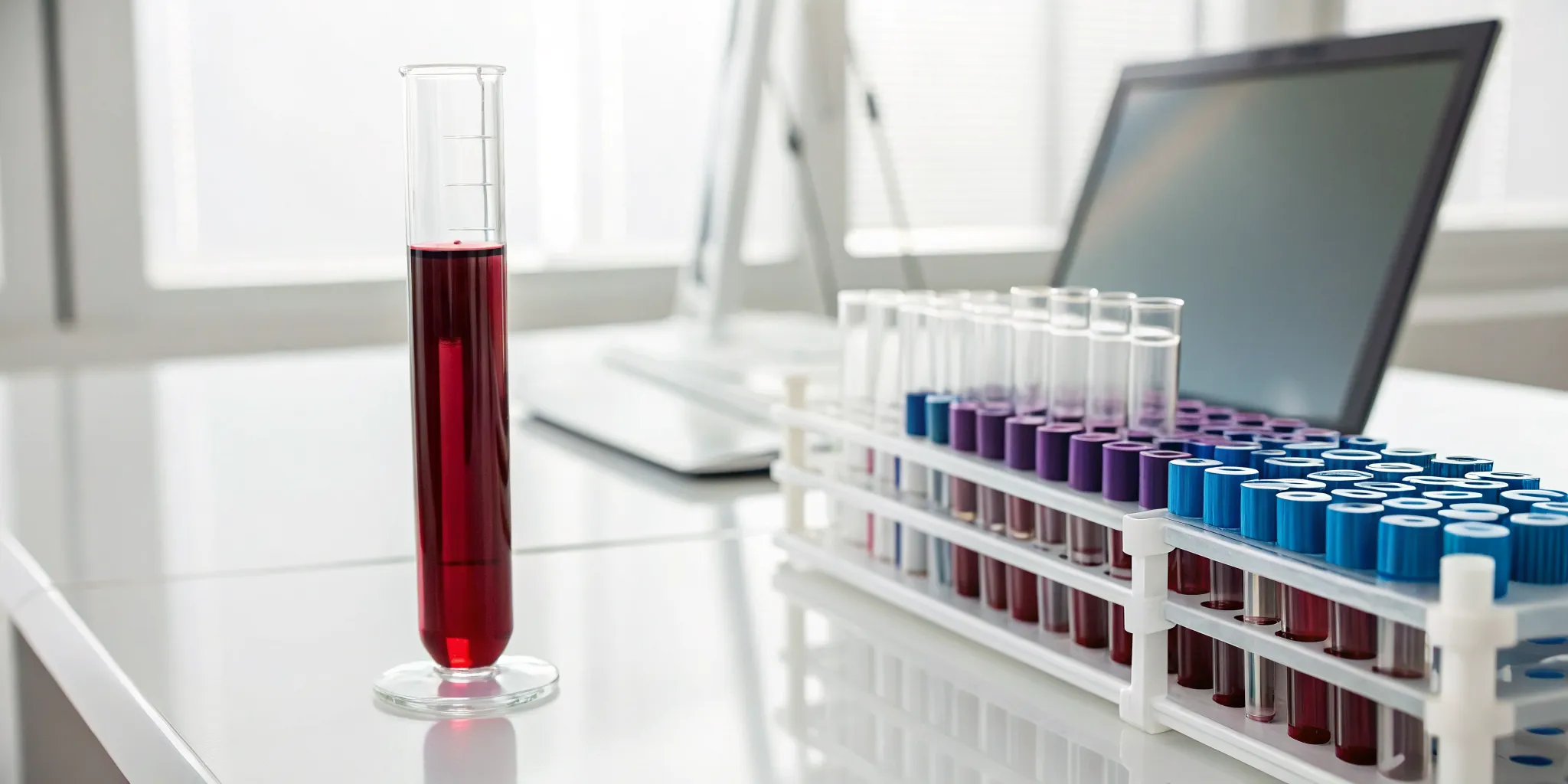
The test for DHEA is a simple blood test. Specifically, the DHEAS test checks the levels of dehydroepiandrosterone sulfate in your blood. Your body uses this hormone as a building block to create other essential hormones, like estrogen and testosterone. Since most DHEAS is produced by your adrenal glands, this test gives us a clear window into how well they are functioning.
During the test, a healthcare professional will take a small amount of blood from a vein in your arm with a needle. You might feel a slight sting, but the whole process usually takes less than five minutes. It’s a quick and easy step that provides the crucial information we need to understand your body’s hormonal patterns and guide your health journey.
Making Sense of Your DHEA Results
Once you have your results, you might be tempted to interpret them on your own, but context is everything. Your practitioner will look at your symptoms, age, sex, health history, and other test results to understand what your DHEAS levels mean for you. It’s not just about the number; it’s about what that number signifies in the broader context of your overall health.
High DHEAS levels could point to a few different things, such as an inherited issue with the adrenal glands, a tumor on the adrenal gland, or Polycystic Ovary Syndrome (PCOS). On the other hand, low DHEAS levels might suggest conditions like Addison's disease or issues with the pituitary gland. These are just possibilities, and further investigation helps us pinpoint the exact cause of the imbalance and address the specific conditions we treat.
How Functional Medicine Can Help Balance Your DHEA
Seeing an out-of-range DHEA level on a lab report can be unsettling, but it’s also a valuable piece of information. It’s a clue that points toward a deeper imbalance in your body. Instead of just treating the number, a functional medicine approach aims to understand the why behind it. This means looking at your health holistically, connecting the dots between your hormones, your lifestyle, and how you feel every day. By focusing on the root cause, we can create a clear and effective path back to balance, helping you feel more like yourself again.
Finding the Root Cause of Your Hormonal Imbalance
A functional medicine practitioner views your DHEA levels as one part of a larger puzzle. The goal is to figure out what’s causing the imbalance in the first place. For example, elevated DHEA is often linked to chronic stress, adrenal dysfunction, or conditions like PCOS. Altered levels can also be seen in connection with neuropsychiatric disorders and adrenal insufficiency. By taking a comprehensive look at your health history, lifestyle, and other biomarkers, we can start to identify the specific triggers affecting your hormones. This deep-dive investigation is the cornerstone of functional medicine and is essential for creating a plan that addresses your unique situation, rather than just masking symptoms.
Creating a Personalized Plan to Restore Balance
Once we understand the root cause, we can build a personalized plan to help restore your hormonal harmony. This isn't about a single quick fix; it's about making targeted, sustainable changes. Evidence-based strategies often include stress-reduction techniques, dietary adjustments like cutting back on refined sugars, and incorporating moderate exercise. For instance, a woman with PCOS and high DHEA might need a plan that specifically addresses insulin resistance alongside hormone balance. Your path to wellness is unique, and our approach to longevity medicine reflects that. We work with you to implement lifestyle and therapeutic protocols that support your body’s innate ability to heal and regulate itself.
Related Articles
- Hormonal Balance: An Expert's Ultimate Guide
- Hormone Imbalances: Signs, Causes & Solutions
- The Ultimate Male Hormone Test Panel Guide
- At-Home Hormone Testing for Women: A Full Guide
- Hormone Optimization Therapy | Alessi Functional Health
Frequently Asked Questions
My lab report mentions DHEA-S, not DHEA. Are they the same thing? They are very closely related. Think of DHEA as the initial hormone your adrenal glands produce. Your body then converts most of it into a more stable form called DHEA-sulfate, or DHEA-S. Because DHEA-S levels are more consistent throughout the day, it's what we typically measure in a blood test to get an accurate picture of your body's overall production.
If my levels are low, should I start taking a DHEA supplement? It’s best to avoid self-prescribing DHEA. Since it's a precursor to other powerful hormones like testosterone and estrogen, taking it without proper guidance can create new imbalances. The most effective approach is to work with a practitioner who can test your levels, identify the root cause of the imbalance, and determine if supplementation is a safe and appropriate part of your personalized health plan.
Is it a bad sign that my DHEA levels are lower than they were in my 20s? Not at all. A gradual decline in DHEA production is a completely normal part of the aging process for both men and women. However, if that decline is accompanied by symptoms like persistent fatigue, low mood, or a drop in libido, it's worth investigating. Monitoring your levels allows us to be proactive and support your body so you can continue to feel your best at every age.
Can stress really impact my DHEA levels? Yes, absolutely. Your adrenal glands are responsible for producing both your stress hormones, like cortisol, and DHEA. When you're under chronic stress, your adrenals work overtime, which can disrupt their normal function. This can lead to an imbalance in all the hormones they produce, often affecting your DHEA levels in the process.
How long does it take to get my DHEA levels back in balance? There isn't a single timeline for restoring hormonal balance. The process is highly individual and depends on the underlying cause of the imbalance, your overall health, and the specific lifestyle and therapeutic protocols in your plan. The goal of a functional medicine approach is to create lasting, sustainable change, which often involves addressing the root issue rather than just the symptom.