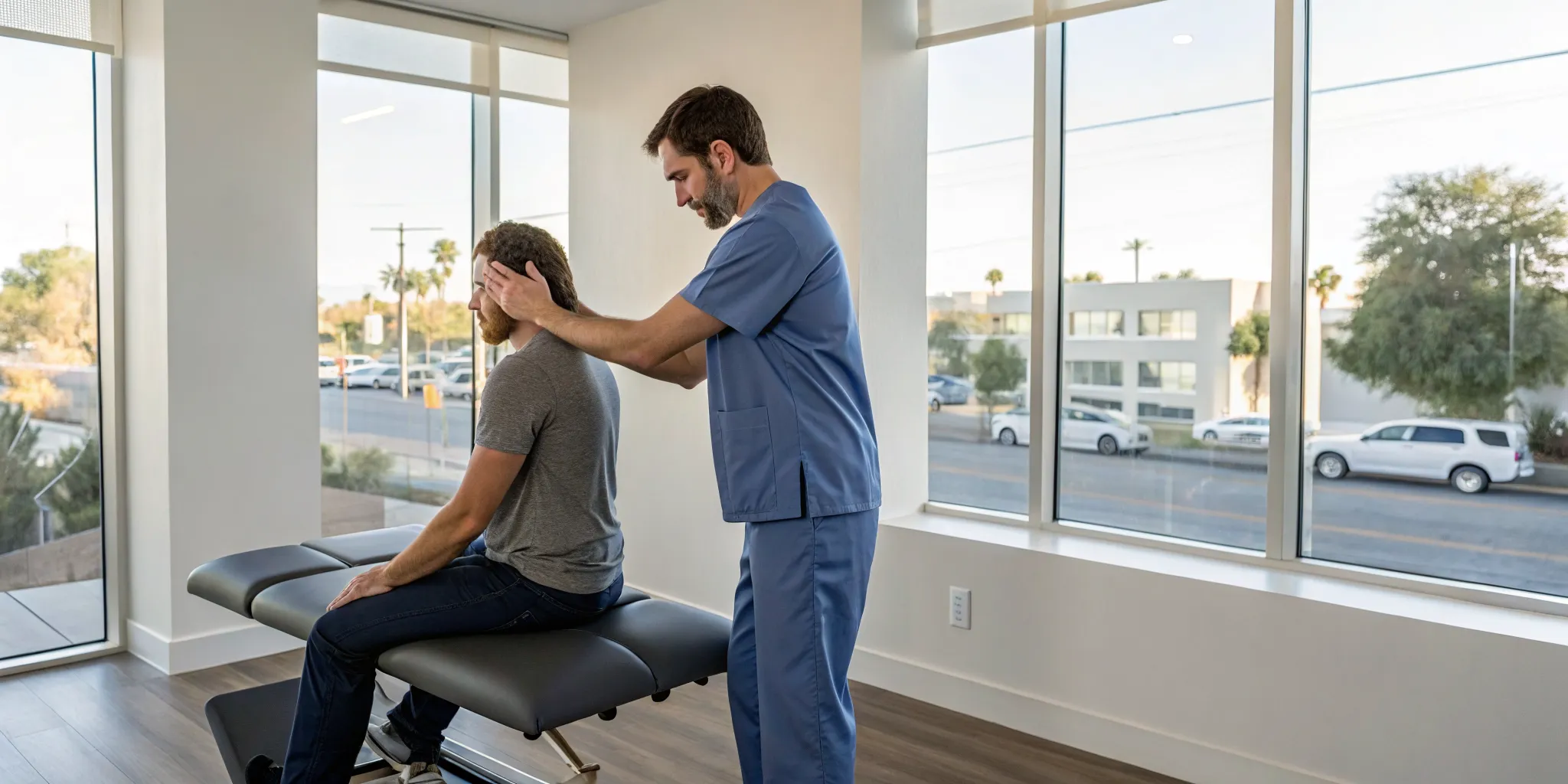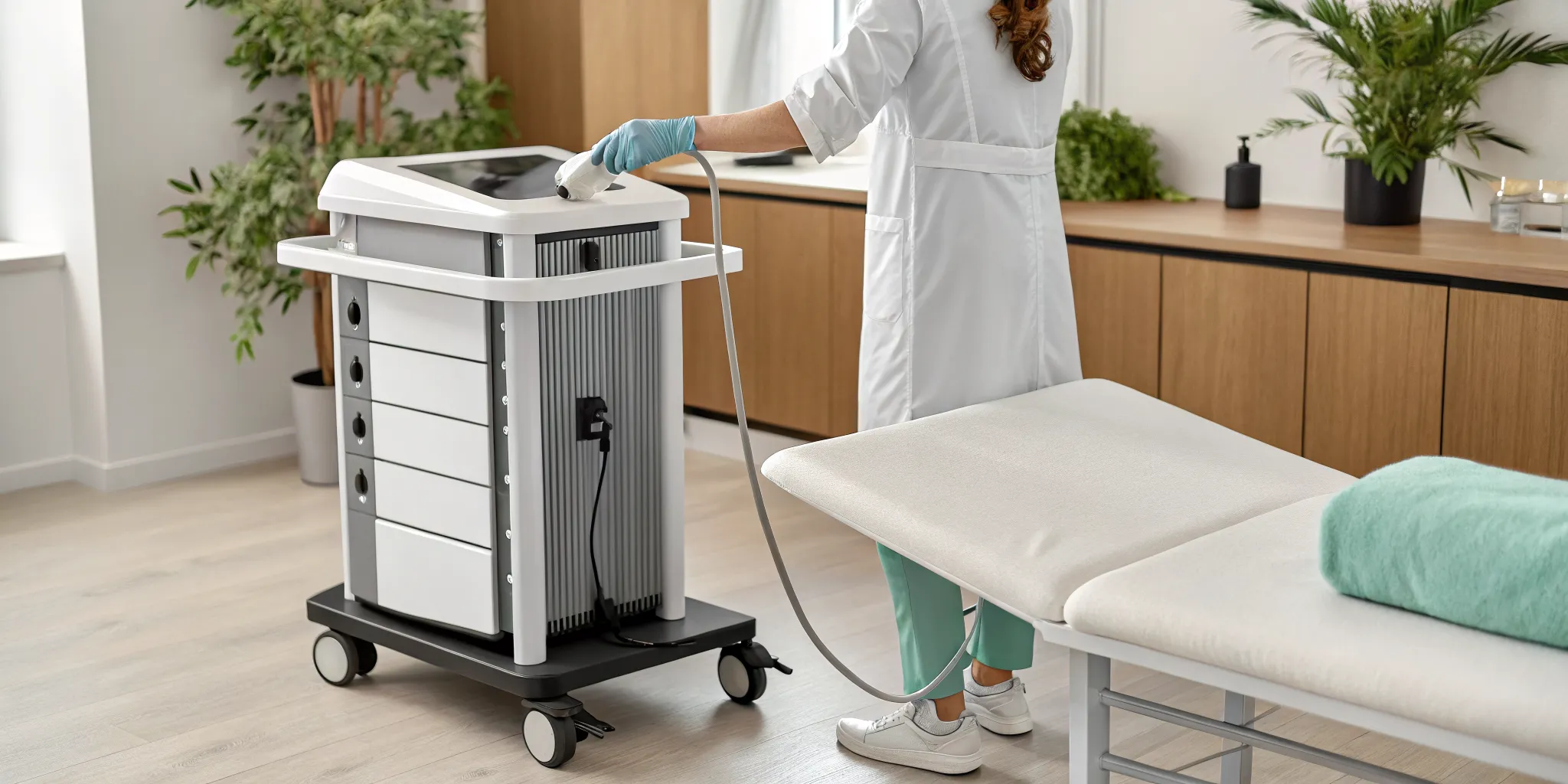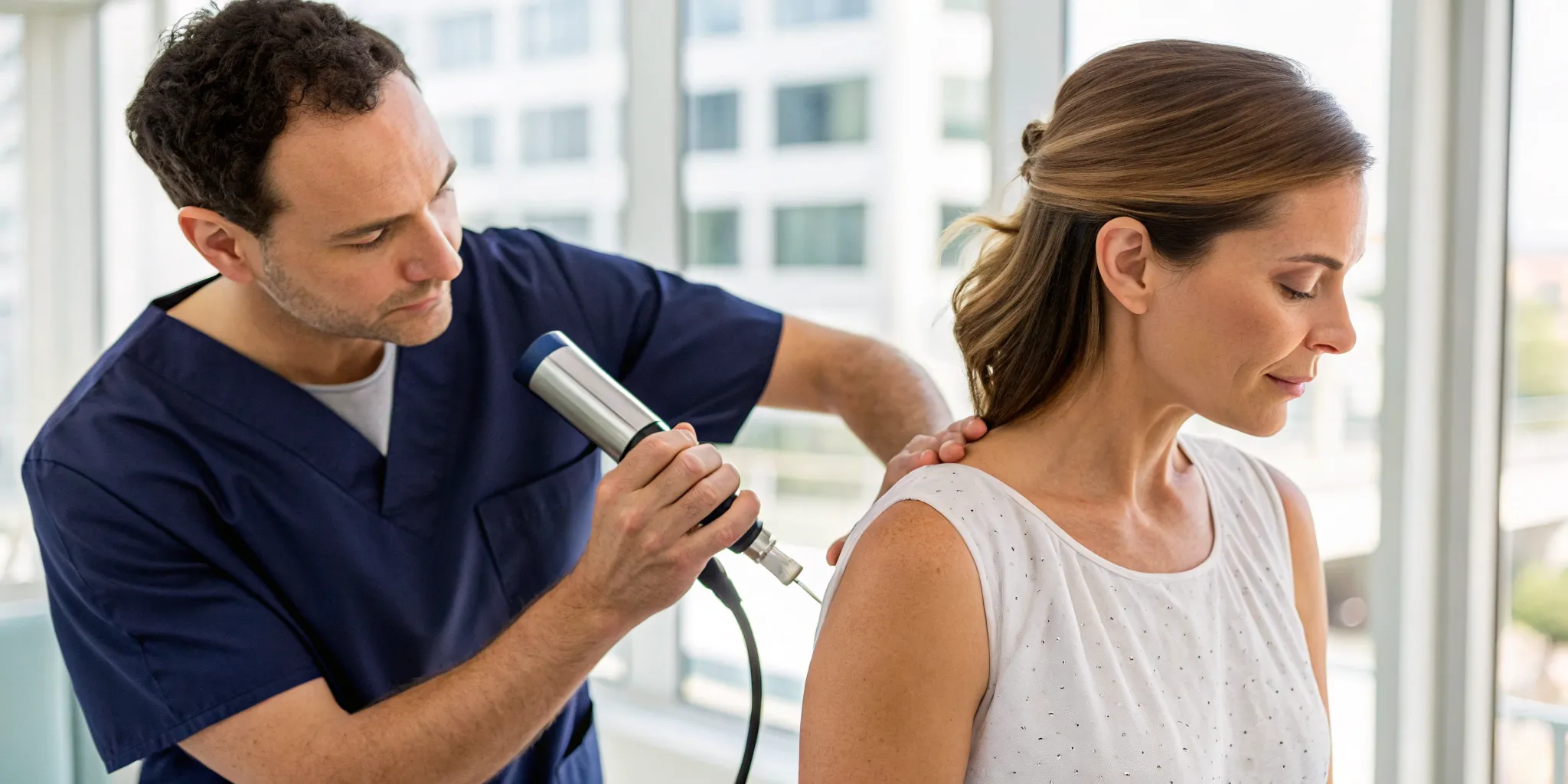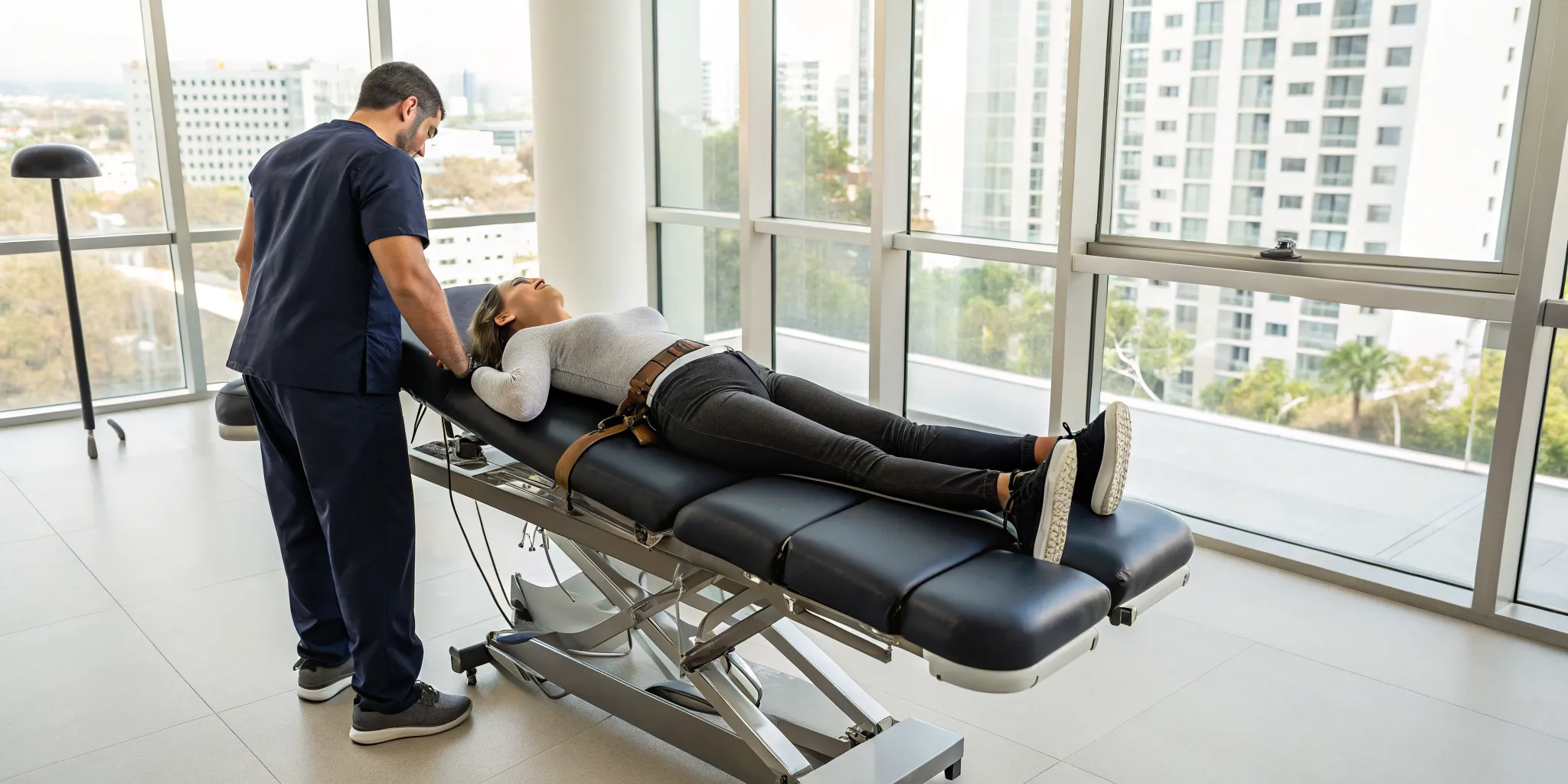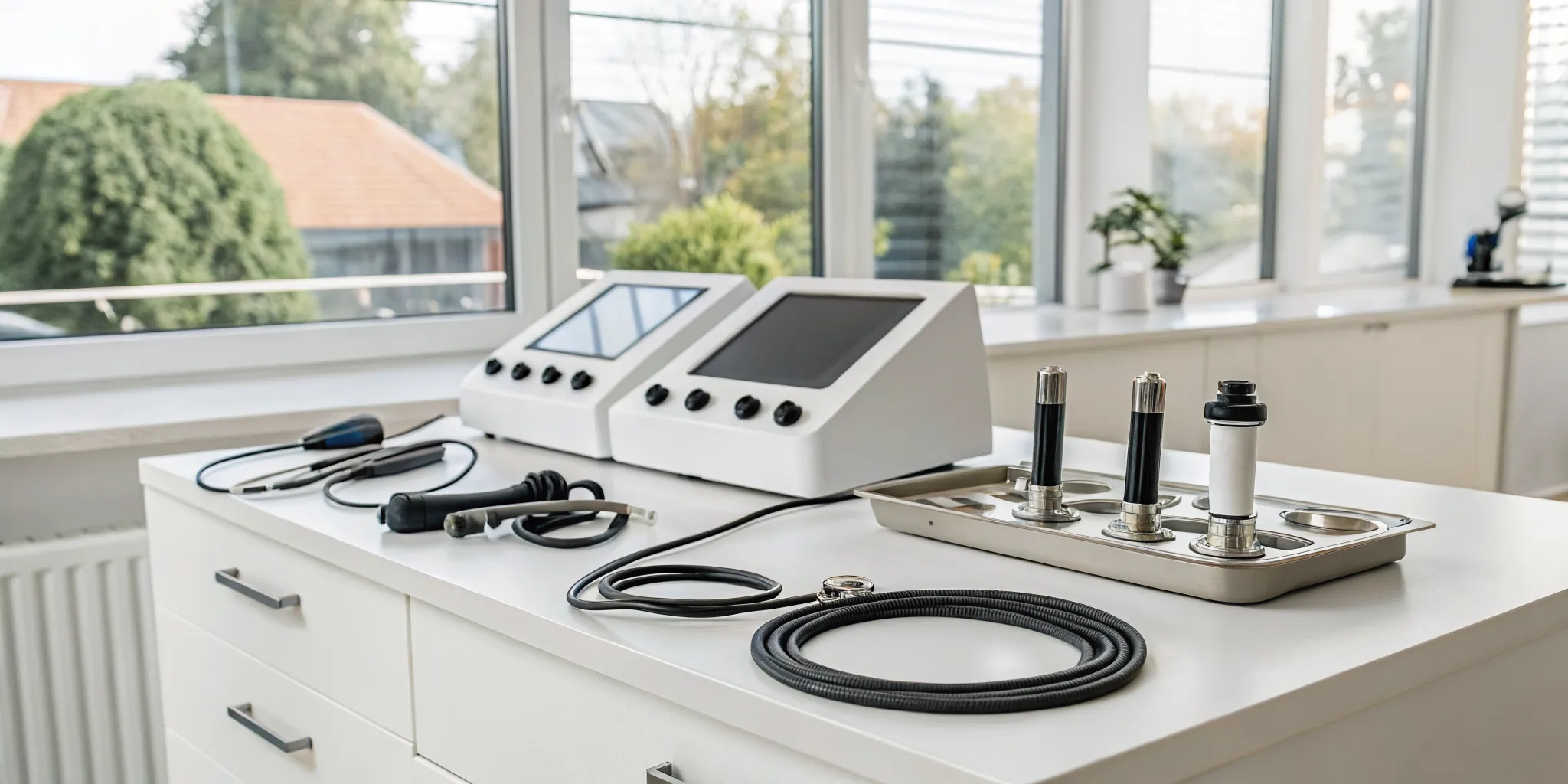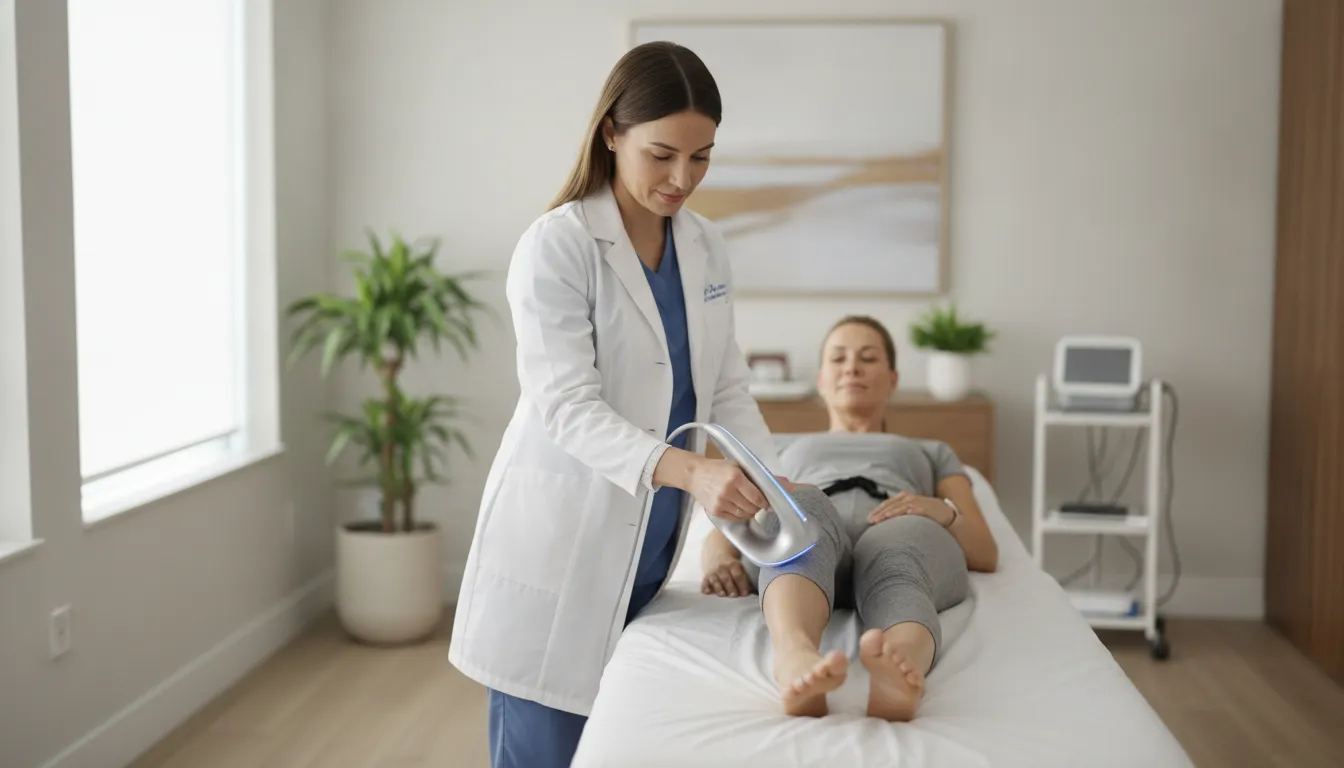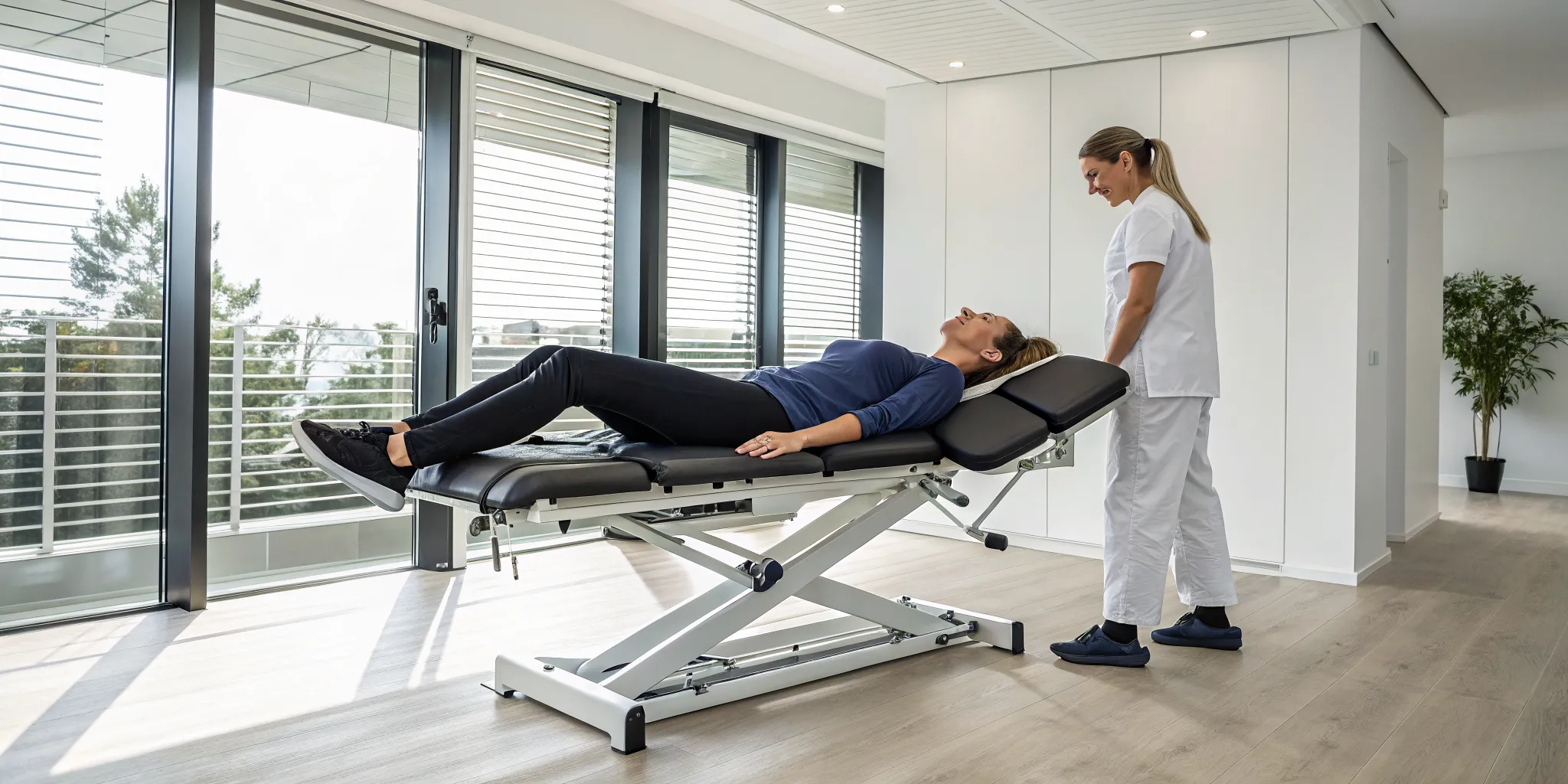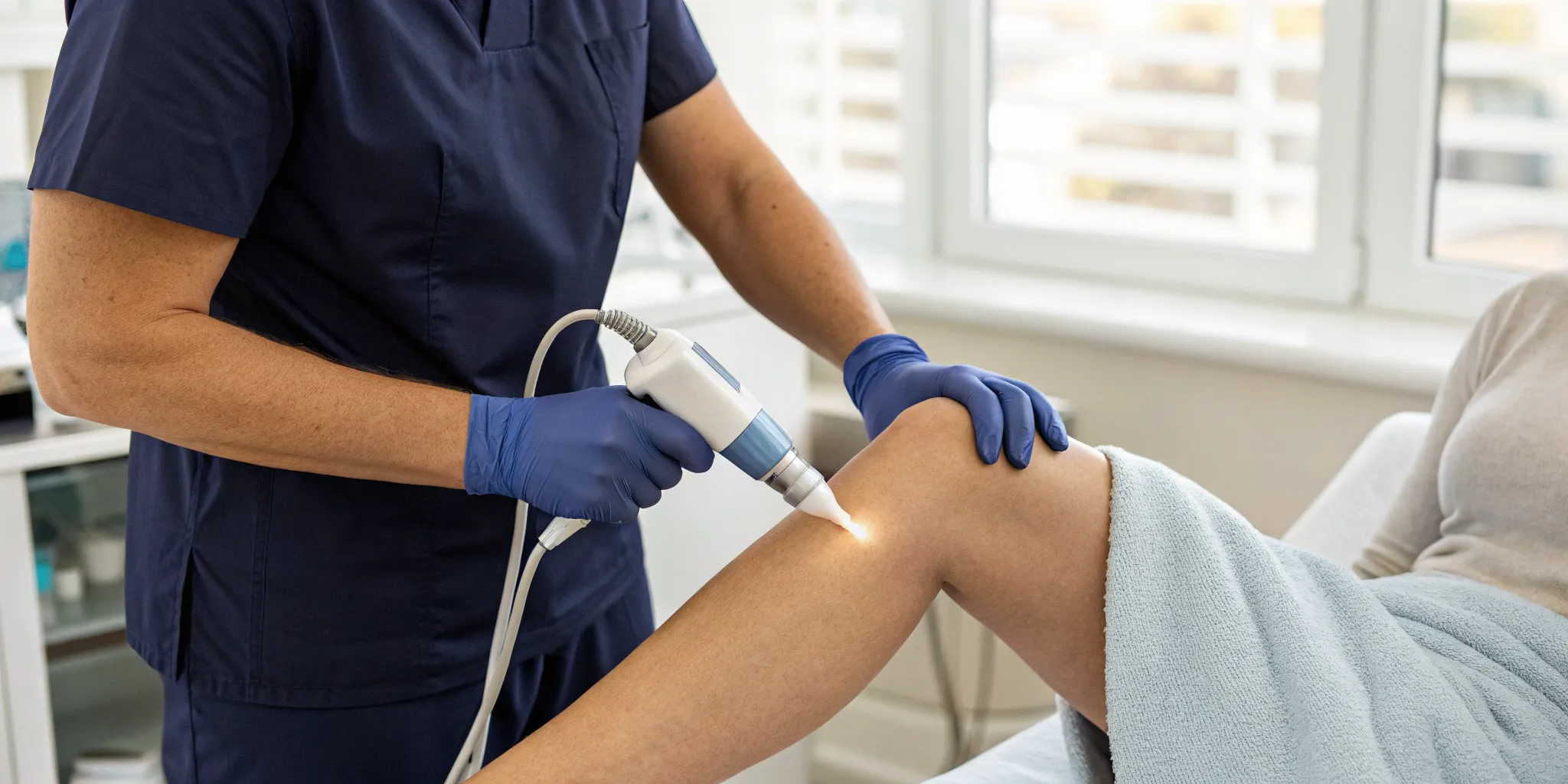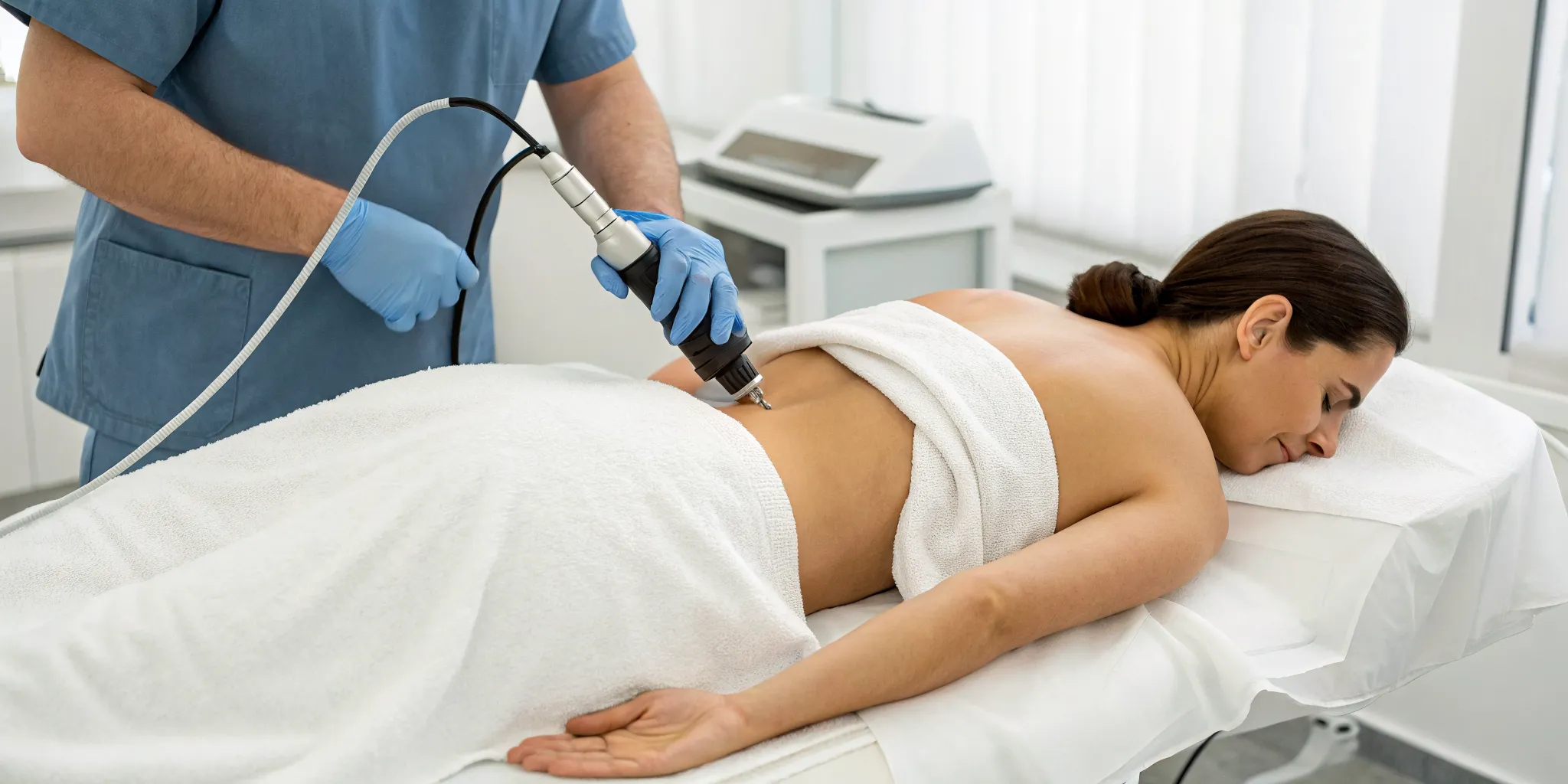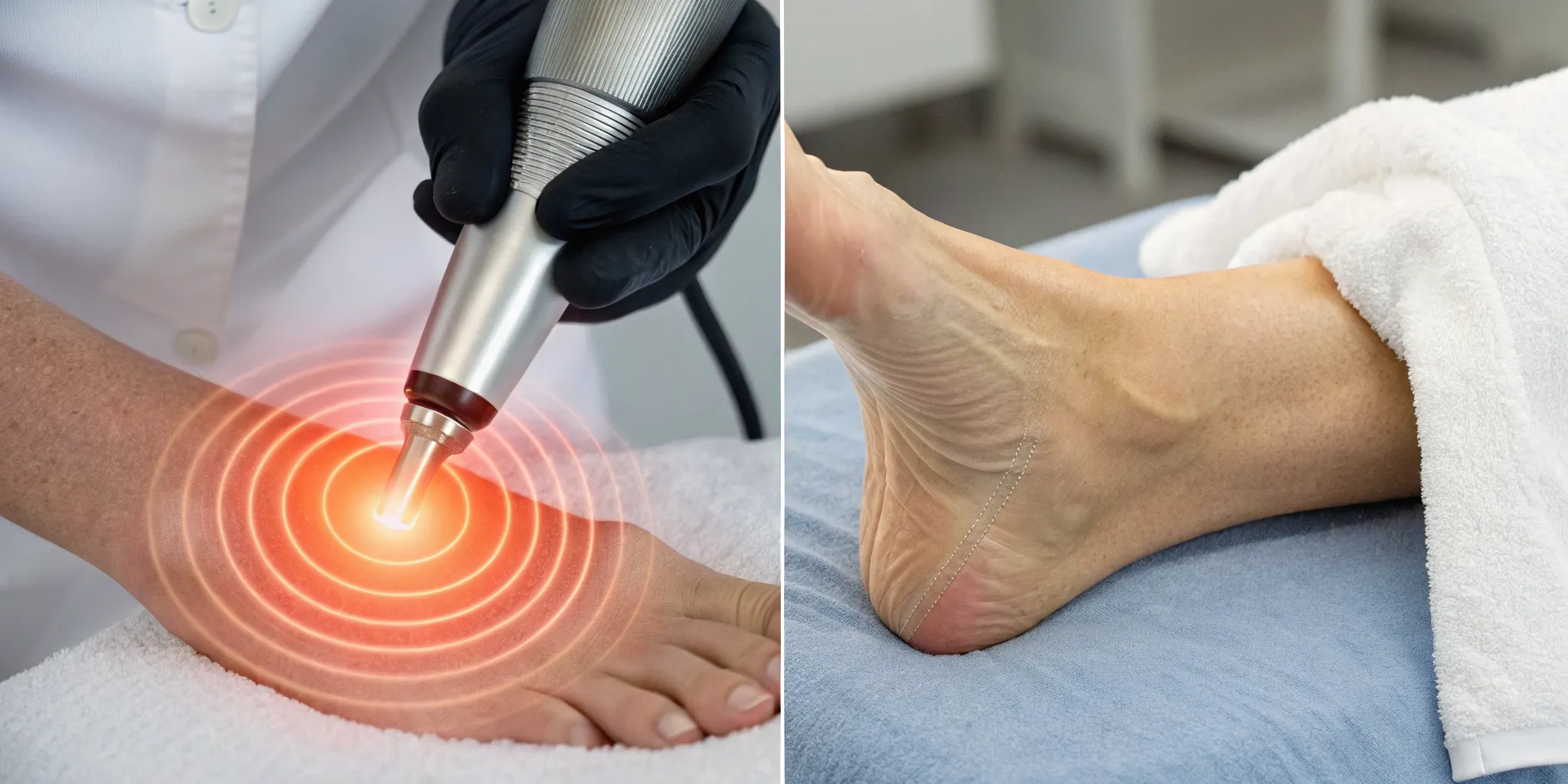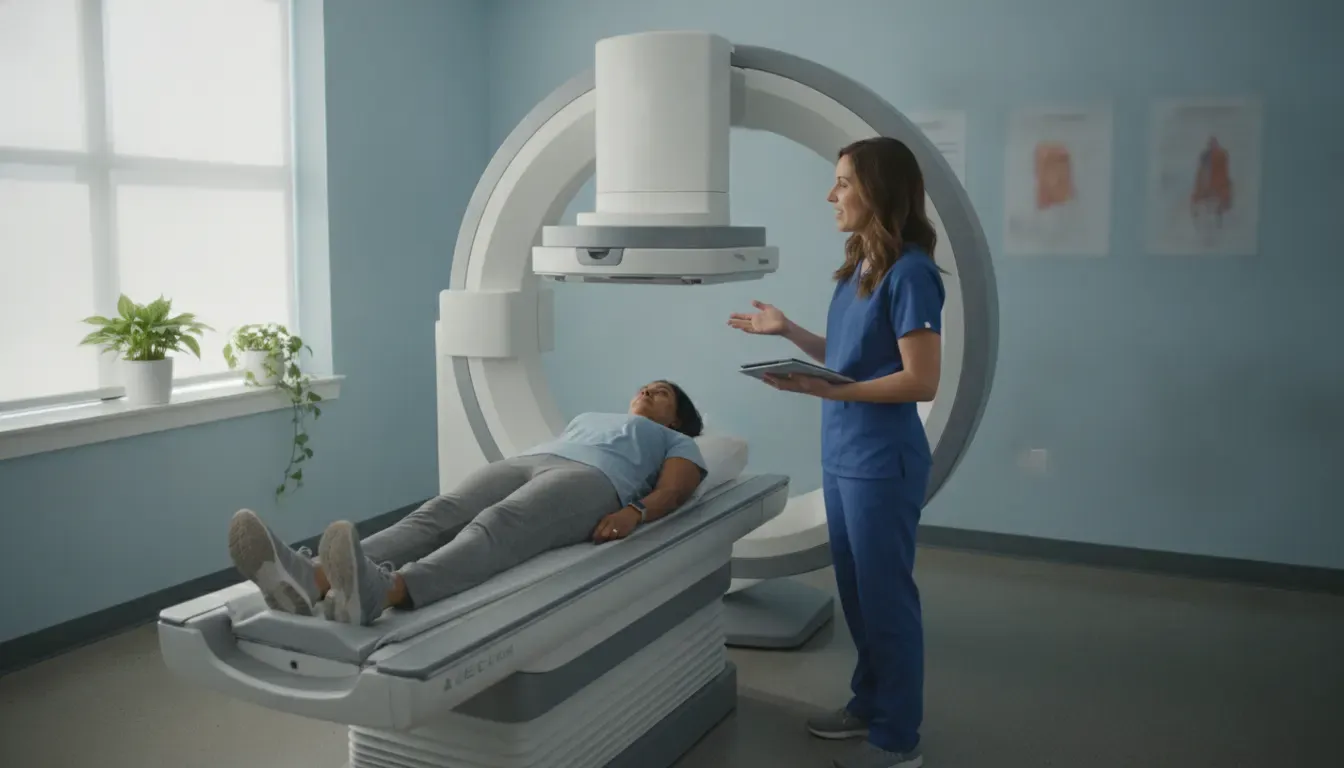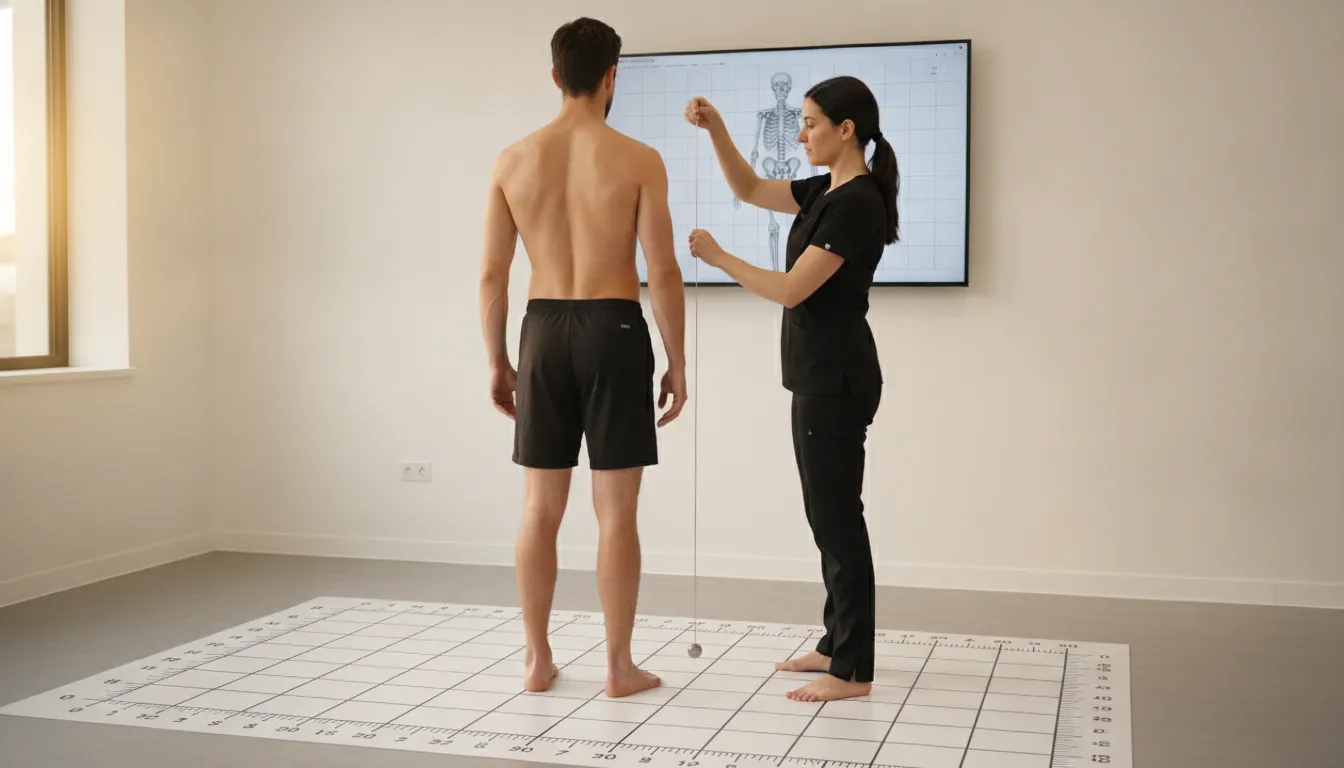
Dealing with frozen shoulder is challenging enough, but for individuals with diabetes, there are extra layers of complexity. Not only is the risk of developing the condition higher, but common treatments like corticosteroid injections can be problematic, as they are known to cause temporary spikes in blood sugar. This makes finding a safe and effective solution crucial. A treatment that supports your body’s healing without disrupting your metabolic health is ideal. This is why we often recommend exploring shockwave therapy for frozen shoulder. It’s a non-invasive approach that directly targets the stiff joint tissue without affecting blood sugar levels, making it a particularly beneficial option for those managing both conditions.
Key Takeaways
- Address Stiffness at the Source: Shockwave therapy is a non-invasive treatment that uses acoustic waves to break down restrictive scar tissue in your shoulder joint, directly targeting the underlying cause of your pain and limited motion.
- Combine Treatments for Better Results: You can achieve a faster and more complete recovery by pairing shockwave therapy with a consistent physical therapy program; the therapy helps release stiff tissues, making your stretches and exercises more effective.
- A Safer Choice for Those with Diabetes: If you are managing diabetes, shockwave therapy is a beneficial option because it helps relieve pain and restore movement without causing the blood sugar spikes associated with some other common treatments.
What Is Frozen Shoulder, Really?
If you've ever felt a deep, unyielding ache in your shoulder that slowly turned into frustrating stiffness, you might be dealing with frozen shoulder. Known in medical circles as adhesive capsulitis, this condition happens when the connective tissue surrounding your shoulder joint thickens and tightens, severely restricting your movement. It can make simple things like brushing your hair or reaching into a cabinet feel like impossible tasks. Understanding what’s happening inside your shoulder is the first step toward finding a path back to mobility.
The Three Stages of a Frozen Shoulder
Frozen shoulder doesn't happen overnight. It typically unfolds in three distinct phases, each with its own challenges. The first is the "freezing" stage, which can last anywhere from three to nine months. During this time, you'll notice a gradual increase in pain and a progressive loss of motion. Next comes the "frozen" stage, lasting up to a year. The good news is that the pain may start to lessen, but the bad news is that the stiffness often gets worse, making your shoulder feel completely stuck. Finally, you enter the "thawing" stage. This recovery phase can take one to two years as your shoulder's mobility slowly begins to return.
Key Symptoms to Look For
The most telling signs of a frozen shoulder are persistent pain and a significant loss of range of motion. The pain is often described as a dull or aching sensation deep within the shoulder joint, and many people report that it intensifies at night, disrupting their sleep. As the condition progresses, you'll find it increasingly difficult to perform everyday activities that require you to lift or rotate your arm. Simple movements like reaching behind your back or lifting your arm to the side become challenging. This progressive stiffness is a hallmark symptom that sets it apart from other types of shoulder pain.
The Link Between Diabetes and Frozen Shoulder
It's important to recognize that certain health factors can increase your risk of developing a frozen shoulder. Individuals with diabetes, in particular, are significantly more likely to experience this condition. The connection is thought to be related to how high blood sugar levels can affect collagen, a key protein in your joint capsules. For those with diabetes, a frozen shoulder can present with more severe symptoms and a much longer recovery timeline. This highlights the importance of addressing underlying health conditions as part of a comprehensive approach to healing and restoring function in your body.
How Shockwave Therapy Helps a Frozen Shoulder
If you’re dealing with the frustrating stiffness and pain of a frozen shoulder, you know how much it can limit your daily life. Simple things like reaching for a cup or getting dressed become a challenge. Shockwave therapy, a non-invasive treatment, offers a promising way to address the root cause of this condition. It works by using targeted sound waves to stimulate your body’s own healing processes, helping you regain movement and find relief without injections or downtime. Let's look at how this technology works to free up a frozen shoulder.
The Science of Acoustic Wave Therapy (ESWT)
Extracorporeal Shockwave Therapy, or ESWT, might sound complicated, but the idea behind it is straightforward. This therapy uses acoustic (sound) waves to deliver targeted energy deep into your shoulder tissues. Think of it as a way to jumpstart your body’s natural repair crew. These sound waves help to increase blood flow to the stiff shoulder joint, which is crucial for healing. The therapy also helps reduce swelling, encourages the growth of new blood vessels, and can even change how your nerves send pain signals, leading to significant pain relief. This process helps your body heal and regenerate tissue that has become stuck and inflamed.
Breaking Down Adhesions to Restore Mobility
The defining feature of a frozen shoulder is the formation of thick, sticky bands of tissue, called adhesions, inside your shoulder capsule. These adhesions are what restrict your movement and cause that "frozen" feeling. Shockwave therapy is particularly effective because its high-energy sound waves can penetrate deep into the joint and break down this stubborn scar tissue. By dismantling these adhesions, the therapy helps make the tissues in your shoulder more flexible. This process is a key part of our physical medicine approach, as it directly targets the physical restrictions that are causing your pain and stiffness, helping you get back to moving freely and comfortably.
Focused vs. Radial: Which Type Is for You?
When you hear about shockwave therapy, it’s helpful to know there are two main types: focused and radial. Focused shockwaves go deeper, targeting very specific points within the body. Radial shockwaves, on the other hand, spread out over a larger, more superficial area, making them ideal for treating tissues like ligaments, tendons, and muscles around a joint. For a frozen shoulder, radial shockwaves are very effective and are what you’ll most commonly find in a clinical setting. The right approach for you will depend on your specific situation, which is something your provider will determine as they create a personalized plan for the conditions we treat, including your shoulder pain.
How Effective Is Shockwave Therapy for Frozen Shoulder?
When you’re dealing with the daily pain and frustration of a frozen shoulder, you want to know that a treatment will actually work. It’s completely understandable to be skeptical of new approaches, especially when you feel like you've tried everything. The good news is that the evidence for extracorporeal shockwave therapy (ESWT) is very encouraging. This isn't a quick fix or a temporary patch. Instead, it’s a scientifically-backed method for stimulating your body’s natural healing process right at the source of the problem.
Research consistently shows that shockwave therapy is a safe and effective tool for managing frozen shoulder. When you look at the studies, a clear picture emerges: this therapy helps reduce pain and, most importantly, improves your range of motion and overall shoulder function. It’s particularly powerful when used as part of a comprehensive care plan that includes corrective exercises. Let’s look at what the research says, what kind of results you can realistically expect, and how long those benefits last.
What Does the Research Say?
Researchers have been studying shockwave therapy for a while, and the findings point to it being a valuable addition to frozen shoulder treatment. A systematic review of multiple studies confirmed its effectiveness. The consensus is that when you add shockwave therapy to a physical medicine plan that includes targeted exercises, patients see significant improvements. This combination approach helps you regain shoulder movement and function while also reducing pain. Think of it this way: the shockwave therapy works to break up the restrictive adhesions in your shoulder joint, and the exercises help retrain your muscles and restore proper movement patterns. Together, they create a powerful synergy that helps you get back to your life faster.
What Kind of Improvement Can You Expect?
The improvements seen in studies are not just minor; they are substantial and can make a real difference in your daily activities. For example, one study found that patients who received shockwave therapy improved their shoulder movement up to 30% faster than those who only did physical therapy. That could be the difference between struggling to get dressed in the morning and doing it with ease, weeks sooner than you expected. Another study compared shockwave therapy to therapeutic ultrasound and found that the shockwave group experienced significantly more pain relief. More importantly, they felt better much faster. When you're dealing with the kind of persistent pain that comes with shoulder conditions, faster relief is a huge win.
How Long Do the Results Typically Last?
One of the most common questions is whether the results will stick around. The research shows that the most significant improvements in pain and mobility often occur within the first two months after treatment. This timeline is important because it highlights that shockwave therapy is designed to accelerate your recovery, not just provide a temporary fix. While some studies show that long-term pain levels can eventually even out between different treatment groups, the key benefit of shockwave therapy is the speed of relief. It helps you feel better and move better, sooner. This early progress is crucial. It allows you to participate more effectively in your physical therapy exercises, which in turn supports lasting results and helps address the root cause of your condition.
Shockwave Therapy vs. Other Frozen Shoulder Treatments
When you’re dealing with the pain and stiffness of frozen shoulder, you want a solution that actually works. It’s easy to feel stuck when your range of motion is limited, and finding the right treatment can feel overwhelming. While several options are available, they aren’t all created equal. Understanding how a modern approach like shockwave therapy compares to more traditional methods can help you make an informed choice for your health. It’s about finding the right path to not just manage symptoms, but to truly restore function and get you back to your life.
Many common treatments, like injections or physical therapy, have been used for years with varying degrees of success. However, shockwave therapy offers a non-invasive way to address the root of the problem: the adhesions and inflammation in the shoulder capsule. Instead of just masking pain, it stimulates your body's own healing mechanisms. By comparing the options, you can see why combining therapies or choosing a specific one might be the most effective strategy for your recovery. Let's look at how shockwave therapy stacks up against other common treatments for frozen shoulder.
Compared to Corticosteroid Injections
Corticosteroid injections are often suggested to reduce inflammation and pain in the shoulder joint. While they can provide temporary relief, they don't address the underlying scar tissue that causes the stiffness. Shockwave therapy, on the other hand, is a non-invasive alternative that directly targets these adhesions. In fact, some studies suggest that shockwave therapy can lead to better short-term improvements in movement and daily activities compared to steroid shots.
By using acoustic waves to stimulate healing and break down fibrous tissue, shockwave therapy helps your body repair itself from the inside out. This approach is a key part of our physical medicine philosophy, focusing on restoring function without introducing substances that may only mask the problem. It’s a way to work with your body’s natural healing processes.
Compared to Physical Therapy Alone
Physical therapy, with its focus on stretching and strengthening, is a cornerstone of any frozen shoulder recovery plan. However, progress can be slow and frustrating when the shoulder capsule is severely restricted. This is where shockwave therapy can make a significant difference. It doesn't replace physical therapy; it makes it more effective. Think of it as a powerful partner in your rehabilitation.
Research shows that combining shockwave therapy with a consistent stretching program can produce much faster results than physical therapy alone. One clinical trial found that this combined approach helps patients regain their range of motion up to 30% faster. By breaking down the tough adhesions first, shockwave therapy allows the stretches and exercises you do in physical therapy to be more productive, helping you achieve your goals sooner.
Why Injections Can Be a Concern if You Have Diabetes
For individuals with diabetes, managing frozen shoulder requires extra consideration. Not only are people with diabetes more likely to develop frozen shoulder, but common treatments like corticosteroid injections can present a problem. Steroid shots are known to cause a temporary spike in blood sugar levels, which can be difficult to manage and may interfere with your overall health goals.
This is a critical factor, as research has shown that patients with uncontrolled diabetes may not respond as well to certain treatments. A study on shockwave therapy for patients with diabetes highlights this concern, making it a vital topic to discuss with your provider. Because shockwave therapy is non-invasive and doesn't affect blood sugar, it stands out as a particularly safe and effective option for those managing both frozen shoulder and diabetes.
Your First Shockwave Therapy Session: What to Expect
Deciding to try a new treatment can feel like a big step, but knowing what’s ahead can make all the difference. Shockwave therapy is a straightforward and non-invasive process designed to work with your body’s natural healing abilities. From the moment you walk in for your first appointment, our goal is to make you feel comfortable, informed, and confident in your care.
We believe in a partnership approach to health, which means you’ll be an active participant in your treatment. We’ll walk you through every step, answer all your questions, and tailor the session to your specific needs and comfort level. This isn't a passive experience where things are just done to you; it's a collaborative effort to help your body heal. Let’s go over what you can expect during your first visit, from how to prepare to what the treatment itself feels like.
How to Prepare for Your Appointment
The most important preparation happens before you even schedule your first session: getting a proper evaluation. A thorough assessment confirms that frozen shoulder is the correct diagnosis and that shockwave therapy is the right approach for you. Once you have a plan, preparing for your appointment is simple.
Wear loose, comfortable clothing that allows easy access to your shoulder area. It’s also a good idea to be well-hydrated and have a light meal beforehand. Most importantly, come ready to communicate. We want to hear about your symptoms and any concerns you might have. This initial conversation helps us tailor the treatment to you. If you're ready to start that conversation, you can contact our Tampa office to schedule your consultation.
A Step-by-Step Look at a Session
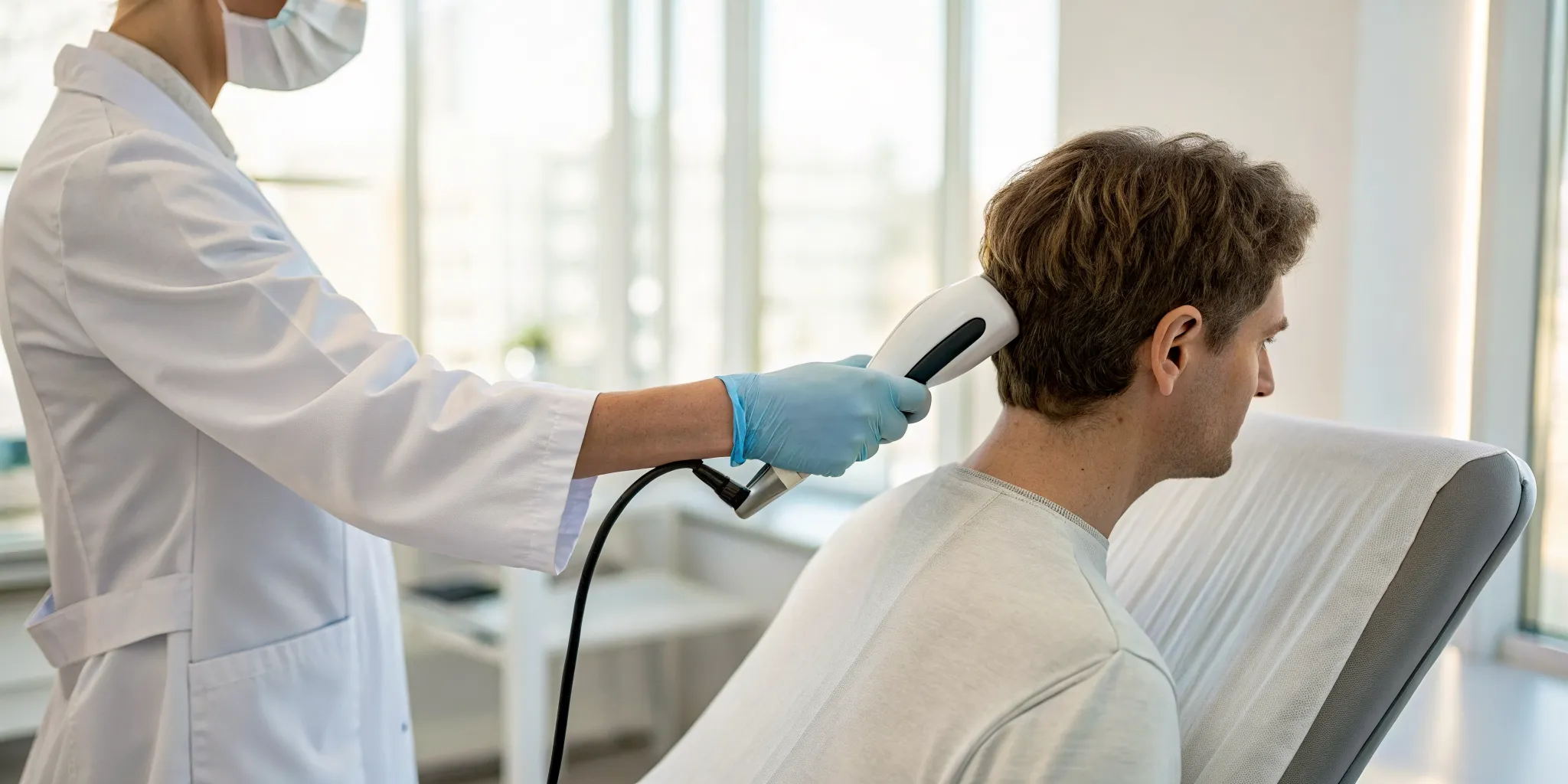
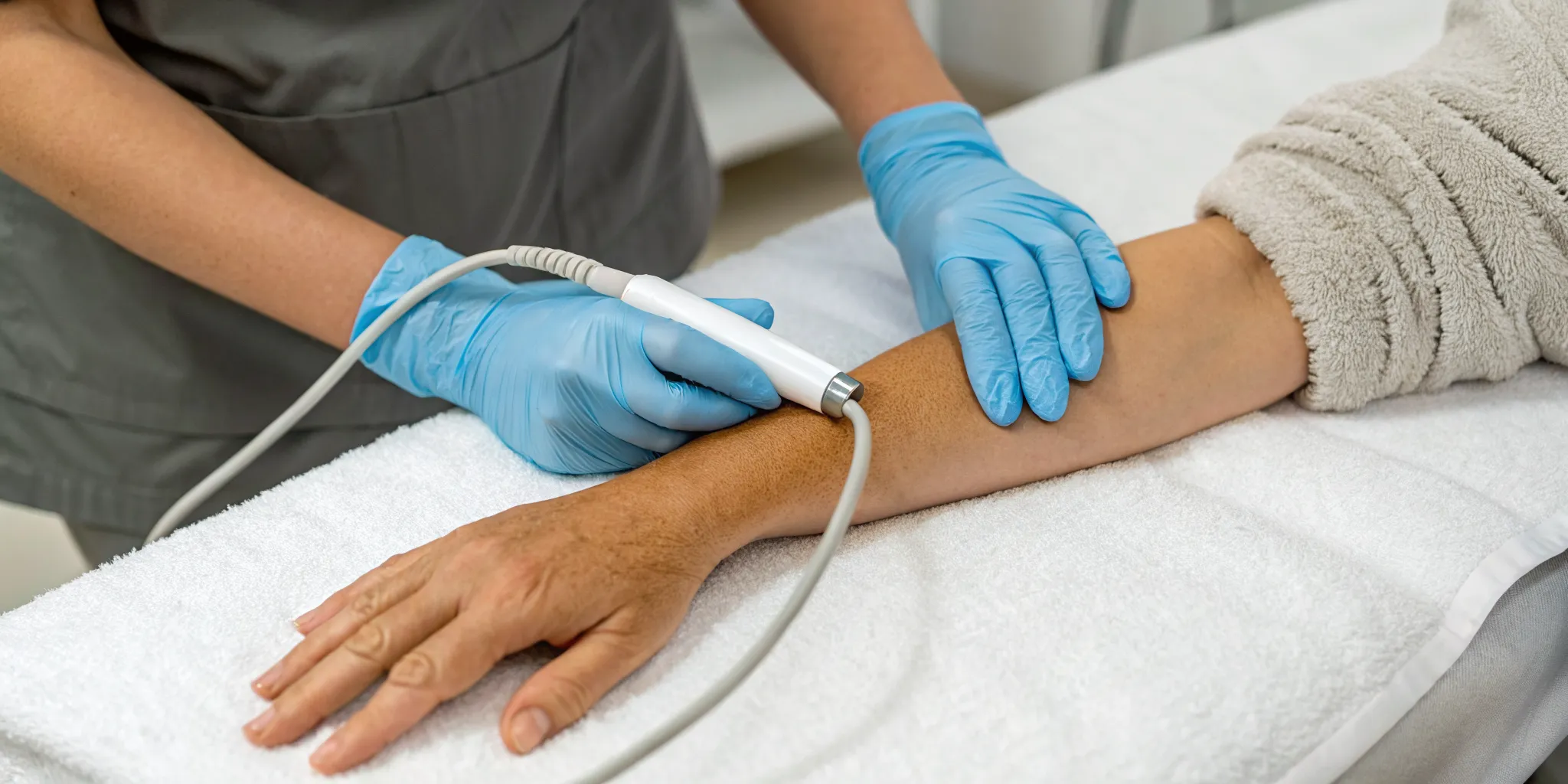
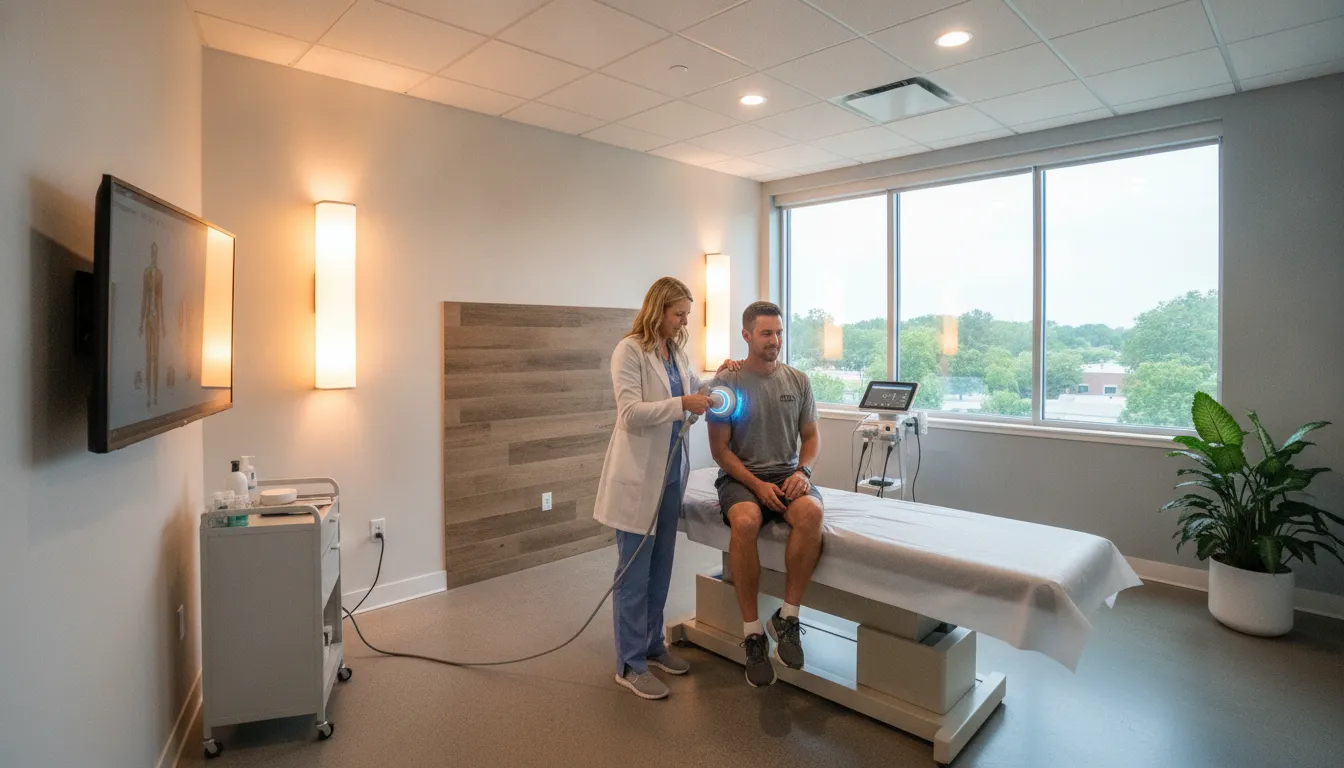
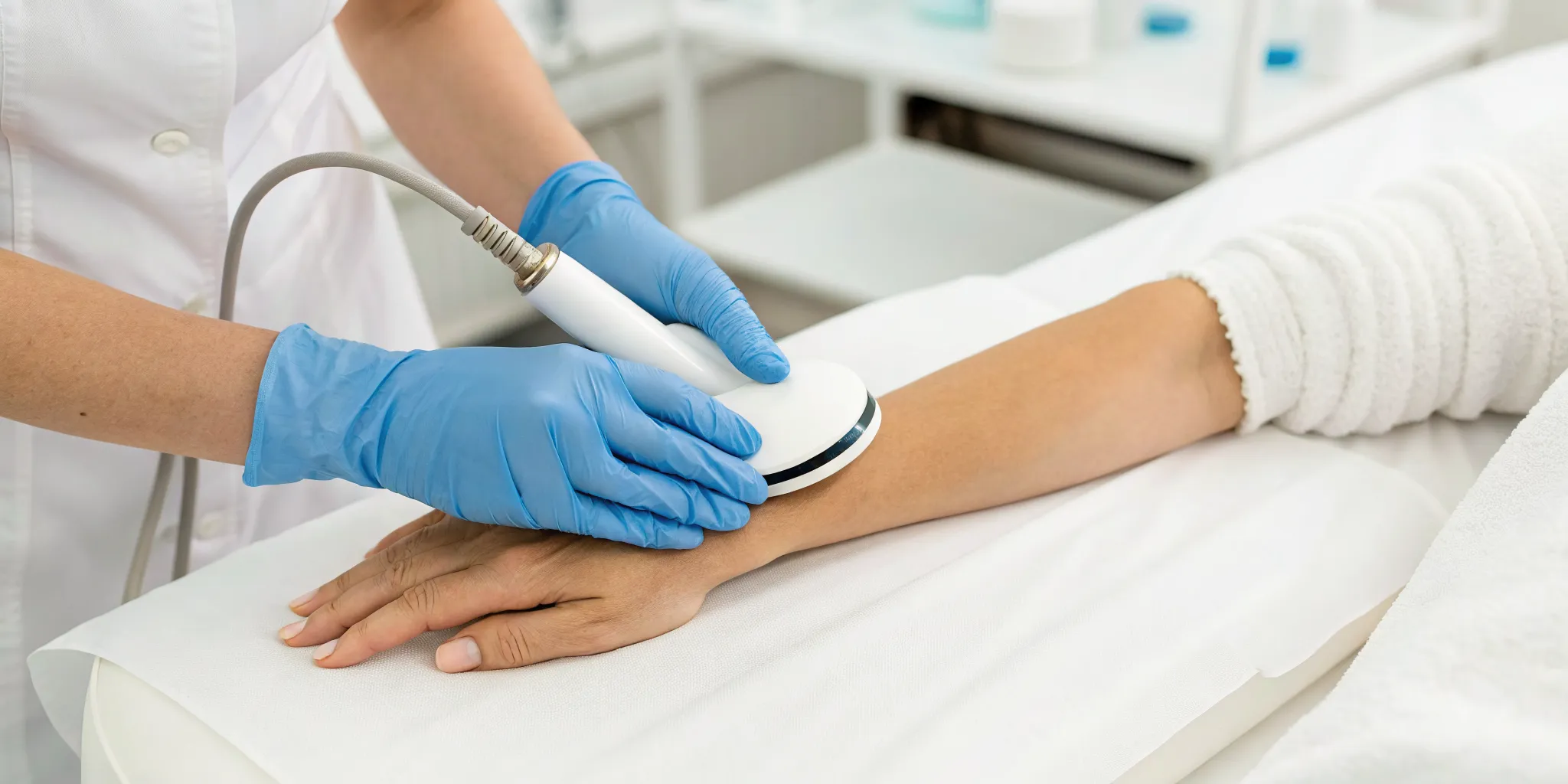
A shockwave therapy session is surprisingly simple and quick, usually lasting only about 10 to 15 minutes. First, your provider will locate the precise area for treatment. A water-based gel will be applied to your skin, which helps the acoustic waves transfer effectively into the tissue.
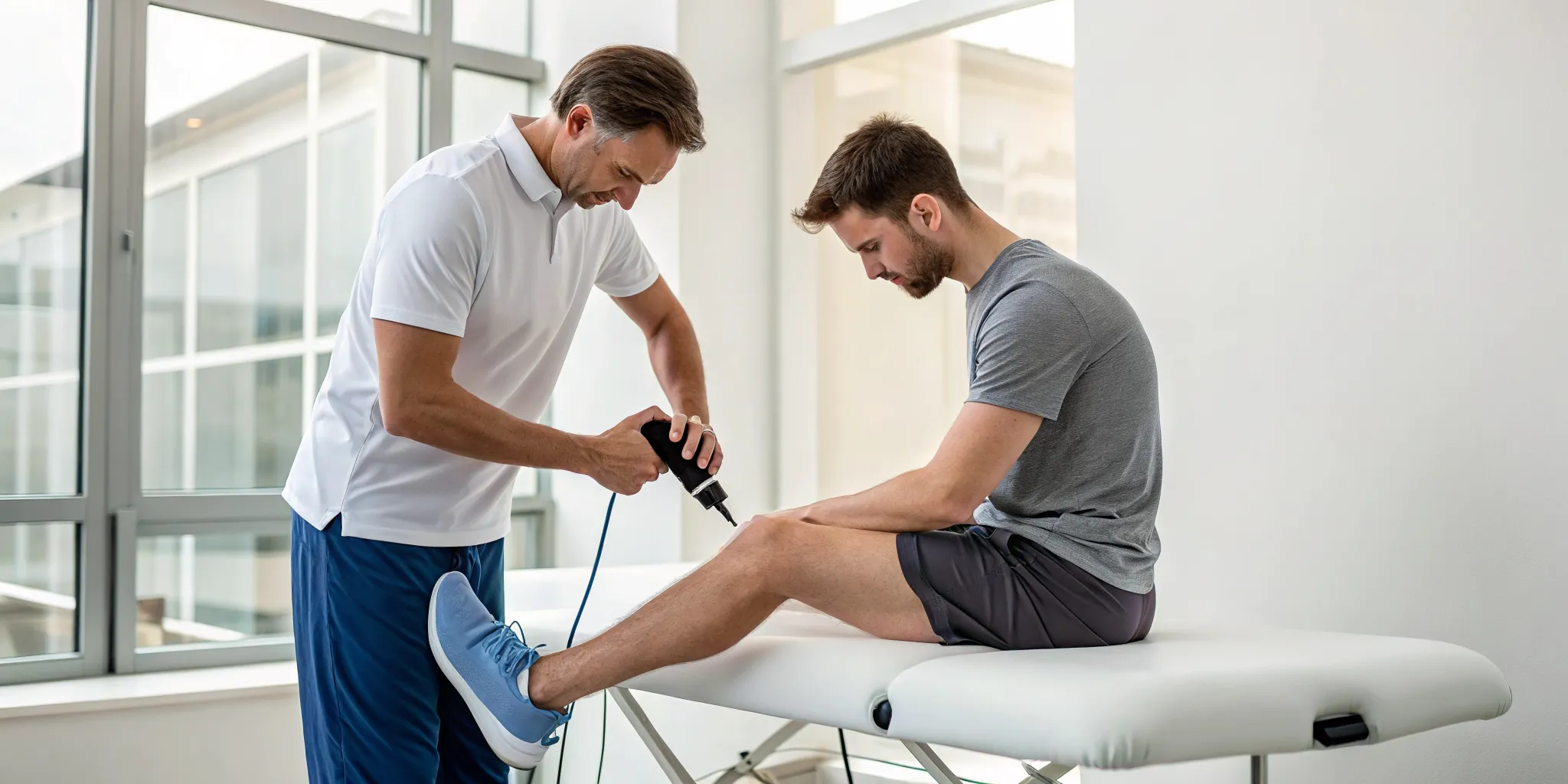
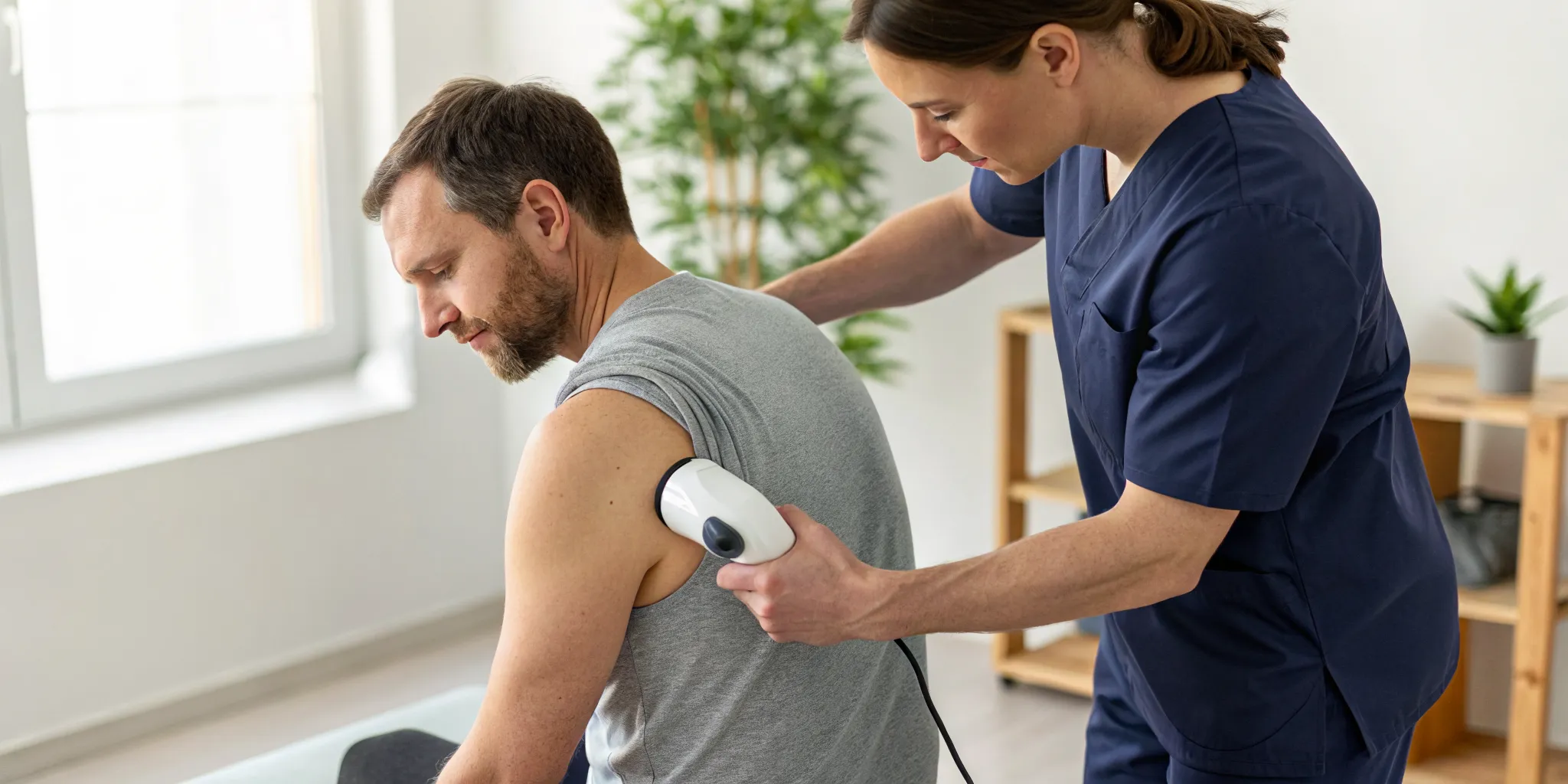
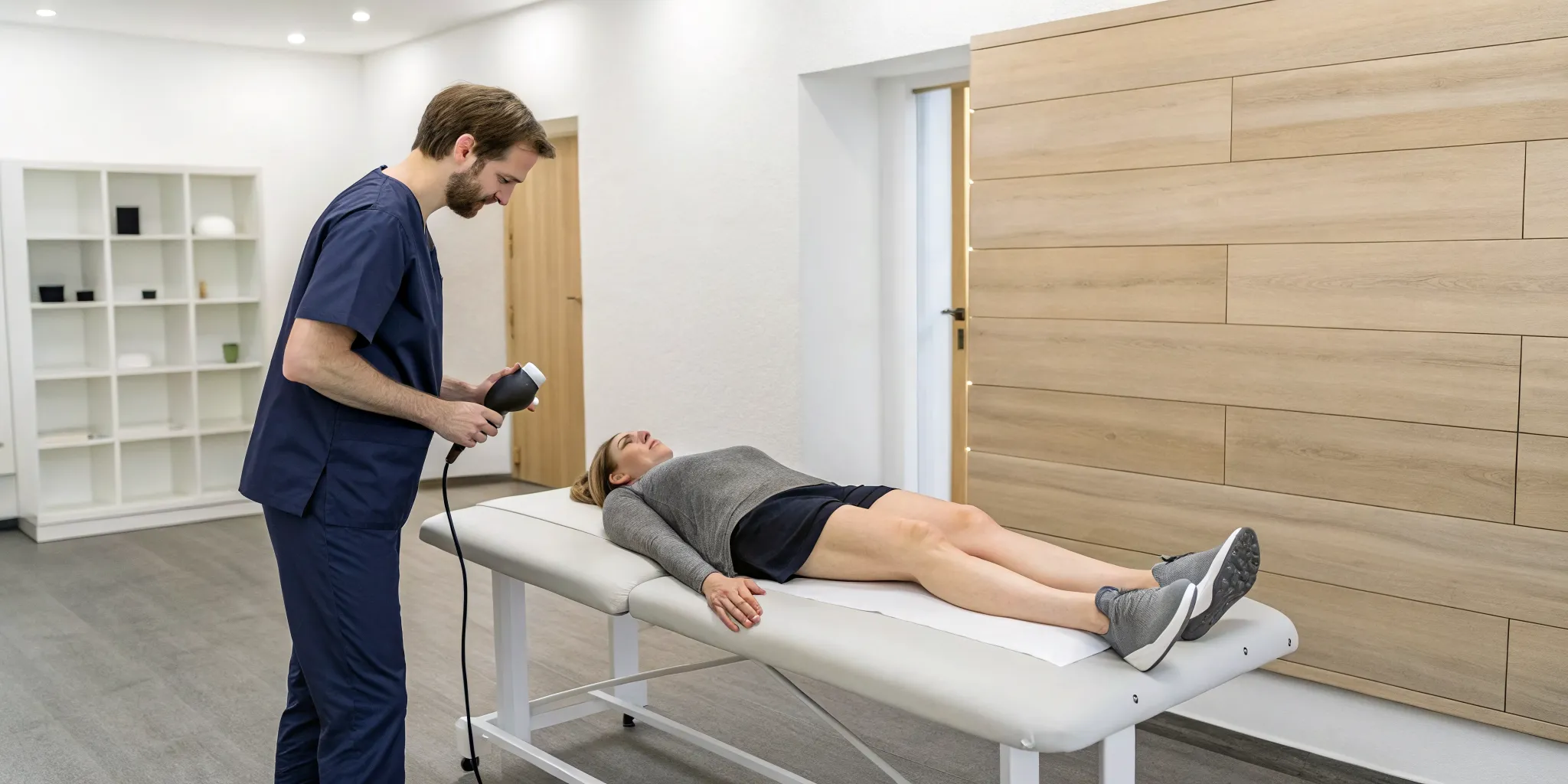
Next, your provider will use a handheld applicator, pressing it against the targeted area and moving it around your shoulder joint. This device delivers the acoustic waves that stimulate blood flow, help break down scar tissue, and encourage your body’s healing response. Our team uses this type of physical medicine to address the root cause of your pain and stiffness, helping you regain mobility from the inside out.
What Will It Feel Like?
This is one of the most common questions we get, and the answer is that it varies from person to person. Most people describe the sensation as a strong tapping or pulsing against the skin. You might feel some discomfort, especially over more sensitive areas, but the treatment is generally well-tolerated.
Your comfort is our priority. We can adjust the intensity of the waves throughout the session to a level that is effective yet manageable for you. Open communication is key, so we encourage you to give us feedback in real time. The feeling is temporary, and most patients find that any minor discomfort during the session is well worth the relief that follows.
How Many Sessions Will You Need?
Frozen shoulder doesn’t develop overnight, and healing takes time, too. While some people report feeling better after just one or two sessions, a full course of treatment is typically needed for lasting results. Most treatment plans involve three to six sessions, scheduled about a week apart.
This spacing gives your body the time it needs to respond to the therapy and begin the repair process. The acoustic waves create a healing response that continues for weeks after your sessions are complete. Your exact treatment schedule will be based on your specific condition and how your body responds. We create a personalized plan for every patient to ensure you get the best possible outcome.
Is Shockwave Therapy a Good Fit for You?
Deciding on a treatment path is a personal choice, and it’s important to know if shockwave therapy aligns with your health profile and goals. While it’s a powerful tool for many people dealing with frozen shoulder, it’s not a one-size-fits-all solution. Your overall health, specific conditions, and commitment to a comprehensive care plan all play a role in your success. Let’s walk through some key considerations to help you determine if this treatment is the right step for you.
If You Have Diabetes and Frozen Shoulder
If you have diabetes, you might already know you're at a higher risk for developing frozen shoulder. You may also be cautious about treatments like corticosteroid shots, which can cause a spike in blood sugar levels. This is where shockwave therapy really stands out as a beneficial option. Research shows that for individuals with frozen shoulder, shockwave therapy can be more effective than steroid injections at reducing pain and improving the shoulder's range of motion. It offers a way to directly address the adhesions and inflammation in the shoulder joint without interfering with your blood sugar management, making it a safer and often more effective choice for our patients with diabetes.
How Blood Sugar Can Affect Your Results
While shockwave therapy doesn't impact your blood sugar, your blood sugar levels can impact your results. The body's ability to heal is connected to your overall metabolic health. Studies have noted that patients with uncontrolled diabetes sometimes don't respond as well to treatment. This highlights the importance of a whole-body approach to healing. Getting your blood sugar under control isn't just good for your overall health; it can also help you get the most out of your physical medicine treatments. This is why we often integrate functional medicine strategies to support your body's natural healing capacity from the inside out.
Who Should Avoid This Treatment?
Safety is always the top priority. While shockwave therapy is non-invasive and generally very safe, there are a few situations where it isn't recommended. This treatment should be avoided if you have a pacemaker, as the acoustic waves could potentially interfere with the device. It’s also not suitable for anyone with an active infection or malignant tumor in the shoulder area. Additionally, individuals with certain bleeding disorders or those taking blood-thinning medications may not be good candidates. If you have any questions about your specific health history, the best first step is to schedule a consultation so we can review your case together.
Are There Any Risks or Side Effects?
It's completely normal to have questions about a new treatment, especially when it comes to potential side effects. The good news is that shockwave therapy is known for being a very safe procedure with a low risk of complications. Most people find the process straightforward and the recovery minimal. Understanding what to expect can help you feel more confident and prepared.
Let's walk through what you can realistically expect during and after your sessions, when you should check in with your provider, and clear up a few common myths about the treatment. Our goal is always to keep you informed and comfortable throughout your healing process.
Common, Short-Term Side Effects
While shockwave therapy is non-invasive, you might feel some mild discomfort during the session, but most people handle it very well. Afterward, it’s common to experience some temporary soreness, redness, or minor swelling around the treated shoulder. Think of this as a sign that your body is getting to work. The acoustic waves are stimulating a natural healing response, and these effects are typically a part of that process.
These side effects are usually short-lived, lasting anywhere from a few hours to a couple of days. They shouldn't interfere with your daily activities. We provide comprehensive physical medicine care and will give you a full aftercare plan to help you feel your best as your shoulder begins to heal.
When to Call Your Provider
Your healing journey is a partnership, and we're here to support you every step of the way. While serious side effects are very rare, you should always feel comfortable reaching out if you have any concerns. We encourage you to listen to your body and let us know how you're feeling.
Please contact our team if you experience pain that gets worse instead of better, or if you notice any swelling or redness that doesn't start to fade after a day or two. Open communication helps us make sure your treatment plan is perfectly tailored to your needs and that you're getting the best possible results. Your peace of mind is a top priority.
Clearing Up Common Misconceptions
One of the biggest misconceptions about shockwave therapy is that it's an aggressive or painful procedure. In reality, it’s a gentle and effective way to prompt your body’s own healing abilities. The therapy works by sending acoustic waves into the affected tissue, which helps increase blood flow, reduce inflammation, and gently break down the adhesions that cause stiffness. It’s a safe and effective choice for many of the conditions we treat, especially for people with diabetes who may want to avoid injections.
That said, this treatment isn't for everyone. We generally advise against it for individuals with pacemakers, active infections in the shoulder area, or certain bleeding disorders. A thorough initial consultation will always determine if it's the right fit for you.
How to Get the Best Results from Your Treatment
Shockwave therapy is a powerful tool for addressing the root cause of frozen shoulder, but your commitment to the healing process is just as important. Think of your treatment sessions as the catalyst for change, and the work you do between appointments as the key to making those changes last. By taking an active role in your recovery, you can significantly improve your outcome and get back to your life faster.
A successful treatment plan goes beyond the time you spend in our office. It involves a combination of targeted therapies, smart aftercare, and paying attention to your body’s signals. When you pair shockwave therapy with the right supportive strategies, you create the ideal environment for your shoulder to heal, regain mobility, and build lasting strength. Let’s walk through the simple, actionable steps you can take to support your body’s recovery and get the most out of your treatment.
Why a Combined Approach Is Often Best
While shockwave therapy is highly effective on its own, research shows that you can get even better, faster results by pairing it with other therapies. Studies have found that combining shockwave therapy with a structured physical therapy and stretching program helps patients regain their range of motion much more quickly than with physical therapy alone. This is because shockwave therapy breaks down the tough adhesions, while targeted movements help re-educate the muscles and restore proper function.
At Ascend, we build our care plans around this principle. By integrating shockwave therapy with our physical medicine protocols, we can address your shoulder pain from multiple angles. This comprehensive approach ensures we’re not just relieving symptoms but correcting the underlying issue for long-term results.
Your Aftercare Plan: Rest, Hydration, and Movement
After a shockwave session, your body begins its natural healing process. To support this, it’s important to give your shoulder some dedicated rest for a couple of days. While the treatment is non-invasive, your tissues need time to respond and repair. This means avoiding high-impact activities or strenuous exercises that put a heavy load on the shoulder.
Gentle movement, however, is encouraged. Simple, pain-free range-of-motion exercises can prevent stiffness and promote blood flow. Staying well-hydrated is also crucial, as water helps transport nutrients to the healing tissues and flush out metabolic waste. Following the personalized aftercare plan we provide is one of the best things you can do to facilitate a smooth and speedy recovery.
Tracking Your Progress
It’s helpful to know what to expect as you heal. Many people begin to notice significant improvements in pain and daily function within the first two months of starting treatment. Keeping a simple journal can be a great way to see how far you’ve come. Make a note of small victories, like being able to reach a high shelf, put on a coat without wincing, or sleep comfortably through the night.
These small wins are signs that the treatment is working. As you continue your sessions, you’ll likely notice that your ability to perform daily tasks improves steadily. Our team will monitor your progress at each visit, but your personal observations are invaluable. Seeing these positive changes can also be a great motivator to stick with your personalized care plan and continue on the path to full recovery.
Find Lasting Relief for Frozen Shoulder in Tampa
Frozen shoulder, clinically known as adhesive capsulitis, can turn your world upside down. Simple movements like reaching for a cup or getting dressed become painful and difficult. Here at our Tampa clinic, we see how frustrating this condition can be, which is why we are committed to finding the source of your shoulder pain to provide lasting relief. We believe in empowering your body to heal itself so you can get back to living your life without limitations.
Our Root-Cause Approach to Shoulder Health
Instead of just masking your symptoms, our approach is to find and address the underlying reason for your shoulder stiffness and pain. We focus on non-invasive treatments that support your body’s natural healing processes. One of the most effective methods we use is Extracorporeal Shockwave Therapy (ESWT). Research shows that this therapy can improve blood flow, reduce inflammation, and stimulate tissue repair within the shoulder joint. By targeting the problem at its source, our physical medicine solutions aim to restore function and help you find genuine, long-term relief from frozen shoulder.
Personalized Physical Medicine Solutions
Your journey to recovery is personal, and your treatment plan should be too. We find that a combined approach often yields the best results. Studies show that pairing shockwave therapy with targeted physical therapy and stretching exercises can help you regain your range of motion significantly faster than using physical therapy alone. Our dedicated team will work closely with you to create a comprehensive plan that fits your specific needs and health goals. We are here to guide you through every step, ensuring you have the support you need to return to your daily activities with confidence and without pain.
Related Articles
- Get Your Shoulder Moving Again: Alleviating Pain and Dysfunction | Alessi Functional Health
- SoftWave Tissue Regeneration Therapy in Tampa | Alessi Functional Health
- SoftWave TRT Therapy in Tampa, FL - Alessi Functional Health
- What Is Joint Mobilization & How Does It Work?
- What Is Graston Technique Therapy? A Beginner's Guide
Frequently Asked Questions
I’m worried about the treatment being painful. What does shockwave therapy actually feel like? That’s a completely valid concern. Most people describe the sensation as a strong, deep tapping or pulsing on the skin rather than a sharp pain. You may feel some discomfort, especially over the tightest spots in your shoulder, but the intensity is adjustable. We will communicate with you throughout the short session to find a level that is both effective and manageable for you. Any discomfort is temporary and a sign that the therapy is targeting the right tissues.
How quickly can I expect to feel better after starting shockwave therapy? While some people notice an improvement in pain after just one or two sessions, the most significant changes usually happen over the full course of treatment. The therapy is designed to speed up your body's natural healing timeline. A typical plan involves a series of weekly sessions, and your body continues to repair itself for weeks afterward. The main goal is to help you regain pain-free movement much faster than you would with other methods alone.
If I’m already doing physical therapy, should I stop once I begin shockwave treatments? You should definitely continue with your physical therapy. In fact, shockwave therapy and physical therapy are a powerful combination. Think of it this way: the shockwave sessions work to break down the tough, sticky adhesions that are restricting your shoulder, and your physical therapy exercises then become much more effective at restoring your range of motion and building strength. One treatment makes the other work better.
Why is shockwave therapy a better choice for me if I have diabetes? This is an important consideration. A common treatment like a corticosteroid injection can cause a temporary but significant spike in blood sugar levels, which can be a serious issue if you are managing diabetes. Shockwave therapy works mechanically by using sound waves to stimulate healing directly in the shoulder tissue. It does not affect your blood sugar, making it a much safer way to address the inflammation and stiffness of frozen shoulder without disrupting your overall health management.
What happens after I finish my last shockwave session? Am I done for good? The end of your sessions marks a major milestone, but it's the beginning of your body's long-term repair. The therapy initiates a healing process that continues for weeks. To ensure your results last, it is essential to follow through with the full care plan we create for you. This usually includes specific stretches and exercises to maintain your new mobility and prevent the shoulder from stiffening up again. The goal is to restore lasting function, not just provide a temporary fix.