When Tampa patients compare regenerative treatment options, the number on a price list rarely tells the whole story. The treatment area, clinical assessment, and protocol design can all shape the investment.
Softwave therapy cost reflects a personalized regenerative protocol, not a fixed price. At Ascend Functional Health, the discussion begins with understanding your condition and determining whether its gold-standard SoftWave device fits your goals.
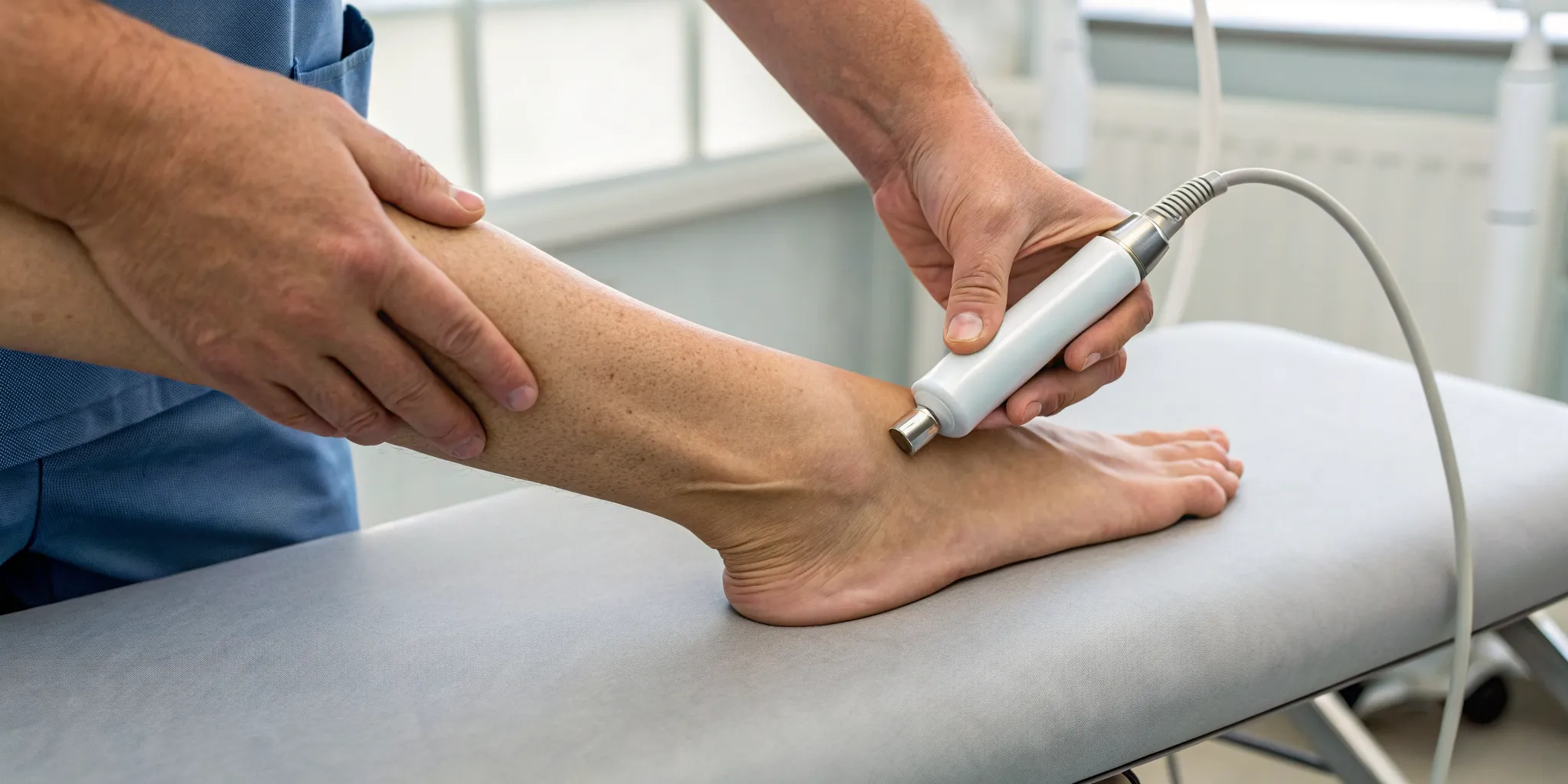
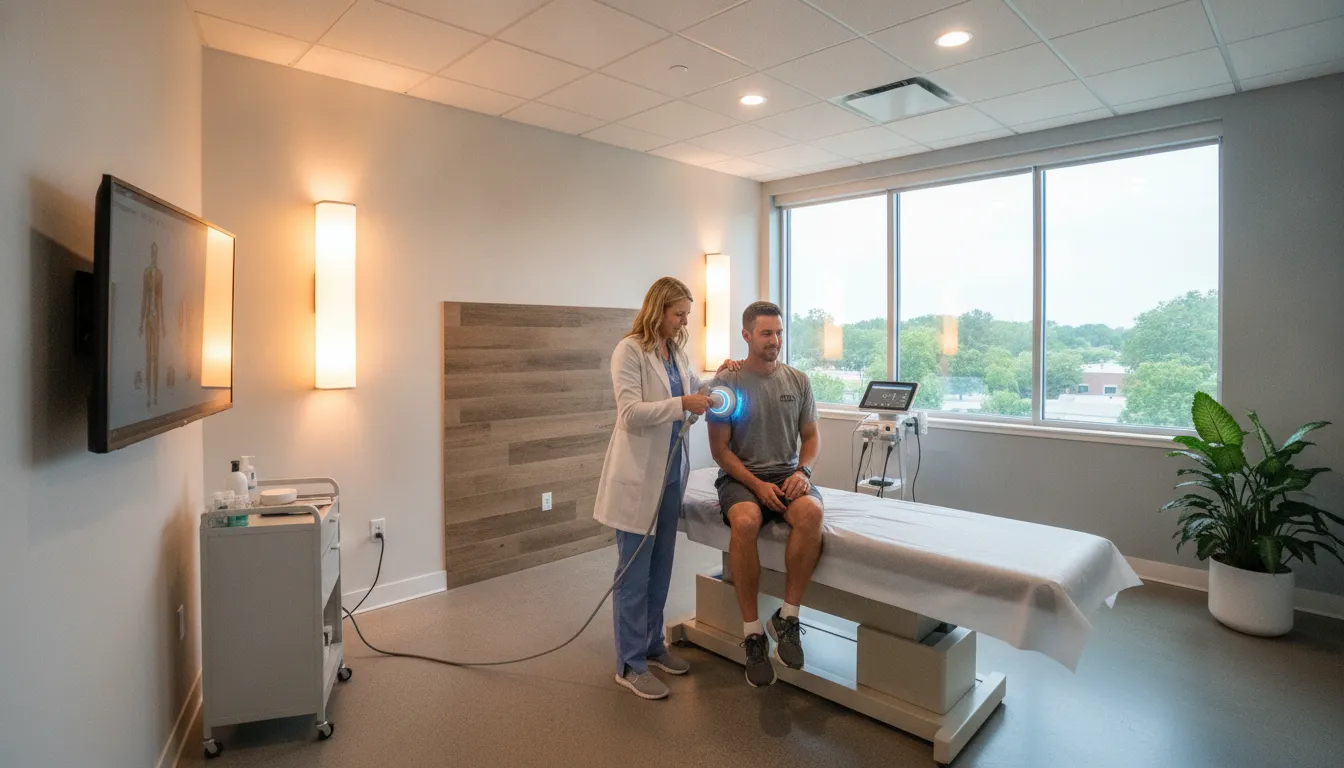
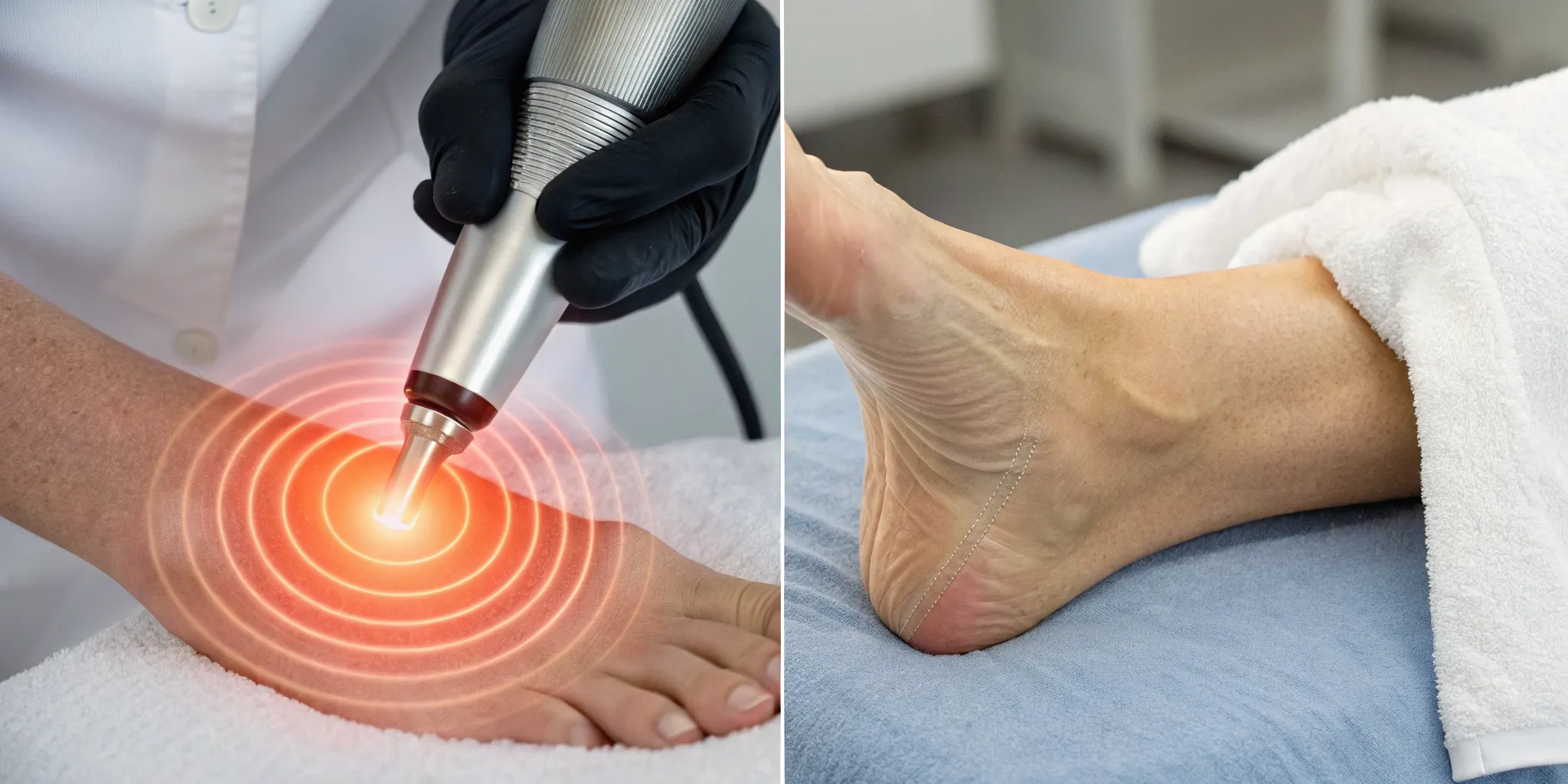
SoftWave uses acoustic pressure shockwaves to support musculoskeletal tissue regeneration. Ascend positions the FDA-cleared device within a structured plan rather than as a standalone treatment. That means a thoughtful cost conversation should include more than the session itself. It should consider the workup, treatment area, number of pulses, and clinical guidance involved. The next section explains how these factors influence pricing for Tampa patients.
Book a discovery-based consultation to discuss your care
What Drives SoftWave Therapy Cost for Tampa Patients?
SoftWave therapy cost reflects more than the time spent in a treatment room. The treatment area, energy delivery, and clinical plan all influence the investment, which is why a personalized assessment matters before discussing exact pricing.
For Tampa Bay patients researching treatment options, published market estimates commonly place a SoftWave or shockwave session around $150 to $300. A complete plan may range from approximately $900 to $2,400 when it includes six to twelve sessions. These figures provide general context, not a quote from Ascend Functional Health.
The treatment area and its complexity
A focused area may require a different approach from a larger or more complex region. The provider considers the location of the concern, the tissues involved, and how the issue affects movement or daily activities. Deeper or harder-to-reach areas can require more deliberate treatment planning.
That distinction matters because session pricing should not be treated like a commodity menu. Two patients may describe similar discomfort while having different contributing factors, treatment areas, and clinical needs. Their protocols may therefore differ even when the symptom sounds familiar.
The number of acoustic pulses delivered
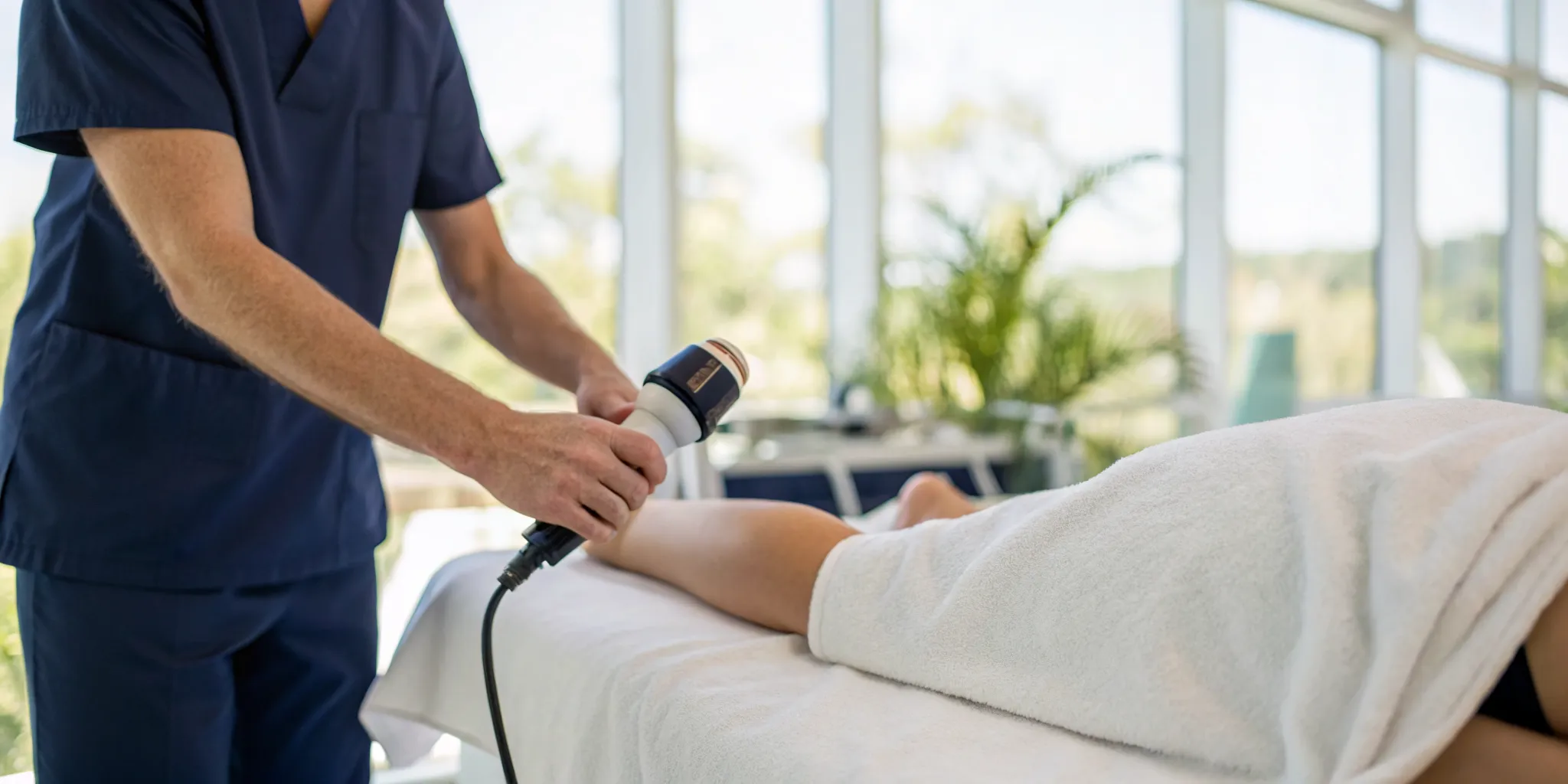
SoftWave therapy uses acoustic pressure waves to deliver energy to targeted musculoskeletal tissues. The number of pulses needed can affect the session structure and overall pricing. More involved areas may require greater energy delivery or additional attention during the appointment.
A meaningful cost discussion should explain what the protocol is designed to address, rather than presenting a pulse count without context. The goal is a clinically appropriate plan that matches the patient's assessment and measurable health goals.
The clinic's plan structure
Some practices present a per-session price. Others organize care into a defined series, such as six to twelve visits. The plan structure can affect the total investment, but the lowest-looking session figure does not necessarily represent the most useful care model.
At Ascend, SoftWave is positioned within a structured regenerative medicine approach, not as a standalone treatment disconnected from the patient's broader health picture. The practice distinguishes SoftWave as its gold-standard device rather than using the word shockwave to describe every device or protocol.
Why the assessment belongs in the cost conversation
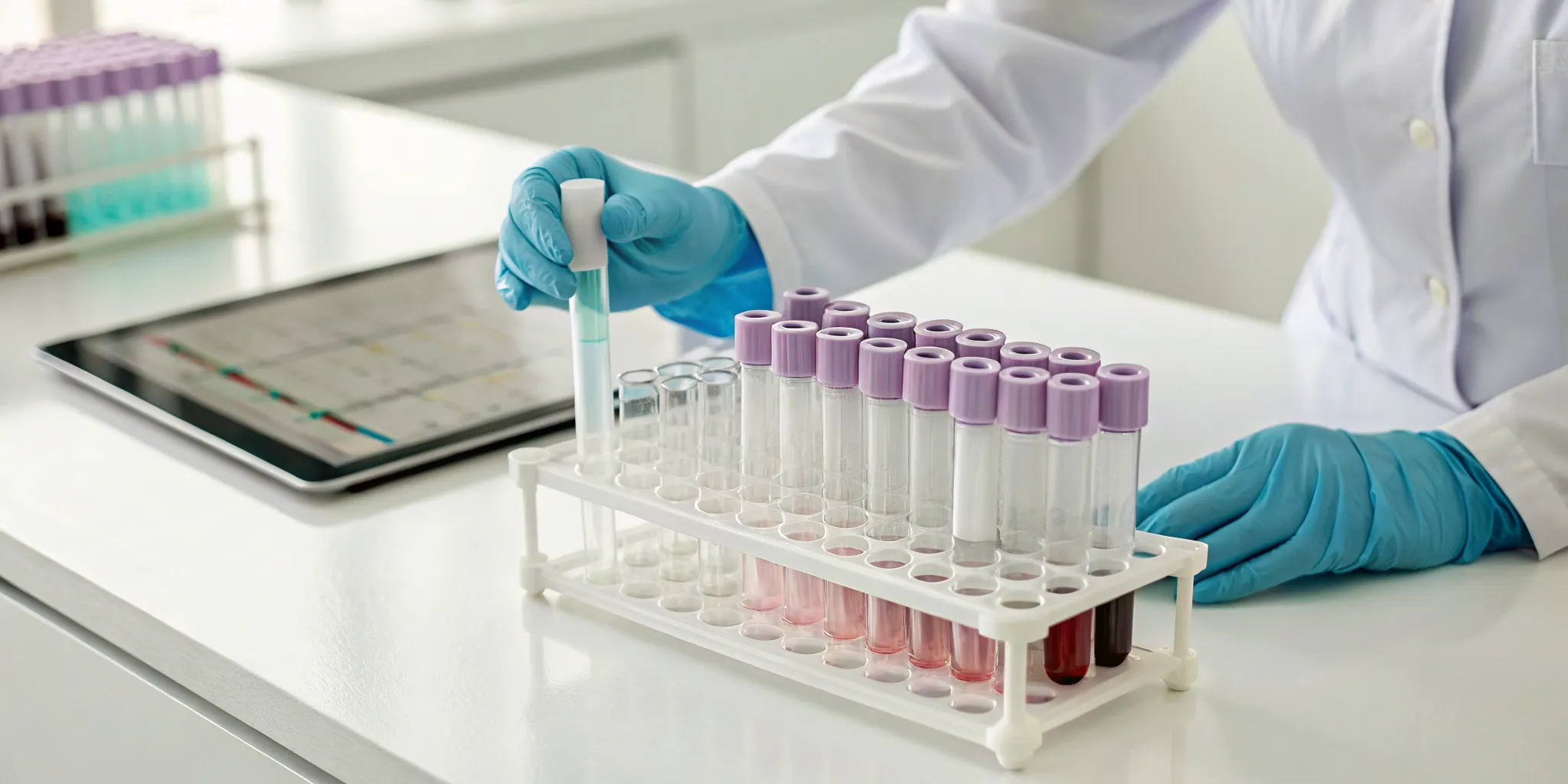
Ascend frames the investment around a patient-specific workup, diagnostic testing when appropriate, and a clinical protocol. This process helps determine whether SoftWave is the right tool for the concern and how it should fit into a broader plan.
That approach supports clearer expectations instead of choosing a fixed number of sessions based only on a general price range. After the discovery-based assessment, Tampa patients can discuss the area being treated, the likely treatment strategy, and the rationale behind the recommended plan. Exact pricing can then be addressed once the provider understands the patient's needs.
SoftWave vs Generic Shockwave: Why the Device Matters
SoftWave is not simply a label for any shockwave session. The device, energy delivery, clinical assessment, and treatment protocol all influence how regenerative care is planned and evaluated.
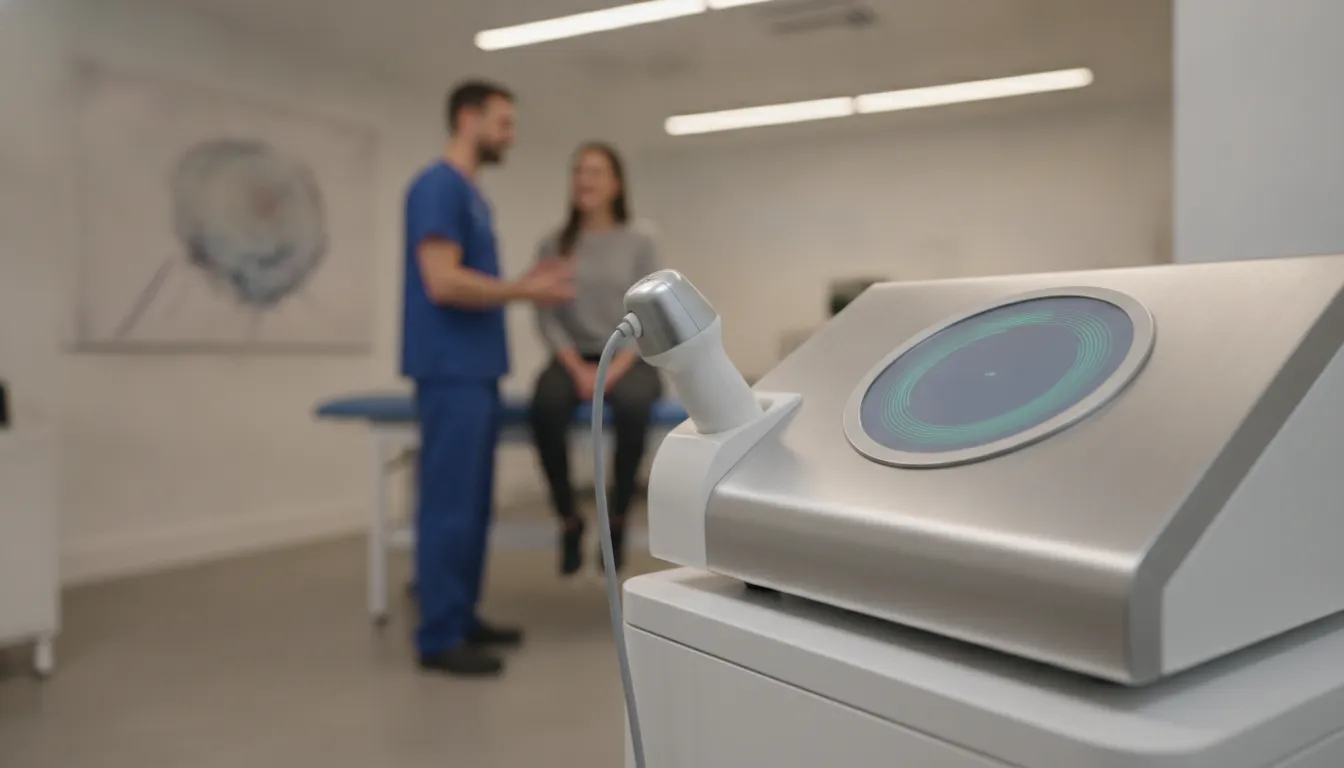
Ascend Functional Health positions SoftWave as its gold-standard Shockwave device. The SoftWave Gold Li is listed in the FDA's Global Unique Device Identification Database as an indicated device for providing acoustic pressure shockwaves in the treatment of chronic. Full-thickness diabetic foot ulcers. Review the FDA device listing for the documented indication.
| Consideration | SoftWave at Ascend | Generic shockwave option |
|---|---|---|
| Device type | SoftWave Gold Li, selected by Ascend as its gold-standard device. | Equipment and configuration can vary by clinic, manufacturer, and treatment setting. |
| FDA status | FDA-indicated for providing acoustic pressure shockwaves for a documented chronic wound indication. See the FDA device record. | FDA status depends on the specific device and its documented indications. The term "shockwave" alone does not identify a device's regulatory status. |
| Mechanism | Patented electrohydraulic acoustic waves are designed to deliver energy into deeper tissue, supporting cellular repair as part of a structured protocol. | Energy delivery, wave characteristics, penetration, and treatment settings may differ substantially between units. |
| Provider assessment | Ascend begins with patient-specific evaluation and uses SoftWave within a broader regenerative medicine plan. | Assessment depth and treatment planning depend on the individual provider and clinic model. |
| Outcome focus | Root-cause-informed care, measurable health goals, and tissue regeneration rather than a session-only service. | May focus primarily on delivering a treatment session, with clinical goals varying by practice. |
Acoustic pressure shockwaves carry energy to musculoskeletal tissue and may assist regeneration. That mechanism does not mean every machine or protocol delivers the same patient experience. Device quality and clinical judgment matter because treatment settings should reflect the area involved, the patient's history, and the intended outcome.
For a closer look at how SoftWave differs from traditional shockwave, compare the technology and treatment approach rather than relying on a generic service name. Ascend uses SoftWave as part of regenerative medicine, not as a standalone promise of immediate results. The practice's cash-pay model centers on an individualized assessment and care plan, not a commodity session or aesthetic treatment.
Because the device is only one part of the decision, the right question is not simply, "What is the softwave therapy cost?" Ask what technology is being used. How the provider will assess your condition, and how the proposed plan connects treatment to your health goals. You can explore SoftWave therapy at Ascend to understand the service before discussing whether it fits your needs.
What a Personalized SoftWave Treatment Plan Includes
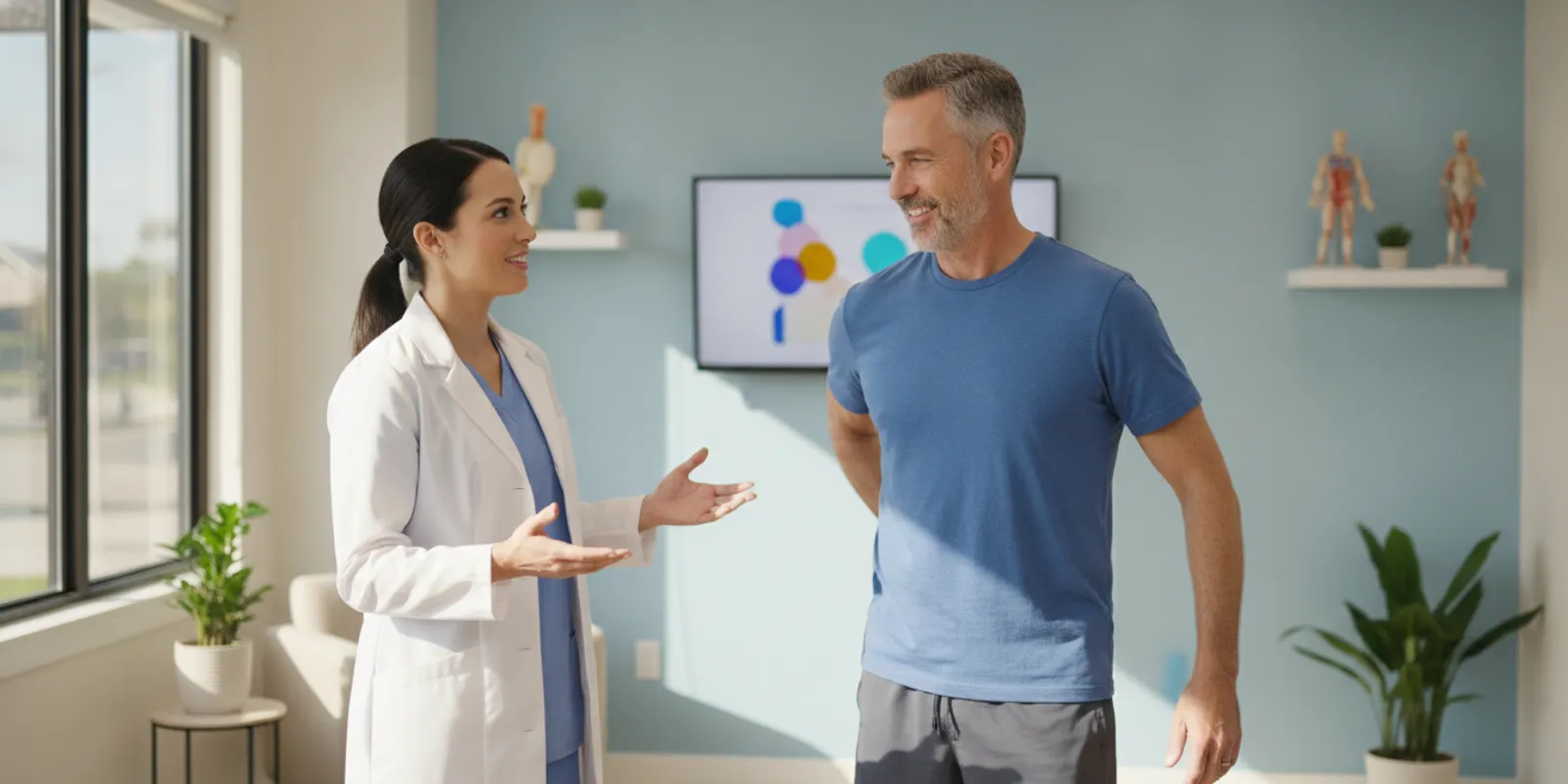
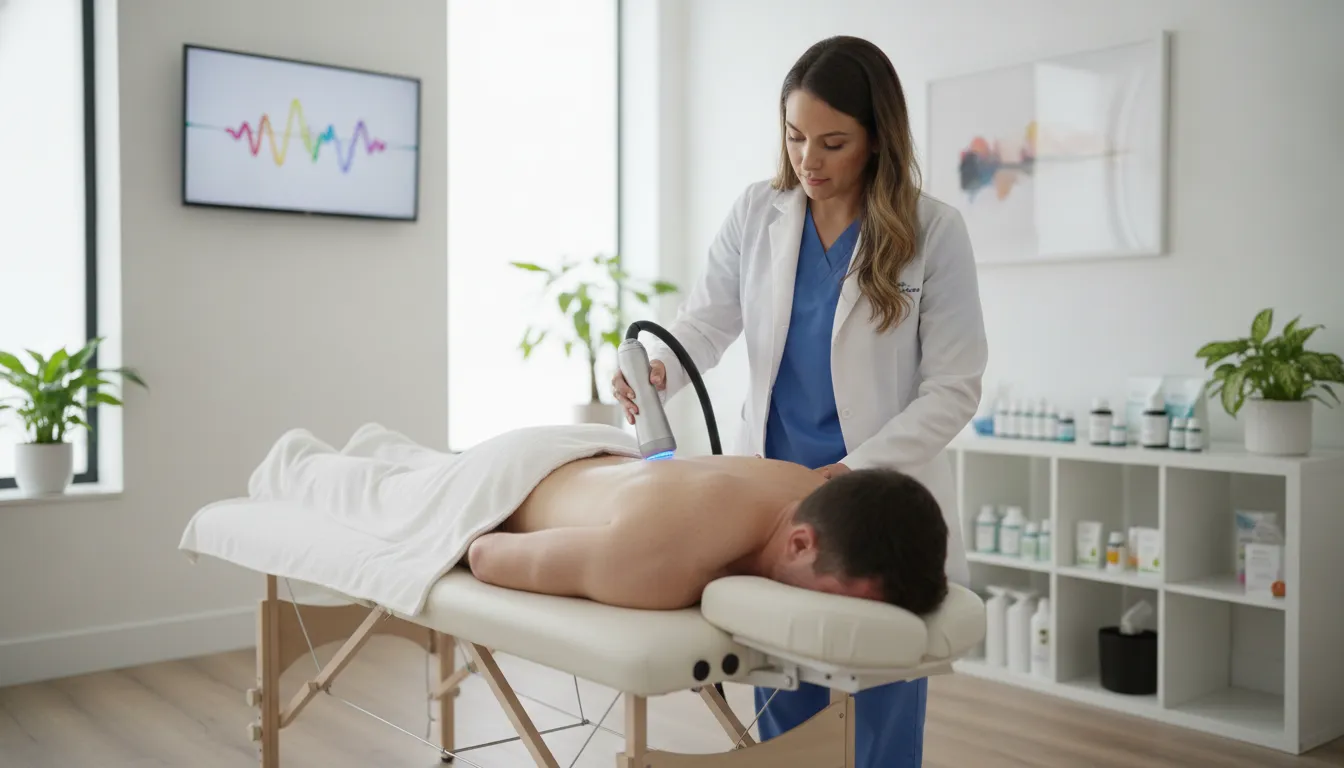
A personalized SoftWave plan begins with an assessment, not a price list. At Ascend Functional Health, the goal is to determine whether SoftWave is appropriate for your specific concern and how it fits within a broader regenerative medicine strategy.
Assessment and diagnostic workup come first
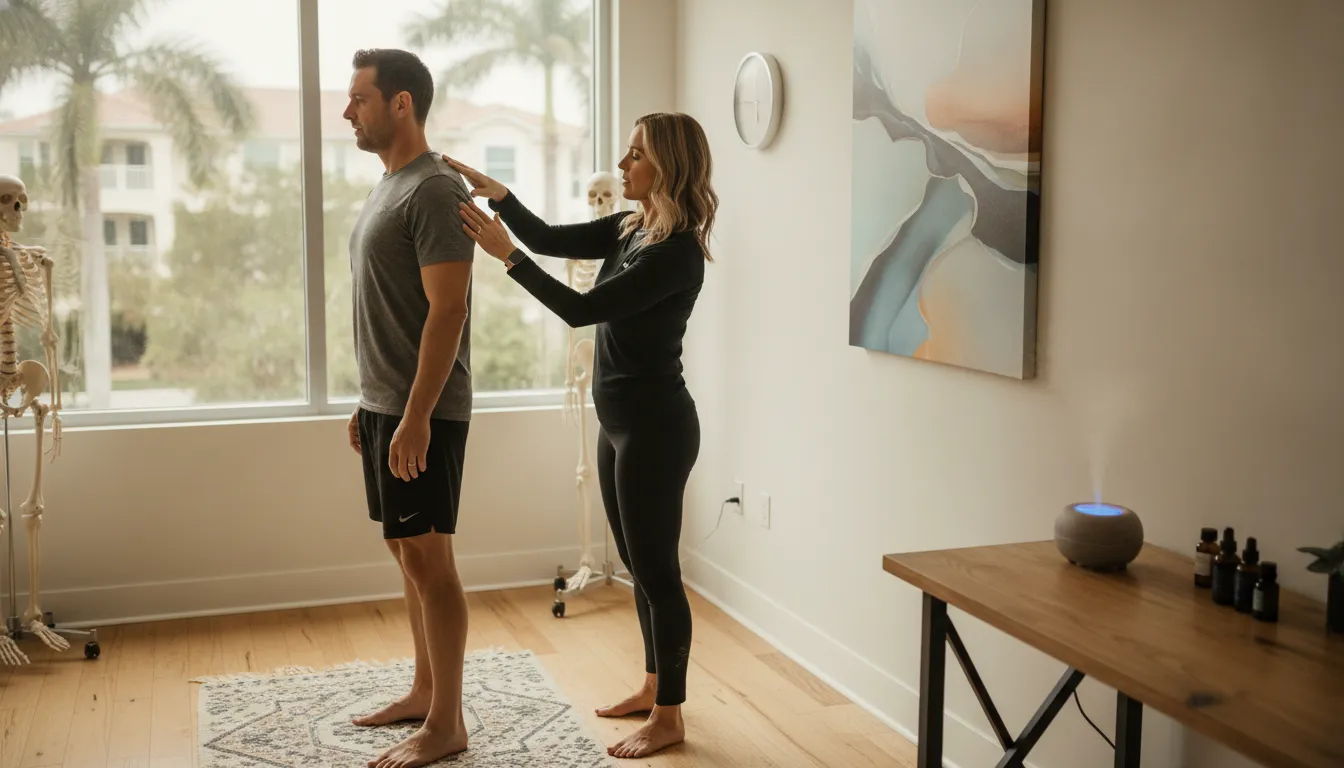
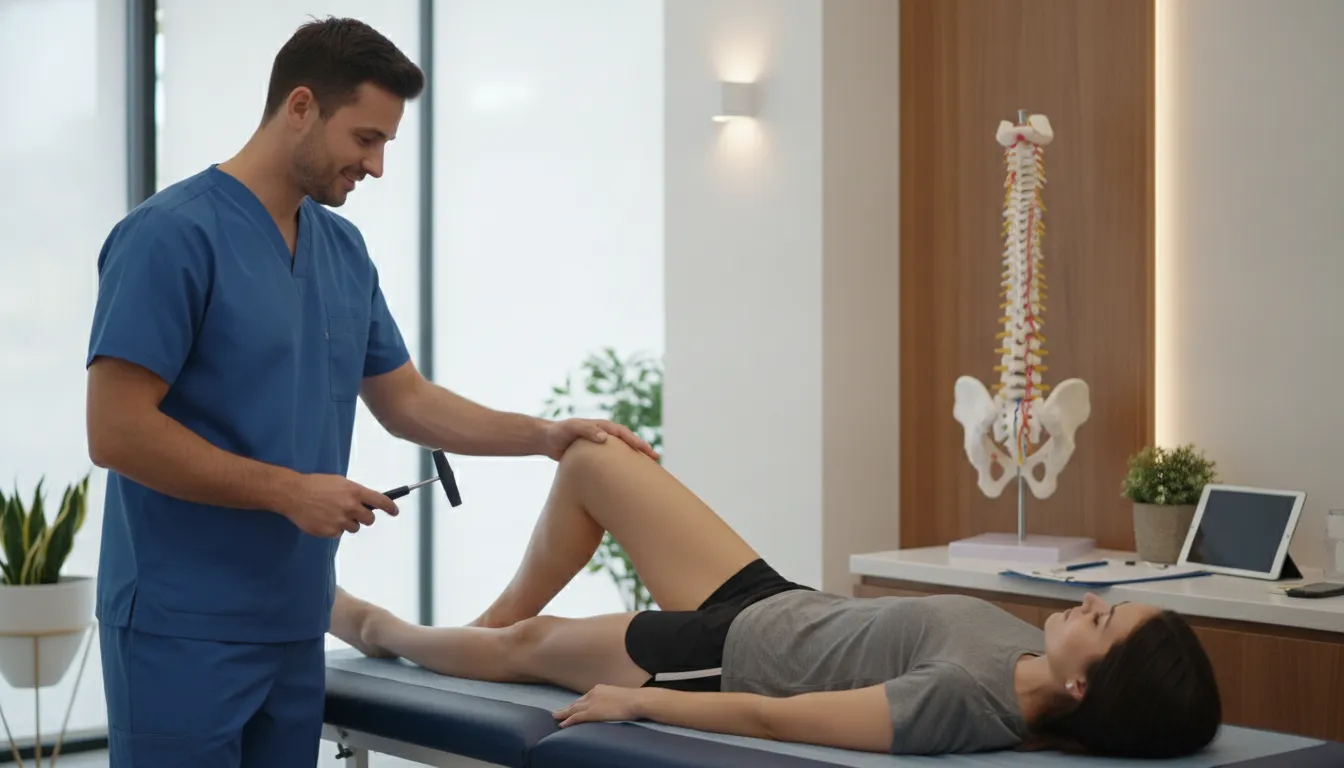
Your first step is a discovery-based evaluation of your symptoms, history, movement, and health goals. Depending on your needs, the clinical team may recommend diagnostic testing to better understand contributing factors. This workup helps identify root causes rather than focusing only on the location of discomfort.
That information guides the treatment decision. SoftWave may be a useful tool for one patient but not the right first step for another. A diagnostic protocol helps determine whether the device fits the issue being evaluated, what area should be addressed, and what outcomes should be monitored. It also gives you a clearer basis for discussing the overall investment before a protocol is defined.
This approach connects SoftWave with Ascend's broader care model. A patient may benefit from combining regenerative treatment with a functional medicine program when systemic factors, recovery, or other health concerns deserve attention. SoftWave is not presented as a standalone solution. It is one part of a structured plan shaped around your findings and priorities.
Your protocol is built around your findings
After the assessment, the team can explain the recommended treatment area, the intended goals, and the expected sequence of care. A standard SoftWave protocol is typically six to eight sessions, although the appropriate plan depends on the individual evaluation. The number of sessions should be discussed as part of the complete clinical program, rather than treated as a universal rule.
Session details can also vary. The treatment area, its complexity, and the number of pulses needed may influence how the plan is structured. These factors are why a personalized consultation should come before a final price or protocol. You should understand what is being recommended and why it matches your needs.
What a session may feel like
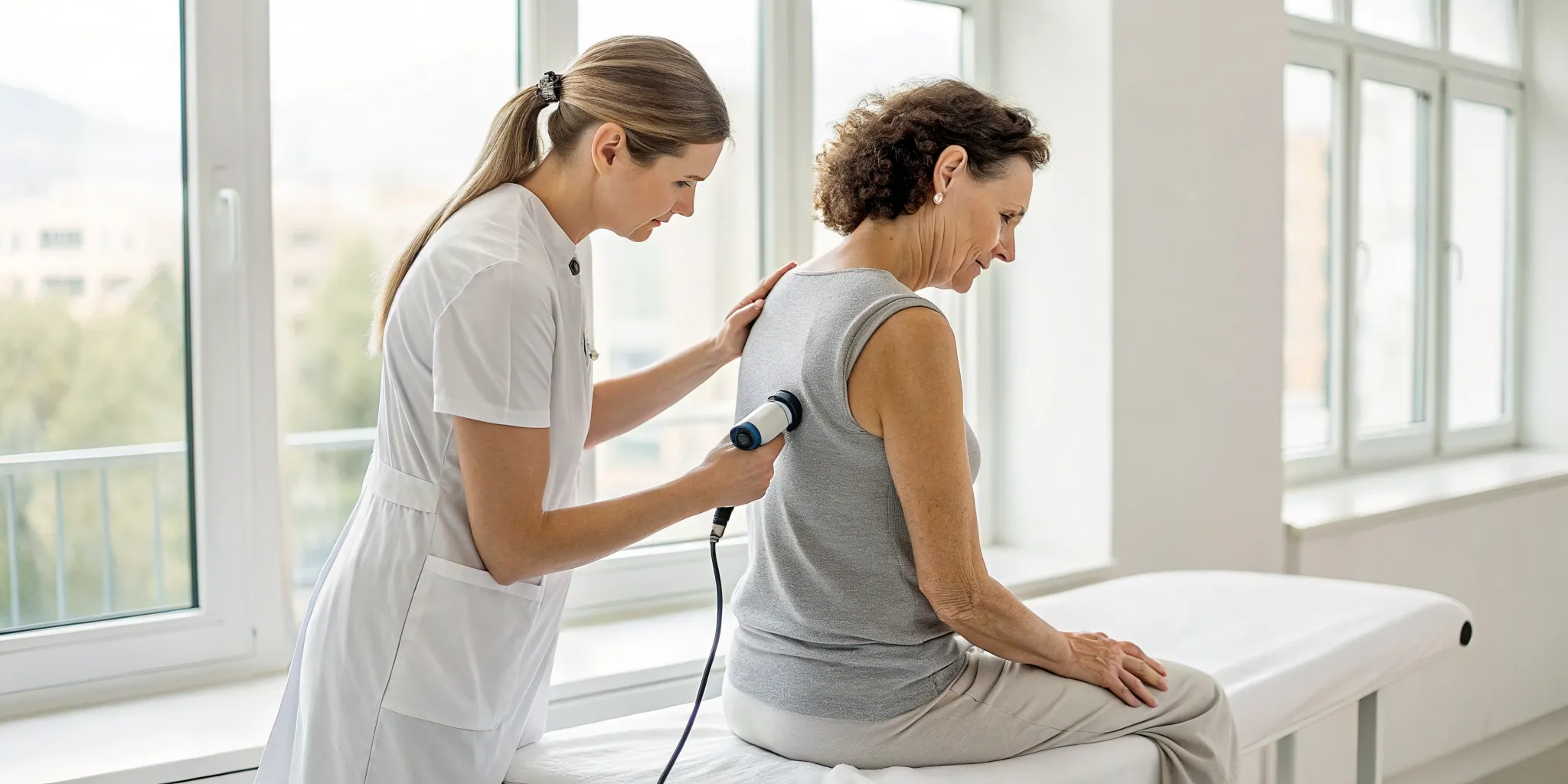
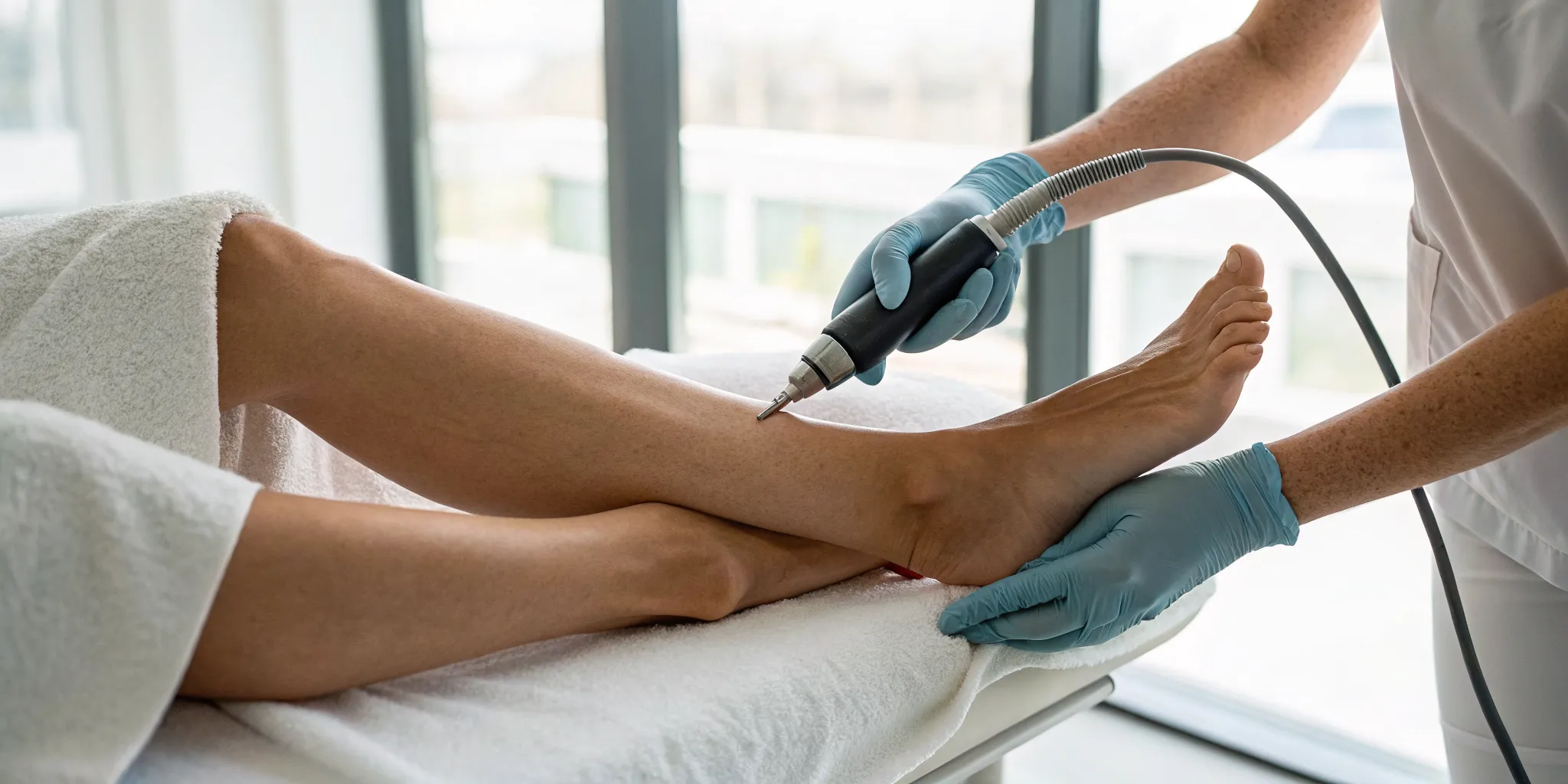
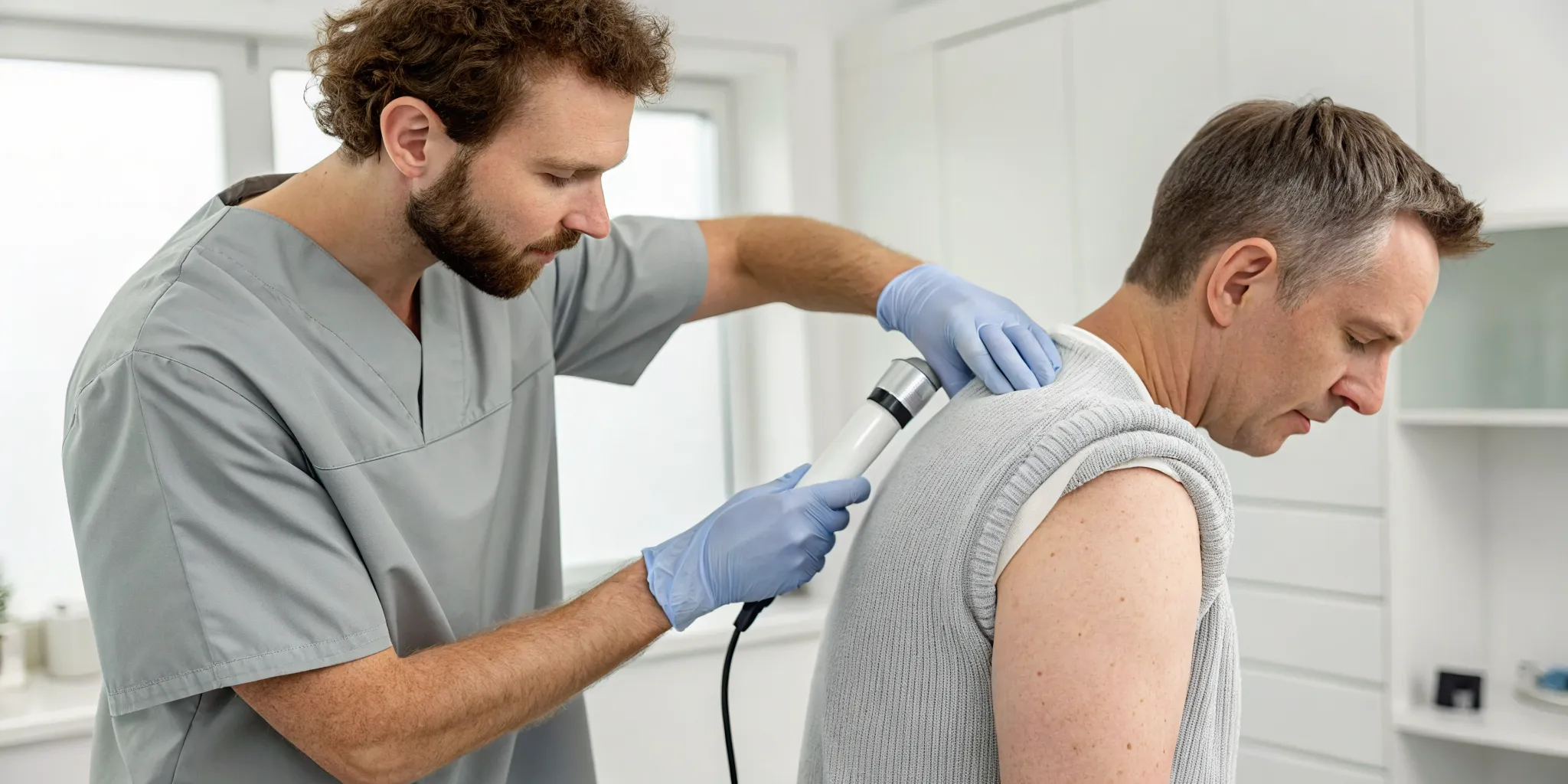
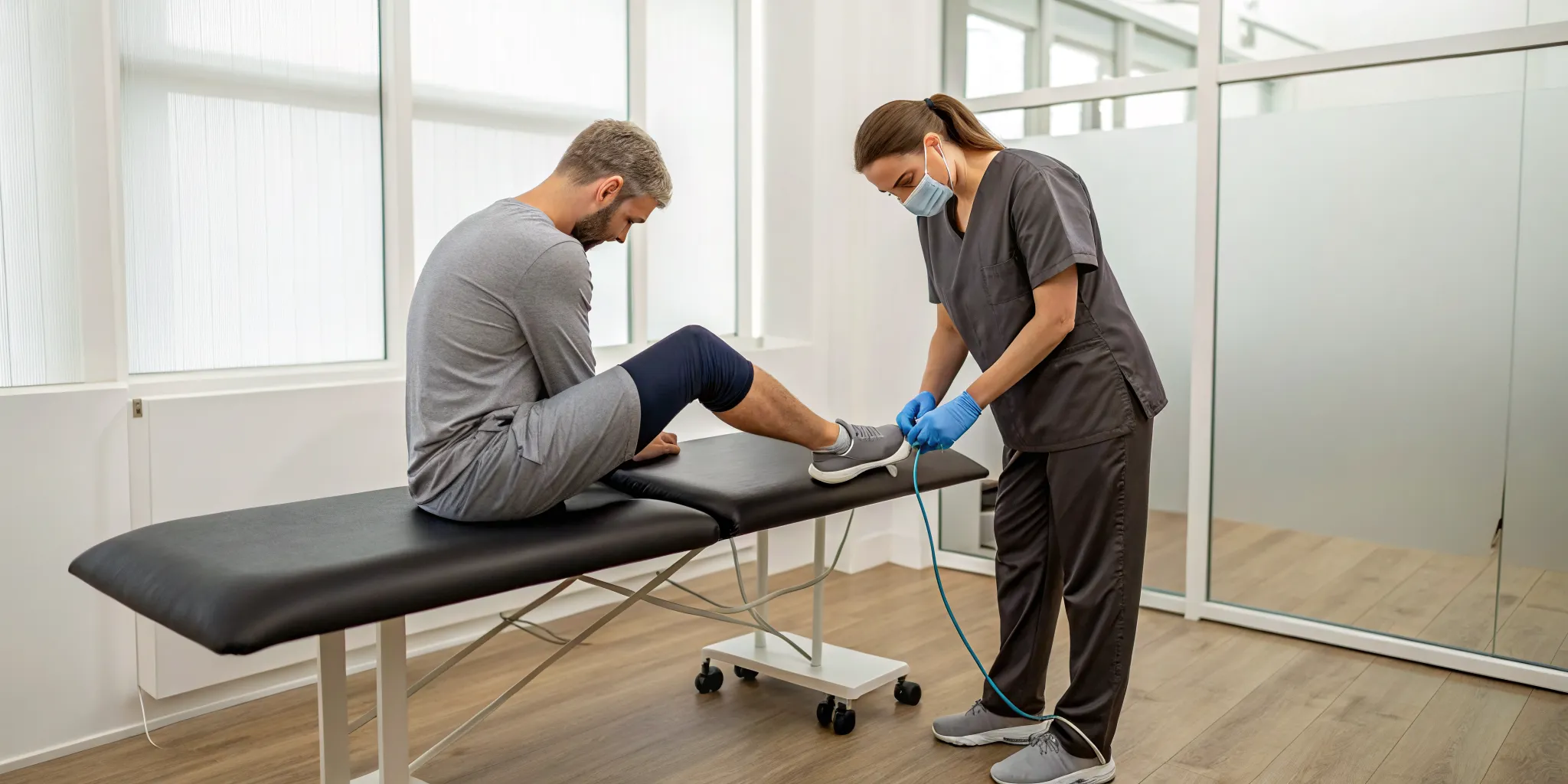
Most patients report only mild, manageable discomfort during a SoftWave session. Your experience can vary based on the area treated and its sensitivity. Some patients notice reduced pain and improved mobility within one to three sessions, but individual responses differ and no outcome can be guaranteed.
Progress is reviewed in partnership with you. Your feedback, mobility, comfort, and functional goals help shape the conversation about next steps. This patient-partnership model reflects Ascend's regenerative approach: provide an evidence-informed roadmap, monitor meaningful changes, and adjust care when appropriate.
SoftWave can also complement Ascend's physical medicine services when musculoskeletal care is part of the broader plan. The right treatment decision comes from the full assessment, not from choosing the lowest session count or a one-size-fits-all package.
How to Decide If SoftWave Therapy Is Worth the Investment
SoftWave therapy may be a worthwhile investment when it fits a clearly defined problem, measurable goals, and a broader regenerative care plan. The right decision depends on more than a session price. It depends on whether the approach addresses your needs and supports the outcomes you want to track.
Assess the root cause of the pain first
Start by identifying what may be driving the pain, rather than treating the painful area in isolation. A patient-specific evaluation helps determine whether the concern involves musculoskeletal tissue that may respond to acoustic pressure shockwaves. SoftWave uses acoustic pressure shockwaves to support the regeneration of musculoskeletal tissues, but it is not appropriate for every condition or every patient.
Ascend's approach places the assessment and any appropriate diagnostic testing before the treatment plan. That process can clarify whether SoftWave is a reasonable tool, what area should be addressed, and how it fits within a structured regenerative protocol.
Compare the investment with your available care options
Consider the full cost and burden of each option, not just the initial number attached to a SoftWave session. Many patients view the therapy as cost-effective when compared with the cumulative long-term expenses associated with prescription medications or ongoing chronic care. Your comparison may also include time away from work, repeated appointments, recovery demands, and the practical impact of persistent pain.
For certain orthopedic conditions, shockwave therapy may be considered as an alternative to expensive surgery that can carry meaningful risks. That does not make SoftWave a substitute for every surgical recommendation. It does make a careful clinical comparison worthwhile before committing to an invasive path.
Define measurable outcome goals
Decide what improvement would make the investment meaningful to you. Goals might include better tolerance for walking, improved range of motion, fewer activity limitations, or a more consistent exercise routine. A clear baseline gives you and your provider something specific to monitor instead of relying on a vague impression.
Discuss how progress will be evaluated and what would prompt a change in the plan. For additional context, review the clinical evidence behind SoftWave before your appointment.
Book a discovery-based consultation
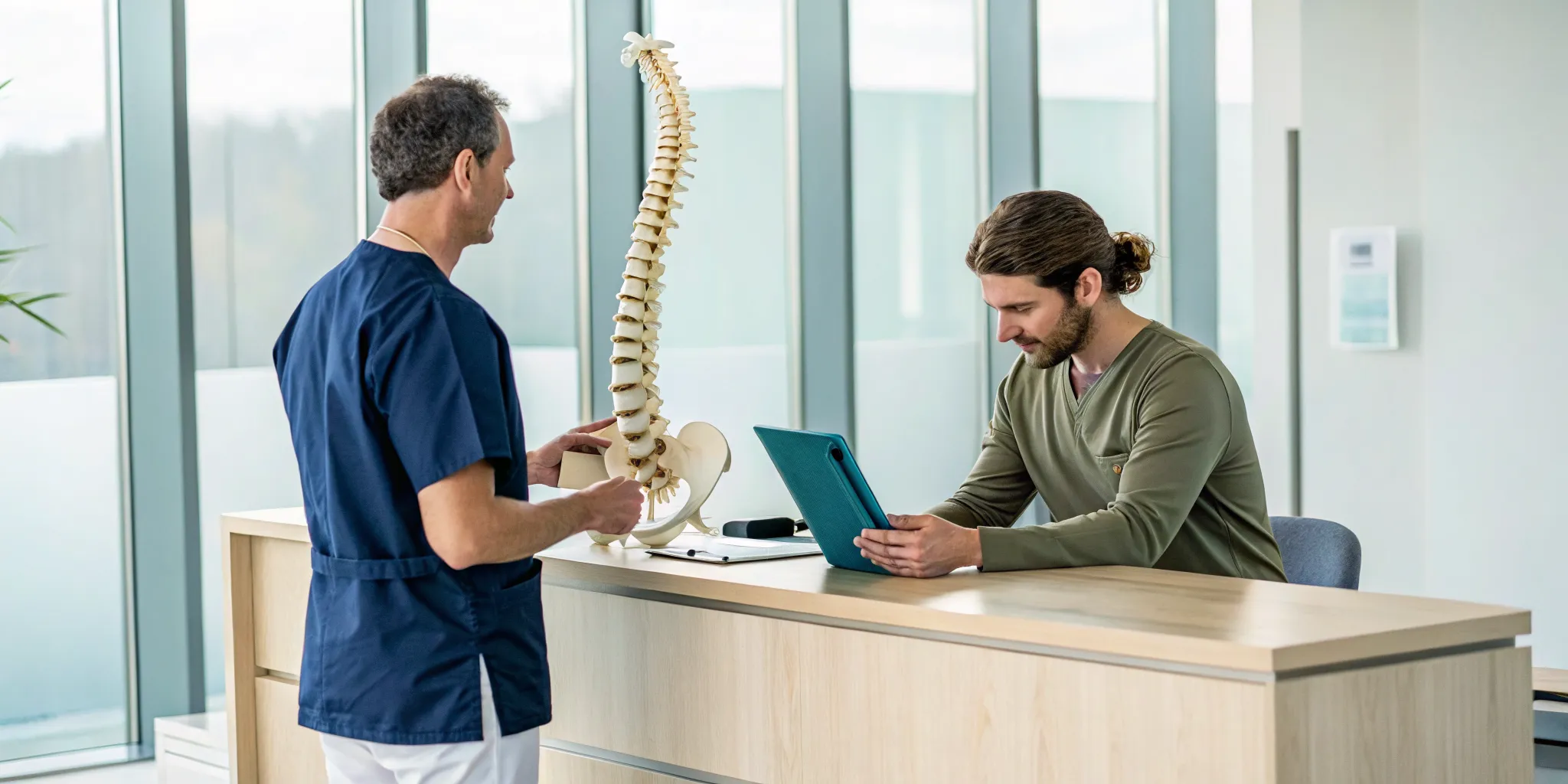
A discovery-based consultation gives you space to review the likely cause of the problem, the role of SoftWave, and the expected structure of care. Ascend positions SoftWave as its gold-standard device and uses it within a personalized regenerative medicine protocol, rather than as a standalone treatment. Ask which findings support the recommendation, what the plan includes, and how outcomes will be tracked.
That conversation can help you make an informed decision about whether the proposed investment aligns with your health priorities and available options. No responsible provider can promise a specific result, but a thorough plan can make the decision clearer.
Book your discovery-based consultation today
Frequently Asked Questions
How much does SoftWave therapy cost per session?
Published market examples commonly place SoftWave sessions around $150 to $300, depending on the area treated and the overall plan. Ascend provides an exact quote after reviewing your concerns, examination findings, and recommended protocol, rather than assigning the same price to every patient.
Can SoftWave therapy be billed through a health plan?
Ascend uses a cash-pay model and does not bill health plans for SoftWave therapy. The practice can explain the expected investment before treatment so you can decide whether the recommended plan fits your goals and budget.
How many SoftWave treatment sessions are typically needed?
The appropriate number varies by the condition, treatment area, and response to care. A series of three to six sessions is common in published treatment examples, while Ascend's SoftWave service page describes protocols that may involve six to eight sessions. Your clinician will recommend the schedule after assessment.
Why can SoftWave pricing vary so widely?
Pricing can change based on the complexity of the treatment area, the number of acoustic pulses delivered. And whether care is organized as an individual session or a broader clinic plan. A detailed assessment helps connect the cost to the work being performed.
Is SoftWave therapy worth the investment?
That depends on your diagnosis, goals, and available treatment options. The most useful comparison considers the value of a patient-specific workup and structured care alongside the potential long-term cost of managing an unresolved musculoskeletal concern. A consultation can help you evaluate whether SoftWave is appropriate.
Ready to Plan Your SoftWave Therapy Consultation?
A discovery-based consultation helps clarify whether SoftWave fits your goals and supports a personalized assessment and treatment plan.
Book your discovery-based consultation
Contact Ascend Functional Health to discuss your concerns, review appropriate next steps, and determine whether this approach aligns with your care plan.
This article is for educational and informational purposes only. It is not medical advice and is not a substitute for a professional evaluation or care plan. Please consult your own clinician before acting on anything you read here.