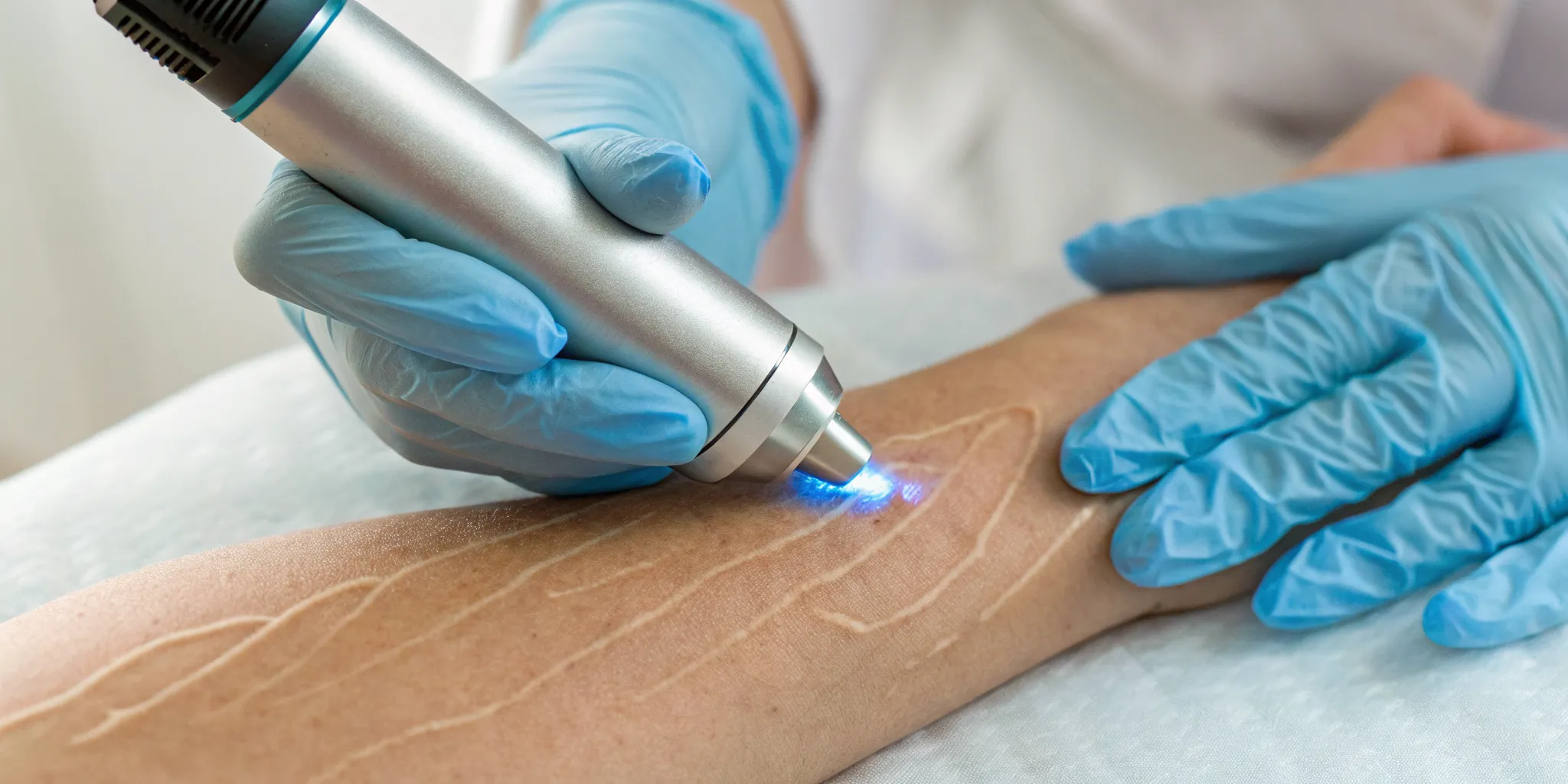
If you're dealing with jumper's knee, you know it’s a uniquely stubborn injury. The reason it lingers is often due to the tendon's poor blood supply and the degenerative changes that occur from repetitive strain. Simply resting doesn't fix the damaged tissue. To achieve true healing, you need to stimulate a repair process at the cellular level. This is the principle behind shockwave therapy for patellar tendonitis. By delivering targeted acoustic energy to the injured area, this non-invasive treatment kickstarts your body’s natural regenerative response. Here, we’ll break down the science, explain how it promotes tissue repair, and show how it fits into a comprehensive plan for overcoming chronic knee pain.
Key Takeaways
- It addresses the source of the problem: Shockwave therapy uses powerful acoustic waves to stimulate your body's own repair mechanisms. This process helps rebuild damaged tendon tissue, offering a solution that goes beyond temporarily masking pain.
- Lasting relief is a process: This therapy is not a one-time fix. A series of sessions is typically needed to give your body time to respond and rebuild tissue, leading to gradual but significant improvements in pain and mobility.
- A complete plan is key to success: Shockwave therapy is most effective when integrated into a personalized strategy. Combining it with corrective exercises and proper load management ensures you are addressing the root cause of your knee pain for a more resilient recovery.
Understanding Stubborn Patellar Tendonitis
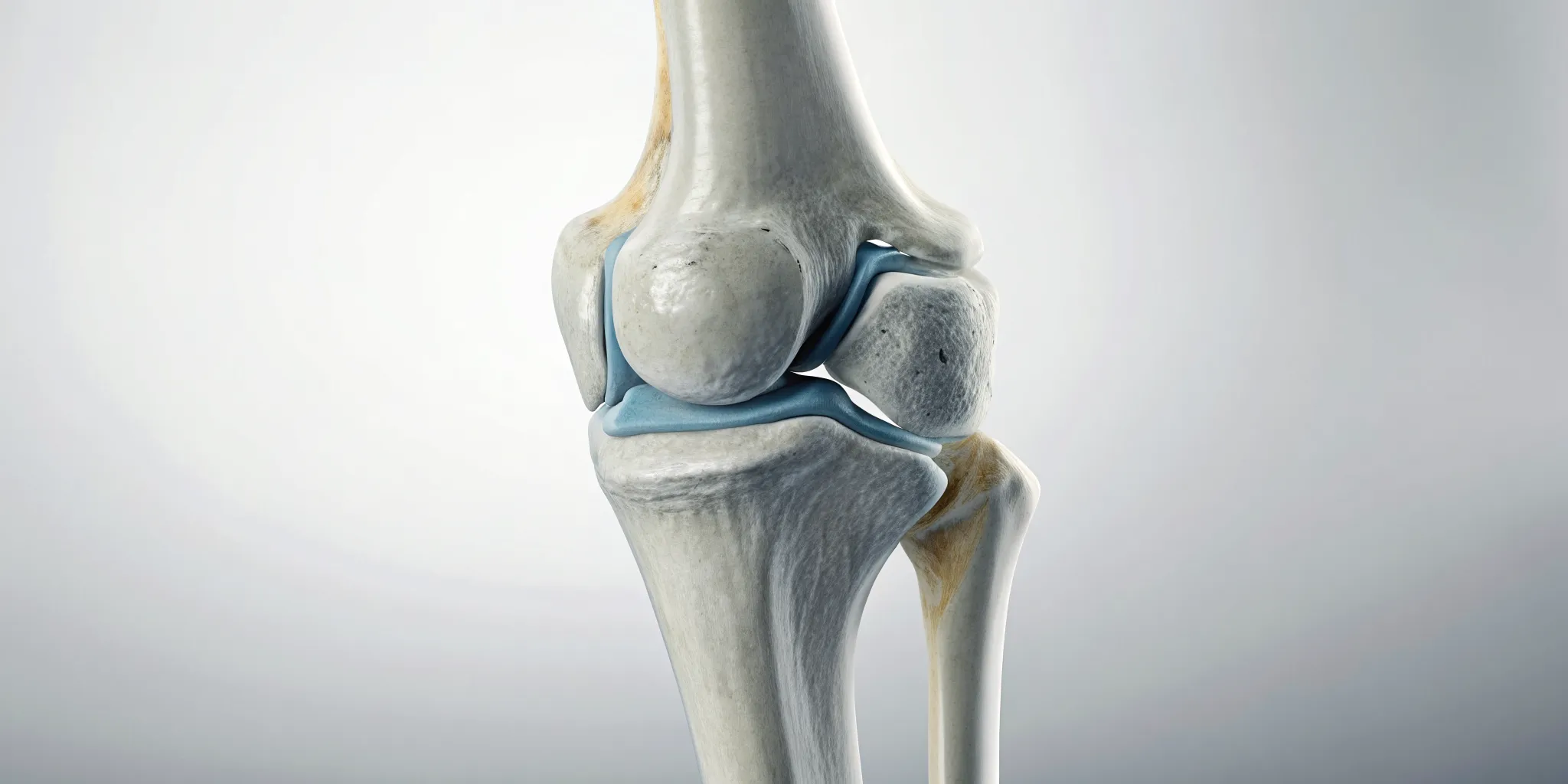
Patellar tendonitis, often called "jumper's knee," can feel like a frustrating cycle of pain and recovery that never quite sticks. It’s one of the most common conditions we treat in active people here in Tampa. This isn't just simple inflammation; it's a sign that the tendon connecting your kneecap to your shinbone is struggling with the demands you're placing on it. Over time, this repetitive strain can lead to tiny tears and degeneration within the tendon itself, making it weak and painful. Understanding what's happening beneath the surface is the first step toward finding a solution that actually works.
What Does Jumper’s Knee Feel Like?
If you play sports that involve a lot of jumping, like basketball or volleyball, you’ve likely heard of "jumper’s knee." The name fits because the pain typically shows up as a sharp, specific ache right below your kneecap, especially when you land from a jump, run, or even just walk up stairs. You might feel it when you first stand up after sitting for a while or notice a dull throb after a workout. For many, the pain starts as a minor annoyance but can progress to the point where it interferes with both athletic performance and daily activities. It’s a focused pain that lets you know something isn't right with that specific spot.
Why Is This Tendon So Slow to Heal?
The main reason this tendon is so stubborn is that it's caught in a difficult position. Tendons have a naturally limited blood supply compared to muscles, which slows down the delivery of nutrients and oxygen needed for repair. On top of that, patellar tendonitis is an overuse injury. The very activities that caused the problem are often the ones you love to do. While complete rest might seem logical, it can actually weaken the tendon further. The key is proper load management, which involves finding the right balance of stress to encourage healing without causing more damage. Factors like your body's unique structure and movement patterns also play a huge role, which is why a one-size-fits-all approach rarely succeeds. Our physical medicine services focus on addressing these root mechanical issues.
How Does Shockwave Therapy Work?
It might sound intense, but shockwave therapy is a non-invasive treatment that uses sound to kickstart your body’s healing process. Think of it as a way to communicate directly with the injured tissue, telling it to get back to work. The technology is designed to pinpoint the source of your pain and stimulate a powerful, natural response right where you need it most. This approach is a key part of our physical medicine services, focusing on helping your body heal itself from the inside out.
The Science of How Acoustic Waves Promote Healing
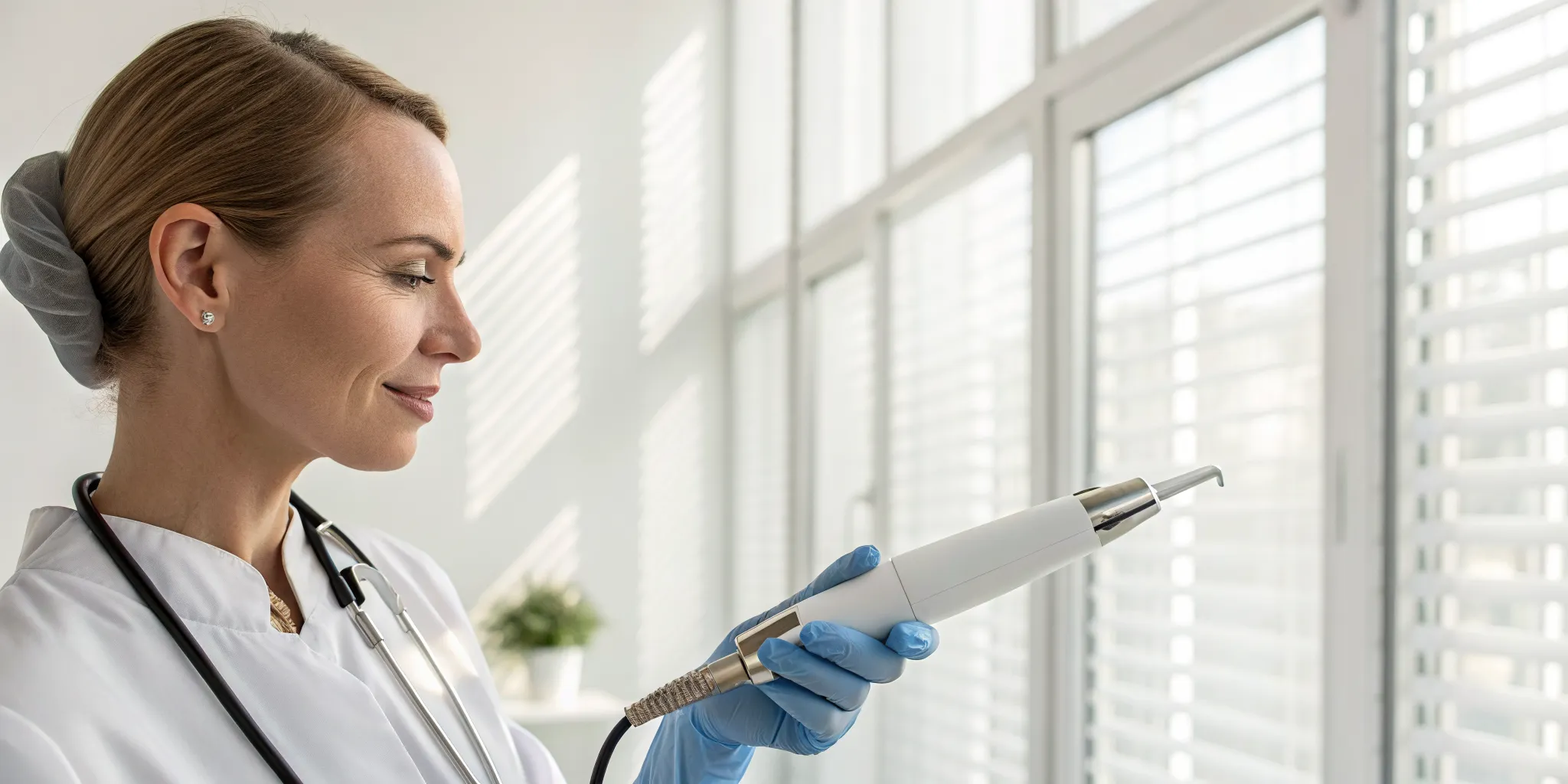
At its core, shockwave therapy uses a special device to send high-energy acoustic waves through your skin to the damaged patellar tendon. These are not electric shocks; they are powerful sound waves that create a controlled, therapeutic response in the tissue. This process effectively re-awakens your body's natural healing abilities. It stimulates increased blood flow and cell activity, which are essential for repairing the stubborn, disorganized fibers of a chronically injured tendon. By creating this healing response, we can help your body build new, healthy tissue and finally move past the injury.
Focused vs. Radial: What's the Difference?
You might hear about two different types of shockwave therapy: focused and radial. It is helpful to know the distinction. Radial shockwave therapy sends out pressure waves that spread over a wider, more superficial area, a bit like ripples on a pond. This is great for larger treatment zones. Focused shockwave therapy, on the other hand, delivers energy more precisely to a specific, deeper point within the tissue. The choice between them is not random; it depends entirely on your unique situation, including how deep the tendon damage is. A thorough assessment helps us determine which type will be most effective for your patellar tendonitis.
Targeting the Root of Tendon Damage
Temporary fixes for knee pain are frustrating because they never last. Shockwave therapy is different because it aims to address the root cause of your patellar tendonitis: the damaged and degenerated tendon tissue itself. Instead of just masking the pain, the acoustic waves stimulate critical cellular repair mechanisms. This encourages the formation of new blood vessels in the area, bringing much-needed oxygen and nutrients to the tendon. This process helps your body clear out damaged tissue and replace it with strong, healthy fibers. By focusing on true tissue regeneration, we move beyond symptom management and work toward lasting healing, a principle that is central to our functional medicine philosophy.
5 Ways Shockwave Therapy Can Help Your Knee
If you've been dealing with the stubborn pain of patellar tendonitis, you know how frustrating it can be when rest and basic treatments don't work. You want to get back to your life, but the pain holds you back. Shockwave therapy offers a different approach, one that works with your body to create lasting change. It’s a modern, non-invasive solution that can be a game-changer for chronic tendon pain. Let's look at five key ways this treatment can help you get moving again.
Heal Without Significant Downtime
One of the biggest concerns with any treatment is the recovery time. We have busy lives, and the thought of being sidelined for weeks or months is daunting. The great thing about shockwave therapy is that it’s a non-invasive procedure. This means there are no incisions and no lengthy post-procedure recovery. You can walk out of your appointment and get right back to your day. This makes it an incredibly practical option for anyone who can't afford to put their life on pause. Instead of planning for downtime, you can plan on continuing your journey toward healing without major interruptions.
Find Meaningful Pain Relief
When you're in pain, what you want most is relief. Patellar tendonitis can create a persistent ache that makes everything from walking up stairs to simply sitting uncomfortable. Shockwave therapy has been shown to have a significant impact on reducing the pain tied to tendinopathy. The acoustic waves help to break down scar tissue and stimulate metabolic activity in the area, which can quiet down pain signals. This isn't about masking the pain; it's about addressing the underlying issues causing it. Many of our patients at Ascend Functional Health report a noticeable reduction in pain, allowing them to feel more comfortable and in control of their bodies.
Regain Your Knee's Strength and Mobility
Pain doesn't just hurt; it limits you. Jumper's knee can make you feel like you've lost strength and stability, causing you to second-guess movements you used to take for granted. Shockwave therapy is an effective way to help you regain function, especially for those who feel like they've already tried everything else without success. By promoting blood flow and stimulating the formation of new tissue, this treatment helps your tendon heal stronger. Our goal with physical medicine is to get you back to moving with confidence. Restoring your knee's mobility is a key step toward returning to the activities you love, whether that's playing a sport or just playing with your kids.
Address the Problem, Not Just the Symptoms
Temporary fixes are frustrating. They give you a glimmer of hope, only for the pain to return. Our philosophy is to get to the bottom of what's really going on. Shockwave therapy fits perfectly with this approach because it targets the source of the problem. The device sends acoustic waves deep into the tissue to kickstart your body’s own healing and regeneration processes. It’s not a band-aid. It’s a way to prompt true tissue repair right at the site of the injury. By focusing on the root cause, we can create a path to long-term healing, which is a core principle of functional medicine.
A Powerful Part of a Holistic Plan
Shockwave therapy is an incredible tool, but it's even more effective when it's part of a comprehensive plan. We know that the best results often come from combining treatments. For patellar tendonitis, this might mean pairing shockwave therapy with a personalized corrective exercise program, specific nutritional support, or other regenerative techniques. Your body is a complex system, and your healing plan should reflect that. We look at the whole picture to create a strategy tailored specifically to you. This integrated approach ensures we're supporting your body from every angle, giving you the best possible chance for a full recovery. If you're ready for a personalized plan, we encourage you to contact us for a consultation.
Does Shockwave Therapy Actually Work for Jumper's Knee?
When you're dealing with persistent knee pain, you want to know one thing: will this treatment actually help? It’s a fair question, and when it comes to shockwave therapy for jumper's knee, the answer isn't a simple yes or no. The effectiveness often depends on the individual, the severity of the injury, and how the therapy is integrated into a larger recovery plan. Let's look at what the studies show and how this treatment stacks up against other options so you can make an informed decision.
What the Research Says
If you dig into the scientific literature, you’ll find a mixed bag of results, which can be confusing. Some large-scale analyses have concluded that shockwave therapy, when used by itself, may have limited benefits for short-term pain or function. This is an important piece of the puzzle because it tells us that shockwave therapy isn't always a standalone, quick fix. True healing often requires a more comprehensive approach. At Ascend, we see it as one powerful tool within our Physical Medicine toolkit, not the entire solution. This context is key to understanding its potential role in your recovery.
How It Compares to Other Treatments
This is where the conversation gets more interesting. While some studies question its standalone effectiveness, other research highlights shockwave therapy as a safe and valuable option, especially when other conservative treatments haven't provided relief. For individuals with chronic patellar tendinopathy, it can be a significant step in avoiding more invasive procedures. In fact, some findings suggest it can be as effective as surgery without the associated risks and lengthy downtime. This makes it a compelling choice for many of the stubborn conditions we treat. The goal is to use it strategically as part of a personalized plan that gets you back to feeling your best.
Common Myths About Shockwave Therapy
When you’re exploring new ways to address stubborn pain like patellar tendonitis, it’s easy to run into conflicting information. Shockwave therapy, in particular, is surrounded by a lot of questions and a few persistent myths. You might have heard things that make you hesitant, and that’s completely understandable. Getting clear, accurate information is the first step toward making a decision that feels right for you and your health goals.
Let's walk through some of the most common misconceptions about shockwave therapy. Our goal at Ascend is to empower you with knowledge, helping you understand the treatments that can get to the root cause of your discomfort. By separating fact from fiction, you can see if this innovative approach is a good fit for your healing journey and the other conditions we treat.
Myth: "It's too painful."
The word "shockwave" can sound intense, but the treatment itself is not designed to be a painful experience. Shockwave therapy is a non-invasive procedure, which means there are no incisions or needles involved. Most people describe the sensation as a series of strong pulses or deep tapping against the skin. While you might feel some discomfort, especially over a sensitive area, the intensity is adjusted to your tolerance level. The entire process is quick, and any tenderness you feel at the treatment site typically fades within a day or two. It’s a world away from the recovery of more invasive procedures.
Myth: "It's only for professional athletes."
While it’s true that many elite athletes use shockwave therapy to recover from injuries and get back in the game, its benefits are available to everyone. This treatment is for anyone dealing with chronic soft tissue injuries, whether you’re a weekend warrior, a busy parent, or someone whose job involves repetitive strain. Patellar tendonitis, or "jumper's knee," affects people from all walks of life. At our Tampa clinic, we use physical medicine to help all kinds of people find lasting relief and get back to the activities they love, not just the pros.
Myth: "One session is all you need."
True healing takes time, and shockwave therapy is part of a process, not an overnight cure. While some people report feeling better after just one session, the therapy works by stimulating your body's own repair mechanisms, which don't happen instantly. A typical treatment plan involves a series of sessions, usually spaced about a week apart, to achieve lasting results. This approach allows the tissue to respond and rebuild between appointments. Thinking of it as a course of treatment, rather than a single event, is key to understanding how it helps you achieve long-term recovery.
Myth: "It's the same as ultrasound."
This is a common point of confusion, but shockwave therapy and therapeutic ultrasound are two very different treatments. While both use sound waves, they differ greatly in their energy and purpose. Therapeutic ultrasound uses high-frequency, low-energy waves to create a gentle heating effect in the tissue. In contrast, shockwave therapy uses higher-energy acoustic waves delivered in short, intense pulses. These waves create a controlled micro-trauma that stimulates blood flow, breaks down scar tissue, and triggers your body’s natural healing factors. It’s a much more active and targeted approach to promoting tissue regeneration.
Your First Shockwave Session: What to Expect
Walking into your first appointment for a new treatment can bring up some questions, and that’s completely normal. Knowing what the process looks like can help you feel confident and prepared. Shockwave therapy is a straightforward, non-invasive procedure designed to work with your body’s natural healing abilities. We want you to feel comfortable and informed, so let's go over what you can anticipate during your visit and in the weeks that follow as your body begins to repair the damaged tissue in your knee.
A Step-by-Step Look at Your Appointment
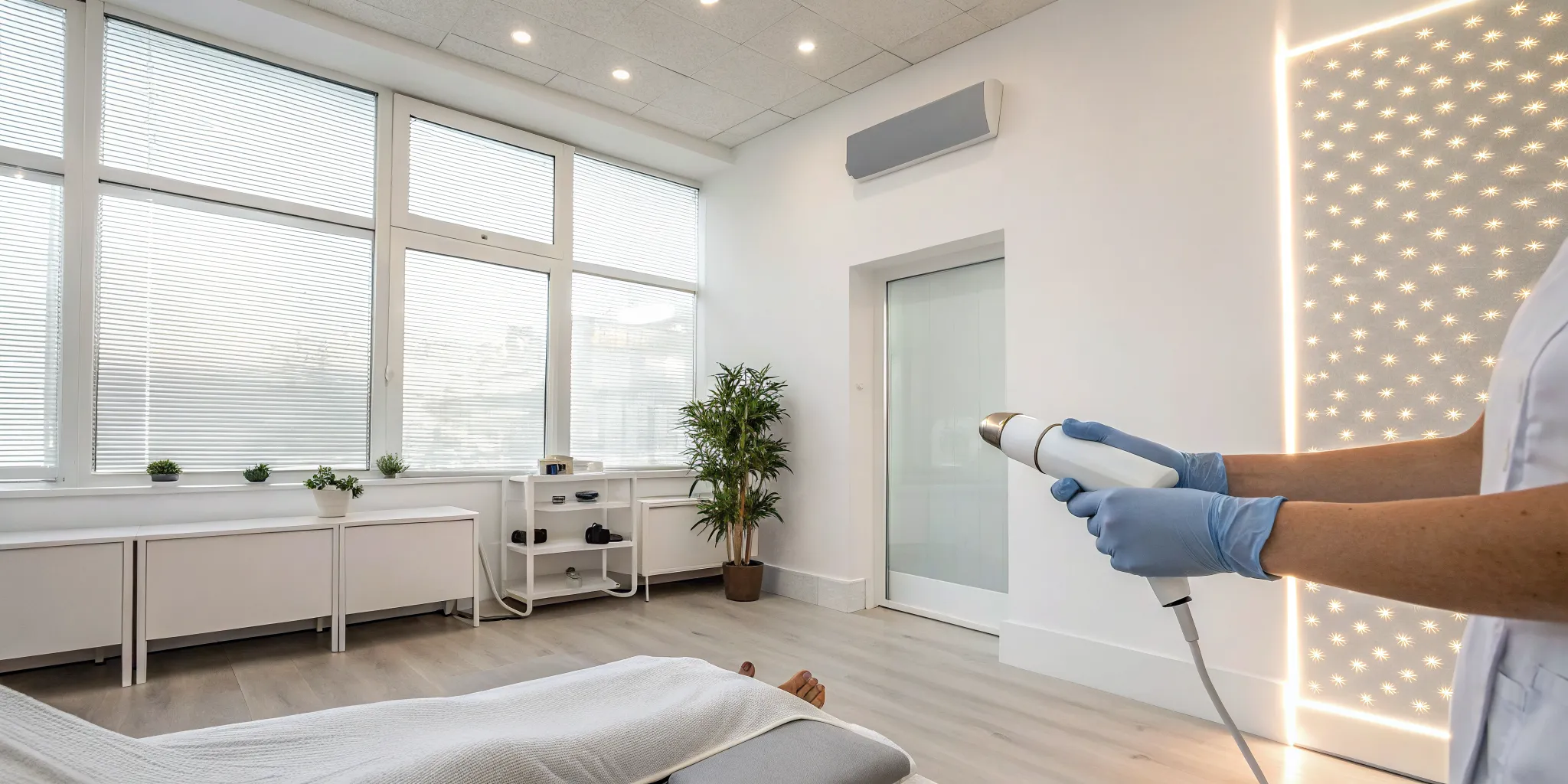
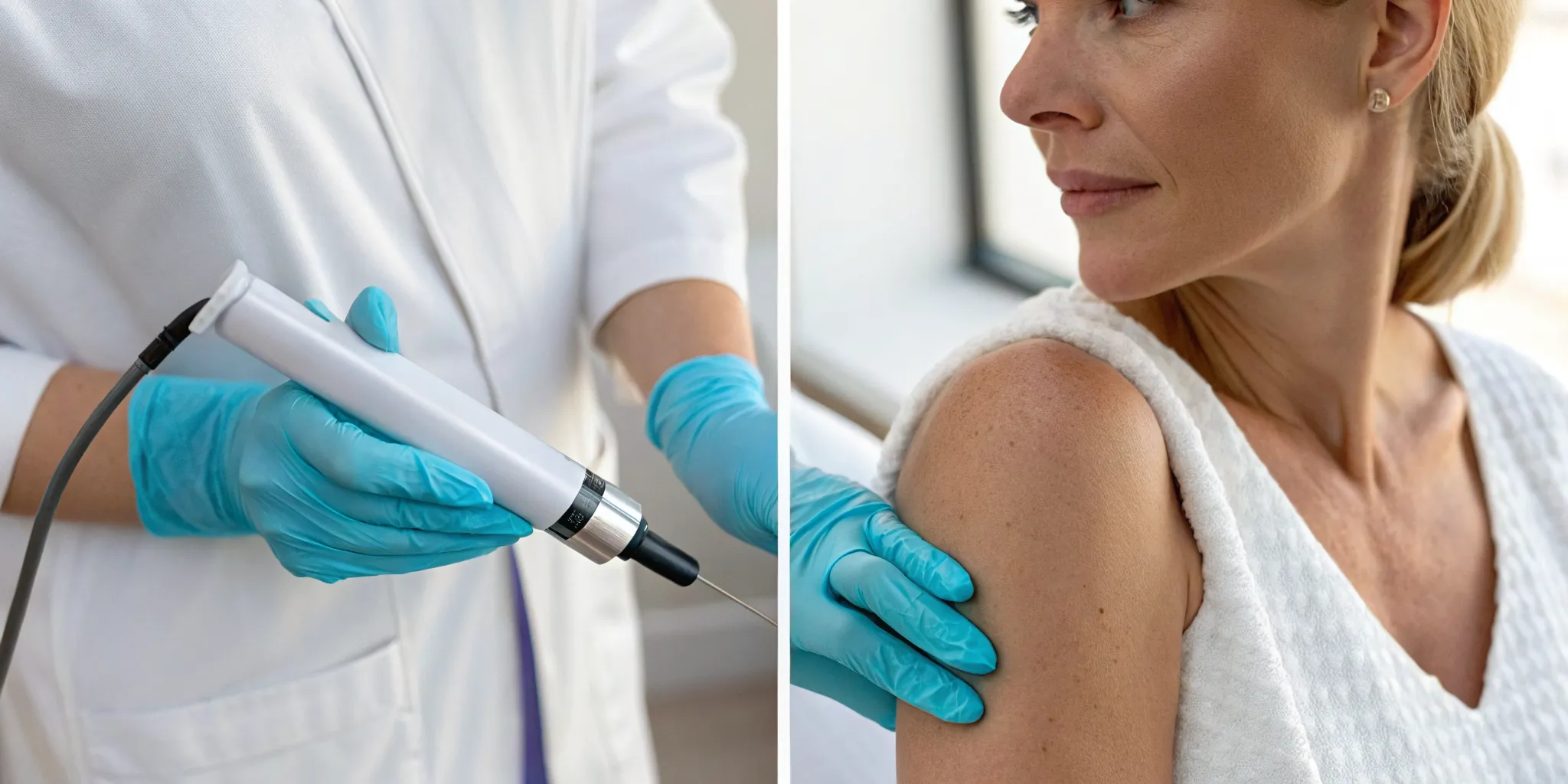
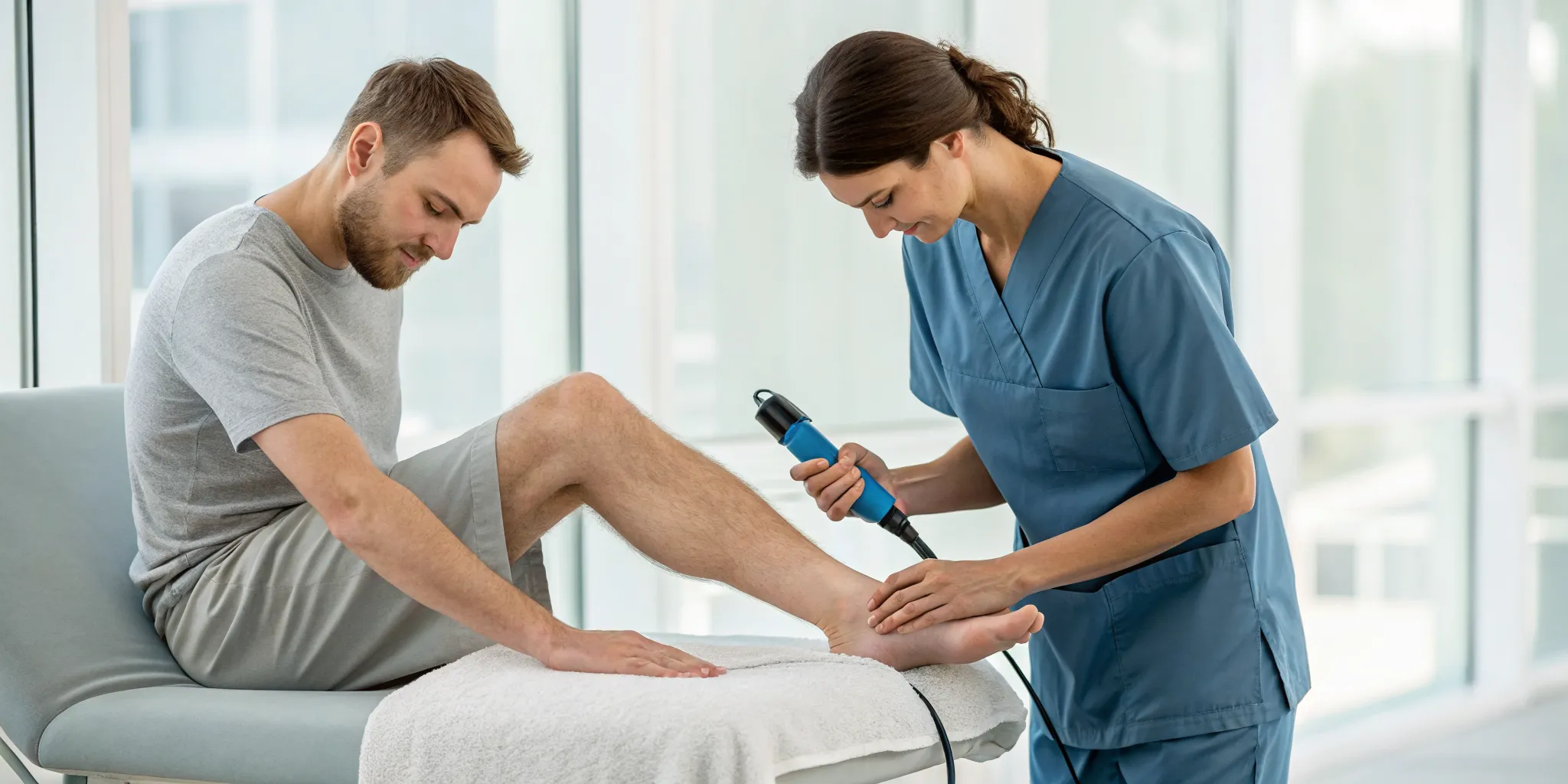
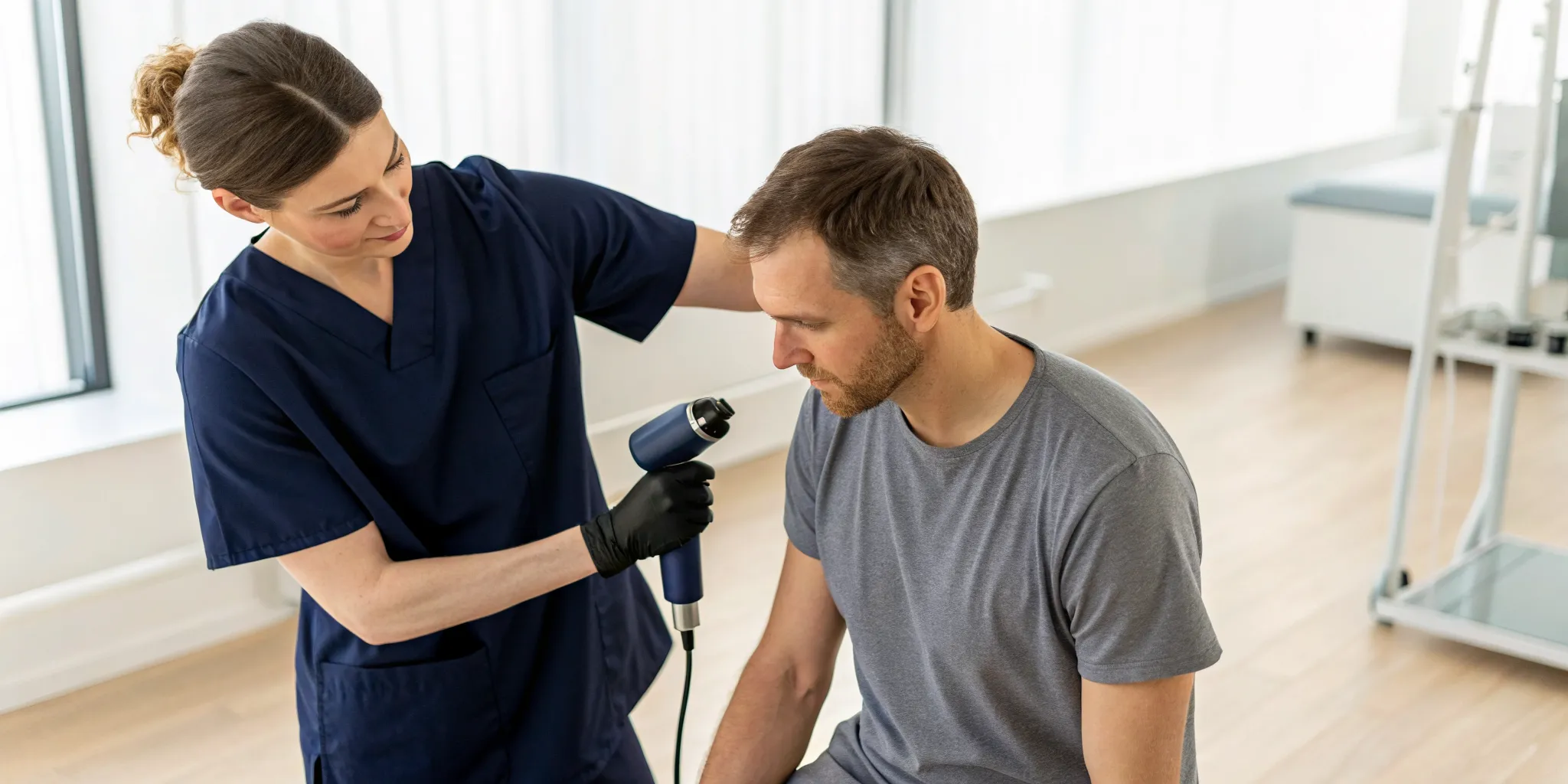
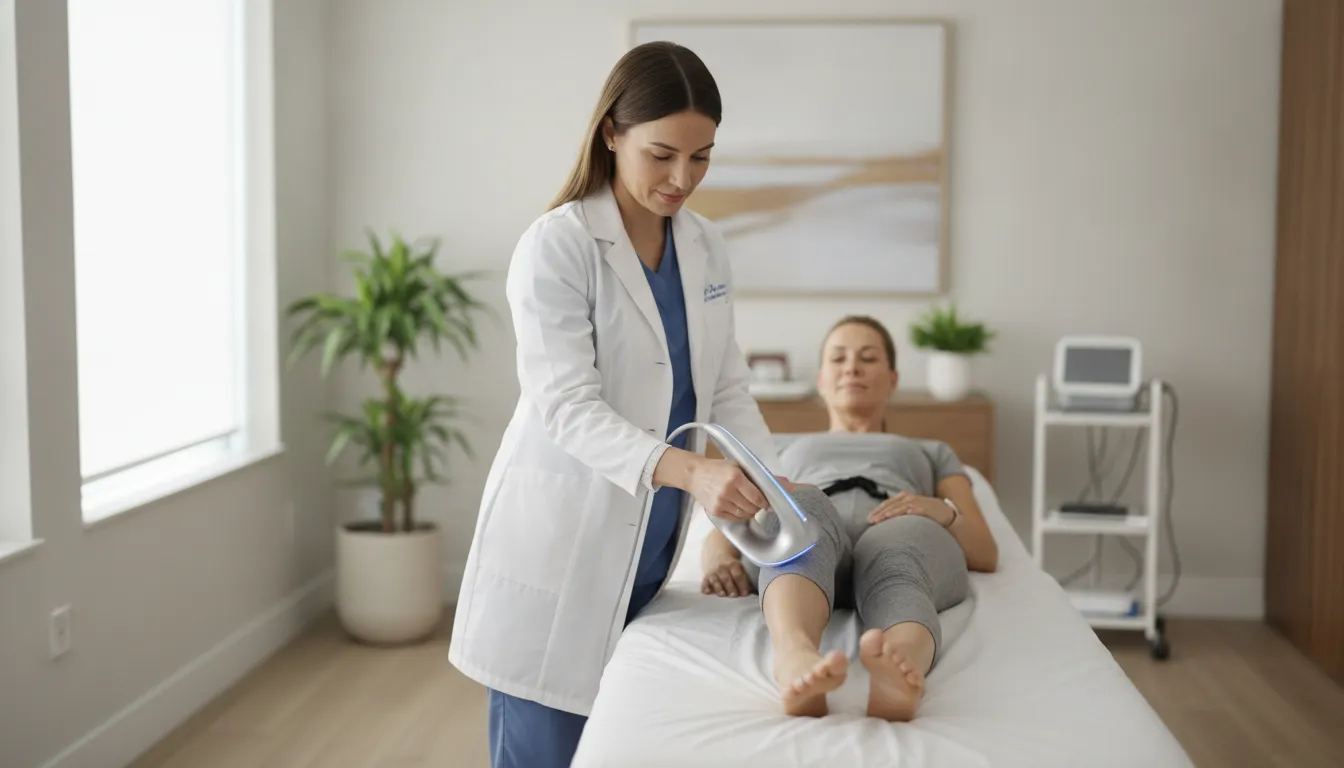
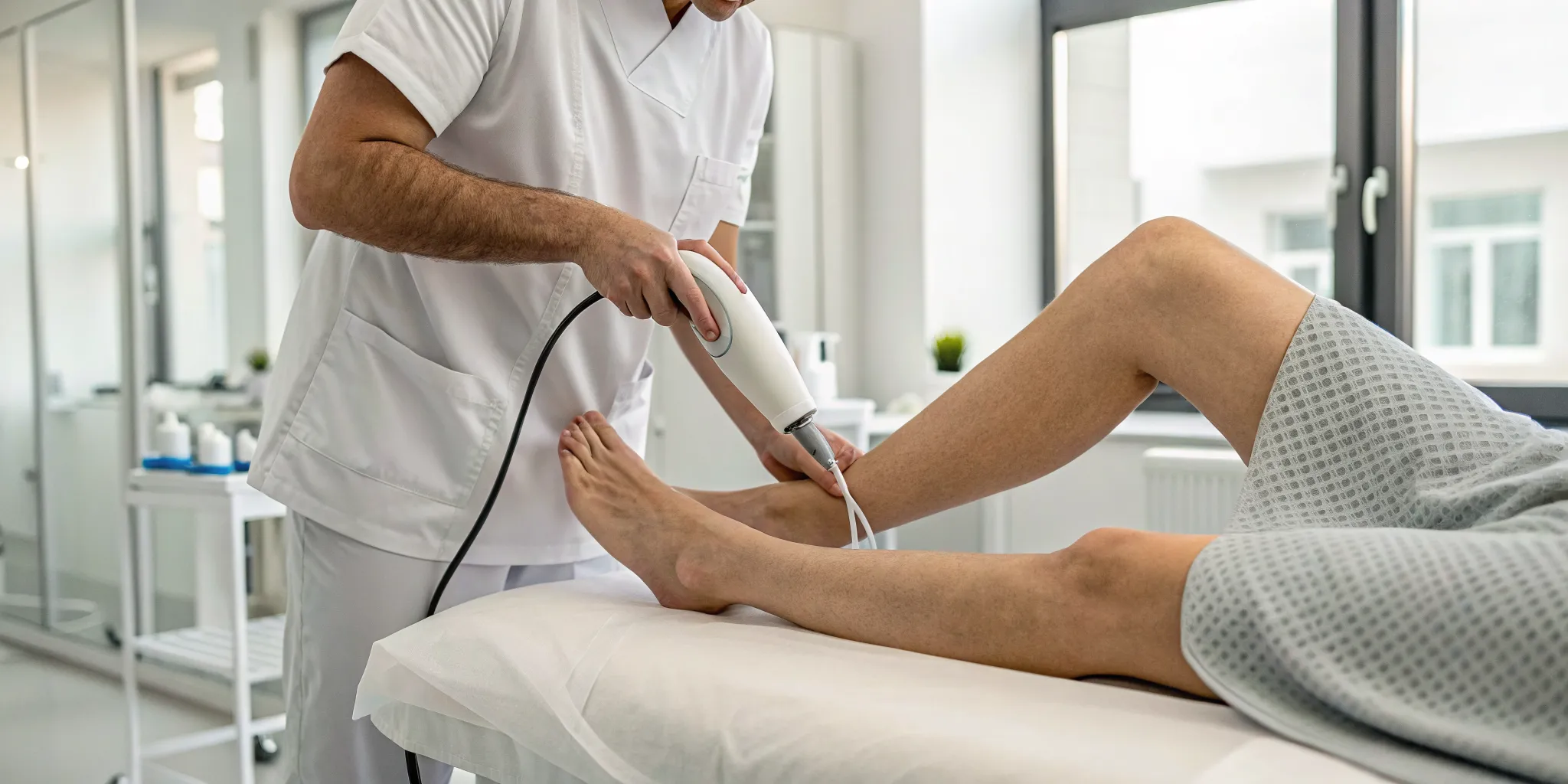
During your session, your practitioner will first locate the most tender point on your knee. This ensures the treatment is precisely targeted for the best results. Next, a gel will be applied to your skin, which helps conduct the acoustic waves smoothly. Your practitioner will then use a specialized handheld tool to deliver the shockwaves to the affected area. You might feel some mild discomfort initially, but this sensation typically fades as the session continues. The entire treatment is quite fast, usually lasting about 30 minutes. It’s a key component of our physical medicine approach, designed to stimulate healing right at the source of the problem.
How Many Sessions Are Typically Needed?
Shockwave therapy is a process, not a single event. To achieve lasting results, most people need a series of treatments. A typical plan involves about three sessions, though the exact number will depend on your individual response and the specifics of your condition. We create a personalized plan for every patient because we know that healing isn't one-size-fits-all. These appointments are usually scheduled about a week apart to give your body time to respond and begin the recovery process between sessions. We’ll monitor your progress closely and adjust the plan as needed, ensuring you’re on the most effective path toward resolving the conditions we treat and getting you back to your life.
When Can You Expect to Feel a Difference?
Patience is part of the healing process. While some people notice an improvement right after their first session, it’s more common to experience gradual relief over the following weeks and months. The therapy stimulates your body’s repair mechanisms, and this biological process takes time. The most significant changes often occur after your series of treatments is complete. Research shows that the results are worth the wait, with many patients reporting high satisfaction a year after treatment. As you’ll see from our patient testimonials, committing to a comprehensive plan can lead to meaningful, long-term relief. Your body is doing the hard work of rebuilding, and we’re here to support that process every step of the way.
Are There Any Risks or Side Effects?
It's smart to ask about the safety of any new treatment you're considering. The good news is that shockwave therapy has an excellent safety profile and is non-invasive, especially when performed by a trained professional. Most people find the process straightforward with minimal, if any, issues.
However, understanding the potential side effects and knowing who should avoid this therapy is an important part of making an informed decision about your health. A qualified practitioner will always review your health history to make sure it's the right fit for you. Let's walk through what you can expect and the specific situations where another approach might be better.
Potential Short-Term Side Effects
Many people wonder if the treatment is painful. During the session, you’ll likely feel a tapping or pulsing sensation. Some describe it as a mild pressure or tingling, but it’s generally well-tolerated. After your appointment, it’s possible to experience some temporary redness, minor bruising, or slight swelling around the treated area. These reactions are typically mild and a normal part of the healing response, usually fading within a day or two. Think of it as a sign that your body is getting to work on repairing the tissue.
Who Is Not a Candidate for This Treatment?
While shockwave therapy is effective for many people dealing with patellar tendonitis, it isn't the right choice for everyone. A thorough health screening is essential to ensure your safety. For example, this treatment is generally not recommended for individuals under 18, those with a pacemaker, or anyone with an active infection or history of cancer in the area being treated. It's also avoided if you've had a recent steroid injection in your knee. This is why a comprehensive evaluation of your unique health situation is the first step. A detailed conversation with your provider ensures that any treatment plan is perfectly tailored to you.
Is Shockwave Therapy the Right Choice for You?
Deciding on the right treatment path can feel overwhelming, especially when you've been in pain for a while. Shockwave therapy is a significant step, and it’s important to know if it aligns with your specific situation and goals. It’s not a one-and-done solution, but for the right person, it can be a turning point in their healing journey. Understanding who benefits most and how it fits into a larger recovery plan is key to making an informed decision for your health.
Signs This Treatment Could Be Your Answer
If you've been dealing with jumper's knee for months, you know how frustrating it is when rest and stretching just don't cut it. Shockwave therapy could be the breakthrough you need, especially if other conservative treatments have fallen short. Research shows it's a safe and effective option for patellar tendinopathy, with some studies finding that pain was nearly cut in half after just one month. After a year, almost 80% of people who received shockwave therapy were happy with their results. It's a powerful tool for anyone struggling with chronic knee pain who wants to find lasting relief without resorting to more invasive procedures.
Why a Personalized Plan Is Key to Success
While shockwave therapy is impressive, it works best as part of a bigger picture. Think of it as a catalyst for healing, not a standalone cure. The most successful outcomes happen when it's combined with a structured rehabilitation program designed just for you. The main goal is to carefully manage the 'load' or stress on your tendon, allowing it to heal and get stronger over time. This is why a personalized plan is so crucial. At Ascend, we look at your specific situation to build a comprehensive physical medicine protocol that integrates shockwave therapy with corrective exercises to address the root cause of your pain and help you return to the activities you love.
Your Next Step for Patellar Tendonitis Relief in Tampa
Living with the nagging pain of patellar tendonitis can feel like a frustrating cycle, especially when rest and standard exercises don't deliver the lasting relief you need. If you're in the Tampa area and feel stuck with jumper's knee, it might be time to consider an approach that looks at the bigger picture of your health. Instead of just managing symptoms, the goal should be to address the underlying reasons your tendon isn't healing properly. This is where a comprehensive, personalized strategy can make all the difference.
Research into treatments for tendon issues is encouraging. Studies have found that combining shockwave therapy with a structured physical therapy program can lead to an excellent success rate of up to 80% for patients with patellar tendonitis. This highlights a key point: the most effective recovery plans often involve more than one type of treatment. A systematic review of shockwave therapy supports its use for tendon-related conditions, showing that it can be a powerful tool when applied correctly.
At Ascend Functional Health, we see treatments like shockwave therapy as one component of a complete healing plan. Our approach to physical medicine is built on understanding your unique situation, from your biomechanics to your lifestyle, to create a strategy that facilitates your body's own healing abilities. We combine innovative therapies with corrective care to not only reduce pain but also restore function and build resilience against future injury.
If you’re ready to move beyond temporary fixes and find a lasting solution for your knee pain, your next step is to get a thorough evaluation. Let's work together to determine the root cause of your patellar tendonitis and see if a holistic treatment plan including shockwave therapy is the right path for you. You can schedule a consultation with our team in Tampa to start your journey toward regaining an active, pain-free life.
Related Articles
- 4 Ways to Regrow Knee Cartilage Without Surgery
- SoftWave Tissue Regeneration Therapy in Tampa | Alessi Functional Health
- Knee Cartilage Regeneration Medicine: A 2026 Guide
- Regenerative Medicine for Knee Arthritis: What to Know
- Regenerative Medicine for Pain Recovery | Ascend Functional Health
Frequently Asked Questions
Does shockwave therapy hurt? Most people describe the feeling as a strong, deep tapping or pulsing sensation rather than sharp pain. While you might feel some discomfort over a particularly sensitive spot, the intensity is always adjusted to your personal tolerance. The treatment itself is quick, and any tenderness afterward usually feels like a mild ache that fades within a day or so.
How quickly will I feel better after starting shockwave therapy? Healing is a gradual process, and everyone’s body responds differently. Some people report feeling a reduction in pain after their first or second session, but the most significant and lasting results build over time. The therapy works by stimulating your body's own repair cycle, which can take several weeks to months to complete. It's best to think of it as setting the stage for long-term healing, not as an instant fix.
Do I need to stop all physical activity during the treatment period? Not necessarily. In fact, complete rest can sometimes weaken the tendon. The goal is to find the right balance of activity that encourages healing without overloading the tendon. We will work with you to create a plan that modifies your activities, focusing on proper load management. This ensures your tendon gets the right amount of stress to grow stronger, allowing you to stay active in a safe, controlled way.
Is shockwave therapy a standalone treatment, or will I need to do other things? Shockwave therapy is most effective when it’s part of a complete, personalized plan. We see it as a powerful tool to kickstart the healing process, but true recovery comes from addressing the root cause of the injury. This usually involves combining shockwave sessions with a specific corrective exercise program to improve your body's mechanics and strengthen the supporting muscles.
What makes someone a good candidate for this treatment for knee pain? This therapy is often a great option for individuals who have been struggling with chronic patellar tendonitis for several months and haven't found lasting relief from more traditional methods like rest, ice, or stretching. The best way to know for sure is to have a thorough evaluation. We can assess your specific condition and health history to determine if this approach is the right fit for your recovery goals.