Bulging disc herniated disc symptoms can overlap, so a symptom list alone cannot tell you which finding is present or whether it explains how you feel. The location and behavior of symptoms, changes in strength or sensation, and a careful clinical assessment all matter when deciding what to discuss next.
Explore Physical Medicine options
How Do Bulging and Herniated Discs Differ?
A bulging disc extends beyond its usual boundary over a broader area, while a herniation involves a more focused displacement of disc material. Both terms describe structural findings; neither one alone confirms the source of symptoms or predicts how they will change.
Spinal discs sit between vertebrae and help distribute load as the body moves. A disc may change shape over time. With a bulge, the disc margin extends outward more broadly. With a herniation, disc material pushes through a weakened area in its outer covering. A report may use more specific words to describe the location and direction of a herniation.
These labels can sound like a severity scale, but a larger-looking finding does not automatically mean more discomfort or a greater need for a particular procedure. Some people have a disc finding without related symptoms. Other people have substantial symptoms that warrant careful attention even if the scan description sounds modest.
A clinician therefore considers more than the label. They may ask where symptoms travel, what positions affect them, when they began, and whether sensation or strength has changed. Imaging, when appropriate, is interpreted alongside that history and an examination rather than on its own.
For example, a report might mention a lower-back bulge while a person describes only occasional localized stiffness. The finding may or may not explain that experience. Another person may have pain that travels down a leg and new tingling; the symptom pattern and assessment then become important parts of deciding whether a visible disc change is relevant.
Which Symptoms Can Occur With a Bulging or Herniated Disc?
Possible symptoms include back or neck discomfort and, when a nearby nerve is affected, pain, tingling, numbness, or weakness in an arm or leg. The pattern partly depends on the spinal region and the structures involved.
A lower-back disc may be associated with discomfort in the back, buttock, or leg. Pain traveling down the leg is often called sciatica. A neck disc may be associated with discomfort in the neck, shoulder, or arm. Some people notice pins and needles or reduced sensation; others describe weakness or difficulty with a movement they usually manage.
Symptoms do not always follow a textbook path. They may remain local, travel into a limb, or vary with posture and activity. One person may mainly notice pain, while another notices tingling or a change in strength. A symptom by itself does not establish that a disc is the cause, since other spinal, joint, nerve, and soft-tissue concerns can feel similar.
The HSS guide to herniated-disc symptoms describes possible neck or lower-back discomfort and pain, numbness, tingling, or weakness into an arm or leg. Use an overview as background, then discuss your own pattern with a qualified clinician rather than trying to identify a disc condition from a symptom list.
It can help to describe the route precisely. Instead of saying only “my leg hurts,” note whether the feeling begins in the lower back or buttock, whether it reaches the thigh or lower leg, and whether the foot feels different. For neck or arm symptoms, describe whether the sensation reaches the shoulder, upper arm, forearm, or hand. This kind of detail gives a clinician more useful context without making a diagnosis yourself.
When Should Symptoms Prompt a Timely Evaluation?
Arrange an evaluation when symptoms persist, limit daily activities, spread, or come with new or worsening weakness or numbness. Sudden changes in bladder or bowel control, numbness around the inner thighs or seat area, or rapidly progressing weakness call for immediate medical assessment.
Do not wait for a particular pain level before mentioning a change that concerns you. A clinician can ask when it started, whether it is getting better or worse, and which movements or positions affect it. Mention a recent injury, prior spine concerns, and changes in walking, balance, grip, or leg strength.
Seek immediate assessment for the warning signs above, including new bladder or bowel control problems, numbness in the saddle area, or rapidly worsening weakness. These changes need prompt attention, not a routine discussion about a disc plan. This article cannot assess a developing or time-sensitive health concern.
For stable symptoms, an appointment may still be useful when discomfort interrupts sleep, work, walking, or ordinary routines, or when it keeps returning. The appropriate next step depends on the full picture. An evaluation can also help clarify whether imaging or another type of assessment is appropriate.
Before the visit, consider what has changed in practical terms. Are you taking more breaks during a normal walk? Is sitting through a meeting harder than it was? Have you stopped a usual activity because of tingling or weakness? Concrete examples help distinguish a symptom’s intensity from its effect on daily function.
How Are Symptoms and Imaging Considered Together?
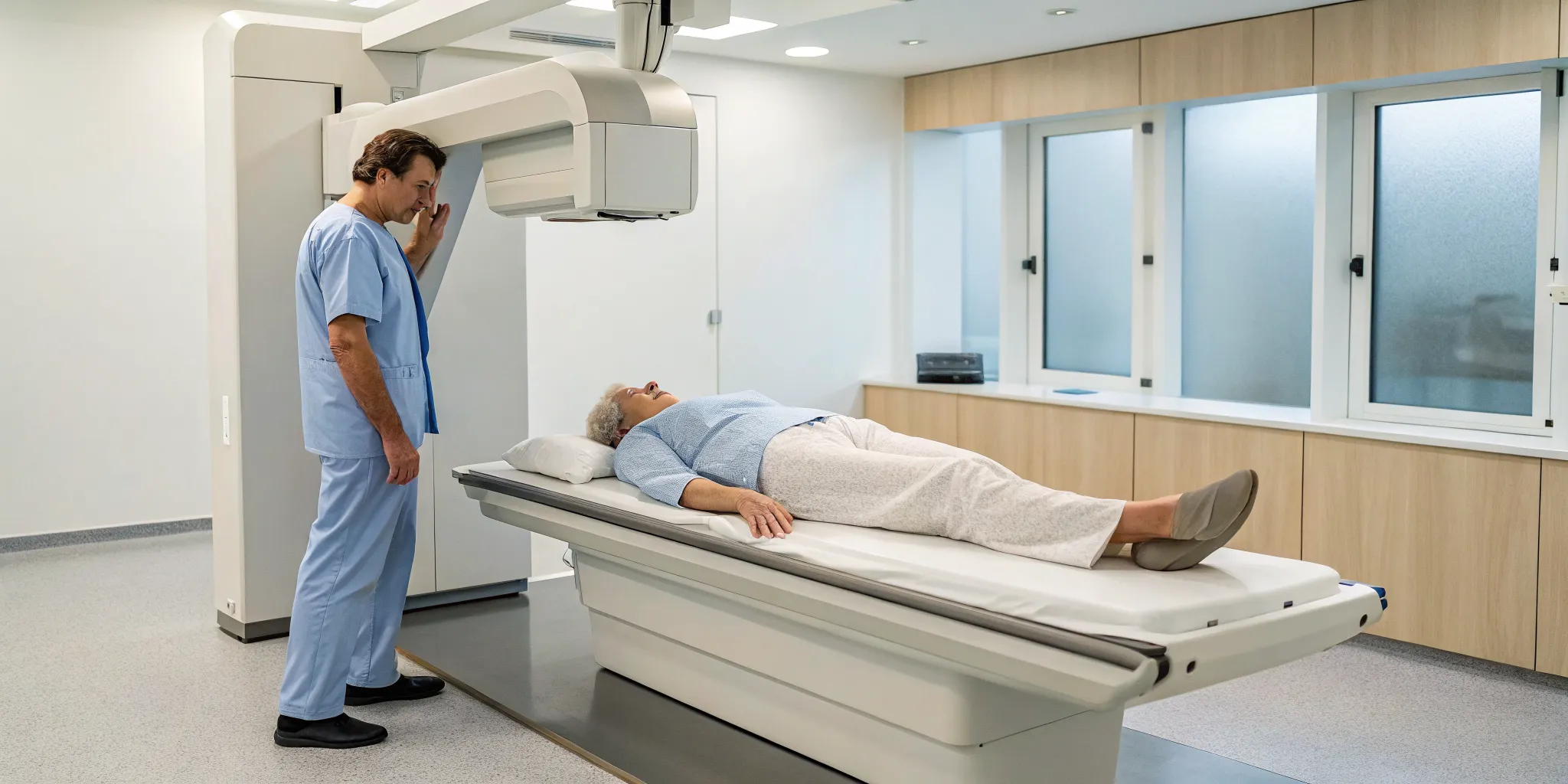
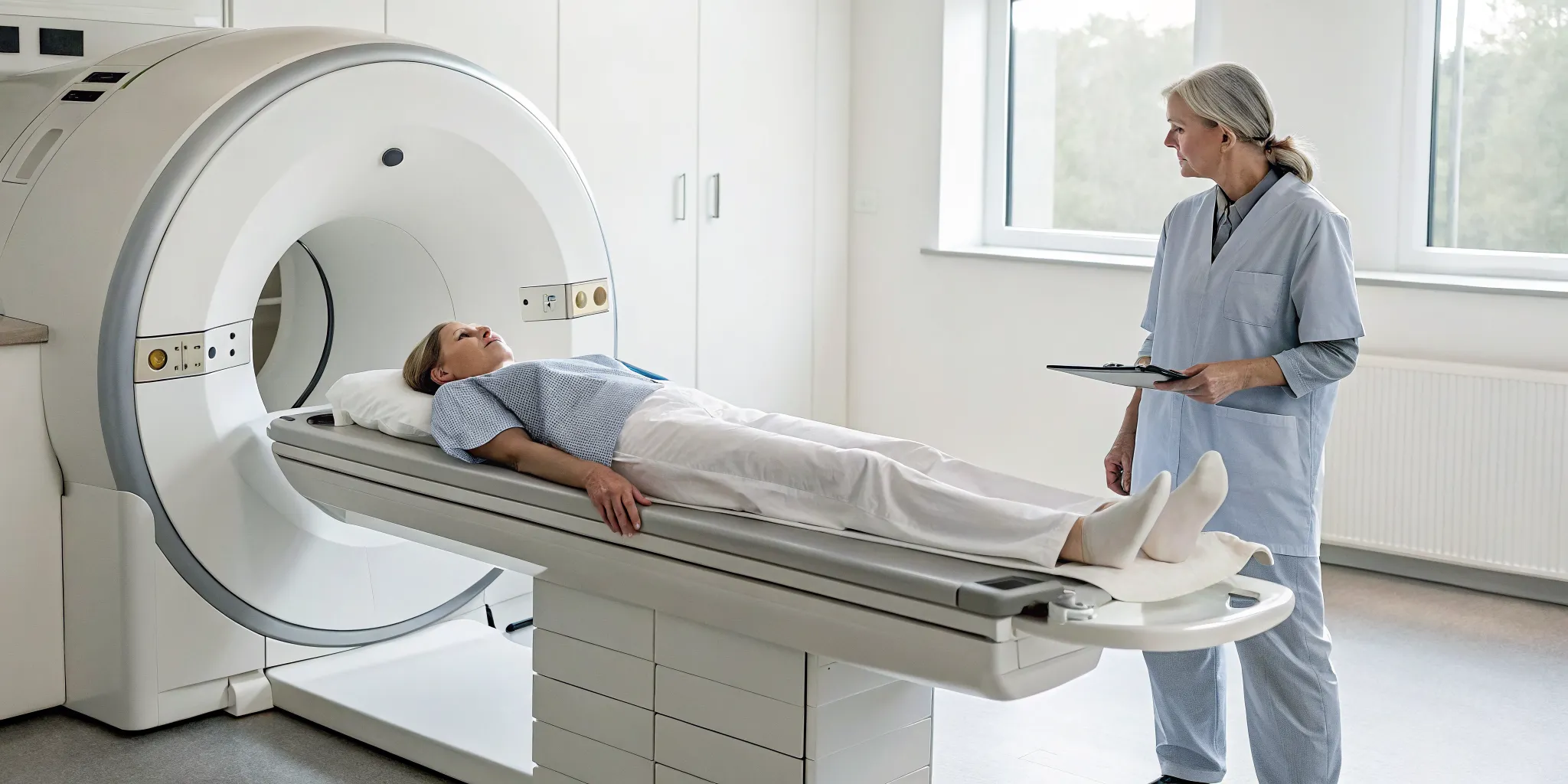
A useful assessment connects your symptom history and physical findings with imaging when imaging is appropriate. A scan shows anatomy, but a clinician still needs to decide whether a visible change matches the location and behavior of your symptoms.
A consultation may cover several points:
- Symptom map: Where does discomfort or altered sensation begin, and where does it travel?
- Timeline: When did it start, how has it changed, and have similar episodes happened before?
- Function: Which daily tasks, positions, or movements are affected?
- Strength and sensation: Have you noticed a change in movement, coordination, reflexes, or feeling?
- Relevant records: Are earlier imaging reports or other test results available to add context?
Imaging may answer a specific clinical question, but it does not replace an examination. A report’s wording can be difficult to interpret without context. Ask the clinician to explain which findings seem relevant, which do not change the plan, and whether further assessment is warranted.
One useful way to review a report is to connect each phrase to a question: Where is the described change? Does that location fit the symptom route? Does the examination support that connection? What would change in the plan because of the finding? If the answer is unclear, ask for an explanation in everyday language before making a decision.
Ascend Functional Health is a Tampa Bay integrative healthcare practice. Its Physical Medicine approach includes chiropractic care, decompression, lumbar care, corrective care, and soft-tissue work. Which options fit, if any, depends on an individual evaluation rather than a scan label alone.
How Do Common Disc Findings Compare?
The terms describe different structural patterns, but each needs context before it can guide care. This comparison can help you prepare focused questions about a report and your symptoms.
| Finding or pattern | What it describes | Possible symptom pattern | Useful question |
|---|---|---|---|
| Disc bulge | A broader extension of the disc margin beyond its usual boundary. | May have no symptoms or may appear alongside back or neck discomfort. | Does the location correspond with the symptom pattern and examination? |
| Disc herniation | A more focused displacement of disc material through a weakened area. | May occur with local discomfort or nerve-related symptoms in an arm or leg. | Which area or nerve, if any, appears involved, and how was that assessed? |
| Nerve-related symptoms | A pattern such as radiating pain, tingling, numbness, or weakness. | May follow a limb pathway, although patterns vary. | How do the location, timing, and changes in feeling or strength fit together? |
| Imaging finding without a matching pattern | A structural change that may not explain a person’s current concerns. | Symptoms may be absent or may have another source. | Does this finding change the plan, and if so, how? |
The table is a starting point, not a diagnostic tool. A finding’s importance depends on how it fits the symptoms and examination. Ask which details are established, what remains uncertain, and which changes would mean the plan should be reviewed.
What Can a Non-Surgical Disc Care Discussion Include?
A non-surgical care discussion may consider movement, symptom response, spinal mechanics, and whether a clinician-supervised approach is appropriate. The aim is to make decisions from an individual assessment, without promising a particular outcome.
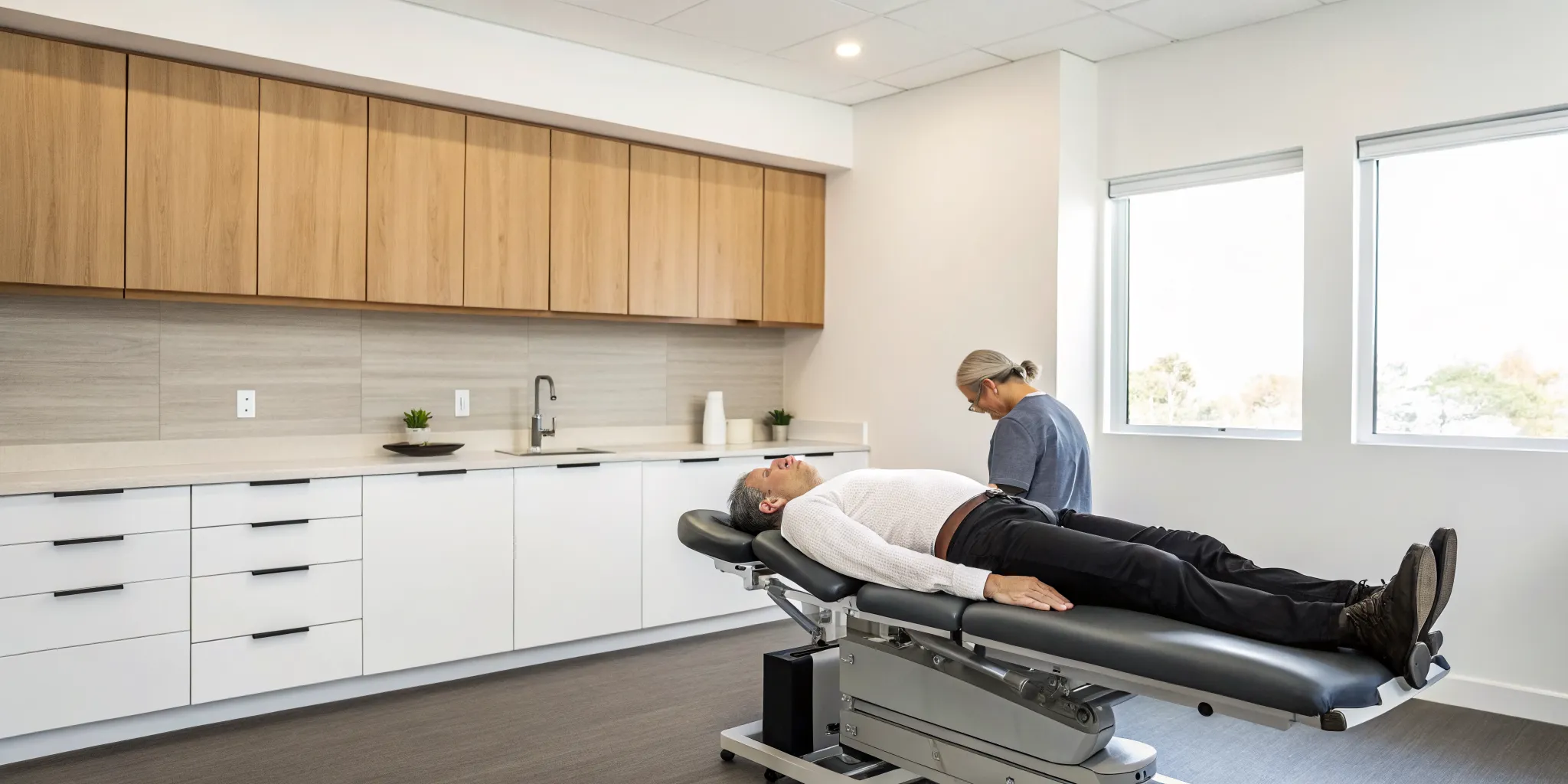
Depending on the evaluation, a clinician may discuss activity adjustments, guided movement, chiropractic care, soft-tissue approaches, or spinal decompression. Decompression is a clinical approach that applies controlled forces to the spine. It is not suitable for every person, so a consultation should cover goals, limitations, and alternatives before care begins.
Ask how the recommendation relates to your history and examination. Find out how progress will be reviewed, which symptoms should prompt a pause and a call to the clinician, and when the plan will be reconsidered. These questions help make the decision specific rather than assuming one approach fits every disc finding.
- Which parts of my history or examination shaped this recommendation?
- How will we track changes in symptoms or daily function?
- What should lead me to pause and contact the clinician?
- What alternatives should I understand before deciding?
- When will we review progress and adjust the plan if needed?
Ascend’s page on spinal decompression options outlines the service for people who want to learn more before a consultation. A clinician can discuss whether decompression or another Physical Medicine approach is relevant to your situation. A service page or procedure cannot confirm a diagnosis by itself.
Since disc-related symptoms can overlap with other concerns, care may involve coordination or a different assessment when appropriate. A careful clinician explains the reasoning and does not assume a single treatment suits everyone. For more information about the practice, visit the Ascend team and care overview.
How Can You Prepare for a Spine Consultation?
A short symptom timeline and a few specific questions can make a consultation more useful. Bring relevant records if available, and explain how symptoms affect your routine instead of relying on a scan term alone.
Before the visit, note when symptoms began and whether they are improving, staying similar, or changing. Mark where they occur and whether they travel into an arm, buttock, or leg. Include any tingling, numbness, weakness, or changes in function. Notice whether sitting, standing, bending, or walking seems to affect symptoms, but do not force a movement to test it.
Bring prior imaging reports or other relevant assessment records. If you have imaging, ask whether the clinician needs the images, the written report, or both. Write down questions about terms in the report and goals that matter to you, such as returning to a daily task or tolerating a period of sitting more comfortably.
A concise example can be more helpful than a long list of adjectives: “The tingling began last week, starts in my buttock, and reaches the outside of my calf. It is most noticeable after sitting for a while.” Keep the description factual, and mention whether it has changed. If you are unsure about a detail, say so rather than guessing.
You can review Ascend’s frequently asked questions or read about its available care services before reaching out. For people in Tampa Bay, the practice’s contact page is a place to discuss fit and possible next steps. Its Tampa service-area information provides additional local context.
Discuss an evaluation with Ascend
Frequently Asked Questions
These answers address common questions about disc symptoms and evaluation. They are general information, not a substitute for an individualized assessment.
Can a bulging disc cause symptoms without a herniation?
Yes. A bulge may appear with symptoms or without them, and a herniation may also occur with different symptom patterns. The imaging term alone cannot establish the cause of a person’s symptoms.
Do leg symptoms always mean a lower-back disc is involved?
No. Pain, tingling, numbness, or weakness in a leg can have more than one possible source. A clinician considers the symptom pathway, history, examination, and relevant imaging before connecting symptoms with a disc.
Does a scan tell me which care I need?
A scan can provide structural information, but its report does not determine the plan by itself. A clinician interprets it alongside symptoms, examination findings, goals, and other relevant factors.
When should I seek immediate assessment?
Seek immediate medical assessment for sudden bladder or bowel control changes, numbness around the inner thighs or seat area, or rapidly worsening weakness. These signs should not wait for a routine appointment.
Talk with Ascend about next steps
Bulging and herniated disc findings can be confusing, but a careful evaluation can clarify which details matter and which options are reasonable to discuss. This article is educational, not medical advice; consult your clinician before acting.