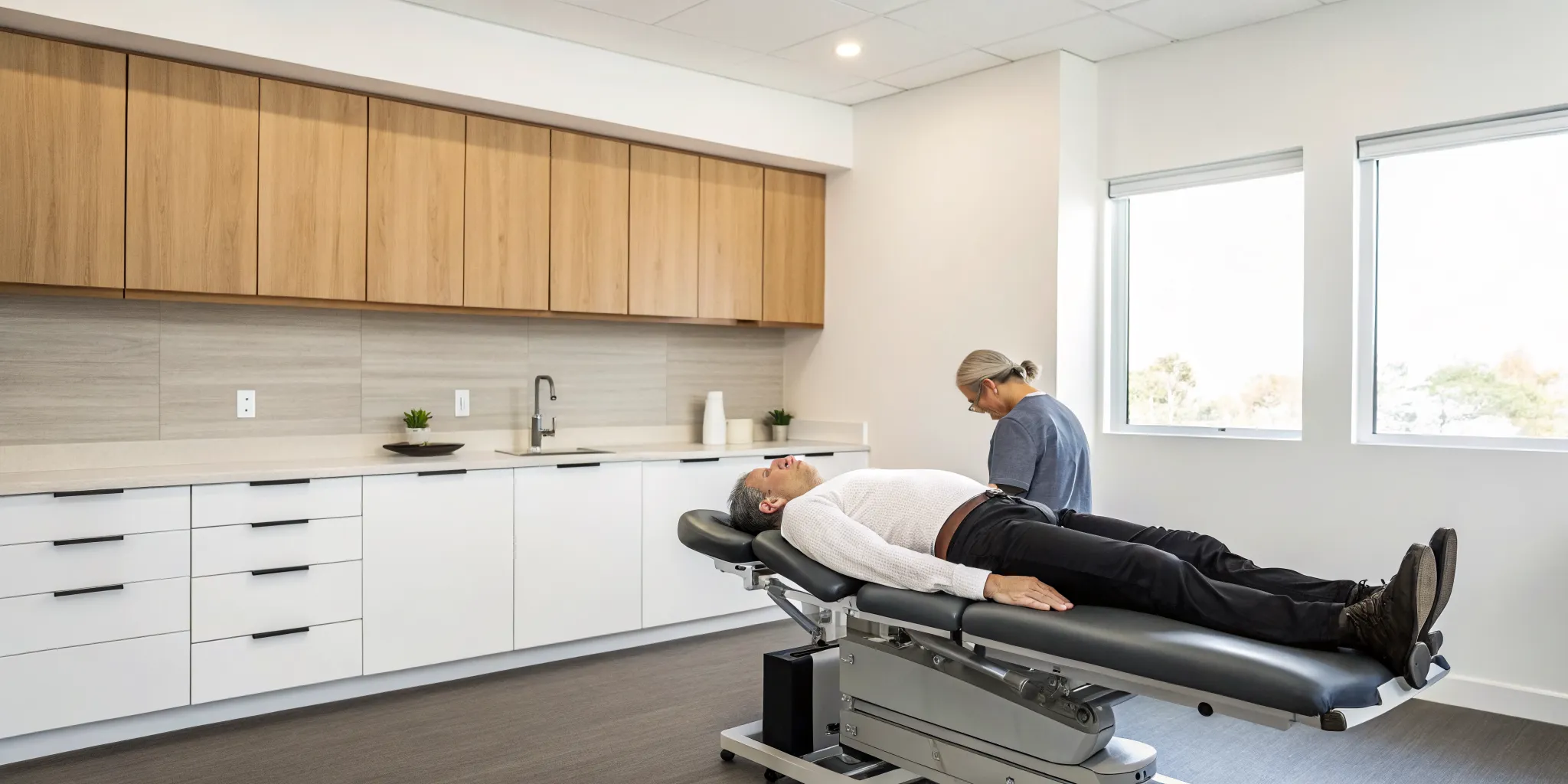
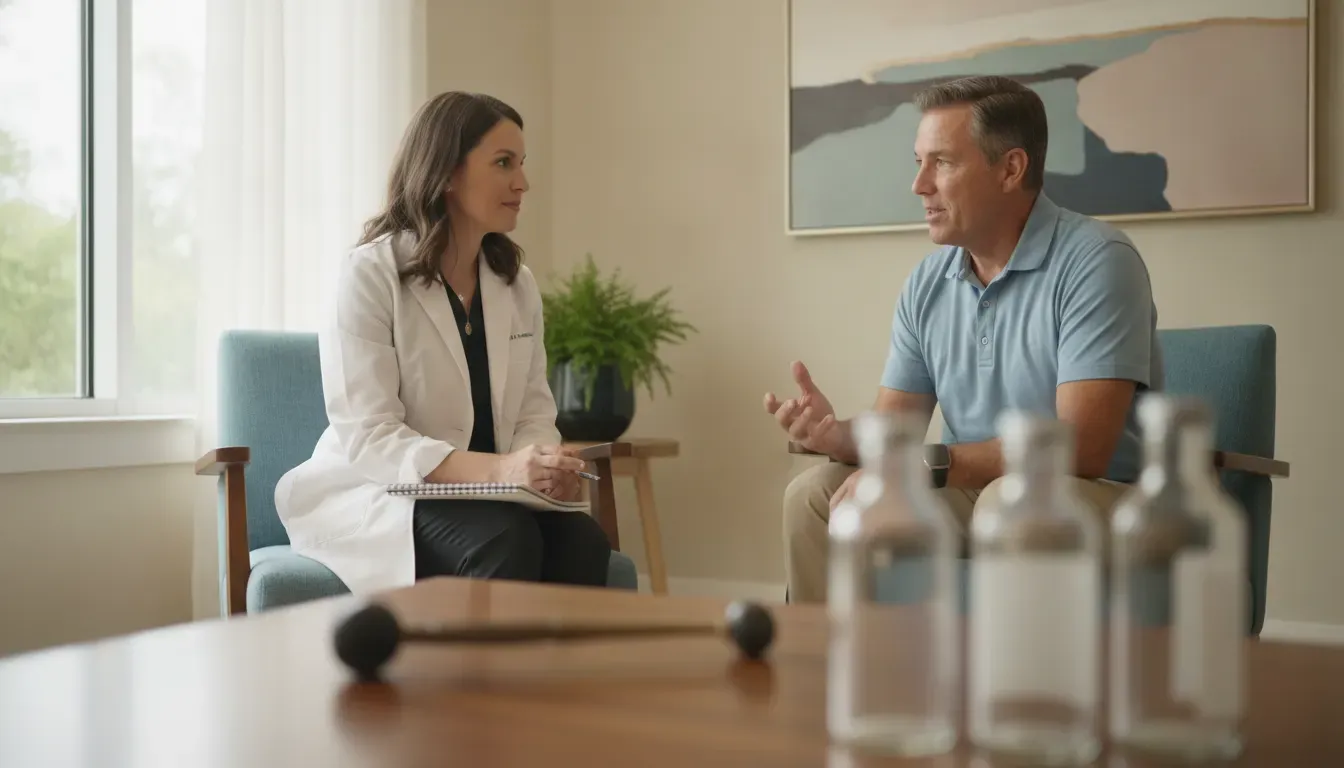
Sports injury recovery men over 40 can involve more than revisiting the original incident. A knee, shoulder, or back concern that seemed settled may become noticeable again as activity, work demands, sleep, and general health change. A clear account of what happened and what has changed can make a clinical conversation more useful.
Explore Physical Medicine options

How Can an Old Sports Injury Affect Recovery After 40?
A past injury can be useful context, but it does not prove the cause of a present symptom. The current concern deserves attention on its own terms, alongside the history and your goals.
People may describe a familiar area becoming stiff after sitting, sore after longer activity, or less comfortable during a movement that once felt easy. Symptoms can vary from day to day. A change in routine, work demands, activity volume, or time between demanding days may make a pattern more noticeable. Age alone cannot explain an individual experience, and a past injury should not be treated as a complete explanation.
Separate remembered details from current observations. Note the original event as best you can, the care or rehabilitation you recall, and whether today’s sensation seems similar or different. If the old concern involved a different movement or area than the current one, make that distinction clear. A clinician can consider the present situation rather than relying on a label from years ago.
For example, a former recreational tennis player might recall an old shoulder issue but now notice discomfort while reaching overhead at work. The useful information is not simply “my shoulder injury is back.” It includes when the change began, the reach or task that brings it on, and whether ordinary daily movements are also affected. That detail helps keep the conversation focused on current function.
Which Patterns Should You Track Before a Consultation?
A brief, consistent record can make it easier to discuss when a concern appears and what seems to influence it. Track observations, not self-diagnoses.
- Location: Describe the area and whether the sensation stays in one place or seems to spread.
- Timing: Note when the issue began, how often it occurs, and whether the pattern is changing.
- Activity: Record the movement, duration, or workload involved, plus activities that remain manageable.
- After-effects: Notice whether the area feels different later that day or the next morning.
- Function: Describe changes in motion, confidence, or everyday tasks such as carrying, climbing stairs, or reaching.
- Context: Include recent activity changes, sleep disruptions, and relevant health history.
Keep the log manageable. A few dated entries are often easier to interpret than a long stream of notes. One entry might read: “Tuesday: walked for 25 minutes; knee felt comfortable during the walk, then stiff after a long car ride.” This does not establish a diagnosis, but it records the sequence in concrete terms.
Try to compare like with like. If one day includes a long shift and another includes a short walk, the difference in symptoms may reflect several factors. Include duration and circumstances when possible. Avoid repeatedly testing a movement just to see whether it still hurts; instead, describe what happens during ordinary activity and ask whether any adjustment is appropriate.
If a specific activity consistently changes symptoms, explain the task and the response to a qualified clinician. Do not assume that every activity needs to stop, or that pushing through is suitable. The decision depends on the person and the clinical picture.
How Can Current Activity Demands Change the Discussion?
Recovery conversations are more useful when they start with the activities that matter to you now. A neighborhood walk, a long work shift, and a weekend sport ask for different combinations of movement and endurance.
Name the task rather than relying on a broad goal. Is it carrying equipment, reaching overhead, turning quickly, walking on uneven ground, or staying comfortable through a long period of standing? Explain the part that is difficult: starting the movement, repeating it, maintaining it, or how you feel afterward. That gives the clinician a concrete starting point.
Consider a former cyclist who wants to ride with friends again. “I want to be active” is a valid wish, but it leaves many details open. How long is the planned ride? Is the concern with mounting, maintaining position, hills, or the hours afterward? Describing those pieces helps clarify what progress would mean to that person, without assuming that a particular activity is safe or appropriate.
Past performance is not the only useful measure. A gradual, clinician-guided plan may take current capacity, symptoms, history, and goals into account. The appropriate pace varies. Avoid forcing a return solely because an activity once felt easy, and ask how to recognize a meaningful change in function.
It can also help to distinguish desired activity from required activity. A job task may need attention even if sport is not the immediate goal. Conversely, a recreational goal may involve movements that do not occur during the workday. Tell the clinician which demands matter most and which are flexible, so the discussion reflects your actual priorities.
What Might a Clinician-Guided Evaluation Consider?
An evaluation can organize your history, current symptoms, and movement goals into a more informed discussion. The approach depends on the individual; no single treatment or test is right for everyone.
A clinician may ask about the original event, how the concern has changed, prior care, and current activity. They may assess movement and relevant physical findings, then explain whether another assessment or care approach is appropriate. Ask what each step is meant to clarify and how progress will be reviewed.
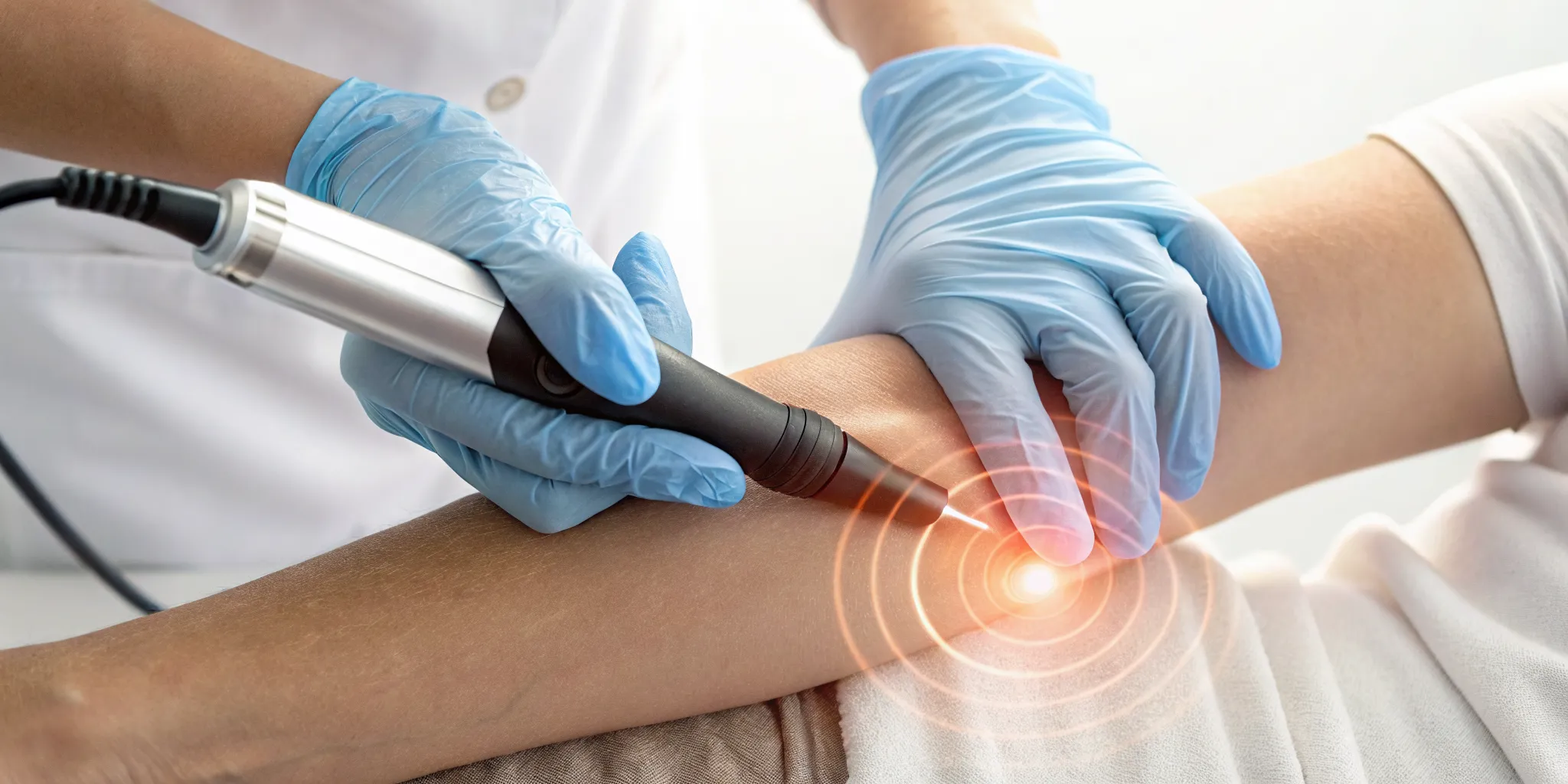
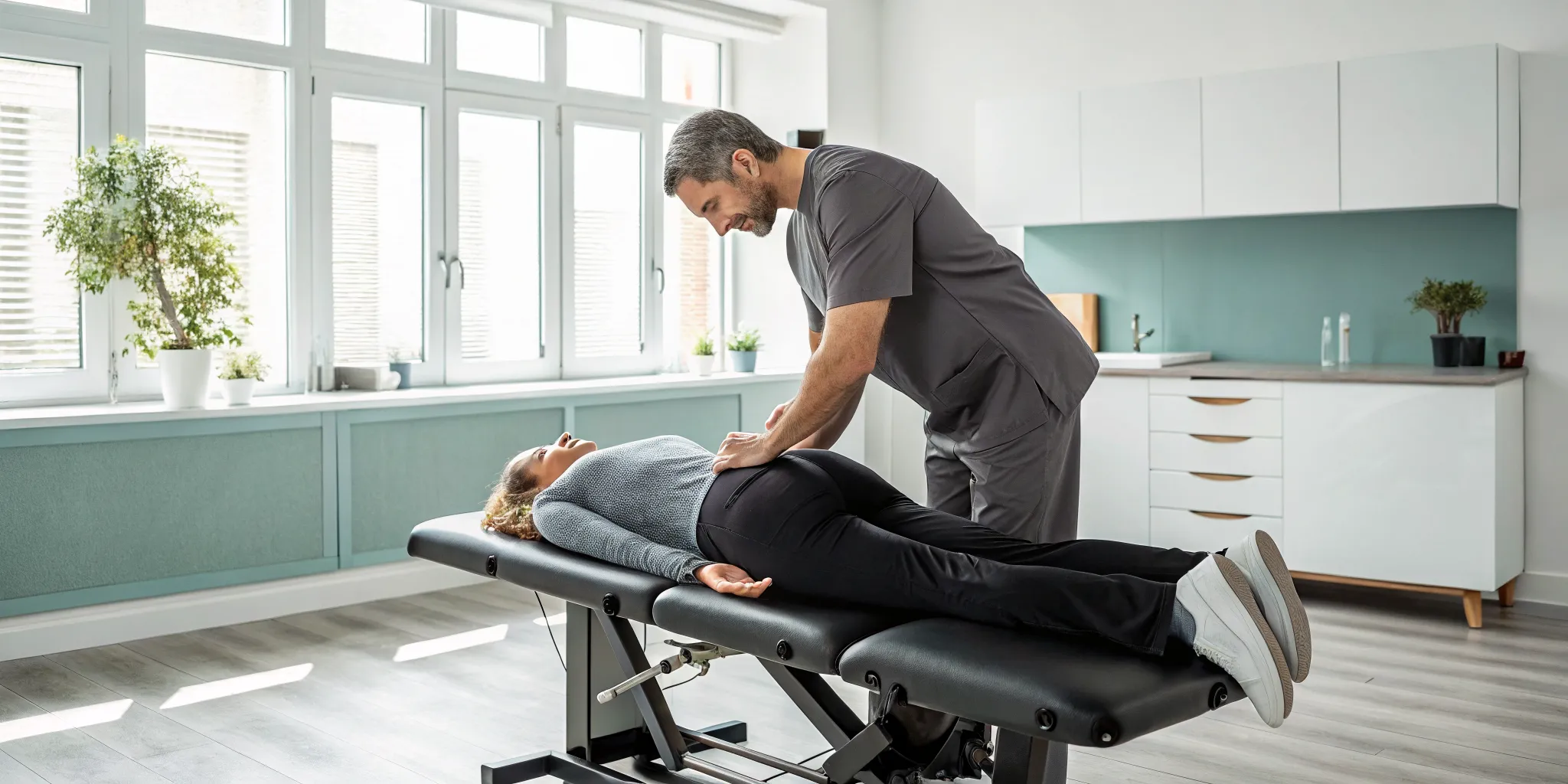
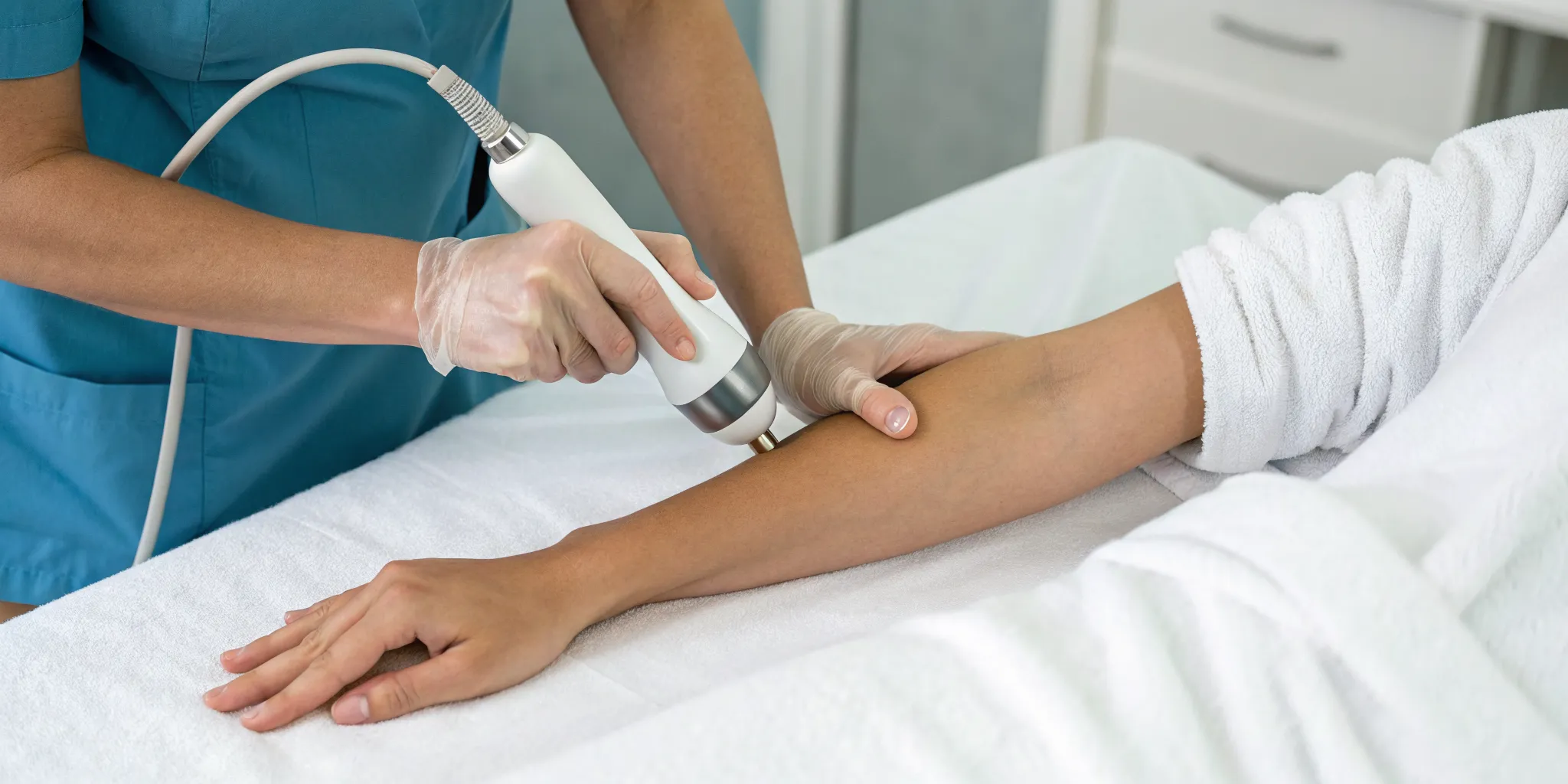
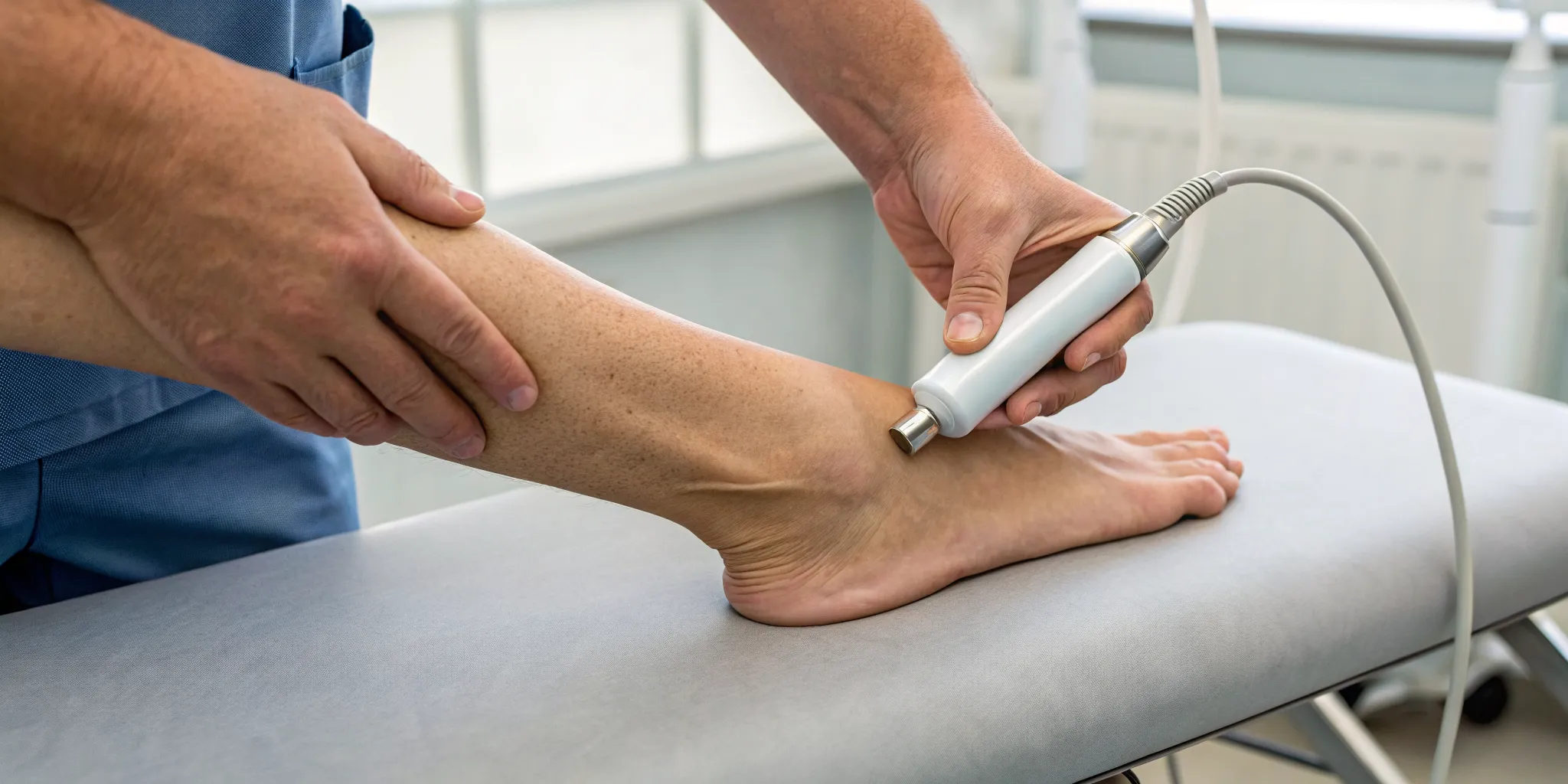
At Ascend Functional Health, care is organized around Physical Medicine, Functional Medicine, and Regenerative Medicine. For a concern centered on movement, Physical Medicine is a relevant place to learn about chiropractic, decompression, corrective care, and soft-tissue approaches. A clinician can discuss fit rather than presuming that any particular approach is indicated.
Broader health history may also matter to a recovery conversation. When relevant, a clinician may discuss general health factors and whether further evaluation is appropriate. Read about the practice’s individualized approach to Functional Medicine. The goal is to connect recommendations to the person’s concerns, not to add steps without a clear reason.
Prepare questions that invite explanation: What did the movement assessment show? Which finding is most relevant to the task I described? What should I watch for between visits? What would prompt a change in the plan? Clear answers help you understand the reasoning and take part in decisions.
How Can You Compare Common Evaluation Steps?
Evaluation steps serve different purposes: some clarify your history and priorities, while others assess movement or guide follow-up. A clinician can explain which steps are useful in your situation.
| Step | What it may clarify | Question to ask |
|---|---|---|
| History and goal discussion | How the earlier event and current concern relate in your account | Which details from my history matter most? |
| Movement and physical assessment | How the area functions during selected movements | What did you observe, and how does it relate to my goal? |
| Additional assessment, when appropriate | Whether more information is needed before recommendations | What question would this step answer? |
| Plan discussion | How proposed care connects with priorities and preferences | What are the options and their intended purpose? |
| Follow-up review | Whether symptoms, function, or goals have changed | How will we decide whether to adjust the plan? |
This is not a fixed checklist, and more testing is not automatically better. Ask how a recommendation connects to your goals, what alternatives may be considered, and how the clinician will assess whether the approach is helping. If you are uncertain about a step, ask for a plain-language explanation before deciding.
How Can You Make Progress Easier to Review?
Choose a few practical observations with your clinician so the follow-up conversation is about change you can describe. A useful measure should connect to something that matters in daily life.
Depending on your goals, you might discuss whether a particular reach feels easier, how long you can walk before needing a change, or whether a work task is more manageable. These examples are not universal targets. The clinician can help select measures that make sense for the concern and the person.
Use the same conditions when comparing observations. If you are tracking comfort during a walk, note route, duration, pace, and relevant circumstances. If the goal is a work task, describe the task consistently. This does not make the record a formal test; it simply reduces guesswork when discussing whether anything has changed.
Progress may not move in a straight line. One difficult day does not necessarily erase a broader improvement, and one good day does not prove that a concern has resolved. Share the overall pattern, including setbacks and changes in routine. Ask what the next review point will be and what kind of change should lead to a conversation sooner.
How Can You Prepare for a More Useful Conversation?
A small amount of preparation can help you describe the concern clearly and leave with a better understanding of possible next steps.
- Write down when the original injury occurred and the details you remember, without filling gaps with guesses.
- Describe what has changed recently, including the movement or activity involved.
- Bring a concise list of prior evaluations or care, if known, and any relevant health history.
- Identify one or two functional goals that matter now, such as a specific task or recreational activity.
- Ask how recommendations will be personalized, how progress will be reviewed, and what changes warrant follow-up.
You can also prepare a short timeline. Start with the original event, then note periods when the concern was quiet or active, major changes in activity, and the point when the current pattern became noticeable. This helps distinguish a long-standing limitation from a recent change.
Ascend Functional Health serves the greater Tampa Bay area with personalized, evidence-informed care. You can review information about the practice, browse available services, and read practical answers on the frequently asked questions page. For details about the care team, see Dr. Alfred Alessi’s profile.
What Can General Health Literature Add to the Conversation?
Published medical literature can offer context, but it cannot identify the cause of one person’s symptoms or select an appropriate approach. A study indexed by the Bone and Joint Surgery publication discusses athlete mental health and quality of life after sports-related concerns, illustrating that recovery conversations can extend beyond the affected body area.
The source does not provide an individual assessment or establish what applies to you. Read the article on athlete mental health and quality of life as background, then discuss your own history and goals with a qualified clinician. If a concern affects confidence or willingness to return to an activity, you can mention that alongside physical changes.
How Can You Keep the Next Step Practical?
A practical next step is to bring a short history, a few current observations, and a clearly stated activity goal to a clinician. That makes it easier to discuss whether an evaluation is appropriate and what questions deserve attention first.
Before the conversation, choose the two details you most want understood. For one person, it may be the difference between a familiar old sensation and a new one. For another, it may be the way a long workday affects movement later. You do not need to arrive with a diagnosis or a complete account of every past event.
Keep the discussion collaborative. Ask for the reasoning behind recommendations, share preferences and constraints, and agree on how changes will be reviewed. If you want to explore the practice’s approach to movement concerns, visit the Physical Medicine page.
Contact Ascend to discuss your goals
Frequently Asked Questions
These answers can help you prepare for a conversation about a past injury and current activity.
Can a sports injury bother me again years later?
A past injury may be relevant when similar symptoms appear, but it does not by itself explain the cause. A clinician can consider the history alongside present symptoms and function.
What should I write down before an appointment?
Record where symptoms occur, when they began, which activities influence them, and how they affect everyday tasks. Include what you recall about the original injury and prior care.
Should I stop every activity that causes discomfort?
Do not assume every activity needs to stop or that pushing through is appropriate. Discuss the specific activity and your response with a qualified clinician, who can advise based on your circumstances.
Will an evaluation always include imaging or testing?
No. The steps depend on the history and clinical findings. Ask what a proposed assessment is intended to clarify and how its result could affect recommendations.
How do I know whether a care plan is helping?
Discuss meaningful goals with your clinician, such as changes in a particular movement, activity tolerance, or symptom pattern. Review progress together and ask whether the plan should be adjusted.
Health information here is educational and not medical advice; consult your clinician before acting on it.
When you are ready, bring your history and current goals to a consultation so possible next steps can be discussed in context.