Will a herniated lumbar disc heal? Many people feel better over weeks to months without an operation, but the timeline is not the same for everyone. Waiting it out can mean months of sitting, walking, and sleeping around the pain. At Ascend Functional Health in Tampa, a disc recovery evaluation looks at whether decompression, SoftWave therapy, and chiropractic care fit your findings. Those three tools are used together to take pressure off the disc, calm irritated tissue, and restore motion so you can get back to ordinary days sooner.
Discuss your disc recovery questions
Will a herniated lumbar disc heal on its own?
Many herniated lumbar discs improve without surgery, but the pace varies, and an evaluation can show whether active care is a better fit than waiting.
The American Academy of Orthopaedic Surgeons says most people feel better within a few weeks or months without surgery. Symptoms often ease over several days to weeks, and most patients no longer have symptoms by 3 to 4 months. Some people still have pain during that stretch. Read the AAOS guide to a herniated disk in the lower back. That window is a general reference, not a prediction for you.
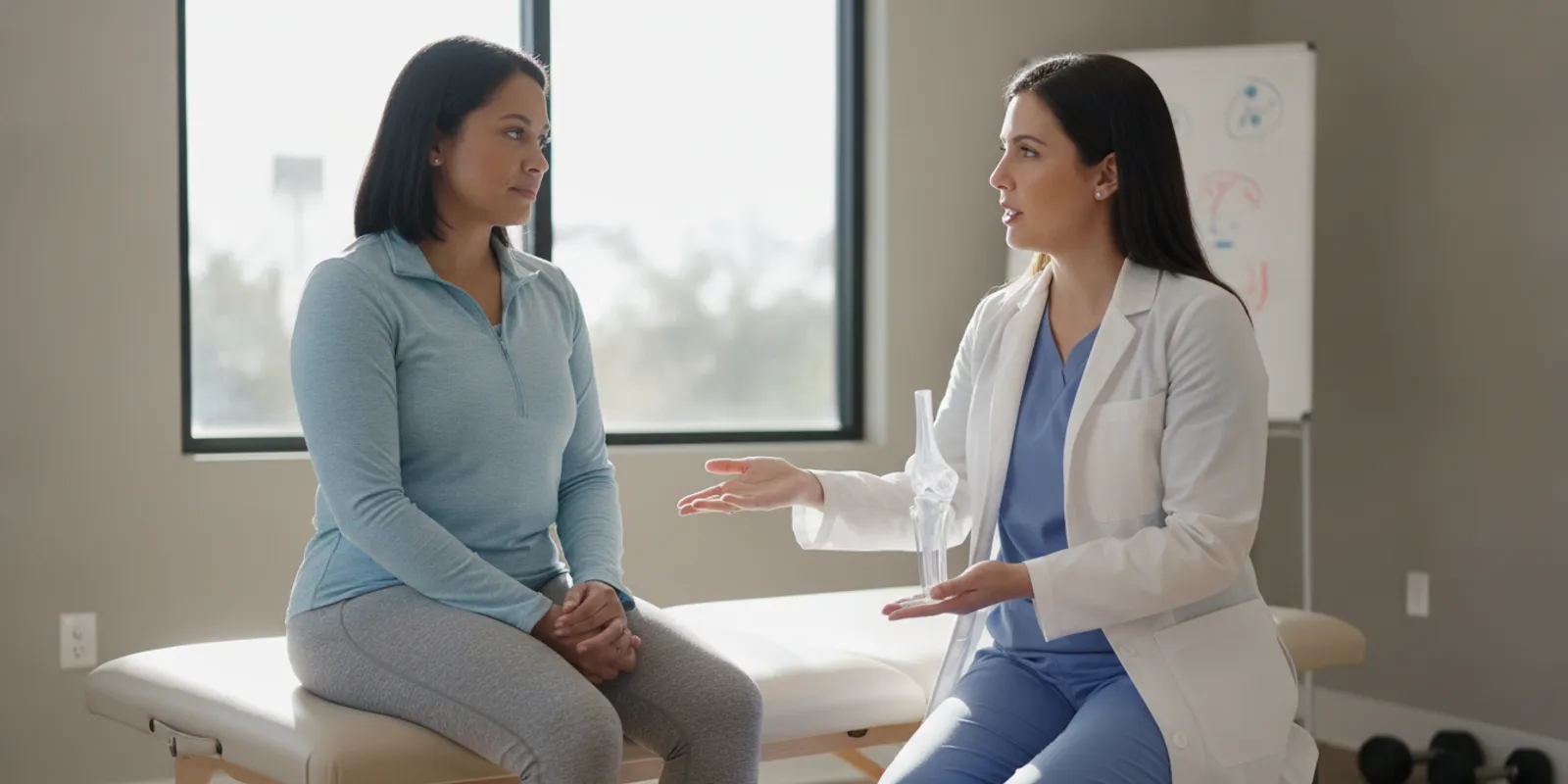
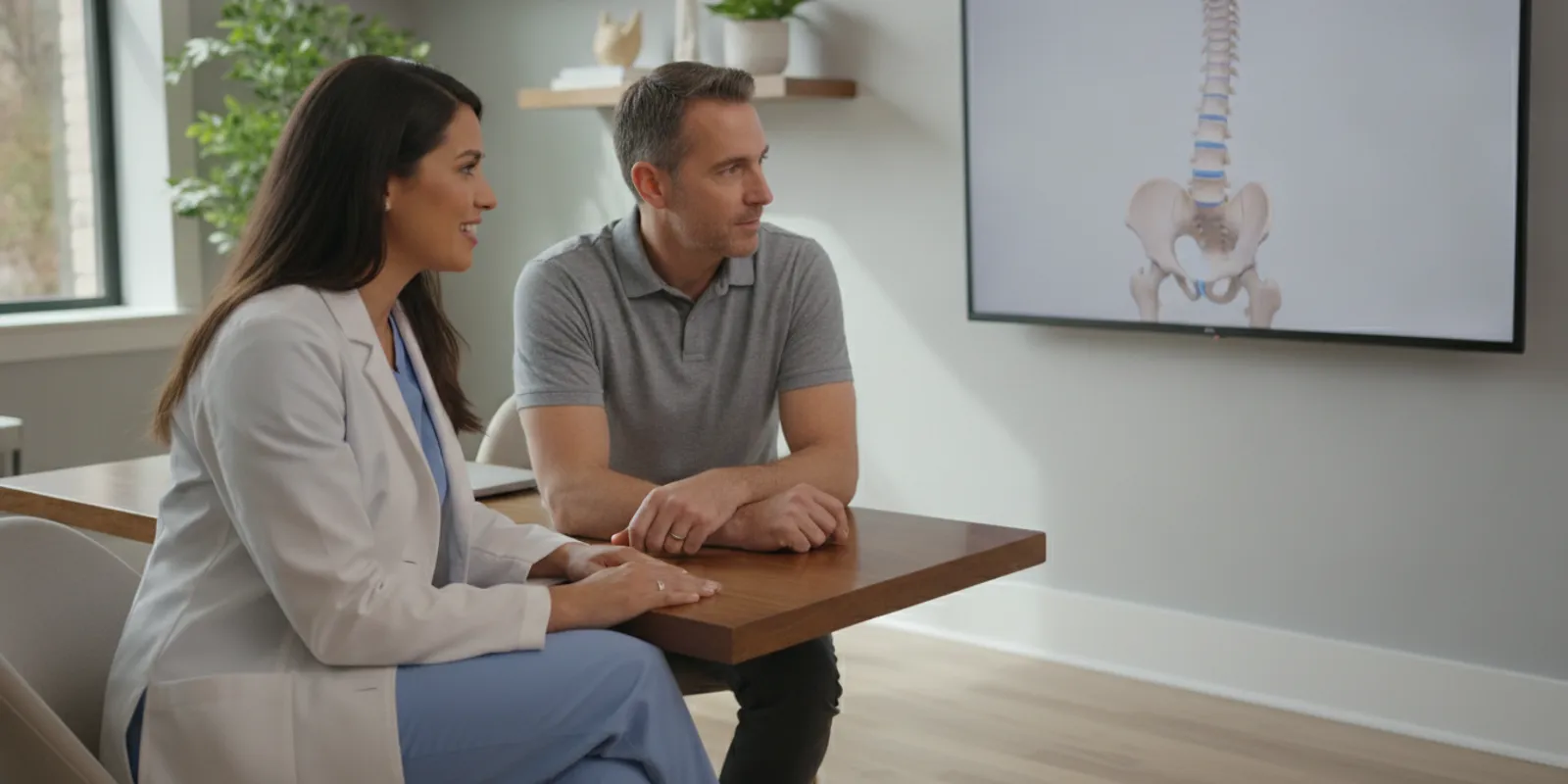
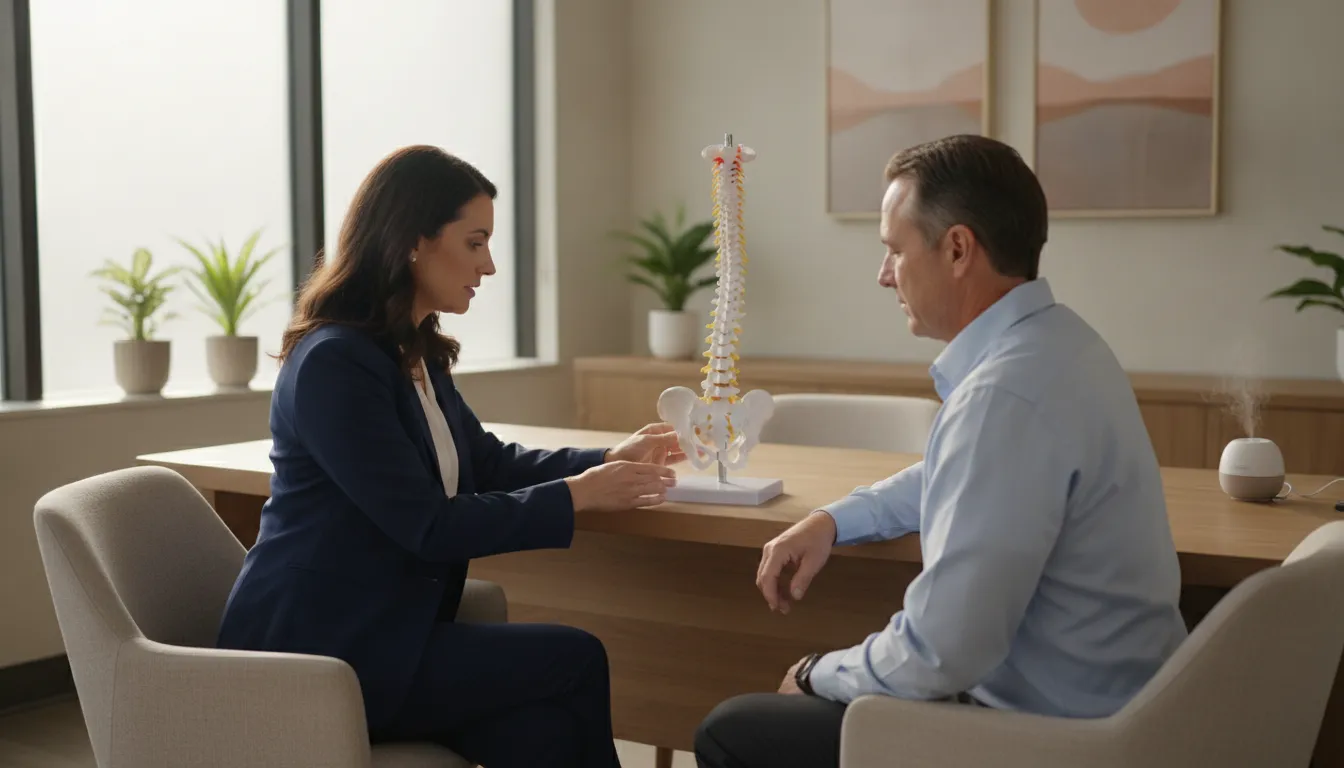
A scan can show a disc change and still leave the important questions open. Where do symptoms travel? What can you no longer do? Is the pattern settling or spreading? Clinicians look at the history, the exam, and how you function together. The image is one piece, not the whole story.
Recovery is also practical. It can mean a longer walk, a meal you can sit through, or sleep that is not broken up. If those markers are stuck, waiting for the calendar is not the only option. Ascend is a Tampa Bay integrative practice at 3916 N Dartmouth Ave., Tampa, FL 33603. For a disc concern, the first conversation usually sits in Physical Medicine: chiropractic care, decompression, and a look at how you move.
How can decompression, SoftWave, and chiropractic change the timeline?
Used together after an exam, decompression, SoftWave, and chiropractic care aim to reduce pressure, calm irritated tissue, and restore motion so recovery does not depend on time alone.
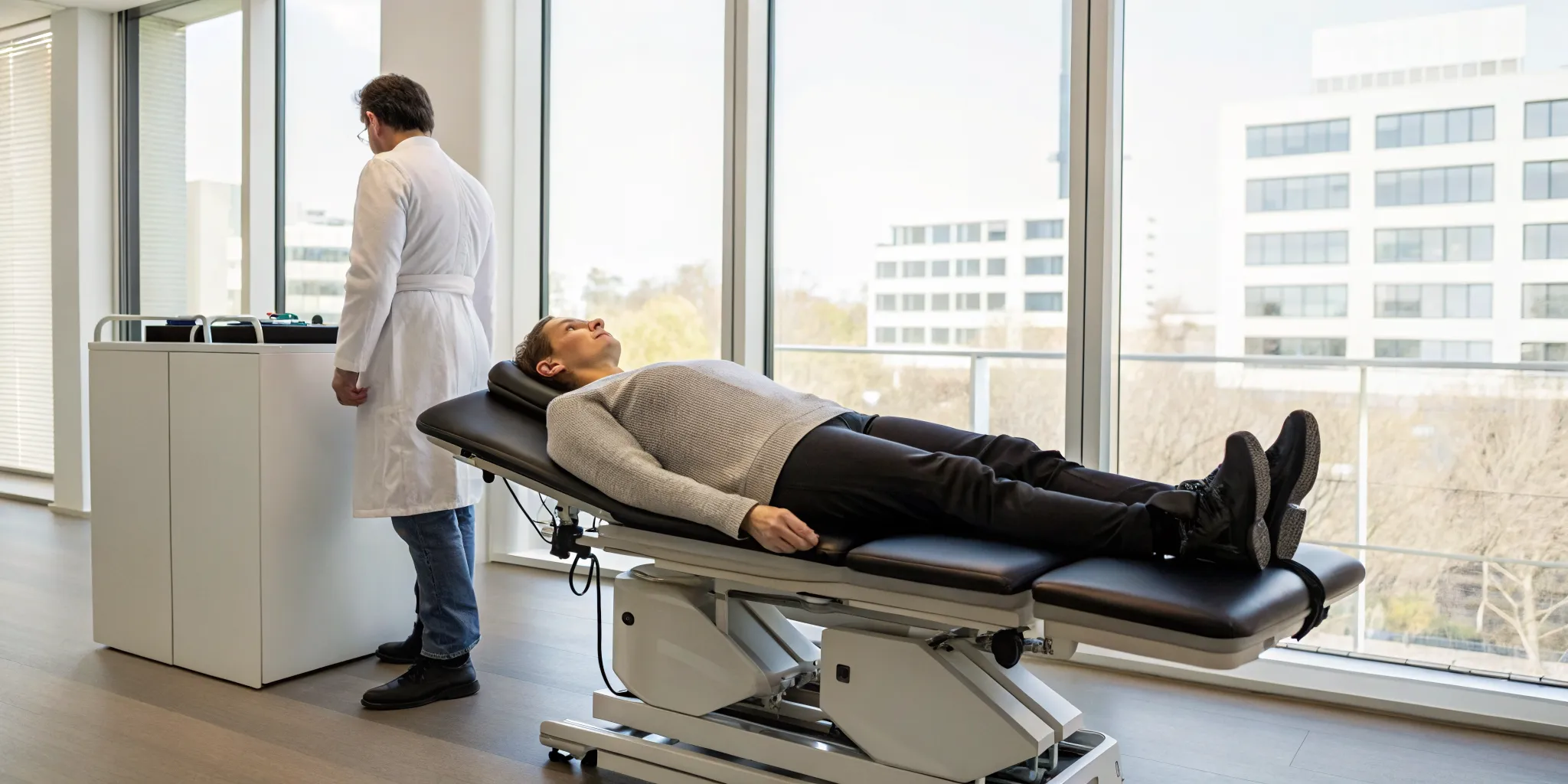
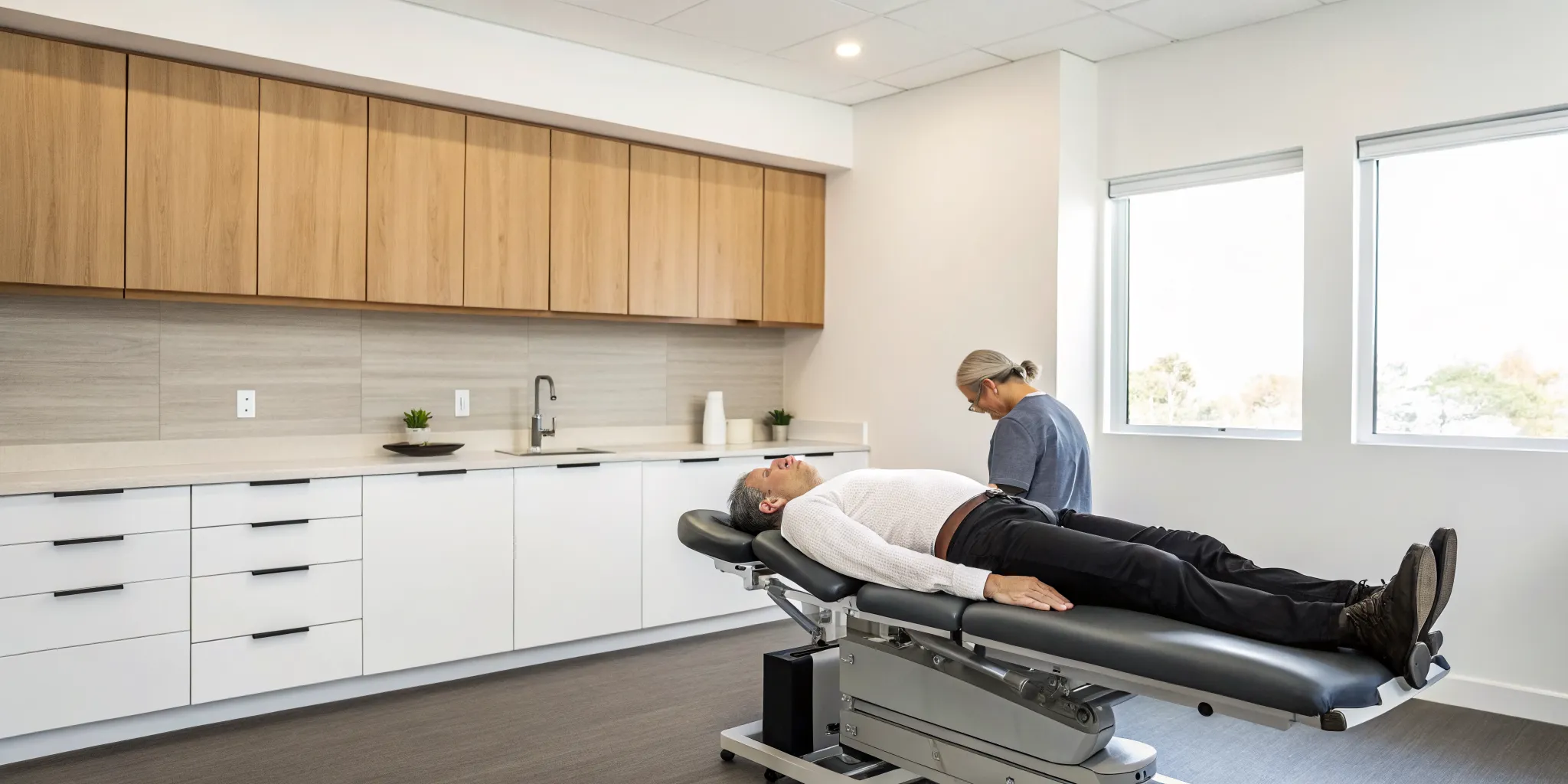
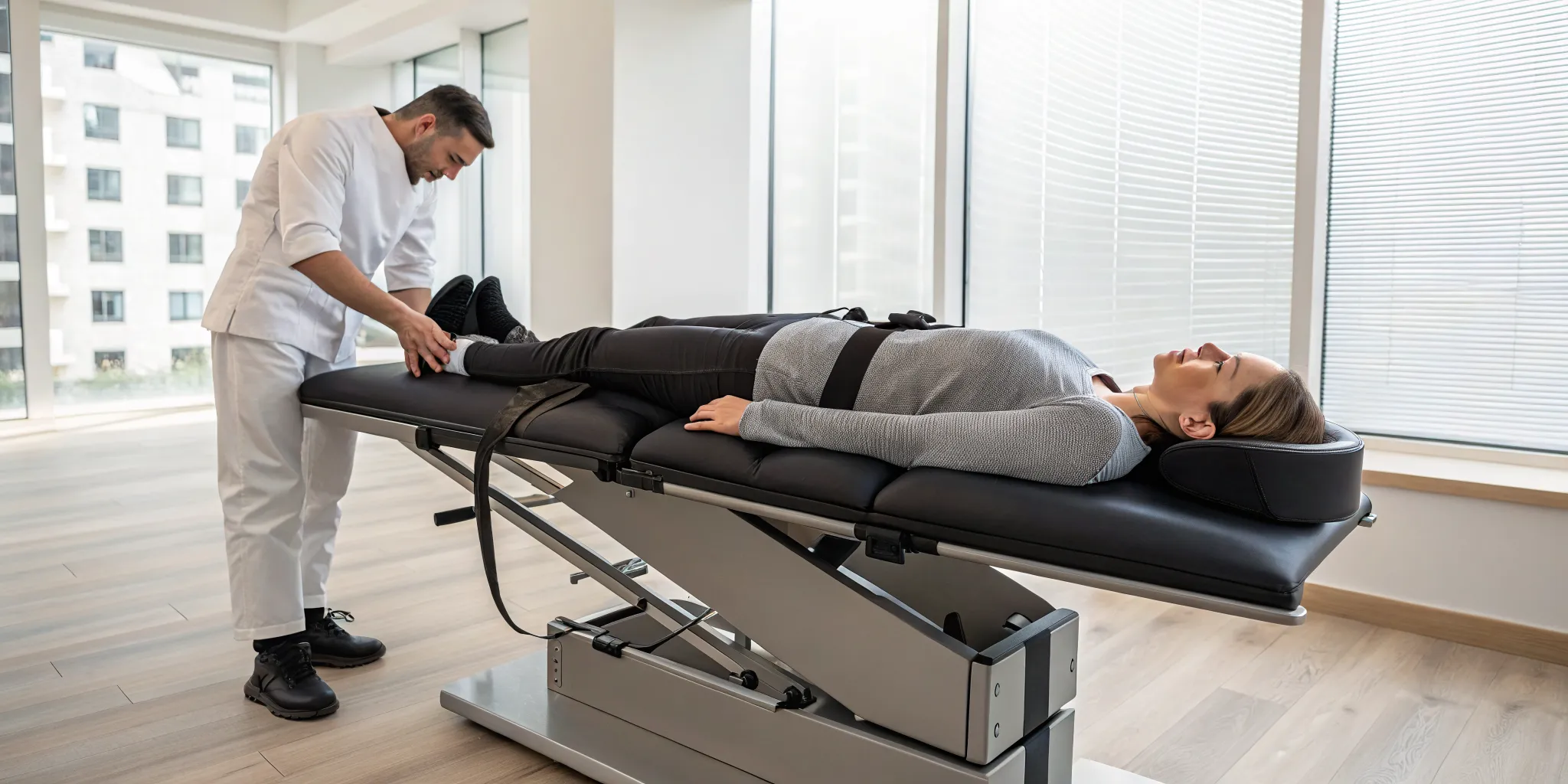
Spinal decompression uses a motorized table to gently stretch the spine at set angles. The goal is negative pressure inside the disc, which can draw bulging material toward center, improve nutrient flow, and ease pressure on irritated nerve roots. Ascend's spinal decompression therapy page describes protocols for disc herniation and sciatica. A common course is 12 to 20 sessions over 4 to 6 weeks. Many people notice a change within a few sessions. That is an observation from care, not a promise that every disc will heal on that schedule.
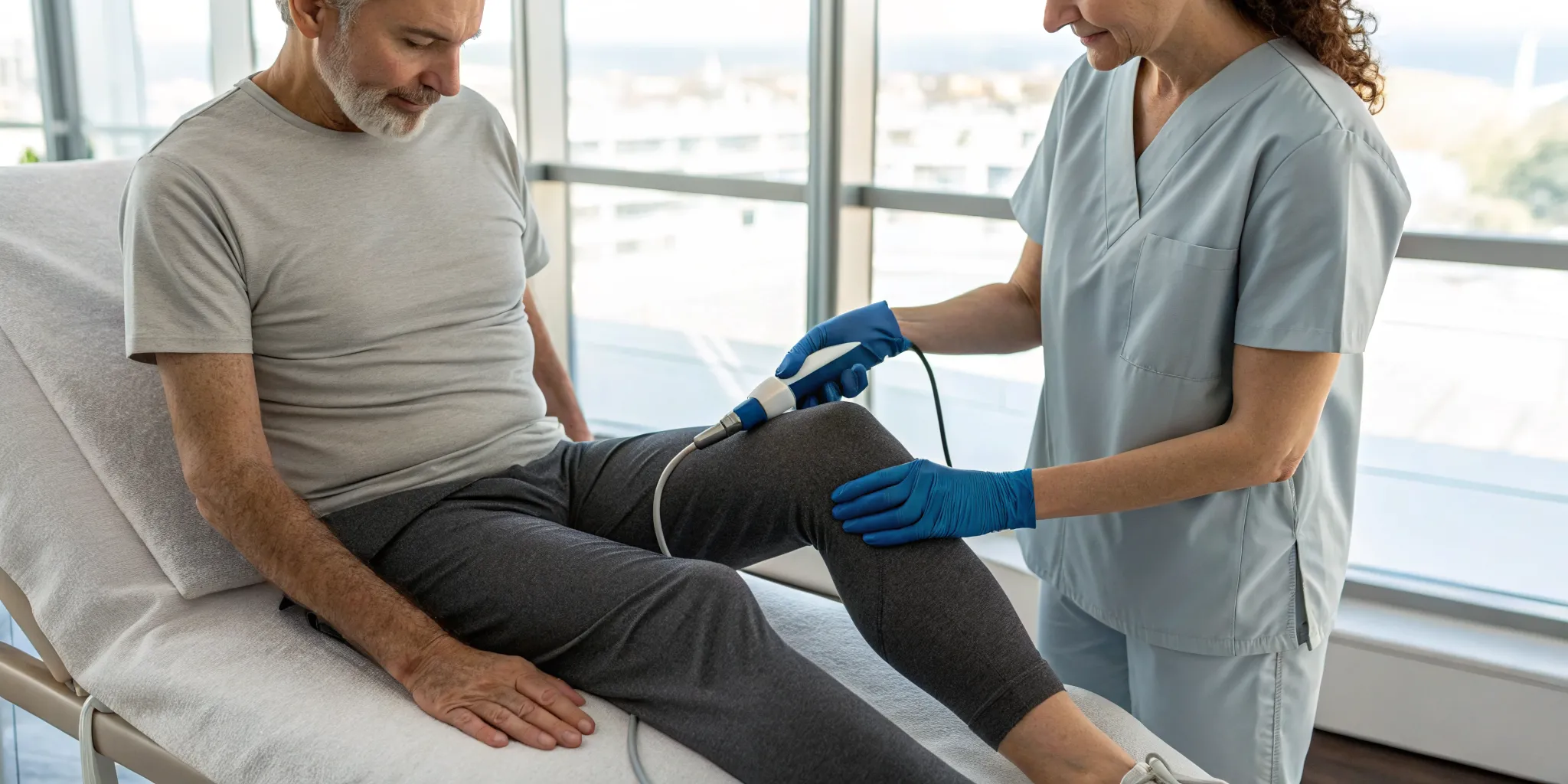
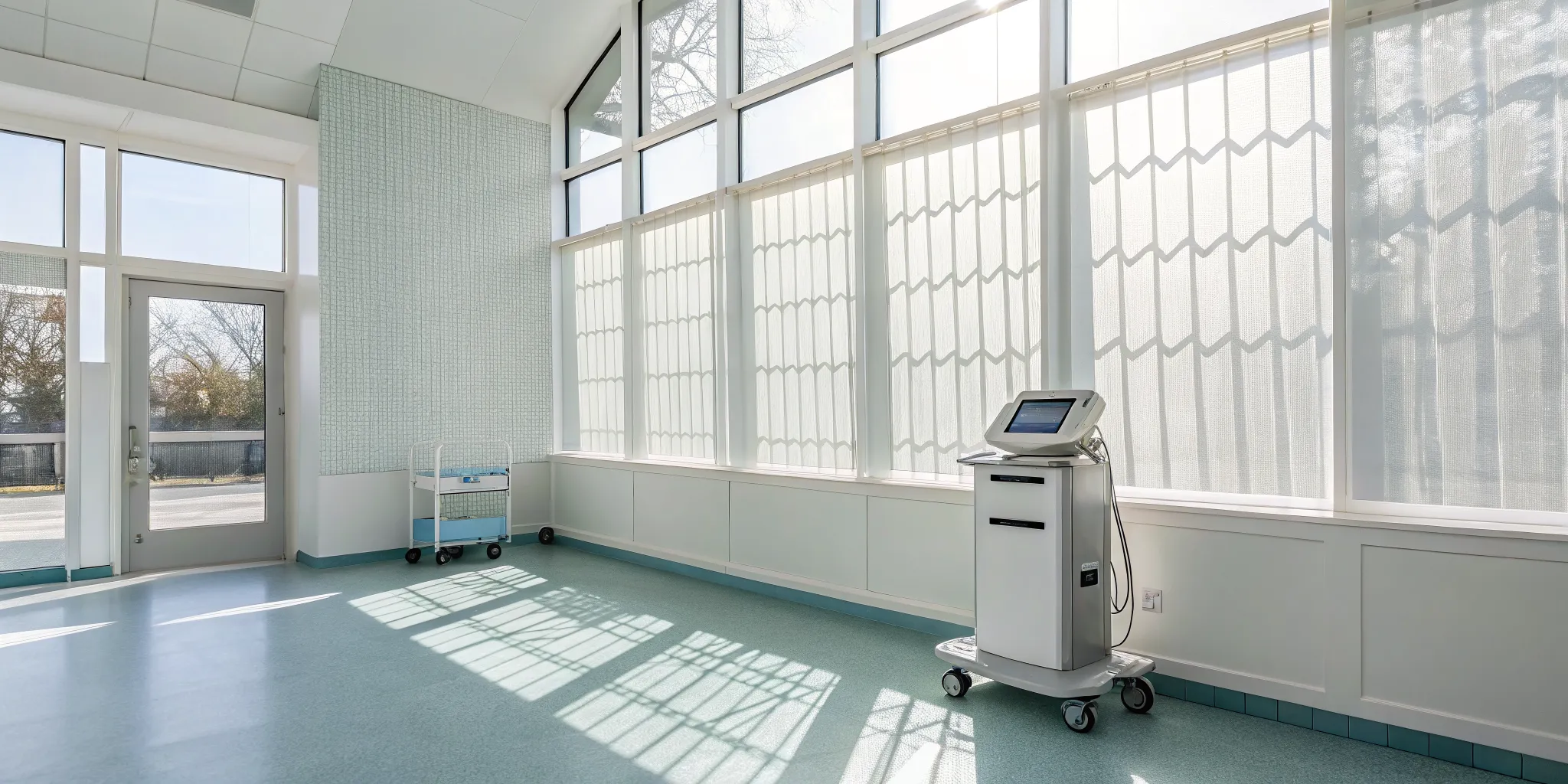
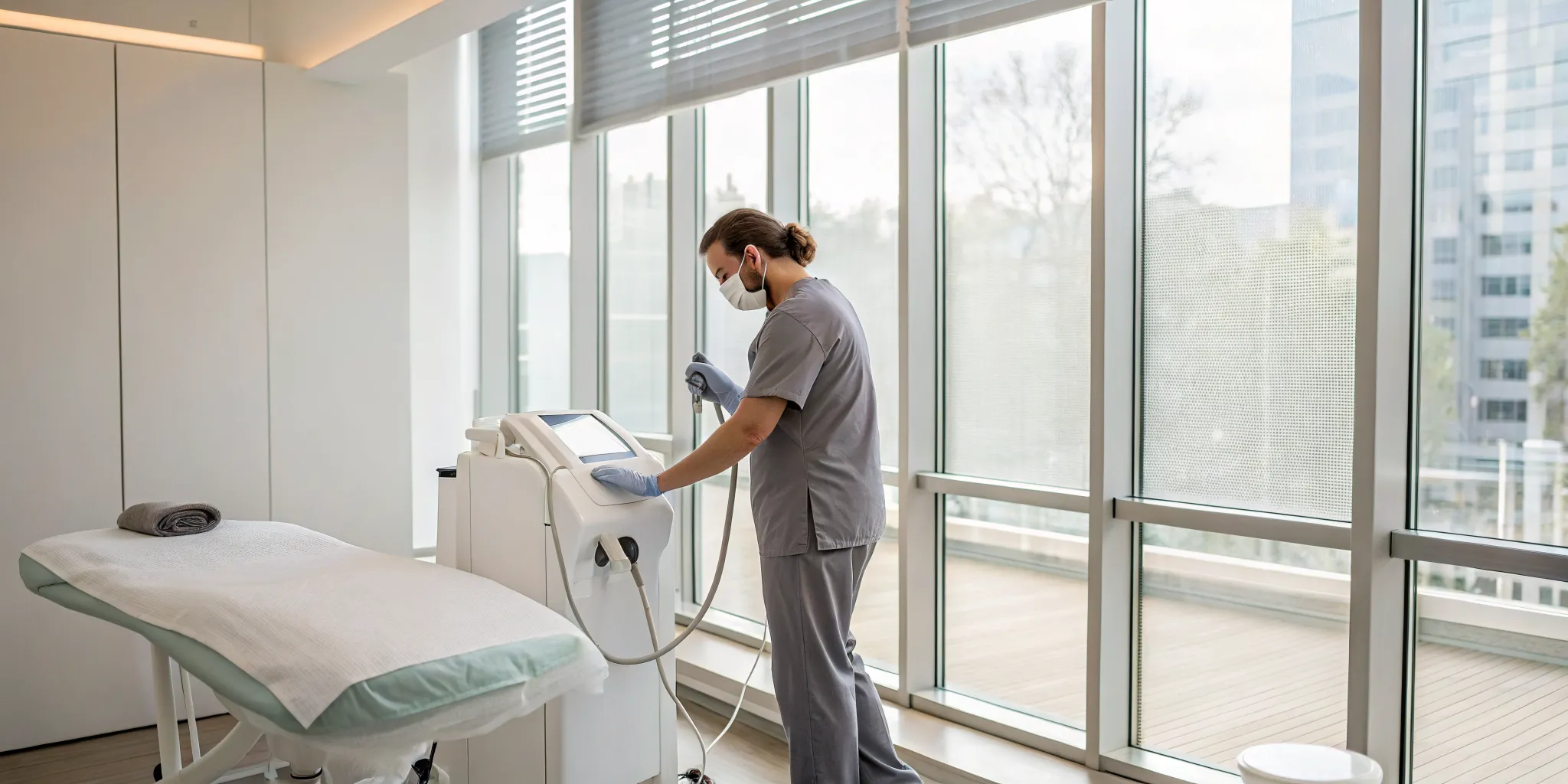
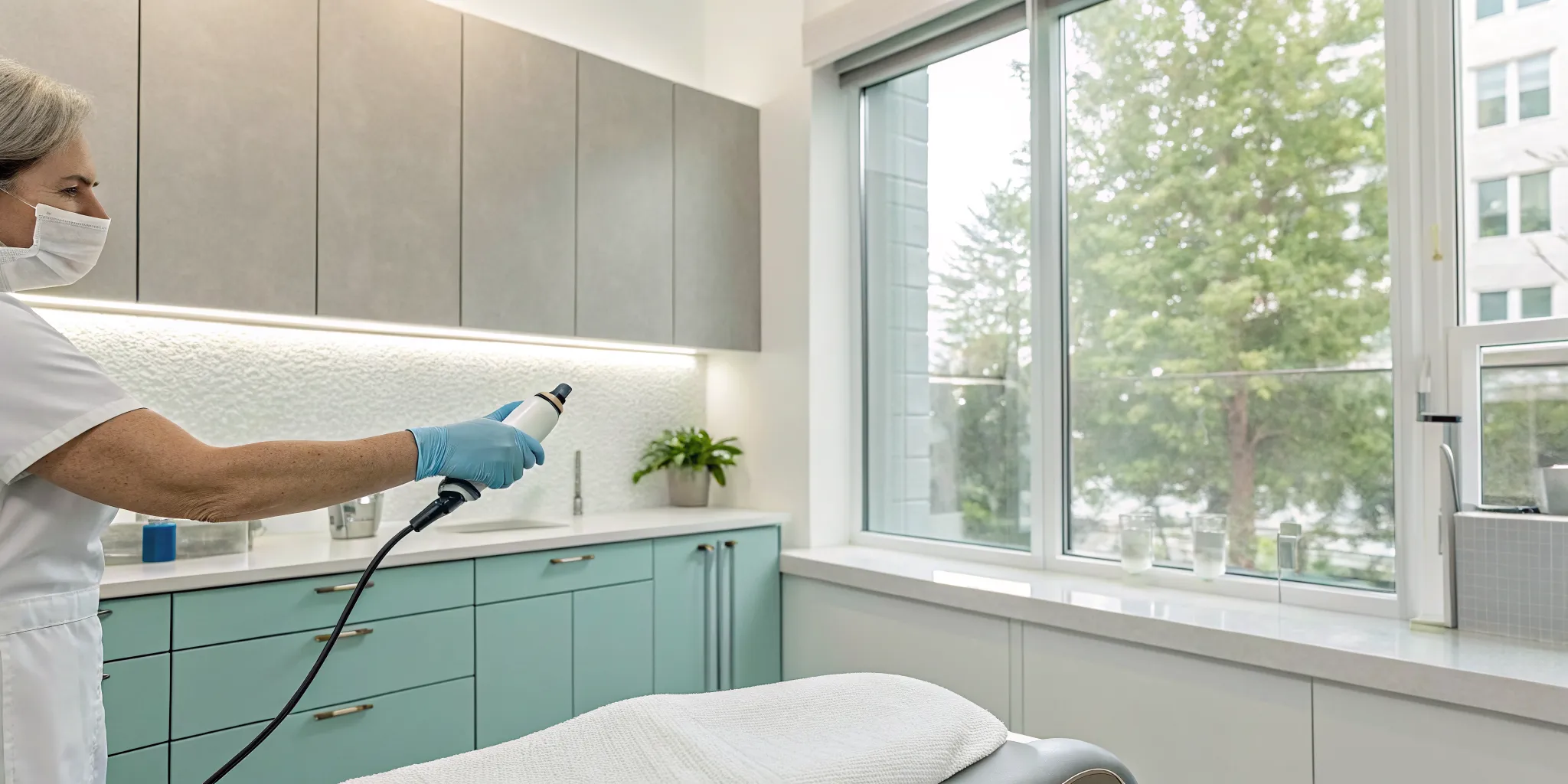
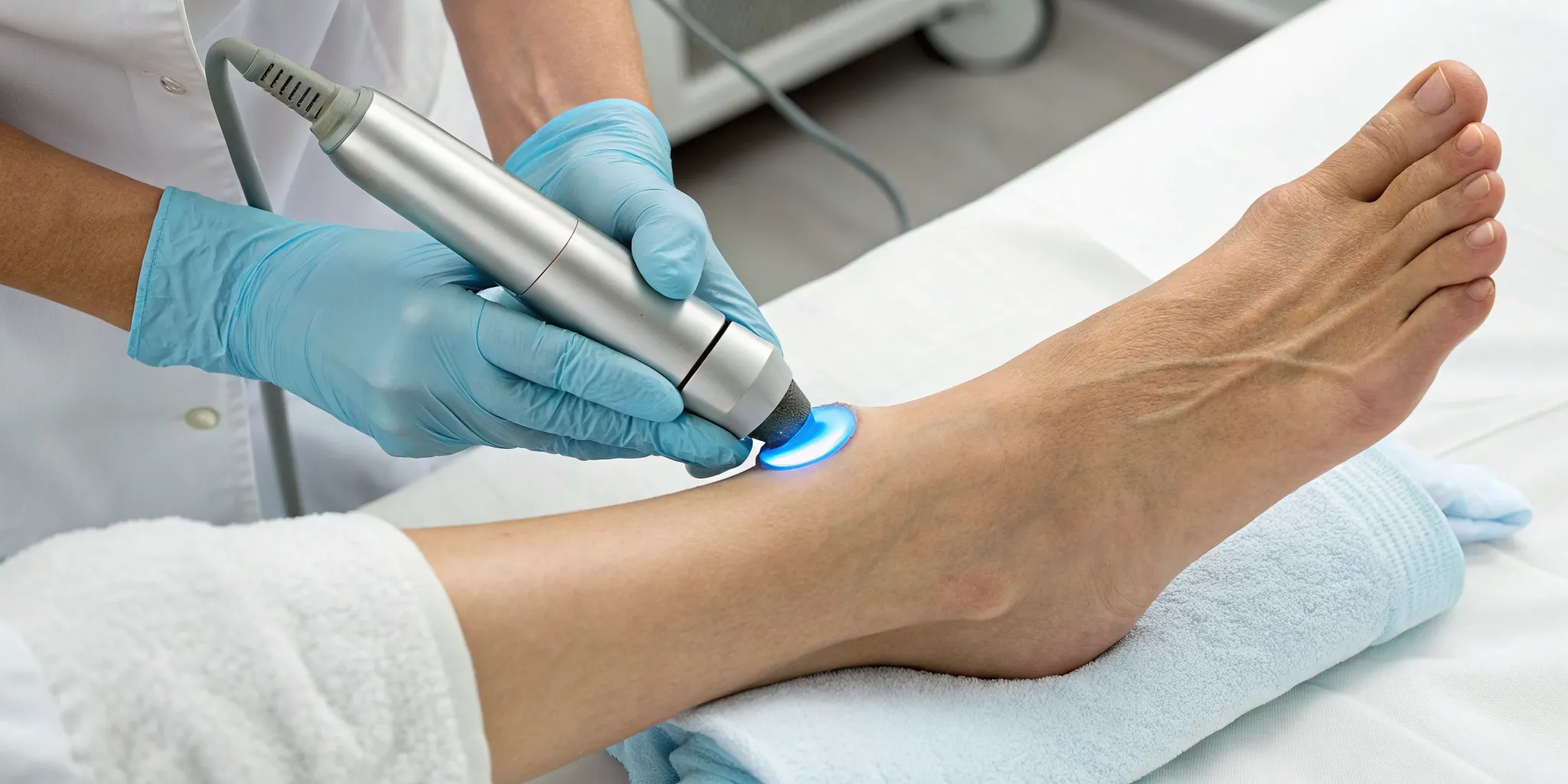
SoftWave is Ascend's shockwave device. It sends unfocused acoustic waves into tissue to support blood flow and the body's repair response, without injections or downtime. The SoftWave therapy page notes that many people notice less pain and easier movement within 1 to 3 sessions, with a typical plan of 6 to 8 visits. SoftWave is FDA cleared. It is not a cosmetic treatment. Here it is used as regenerative support next to the mechanical work of decompression and chiropractic care.
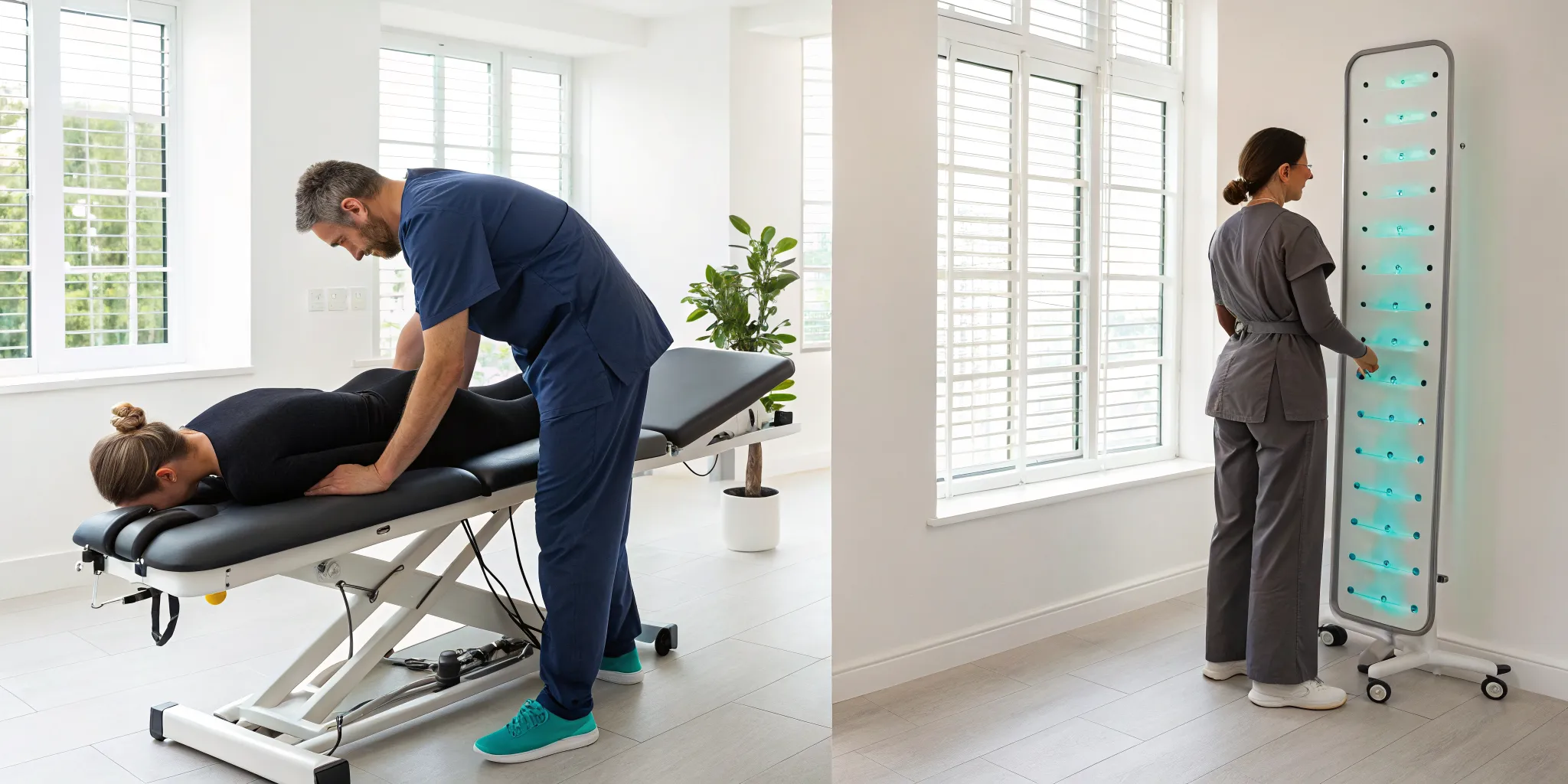
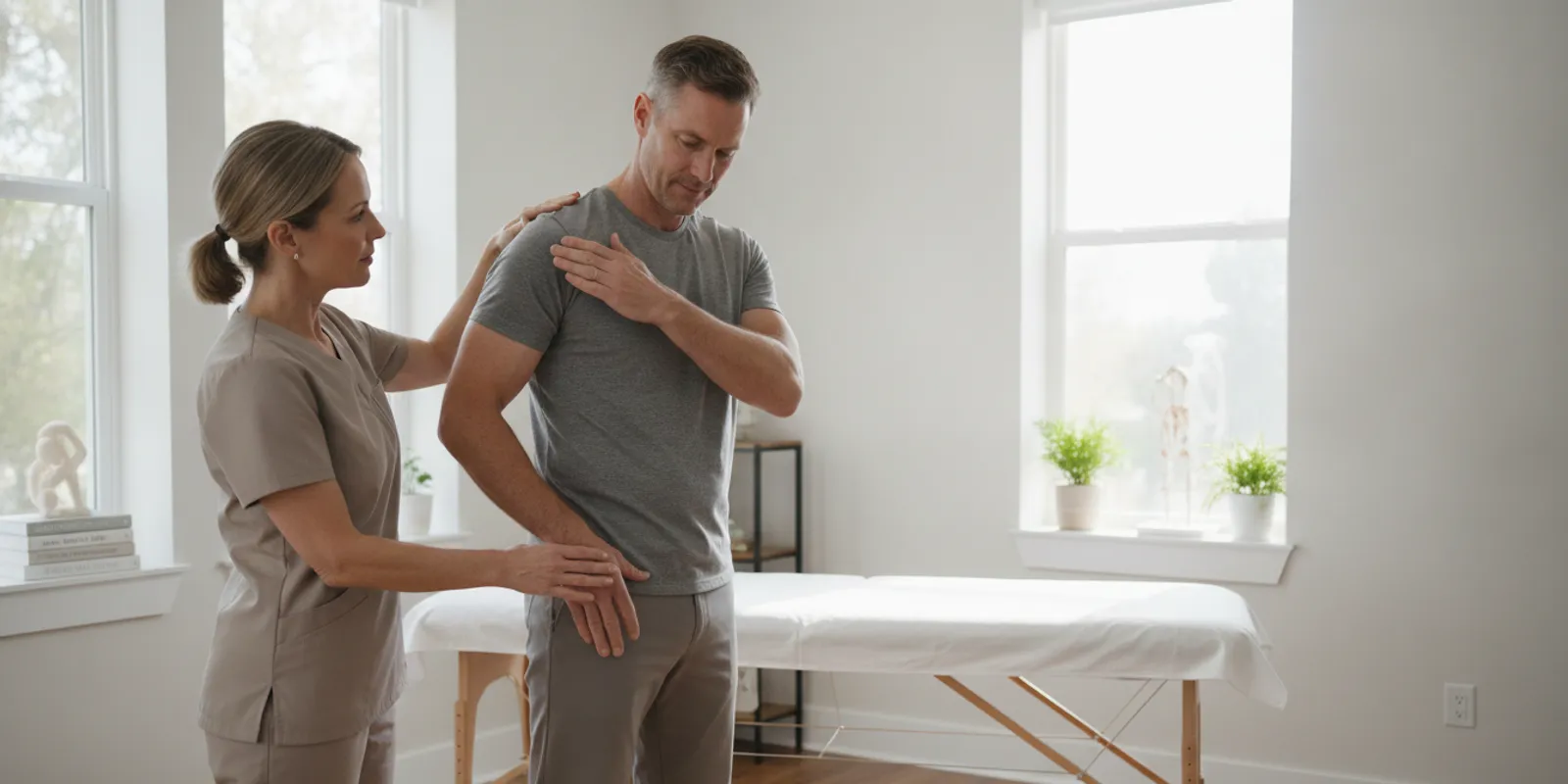
Chiropractic care addresses how the spine and surrounding joints are moving. When motion is limited, the same disc can stay irritated by ordinary sitting, bending, and walking. Adjustments and movement work are chosen from the exam, then paired with decompression and SoftWave when the findings support that mix. You can read how the practice describes chiropractic care before a visit.
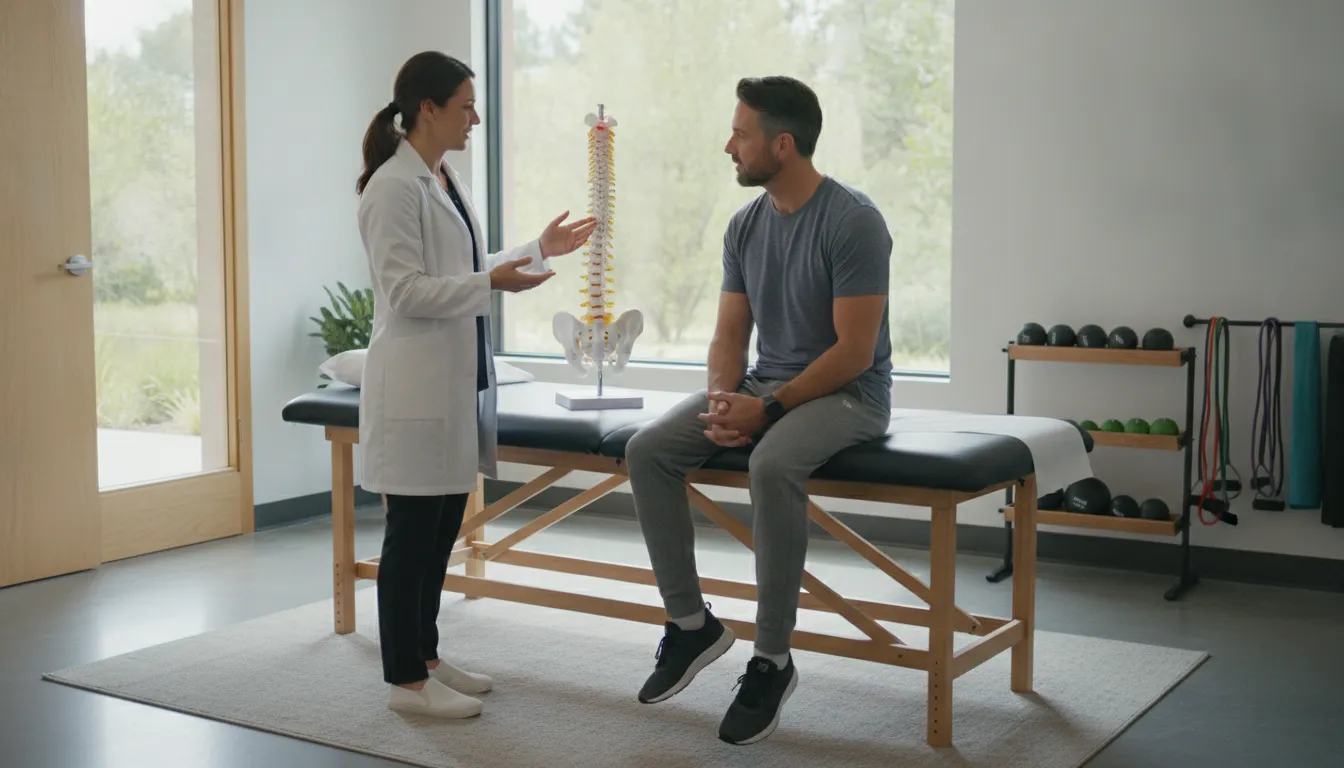
The shorter timeline comes from stacking those steps instead of waiting for symptoms to fade on their own. Decompression unloads the disc. SoftWave supports the tissue around it. Chiropractic care restores motion so daily tasks load the area less harshly. None of the three replaces an exam, and none is right for every person. If the findings point somewhere else, the visit should say that plainly.
What does a herniated disc feel like day to day?
A herniated lumbar disc often shows up as low-back pain, leg symptoms, or both, and the pattern of those symptoms matters more than the label on a report.
People usually describe one or more of these:
- Local back pain that is worse with sitting, bending, or a long drive.
- Pain into the buttock or leg, sometimes called sciatica, that may change with position.
- Tingling, numbness, or a heavy feeling in part of the leg or foot.
- A task that used to be easy, such as a walk, a workday, or rolling over in bed, that now has a limit.
Two people can share the same disc finding and have very different days. One may walk farther each week while long sitting still sets symptoms off. Another may notice spreading leg symptoms or new weakness. The first pattern can be discussed as a monitoring plan with active care. The second is a reason to be seen rather than to wait out the month.

How should you track whether healing is actually happening?
A short weekly note on location, flare length, and one daily task shows whether you are improving, stuck, or getting worse.
For one week, write three lines after a familiar part of the day:
- Where symptoms sit, and whether they stay in the back or travel into the leg.
- How long a flare lasts after sitting, walking, or bending.
- One task you could do, and one you had to change or skip.
Compare similar days, not your hardest day with your easiest one. A busier afternoon can flare symptoms without showing that the disc has worsened. One easier morning does not mean recovery is finished. Look at the week: symptom location, how long flares last, strength and sensation, sleep, and the activities you can manage.
Bring that page, plus any imaging report you already have, to the visit. The clinician can set the notes next to the exam instead of rebuilding the week from memory. Clear outcomes to watch during care are simple. Flares that settle sooner. A walk that lasts longer. Sitting that no longer ends the workday. Sleep with fewer interruptions. Those are the markers a plan at Ascend is built to move, and they are reviewed as care goes on rather than assumed at the start.
How do decompression, SoftWave, and chiropractic compare?
Each tool has a different job, and a plan uses the ones that match the exam rather than applying all three by default.
| Approach | What it targets | Typical course at Ascend | What progress can look like |
|---|---|---|---|
| Spinal decompression. | Pressure on the disc and nearby nerve roots. | 12 to 20 sessions over 4 to 6 weeks. | Less radiating pain and easier walking as the disc is unloaded. |
| SoftWave therapy. | Irritated soft tissue and local blood flow. | Often 6 to 8 sessions. | Less pain and easier motion, sometimes within the first few visits. |
| Chiropractic care. | Joint motion and how daily tasks load the spine. | Set from the exam and rechecked as you improve. | Sitting, bending, and walking that provoke symptoms less often. |
A plan might start with decompression and chiropractic care, then add SoftWave if tissue irritation is still limiting motion. Another person may need a different mix, or a referral if red-flag findings show up. The comparison is a starting point for the conversation, not a menu you choose alone.
When should you arrange an evaluation instead of waiting?
Arrange an evaluation when function is stuck, symptoms are spreading, or you want a plan that does more than watch the calendar.
Monitoring can be reasonable when symptoms are mild, slowly settling, and not limiting more tasks each week. An evaluation is the better next step when:
- Leg symptoms, numbness, or weakness are new or getting worse.
- Walking, work, or sleep is more limited than it was a week or two ago.
- Several weeks have passed and the practical markers are not moving.
- You want to know whether decompression, SoftWave, or chiropractic care fits before more time passes.
Some changes need immediate medical attention, not a routine visit. Loss of bladder or bowel control is rare and can signal cauda equina syndrome, which the AAOS says needs immediate attention. New or worsening leg weakness, or a change in sensation around the groin, also needs prompt attention. Do not wait for a scheduled appointment if those occur.
For everyone else, the point of coming in is to match care to the exam. Ascend's herniated disc treatment page outlines non-surgical options used in Tampa. The visit should name the activities you want back and what would count as progress over the next few weeks.
What can a combined plan look like over a few weeks?
A combined plan is a short, reviewed sequence of decompression, SoftWave, and chiropractic care, with progress judged by function rather than by a fixed promise.
People often arrive after they have already waited. Sitting through a workday is hard. A walk that used to be easy now stops early. Sleep breaks up. The evaluation starts with those limits, not with a generic calendar. The clinician compares your notes, any imaging you already have, and the exam, then decides which of the three tools belongs in the first weeks.
A common shape, when the findings support it, looks like this:
- Early visits focus on unloading the disc with decompression and checking how the spine is moving.
- SoftWave is added when irritated tissue is still limiting motion or keeping pain high between sessions.
- Chiropractic care is adjusted as motion returns, so daily tasks load the area less harshly.
- Every few visits, the same markers are rechecked: flare length, walking tolerance, sitting tolerance, and sleep.
The decompression page describes a course of about 4 to 6 weeks. SoftWave plans are often shorter, around 6 to 8 sessions. Those ranges are typical schedules, not a promise that symptoms will be gone by a certain day. Some people notice easier walking within the first few sessions. Others need the full course before the practical markers move. If a marker is not moving, the plan should change or the visit should say that another path fits better.
What "shorter" means here is specific. It means fewer weeks spent only waiting, because pressure on the disc, tissue irritation, and lost motion are being addressed at the same time. It does not mean every herniation disappears, and it does not replace immediate medical attention when red-flag symptoms show up. The outcome to ask about is the one you can feel in a normal day: a longer walk, a work block you can finish, and sleep that stays more continuous.
Bring one week of the three-line note to the first visit. That page gives the clinician a baseline. Later visits can use the same three lines, so you and the team can see whether decompression, SoftWave, and chiropractic care are actually changing the timeline for you.
Schedule a disc recovery evaluation
Frequently Asked Questions
These answers give general context. Your symptoms and exam should guide decisions with a clinician.
Can a herniated lumbar disc improve without surgery?
Yes. Many people improve without an operation, though timing varies. The AAOS describes a few weeks to months as a common window, and most patients no longer have symptoms by 3 to 4 months. An evaluation can show whether decompression, SoftWave, and chiropractic care may support a shorter, more active recovery.
How can care at Ascend shorten the recovery window?
After an exam, decompression can unload the disc, SoftWave can calm irritated tissue, and chiropractic care can restore motion. A decompression course is often 4 to 6 weeks, and SoftWave plans are often 6 to 8 sessions. Results vary, and the plan is adjusted to your findings rather than promised in advance.
Does an MRI decide whether the disc will heal?
No. Imaging shows structure. Symptoms, function, and the physical exam decide what to do next. A clinician can explain how a report relates to the way you actually feel and move.
Which changes need prompt attention?
New or worsening weakness, a change in sensation around the groin, and loss of bladder or bowel control need prompt attention. The AAOS notes that loss of bladder or bowel control is rare and may signal cauda equina syndrome, which needs immediate care.
What should I bring to a disc evaluation?
Bring a short symptom note, a list of tasks you had to change, any imaging report you have, and the activities you want back. Those details help the clinician decide whether decompression, SoftWave, chiropractic care, or another next step fits.
Request a disc recovery evaluation
This article is for education only. It is not medical advice, a diagnosis, or a promise of results. Talk with a qualified clinician before starting or changing care.