You used to finish a hard session and feel ready to go again. Now strength comes back slowly, your energy drops before the day ends, or training no longer gets the response you expect. If you are asking, does peptide therapy work, begin with the performance change you notice and a clinical review—not a promise about a substance.
Discuss your performance goals with a clinician
How should you define the performance change you want to address?
A clear, observable goal gives the clinician a practical starting point and a way to revisit progress later.
“Get my game back” is a real goal, but it can describe several different problems. You may mean recovering between sessions, maintaining strength through an ordinary week, or having enough energy to finish your workday. Describe the change in your own words. Note when it began, whether it has stayed consistent, and how it affects activity you used to handle.
Be specific about the pattern. Do you feel a difference only after demanding sessions, or does low energy show up on rest days too? Has your usual activity changed? Do you feel limited by strength, recovery, discomfort, or something else? These details help turn a broad concern into questions a clinician can assess.
Write down a simple baseline before your visit. For example: “I used to complete my usual sessions and feel ready to return two days later. Now I need longer before I feel prepared.” Or: “My strength feels steady during activity, but my energy is much lower by late afternoon.” These notes are not a diagnosis. They make your experience easier to discuss and compare over time.
Ascend describes its personalized peptide protocols as part of its clinical offering. A page about a service cannot determine whether it fits your situation. Suitability should follow a review of your goals, history, symptoms, and relevant findings.
Why can peptide therapy have different results for different people?
People bring different goals, health histories, and clinical findings, so one person’s experience cannot predict your response.
Two former athletes may both report slower recovery, but the details may differ. One person may notice a change after a shift in sleep or activity. Another may report lower daytime energy along with other symptoms. Those accounts help guide a conversation; they do not prove a shared cause or point automatically to the same approach.
Effectiveness is not a single feeling or number. Before deciding whether a plan is helping, agree on the outcome you are trying to change. That might be returning to a familiar activity, feeling prepared for the next session, or having steadier energy through a normal day. The measure should fit your actual concern and be possible to describe consistently.
There are also limits to self-assessment. A stronger week could reflect several changes at once, while a difficult week does not by itself show that a plan has failed. Changes in schedule, sleep, activity, and other health factors can affect how you feel. A clinician can help interpret the pattern alongside your history and any relevant evaluation.
Ascend organizes its services around Physical Medicine, Functional Medicine, and Regenerative Medicine. These are distinct clinical approaches, not promises of a particular result. The focus should follow your concern and the findings, rather than a service name chosen in advance.
What should a clinician review before discussing a protocol?
A clinician should understand your goals, health history, current concerns, and relevant examination or testing before discussing a personalized plan.
Prepare a short timeline. Note when your strength, recovery, or energy shifted; what has changed since; and which activities make the difference most noticeable. Bring a list of relevant health conditions, current treatments, prior evaluations, and test results you already have. You do not need to arrive with a diagnosis or a theory about the cause.
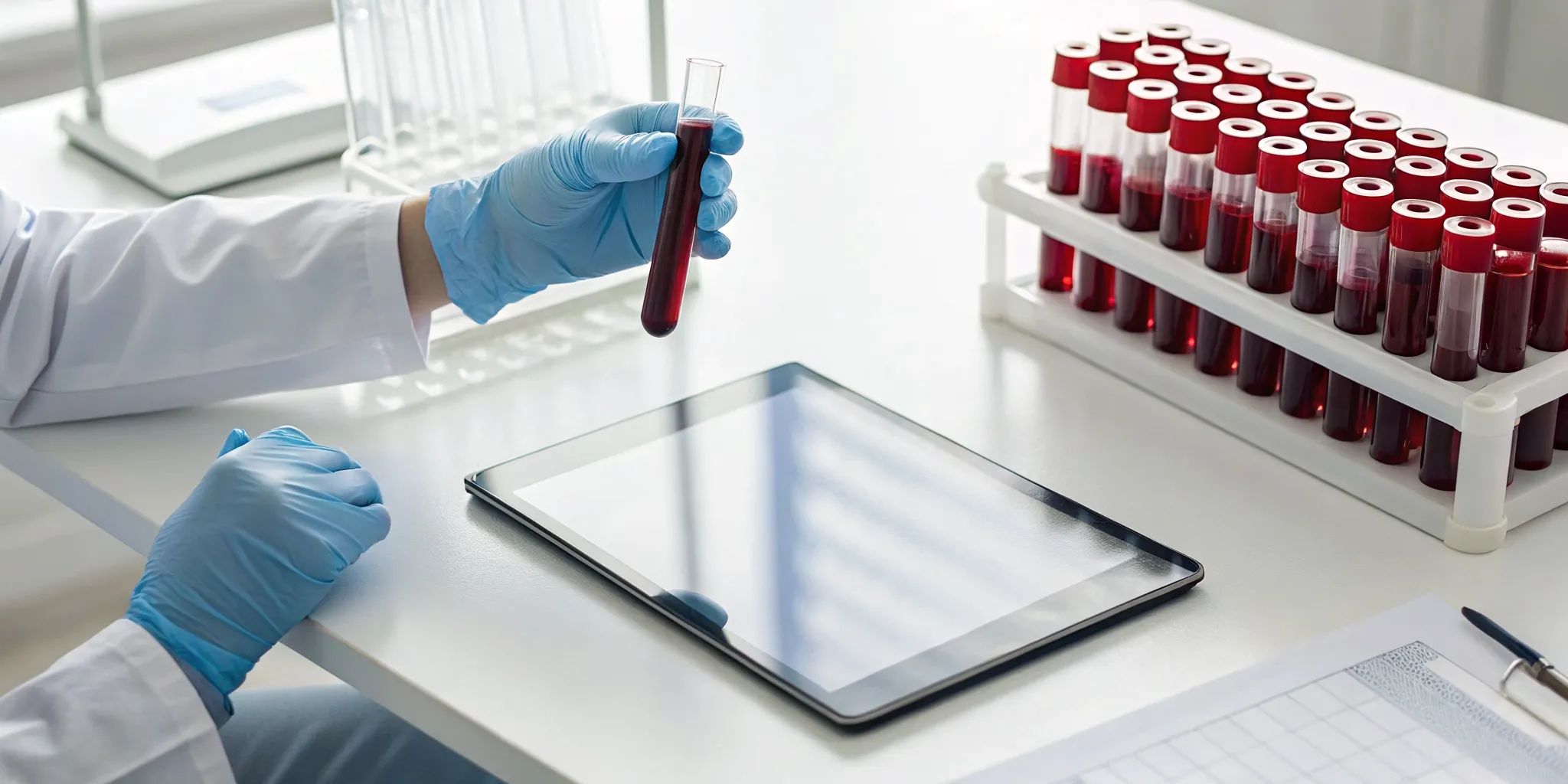
Testing may come up if it can help answer a clinical question. Ask why each proposed test matters, what it may clarify, and what it cannot establish. A result needs context from your history and symptoms; it should not be treated as a complete explanation on its own. Ascend’s bloodwork information can help you understand the practice’s testing services, while a clinician can discuss whether evaluation is relevant to your case.
Ask how the clinician decides whether peptide therapy is suitable for your specific goal. Which findings support considering it? Could another evaluation be more appropriate first? Which circumstances might make this approach unsuitable? A careful review can lead to a pause or a different direction. That is a useful outcome when the available information does not support the first idea.
Ascend’s service overview describes the three-pillar approach, and its practice information provides background on the setting. Use those pages to prepare questions, not to replace a clinician’s assessment of your own circumstances.

How do you compare peptide therapy with broader evaluation?
Compare options by the question they address, the information used to guide them, and the follow-up they involve—not by a broad claim or another person’s outcome.
One option may focus on a particular approach; a broader evaluation may first examine several possible contributors to your change in performance. These are not always competing paths. The order depends on your goals, relevant findings, and the clinician’s reasoning.
| Discussion point | Peptide therapy consideration | Broader clinical evaluation |
|---|---|---|
| Main purpose | Consider whether a specific approach has a clinical rationale for your goal | Review possible contributors to a change in strength, recovery, or energy |
| Starting information | Goals, history, suitability, and clinician review | History, examination, and tests when they address a useful question |
| Follow-up | Agreed observations and clinician reassessment | Review of symptoms, function, and relevant findings |
| Important limit | Individual response cannot be promised in advance | Evaluation can identify several factors or leave questions unresolved |
Use the comparison to ask practical questions. Does the proposed approach address your main concern? Should more assessment come first? How could a new finding change the next step? Ascend’s Functional Medicine approach includes review of bloodwork and other appropriate diagnostics when relevant. A clinician can explain how that kind of evaluation may or may not apply to your situation.
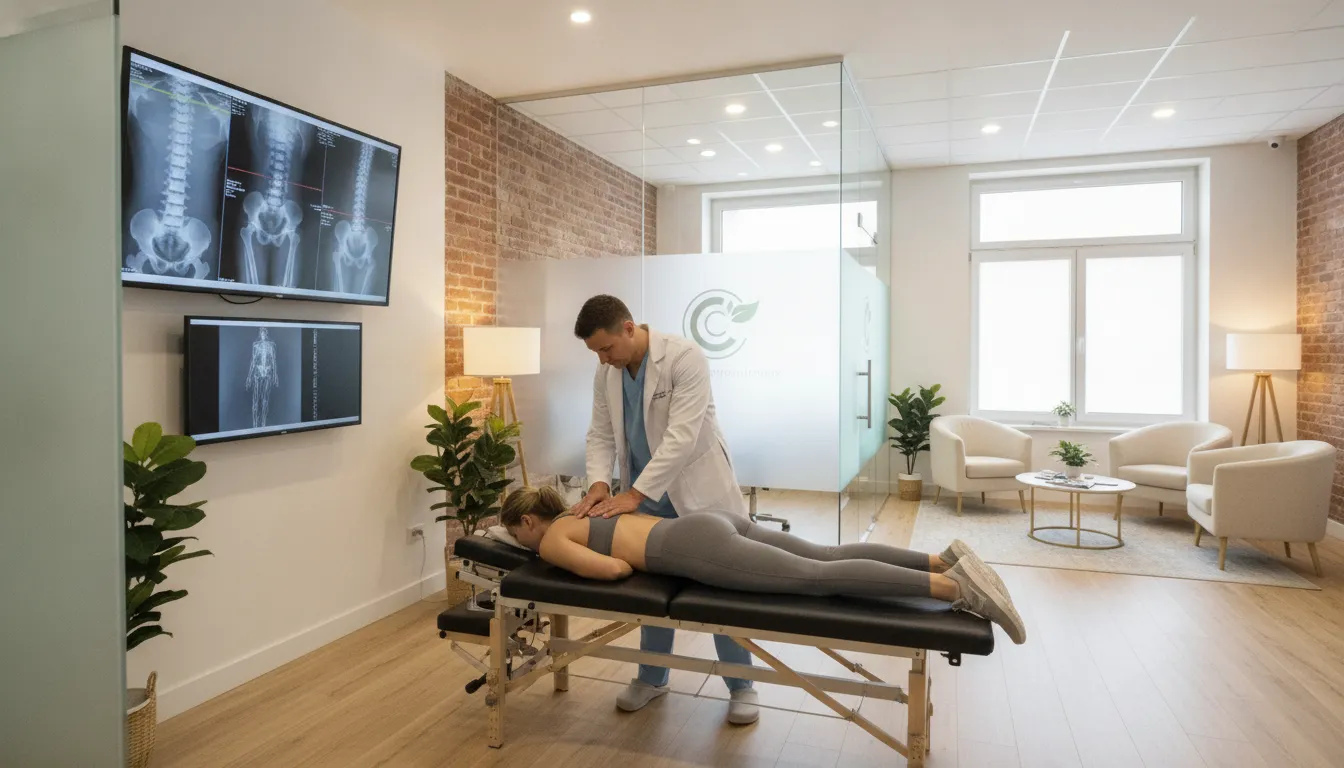
If your concern includes movement or a physical limitation, ask whether Physical Medicine should be part of the discussion. If a broader health review is relevant, ask how that fits alongside a Regenerative Medicine option. A plan can address more than one factor, but each part should have a reason connected to your findings and goals.
Which safety and uncertainty questions deserve a clear answer?
Ask about the specific approach being considered, its rationale, possible risks, and how a clinician would oversee the plan.
Useful questions include: Which evidence supports considering this for my goal? Which points remain uncertain? What risks or interactions should I raise based on my history and current treatments? Who should I contact with a concern? What would lead you to change or stop the plan? Ask for plain-language answers and time to consider them before deciding.
Regulatory information can depend on the product and intended use. Avoid assuming that a general statement applies to every preparation. For general regulatory information, start with the U.S. Food and Drug Administration and ask your clinician about the specific option under discussion. This is a source for questions, not an endorsement of a treatment or product.
Ask how the proposed option is sourced and which professional oversees your care. Request an explanation of how your history and current treatments were considered. If an answer is unclear, ask again or take time to consider it. Informed decisions require room for questions and an honest account of limits.
Ascend’s related service information may provide context about the broader clinical setting, but it does not establish that a particular option fits an individual. Keep the consultation focused on your own goal, findings, and the rationale for each recommendation.
How should goals and follow-up shape the plan?
A useful plan connects a measurable goal to clinical findings, a clear rationale, and follow-up that allows you and the clinician to review whether the approach still makes sense.
Choose a small number of observations to revisit. You might discuss how often you can complete an activity you planned, how you feel the following day, or whether energy changes through an ordinary workday. Pick measures that matter to you and that you can describe consistently. A clinician can help decide whether a formal assessment is appropriate.
Before starting, ask when the plan will be reviewed and which changes should prompt an earlier conversation. Clarify the intended outcome, the limits of what can be predicted, and the next step if the goal is not moving in the expected direction. These questions tie the decision to your starting concern rather than a vague expectation of feeling different.
At follow-up, compare your current experience with the baseline you recorded. Has the activity you care about changed? Is the difference consistent, partial, or absent? Have other concerns appeared? Your answers may support continuing the discussion, revising the approach, or considering another direction. They cannot, by themselves, prove that one factor caused every change.
Other parts of your situation may need attention too. Sleep, nutrition, movement, or a physical concern may be relevant to the clinical picture. If a movement-related issue stands out, Physical Medicine care may be part of the discussion. The right next step is the one that follows the clinical picture, not necessarily the first option you had in mind.

How can you prepare for a consultation in Tampa Bay?
A concise account of your performance gap and a few focused questions can make the consultation more useful.
Before the visit, take ten minutes to organize the details that may help the discussion:
- Write down when the change began and how it affects your day and activity.
- Describe the difference between your prior strength or recovery and your current experience.
- Bring relevant health history, current treatments, and test results already available to you.
- Choose one or two outcomes to discuss, such as recovery between sessions or energy through the day.
- Ask which evaluation is proposed, why it matters, and how the result could affect the next decision.
- Ask when follow-up would occur and how the plan could change as new information comes in.
Keep the focus on your own history rather than a protocol another athlete describes. You can also review the practice’s Tampa service information and frequently asked questions before your conversation. Ascend serves greater Tampa Bay and frames care around Physical Medicine, Functional Medicine, and Regenerative Medicine.
Testimonials and before-and-after accounts describe individual experiences, not forecasts. Another person’s story may help you form a question, but it cannot establish which approach suits you or what result to expect. A clinical evaluation, a reasoned plan, and meaningful follow-up give you a better basis for weighing a decision.
Frequently Asked Questions
These brief answers can help you prepare for a clinician-led discussion; suitability depends on your health history and findings.
Can peptide therapy guarantee better strength or recovery?
No. A clinician cannot promise a specific change in strength, recovery, or energy. Discuss the rationale, realistic goals, and follow-up before deciding.
Can another athlete’s experience predict my result?
No. Health history, goals, and findings differ. Another person’s story may prompt a question, but it cannot establish which approach is appropriate for you or what result to expect.
Should I have lab work before discussing peptide therapy?
Ask a clinician whether testing could answer a relevant question in your situation. The decision depends on your history and concerns; testing is not automatically needed for everyone.
What if evaluation points to another cause?
The plan should follow the findings. A clinician may discuss another focus or further evaluation rather than peptide therapy.
Discuss peptide therapy and your goals
Content is educational and not medical advice; consult your clinician before acting on health information or making a care decision.