You used to finish a session and still have something left. Lately a hinge, a sprint, or even tying your shoes sets off a sharp grab in the low back, and the next day the same move feels off. Friends call that slipping a disc in back. The phrase is common. It is not a diagnosis, and it does not tell you whether training should pause, change, or continue after a proper look. If the pattern keeps showing up, lumbar disc care is the service conversation to have after an exam, not before one.
Talk through herniated disc treatment before you guess at the cause
What Does Slipping a Disc in Back Actually Describe?
Slipping a disc in back is everyday language for a lumbar disc that has moved enough to irritate nearby tissue. Clinicians usually call the same finding a herniated, ruptured, or slipped disk.
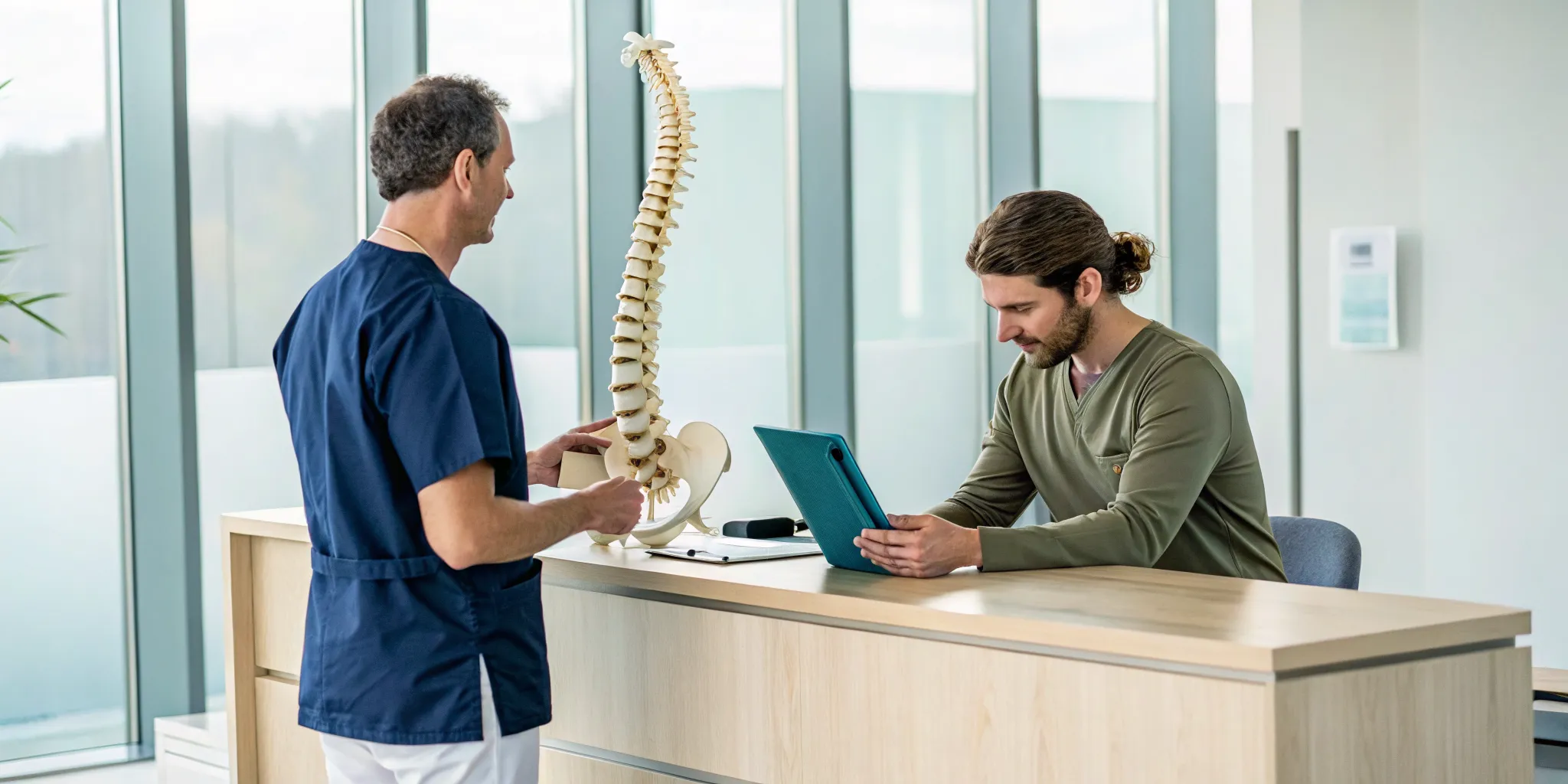
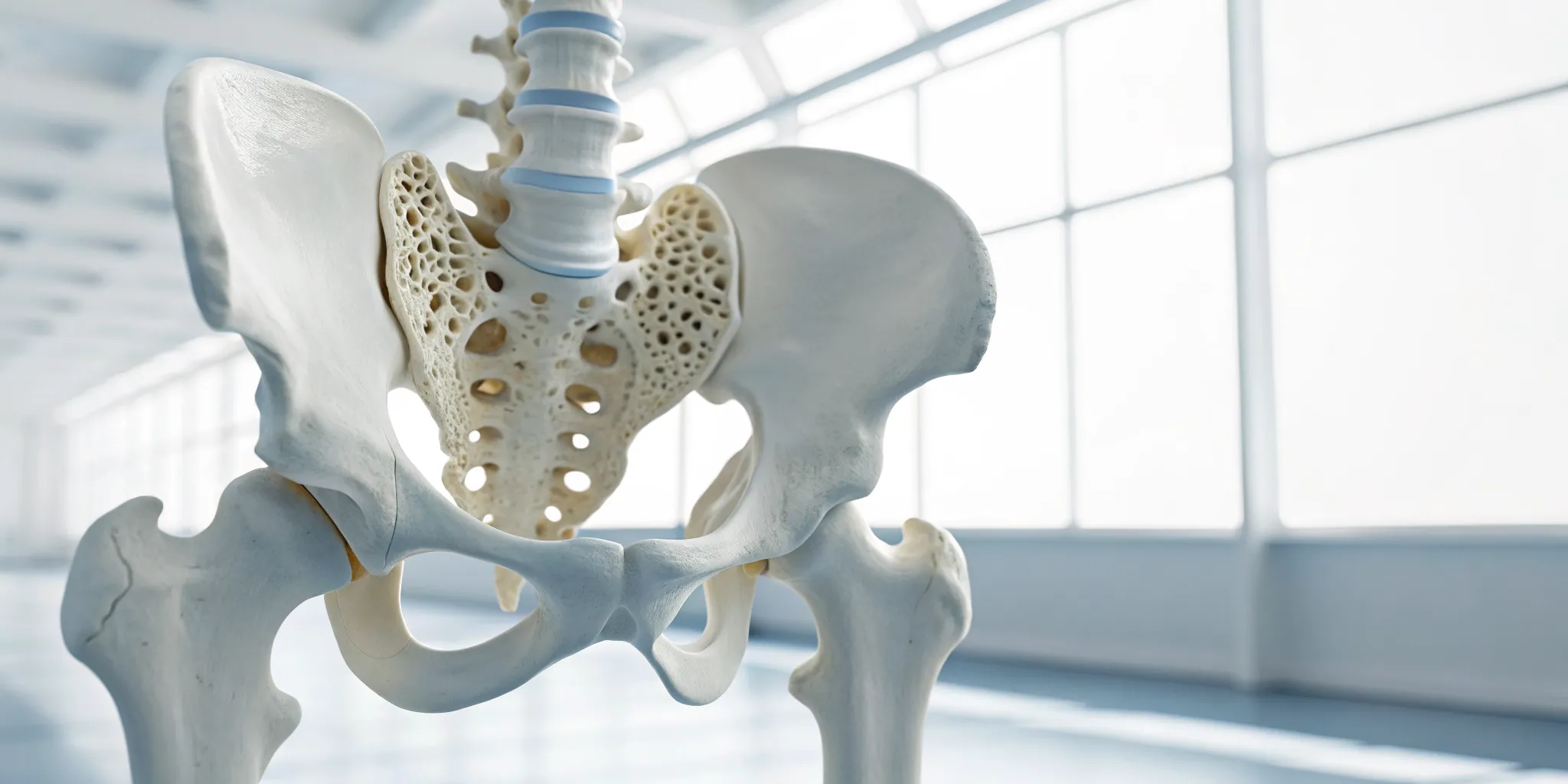
The lower back has five stacked bones. Between them sit soft discs that cushion load when you walk, hinge, or absorb a landing. Each disc has a tougher outer ring and a softer, gel-like center. MedlinePlus describes a herniated disk as a rupture that lets that center leak and irritate nearby nerves, which can show up as back pain or sciatica. The MedlinePlus herniated disk overview also lists slipped disk among the names people use for the same problem.
The American Academy of Orthopaedic Surgeons puts it in plain terms. A herniated disk, sometimes called a slipped or ruptured disk, happens when one of those cushions becomes weak and moves from its normal position. It can occur anywhere along the spine, and it most often happens in the lower back. Their guide to a herniated disk in the lower back notes that this pressure can cause low-back pain, and that leg pain from an irritated nerve is called sciatica.
So the phrase is a starting point, not a verdict. A disc can bulge, the center can press the outer ring, or material can push farther out. Pain after a hard session can also come from a joint, a muscle, or a movement pattern that finally gave out. Naming it a slipped disc before an exam skips the part that decides what you do next.
Why Can a Disc Complain After You Train?
A disc often complains when load, position, and recovery stop matching. Age-related wear can thin the cushion. A sudden bend, twist, or heavy rep can be the moment you notice it.
AAOS describes two paths. Wear and tear can weaken a disc slowly. An injury can change it suddenly. For a former athlete, both can be true at once. Years of training built the capacity you remember. A long layoff, a new program, or a week of poor sleep can drop that capacity before your plan changes.
Think about the last month, not only the last set. Did volume jump? Did you add load while your hinge got sloppy? Did you train through a one-sided tightness that made every rep look different on the left and the right? Discs handle repeated load well when the pattern is clean. They tolerate surprise less well: a max attempt on a cold back, a rotational sport cut, or a long car ride followed by heavy lifting.
None of that proves a disc moved. It does explain why the story matters. At Ascend Functional Health in Tampa, a physical medicine visit starts with history, movement, and the findings that fit your goal, which is getting back to training without guessing. The clinic sits at 3916 N Dartmouth Ave, Tampa, FL 33603, and serves the greater Tampa Bay area, including St. Petersburg, Wesley Chapel, and Brandon.
Which Symptoms Change the Slipping a Disc in Back Conversation?
Local soreness after a new session is one story. Pain that travels, numbness, or a leg that will not hold you is a different story and deserves a sooner look.
Use the pattern, not a single bad rep. A dull ache that settles as you move can still deserve a plan, especially if it keeps returning. Symptoms that travel below the knee, wake you at night, or show up with coughing and sitting are more consistent with nerve irritation. Weakness, such as a foot that slaps the ground or a leg that gives on stairs, is a reason to stop testing it in training.
The table below is a conversation guide. It is not a way to label yourself.
| What you notice | What it may suggest | A reasonable next step |
|---|---|---|
| Tight, local low-back ache after training that eases as you warm up. | Load, stiffness, or a movement pattern that needs a look. | Note the drills that set it off and discuss them at a lumbar visit. |
| Sharp grab with bending, then a catch that lingers into the next day. | Possible disc or joint irritation. The exam decides. | Pause max efforts and book an evaluation instead of adding more sets. |
| Pain, tingling, or numbness into the buttock, thigh, or calf. | Possible nerve irritation, sometimes called sciatica. | Get the pattern assessed before you chase a stretch or a new program. |
| Leg weakness, a foot that drops, or trouble controlling the leg. | A nerve may not be firing well. | Seek a prompt clinical exam rather than another training test. |
| New bowel or bladder changes, saddle numbness, or rapidly worsening weakness. | Rare, urgent nerve compression. | Use urgent medical services now. Do not wait for a clinic appointment. |
AAOS notes that even a painful herniated disk often improves over weeks or months without surgery. That is a reason for a measured plan, not a reason to ignore weakness or spreading symptoms. If you want the longer symptom comparison between a bulge and a herniation, read bulging and herniated disc symptoms after you know which of your own signs matter.
What Should You Stop Testing in Training?
Stop using your next session as the test. A few careful notes will tell a clinician more than another all-out set.
You do not need a perfect rest week for every ache. You do need to stop the drills that clearly reproduce traveling pain, numbness, or a leg that feels unreliable. Max hinges, heavy carries done while bracing through a grab, and repeated end-range bending are common culprits. Easy walking is often tolerable. A hard interval session is a different question, and it can wait.
- Write down the exact move, load, and side that set the symptom off.
- Note whether pain stays local or travels, and whether strength feels uneven.
- Skip the drills that reproduce numbness, weakness, or a sharp catch.
- Keep ordinary walking if it stays comfortable, and skip the test sets.
- Bring that note to the visit instead of arriving with only a nickname for the pain.
This is not a home program and not a promise that rest fixes a disc. It is a way to arrive with a clear story. Questions about rebuilding sessions after you have already been evaluated belong in returning to exercise after a back pain evaluation, which is a later step than the one this page covers.
How Does a Lumbar Visit Sort the Story?
A useful visit matches your training story to a hands-on exam and, when needed, imaging. The goal is a plan you can follow, not a label you found online.
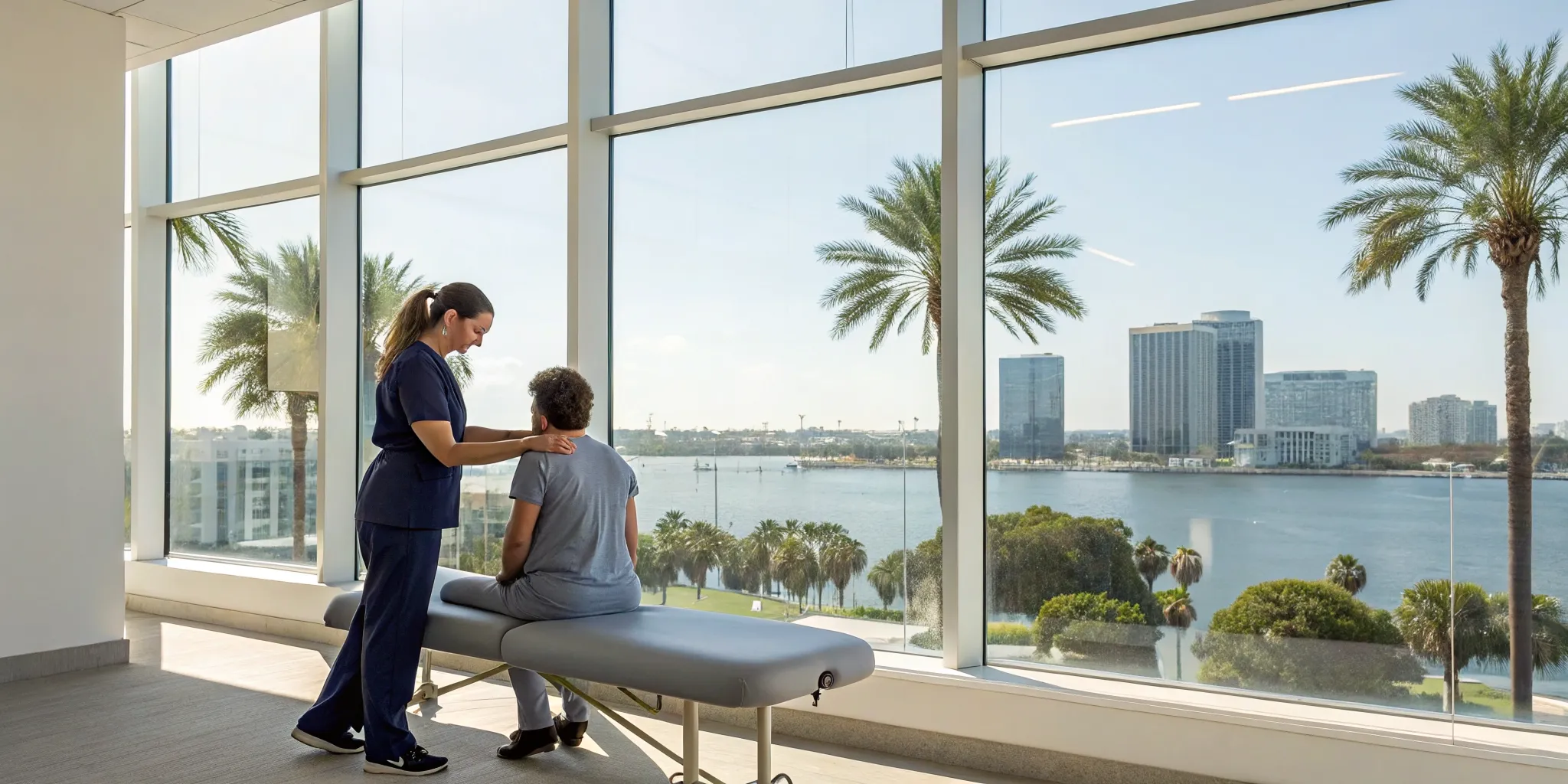
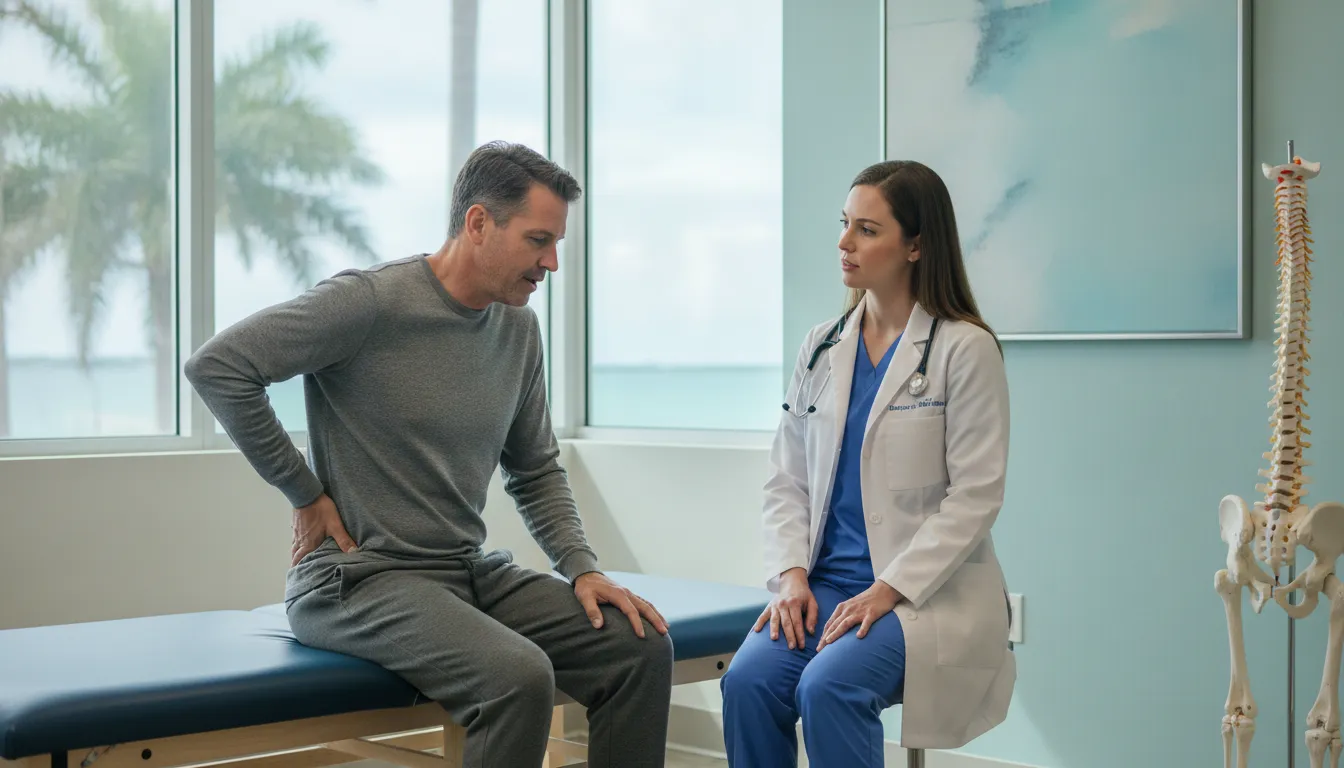
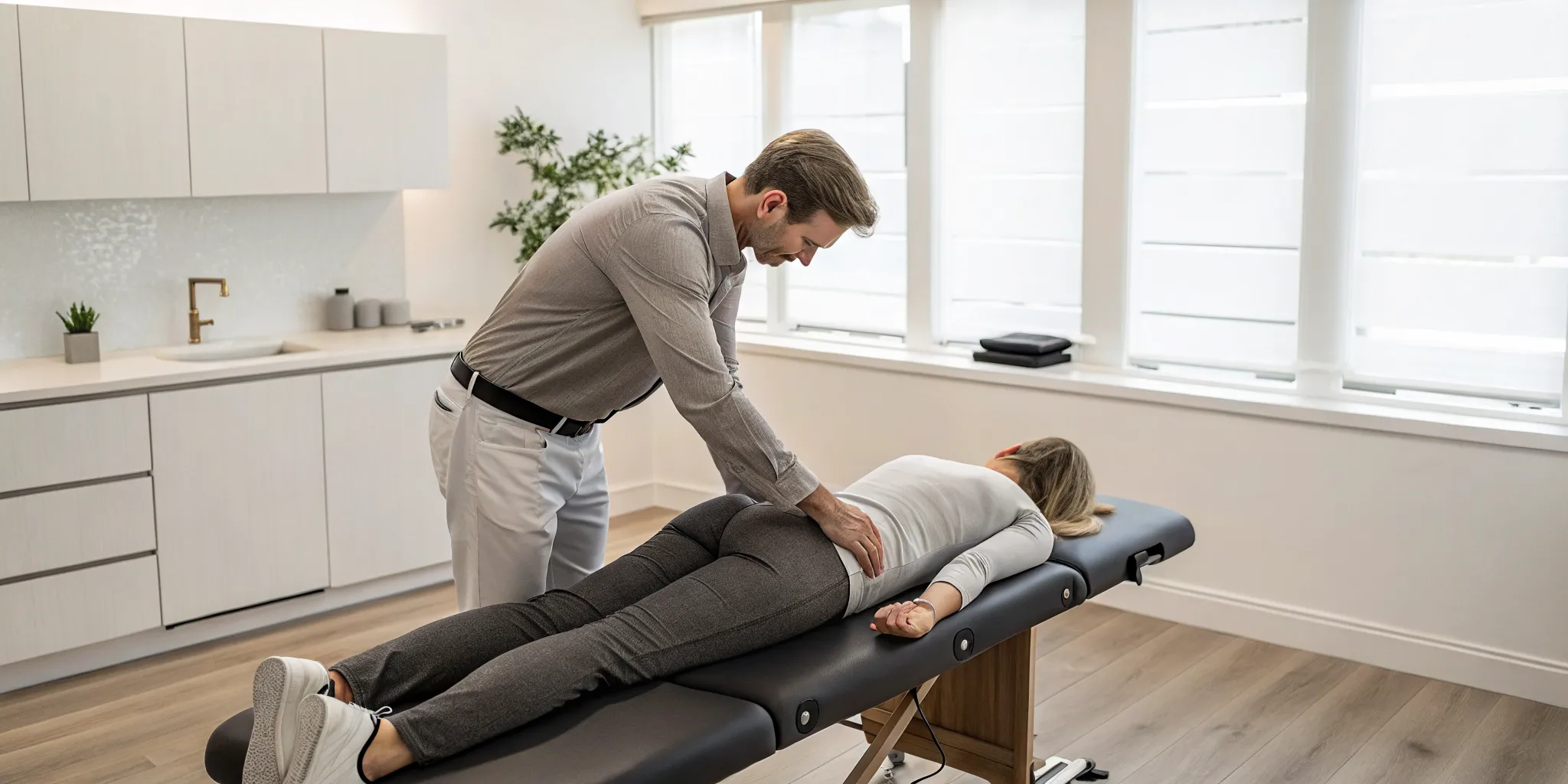
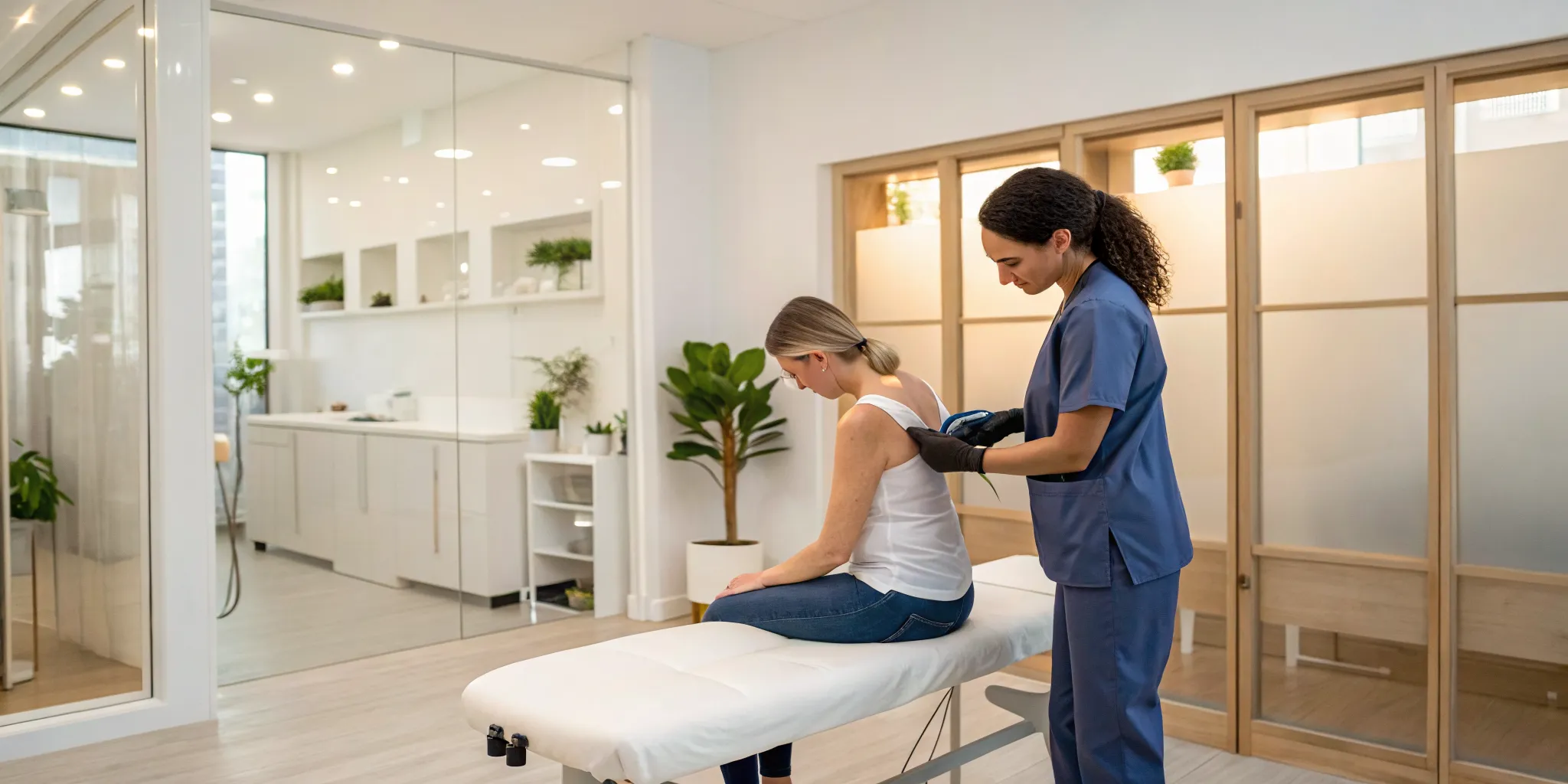
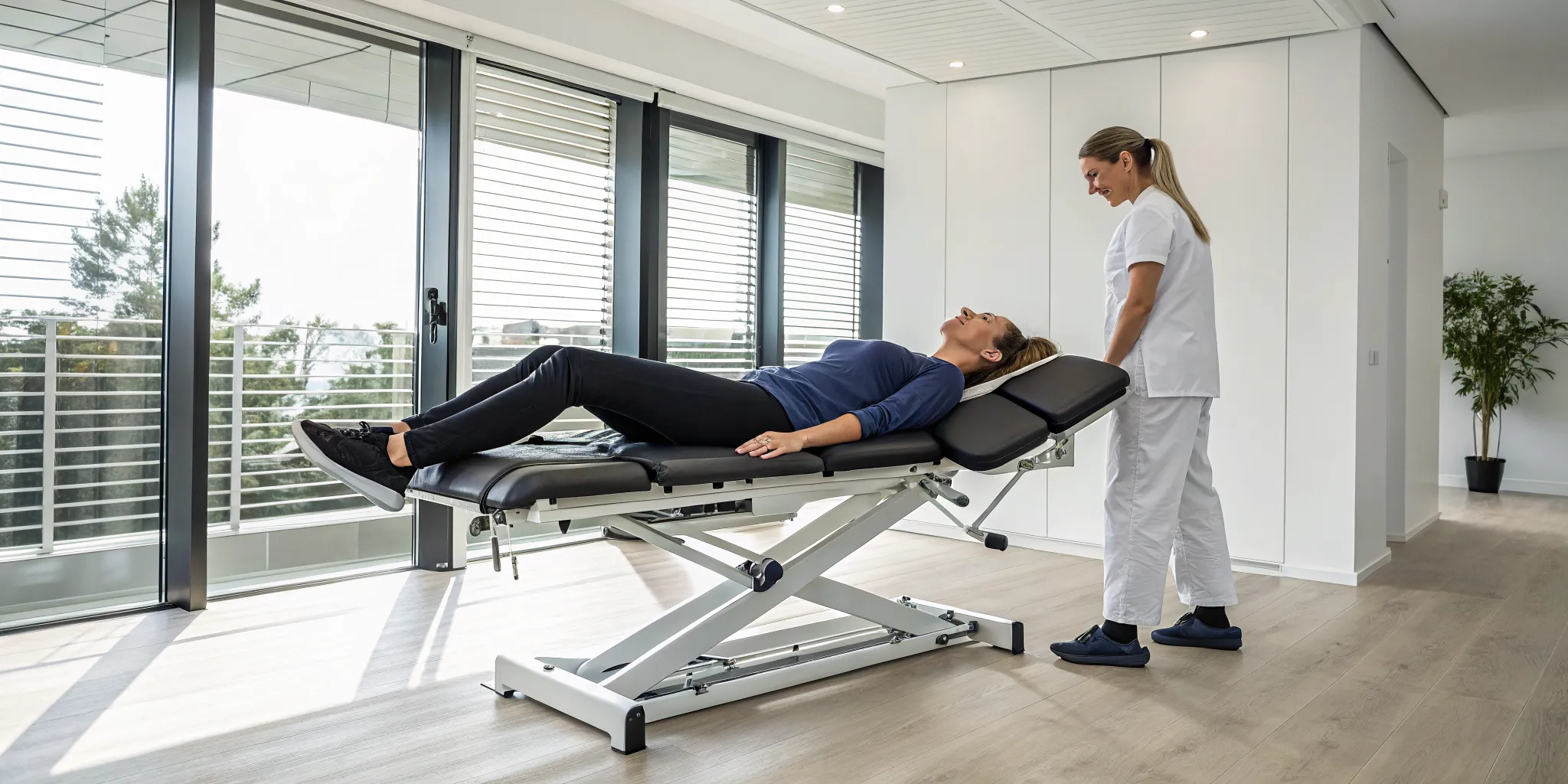
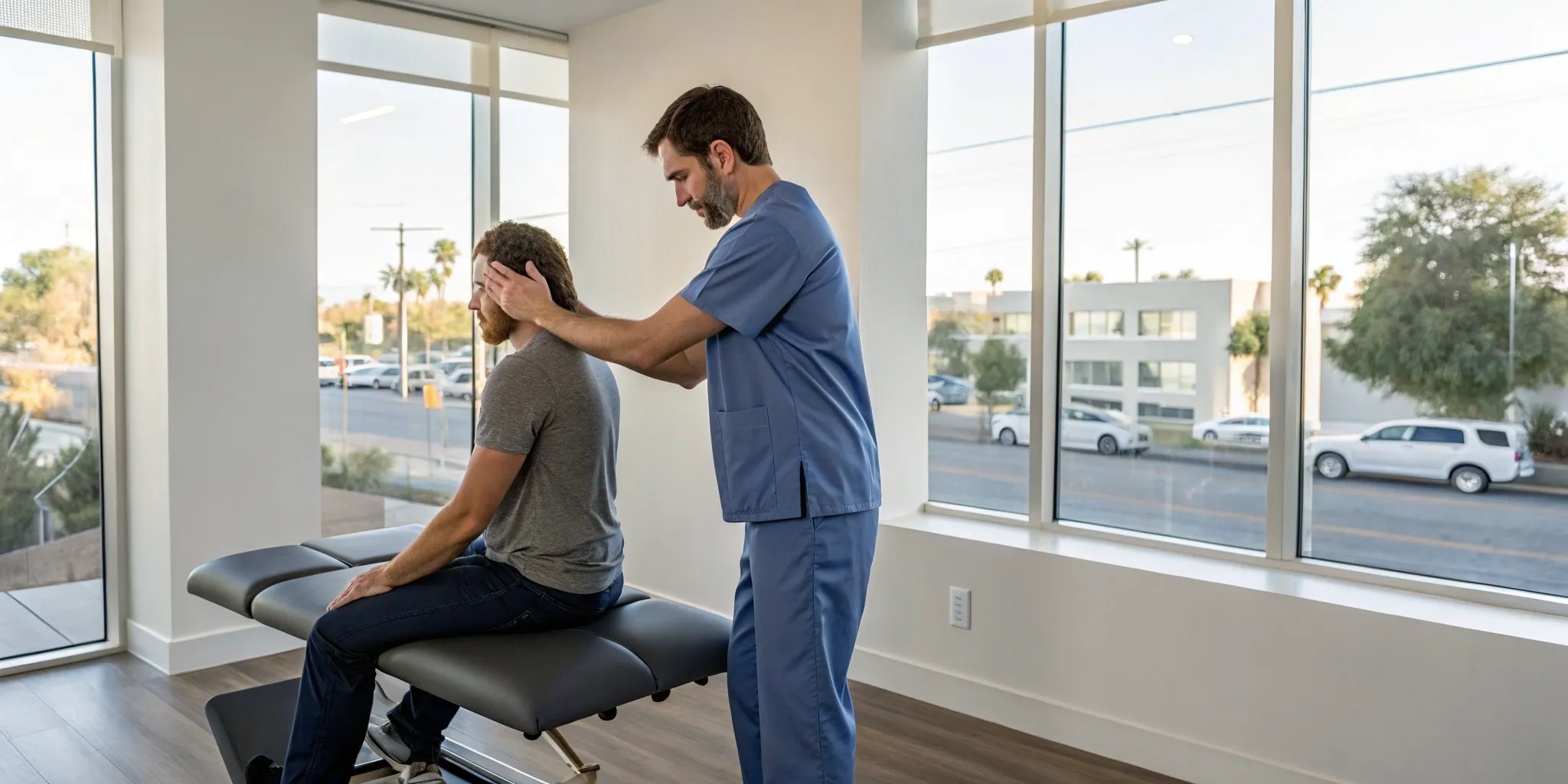
Ascend's physical medicine process is built as three steps: assess, plan, then treat and track. The assess step is a history, a movement evaluation, and testing chosen for your presentation. For a disc concern, that history includes what you lift, which positions bother you, and whether symptoms travel. The exam looks at how you move, where symptoms change, and whether strength or sensation is uneven.
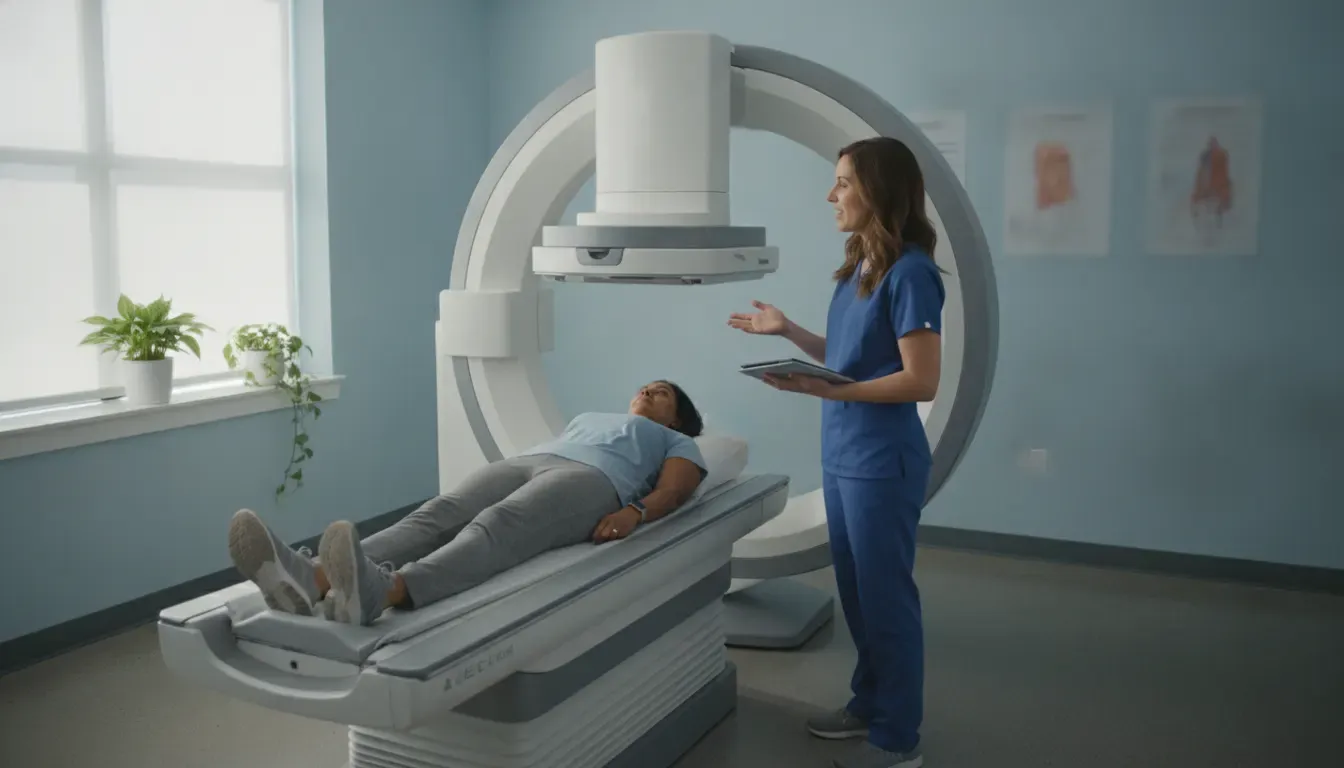
Imaging is a tool, not the whole answer. MedlinePlus says a herniated disk is diagnosed with a physical exam and, sometimes, imaging tests. A scan can show a disc change that is not the reason you lost a step in training. That is why the report should be read next to the exam, not instead of it.
New patients at Ascend can start with a two-day consult. Day 1 is discovery, a sit-down consultation, X-rays, and possibly treatment if the doctor deems it appropriate. Day 2 is a report of findings, a strategy session, and the doctor's recommendations. The published new-patient consult is $149. Monday and Wednesday hours are 8 to 11 a.m. and 3 to 6 p.m. Tuesday and Thursday run noon to 6 p.m. Friday is 8 to 11 a.m. and noon to 3 p.m.
Care here is cash-pay. Recommendations come from your goals, history, and exam, not from a coverage rule. Physical medicine is the pillar that covers this kind of lumbar work, alongside the practice's functional and regenerative services when the findings call for them.
When Does Lumbar Disc Care Include Decompression?
Decompression enters the talk only after the exam says a disc or nerve pattern may be part of the problem. It is not the first guess, and it is not right for every back.
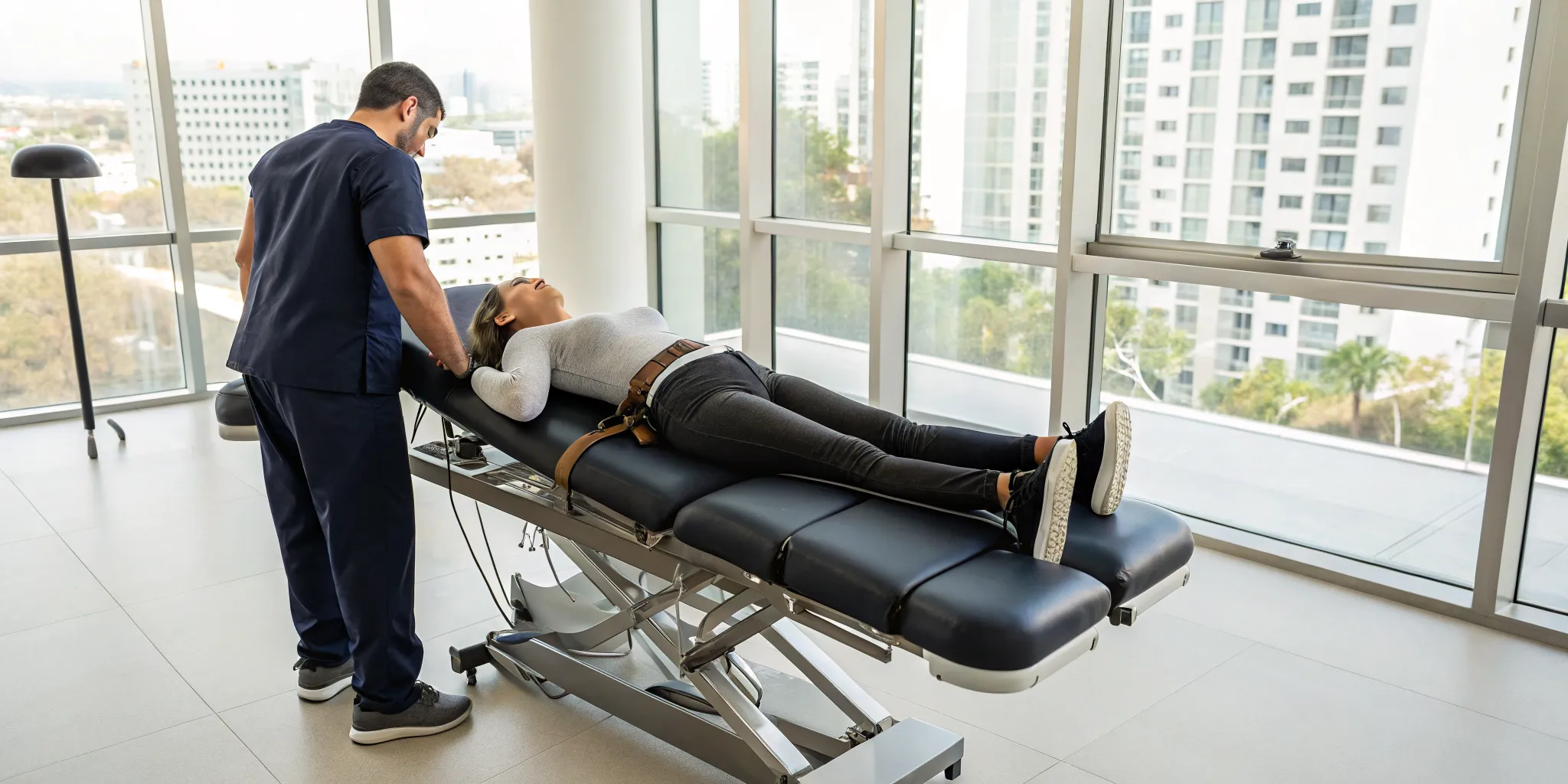
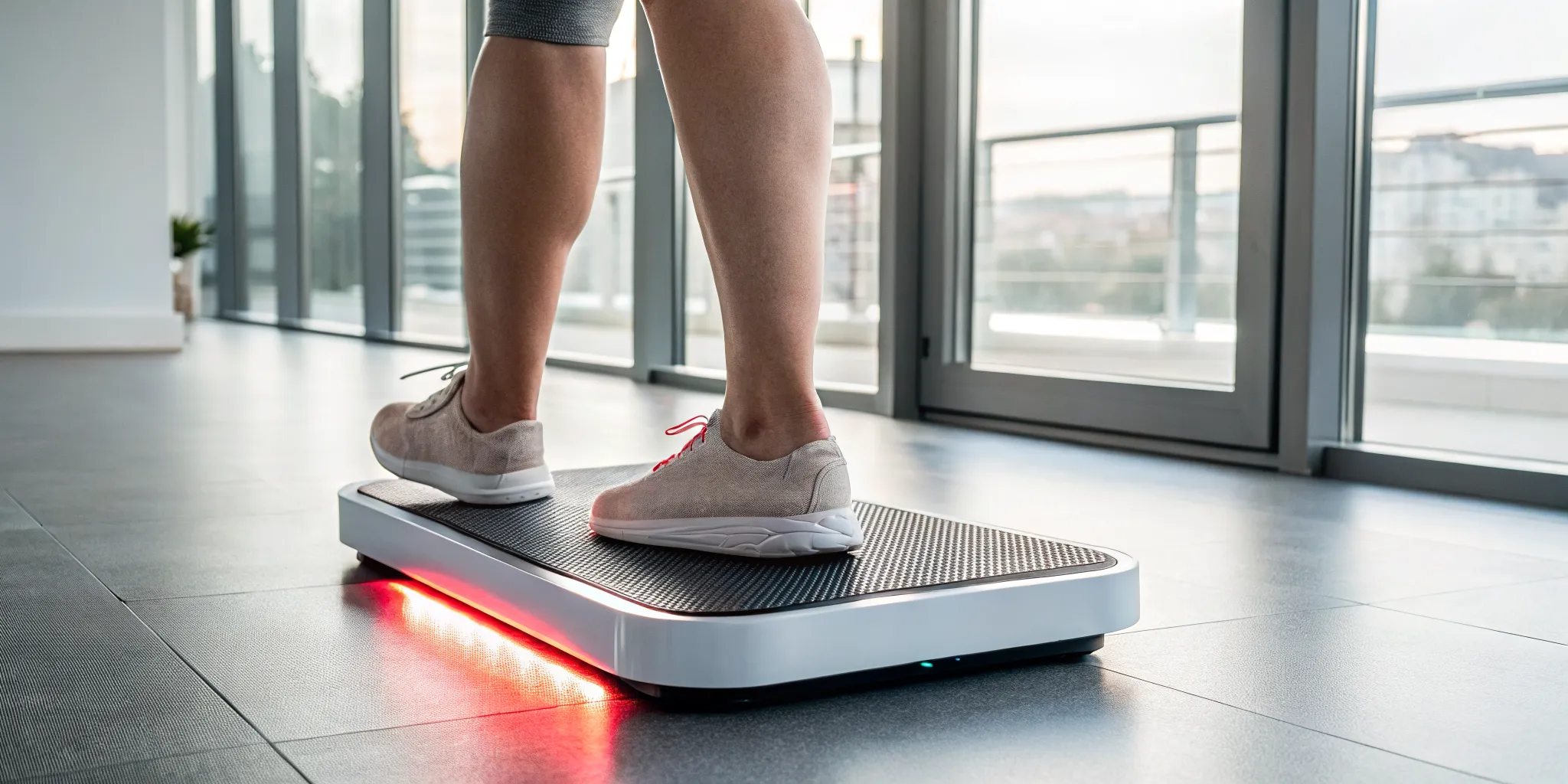
On Ascend's spinal decompression page, the therapy is described as a gentle unload of compressed discs without surgery. The clinic lists herniated or bulging discs in the neck and low back, sciatica, and degenerative disc changes among the presentations a decompression conversation can include. That is a candidacy discussion. It is not a claim that a machine reverses a disc or that one session returns you to your old numbers.
A careful plan also says who should not be pushed into that option. Prior lumbar surgery with hardware at the level being considered is one reason the team may steer elsewhere. Rapidly worsening weakness, or the bowel and bladder changes in the table above, are reasons to use urgent medical services rather than a therapy slot. If decompression is even on the table, you should hear why, what the visit feels like, and how progress will be checked.
Use this article to decide whether that conversation belongs in your consult. The service page covers the modality itself. People comparing a bulge with a herniation before they book can also read bulging disc treatment in Tampa, which stays on treatment choices rather than this slipped-disc phrase.
What Can You Expect From a Plan, and What Can You Not?
A sound plan aims to calm the pattern, restore control, and rebuild training in steps. It cannot promise that you will feel like your old self on a set date.
Most people with a herniated disk improve without surgery, according to both MedlinePlus and AAOS. AAOS says many feel better within a few weeks or months. That range is wide on purpose. Your job, your sleep, and whether a nerve is involved all change the timeline. Ascend tracks progress and adjusts the plan. Tracking is not the same as promising a session count or a season without pain.
Expect clear language. You should leave knowing which findings mattered, which positions to avoid for now, and what the next check looks like. You should not leave with a protocol sold off a webpage. SoftWave, chiropractic care, and decompression are tools the team may discuss after the exam. They are not a menu you assemble because a post listed them.
If leg pain is the main problem, the sciatica treatment page is the closer service match. If the question is how a chiropractic visit fits a disc concern, chiropractic care for a herniated disc covers that angle without repeating this one. Chiropractic care is the service overview if you want the broader visit, not the disc phrase.
How Should You Prepare for the Consult?
Bring a short training log, a list of symptoms, and the goal you actually care about, such as hinging without a grab or finishing a practice.
Write the last two weeks in a few lines: what you trained, when symptoms started, and what makes them better or worse. Note any prior imaging, prior spine surgery, and whether strength feels uneven left to right. Wear clothes you can move in. You do not need to perform a max lift to prove the problem.
Decide the outcome you want from Day 2. A useful report tells you whether a disc is the leading explanation, whether decompression is worth discussing, and what training can stay while you sort it out. A vague hope to get back your game is fine as a motive. It is a weak brief. Name the session you miss.
If you are comparing clinics, ask who performs the exam, how findings are explained, and how the plan changes if you are not improving. Ascend's model puts physical, functional, and regenerative care in one Tampa practice so the recommendation can follow the finding. That only helps if the first visit is honest about fit.
Book a lumbar consult and bring your training notes
Frequently Asked Questions
Is slipping a disc in back the same as a herniated disc?
People use slipping a disc in back for what clinicians often call a herniated, ruptured, or slipped disk. Only an exam can tell whether that is your situation or whether a joint, muscle, or movement pattern is the better explanation.
Can I keep training if I think I slipped a disc?
Local soreness that settles as you move is a different picture from pain that travels, numbness, or a leg that feels weak. Stop the drills that reproduce those signs and get the pattern assessed before you add more hard sets.
Does a slipped disc always need surgery?
No. MedlinePlus and AAOS both note that most people with a herniated disk recover without surgery, often over weeks or months. Surgery is a separate decision for symptoms that do not improve or for urgent nerve problems.
When is decompression part of the conversation?
After a lumbar exam suggests a disc or nerve pattern may be involved. Ascend discusses decompression for selected herniated or bulging discs and sciatica. It is not a fit for every back, and it is not a promise of symptom relief.
What happens at Ascend's new-patient consult?
Day 1 is discovery, a sit-down consultation, X-rays, and possibly treatment if the doctor deems it appropriate. Day 2 is a report of findings, a strategy session, and the doctor's recommendations. The published consult is $149 at the Tampa clinic.
Start with a consult and get a plan that matches the exam
This article is for education. It is not medical advice, and it is not a substitute for an exam. Talk with your clinician before you change training or start care.